I slept really well until 2 a.m., when I dreamed that my alarm had gone off, I hit snooze, went back to sleep, and was now late. I got up and started getting dressed, only to realize it was still the middle of the night! Luckily, I was able to get back to sleep quickly.
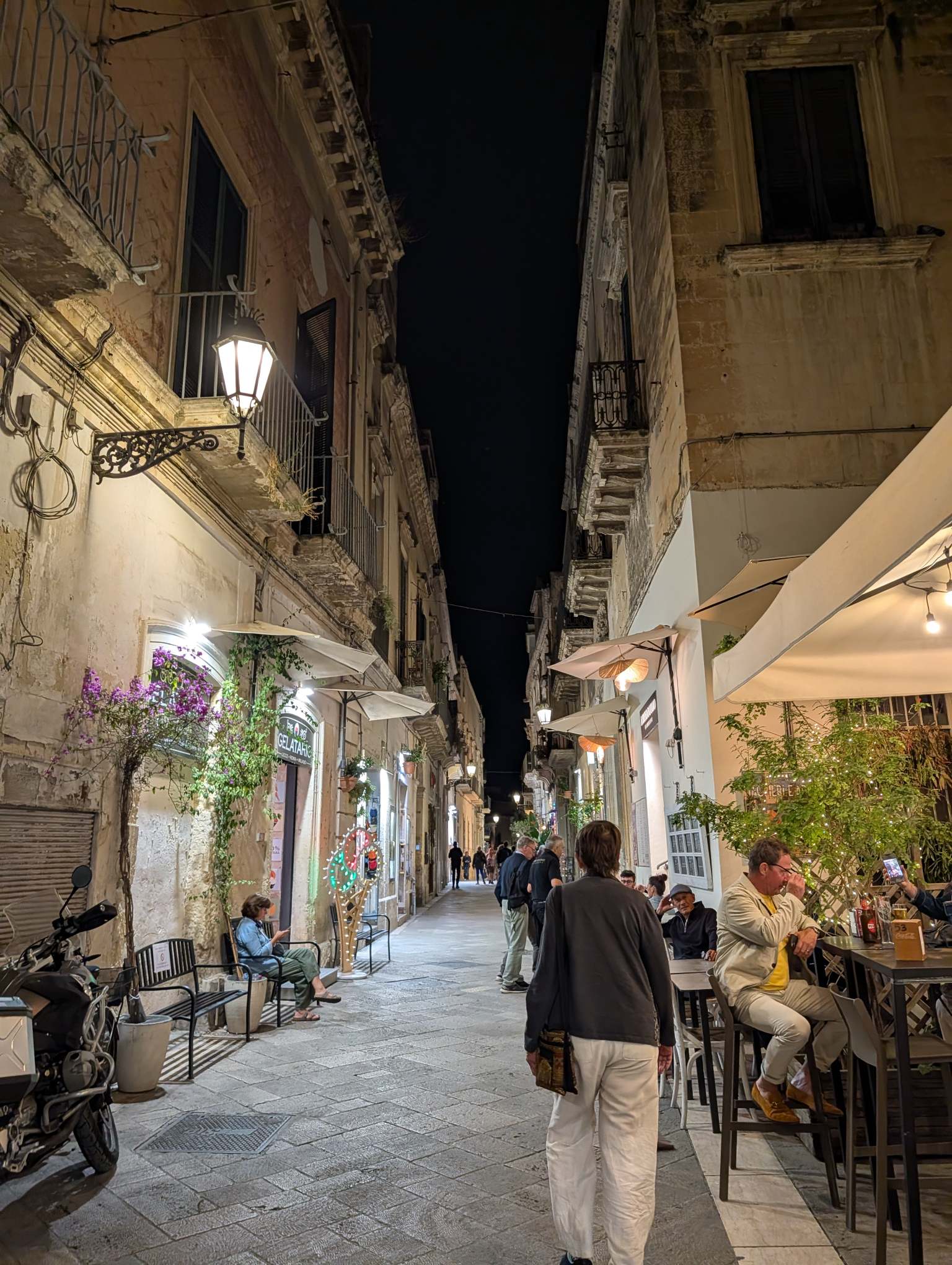
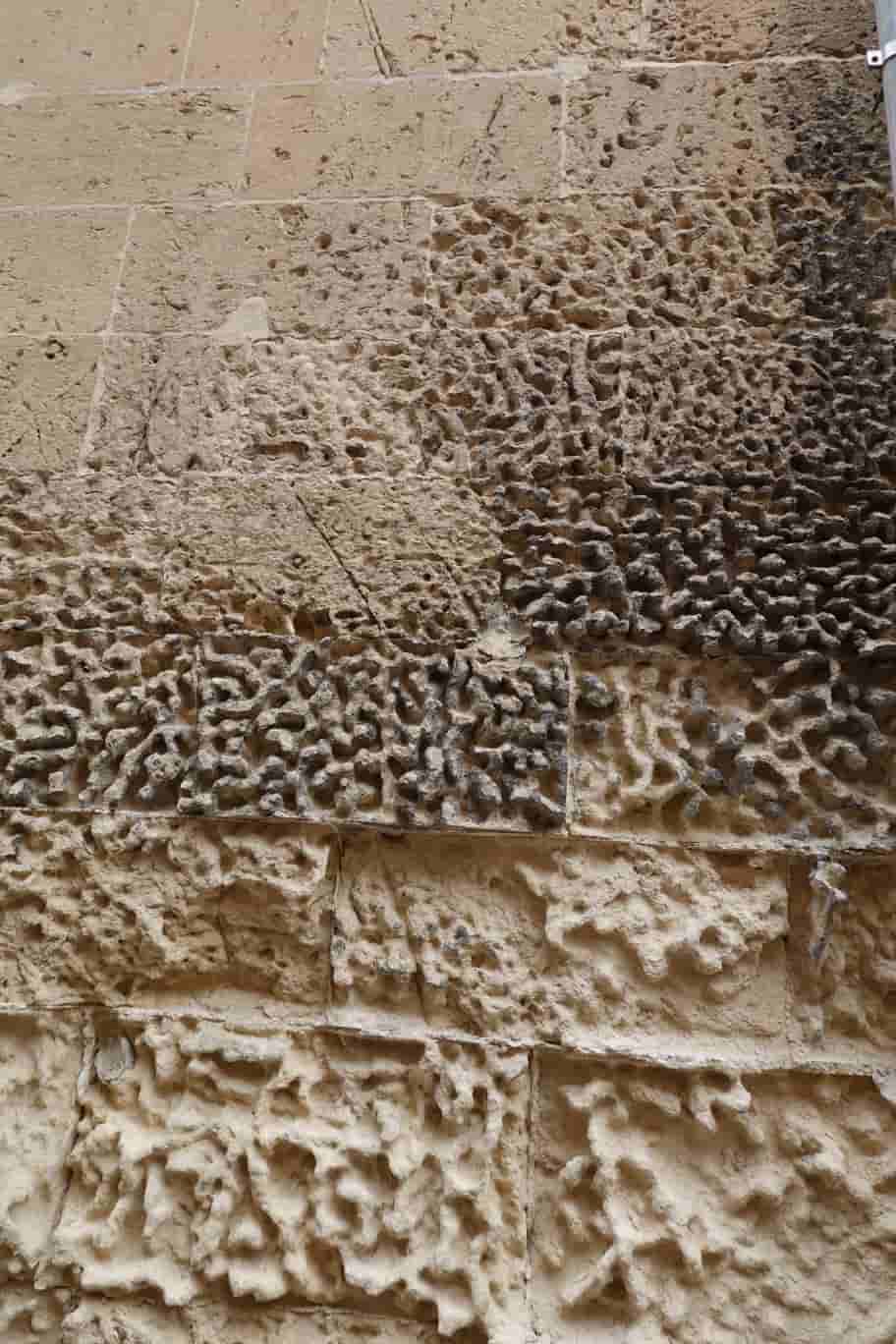
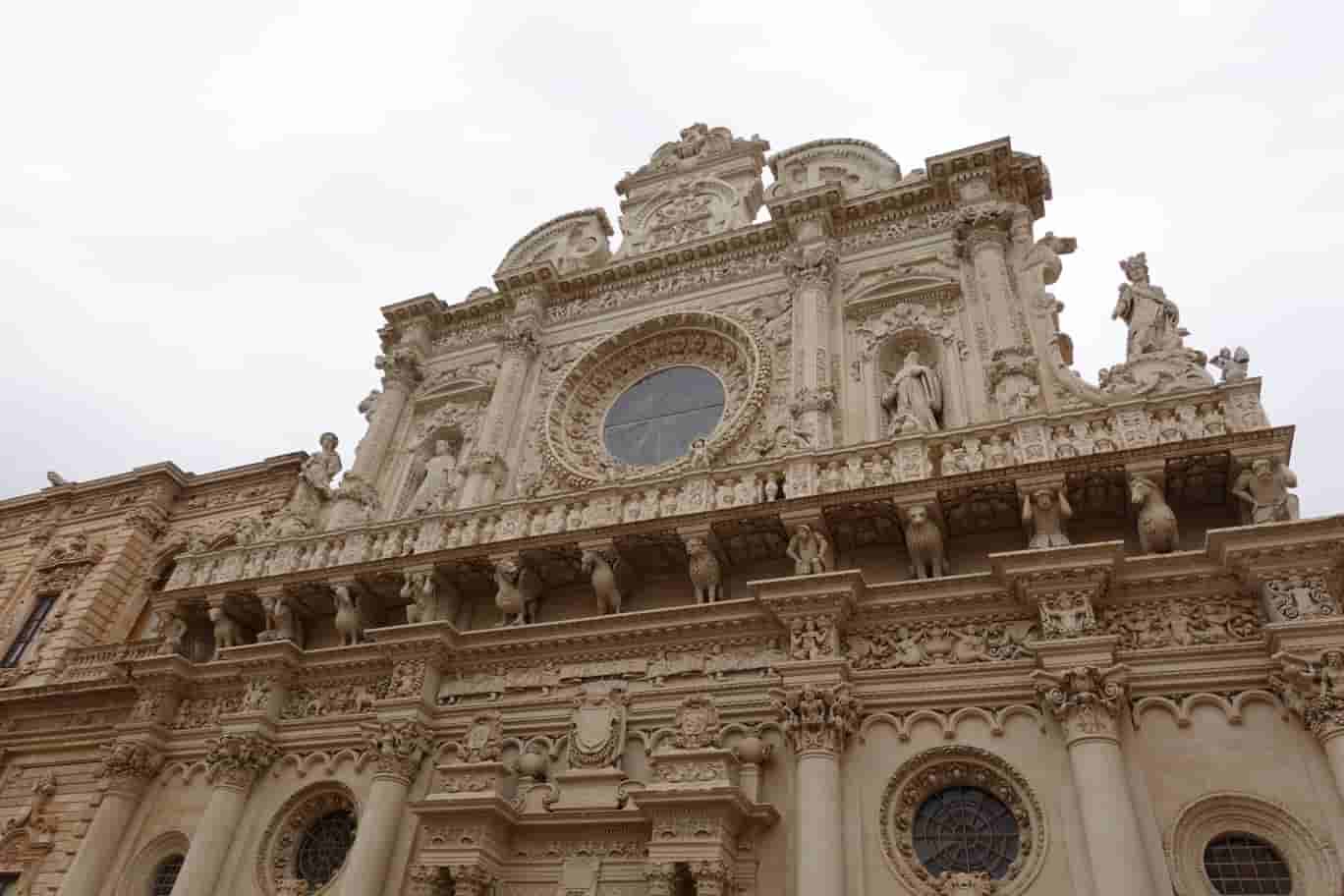
This morning it rained on and off. We had a walking tour of Lecce, which is known as the “Florence of the South” because of its beautiful Baroque architecture and its origin dates back to the 3rd century BC. Most of the buildings are made from Lecce stone, a soft limestone that is perfect for the intricate carvings and elaborate decorations characteristic of the Baroque style.
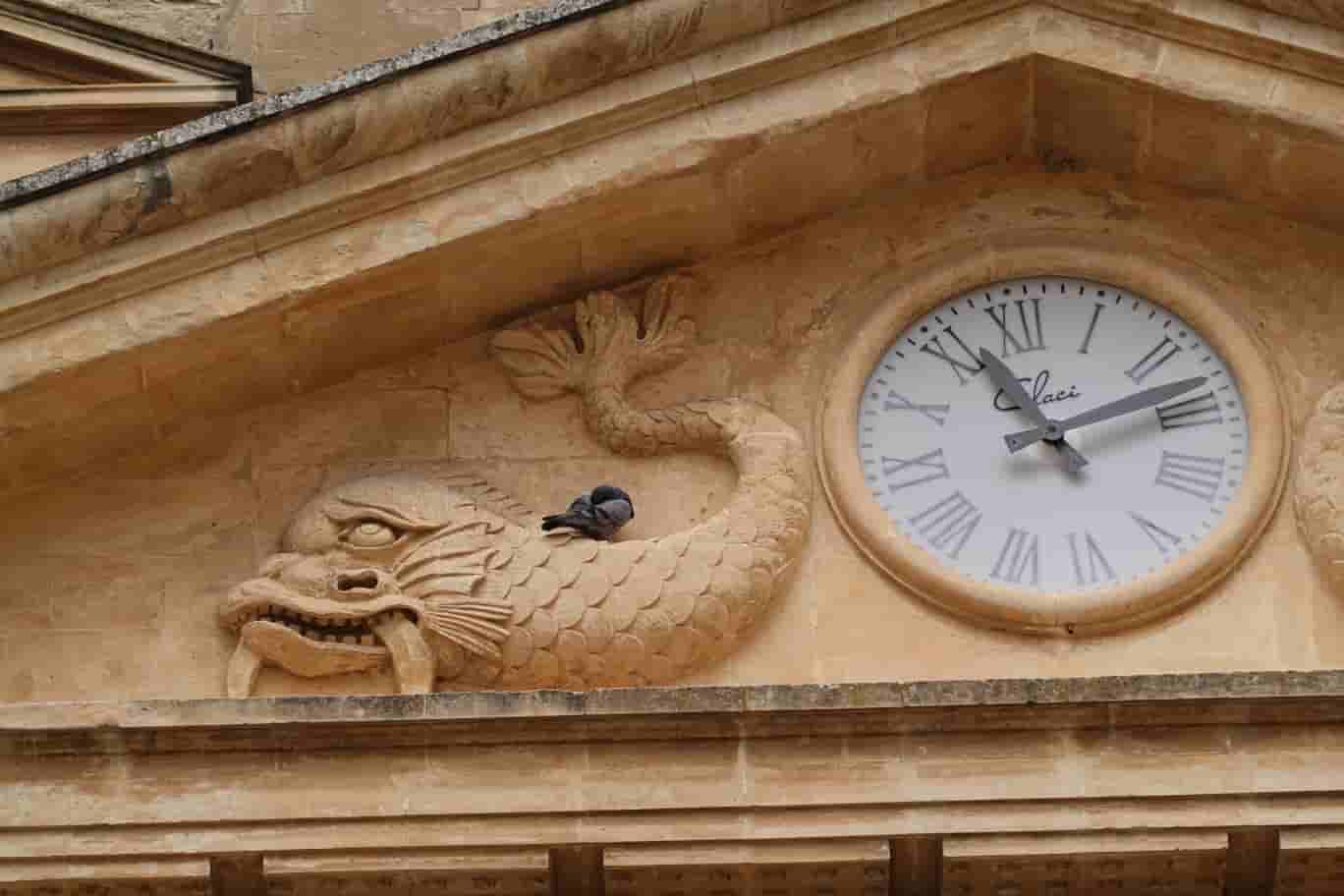
The picture below shows the official coat of arms of Lecce. It is an angry dolphin with a crescent moon in its mouth. The dolphin represents the people of Lecce, while the crescent moon represents the Ottoman Empire. By depicting the dolphin holding the crescent moon, the emblem symbolizes Lecce’s defense against Ottoman incursions, particularly following the tragic Sack of Otranto in 1480.
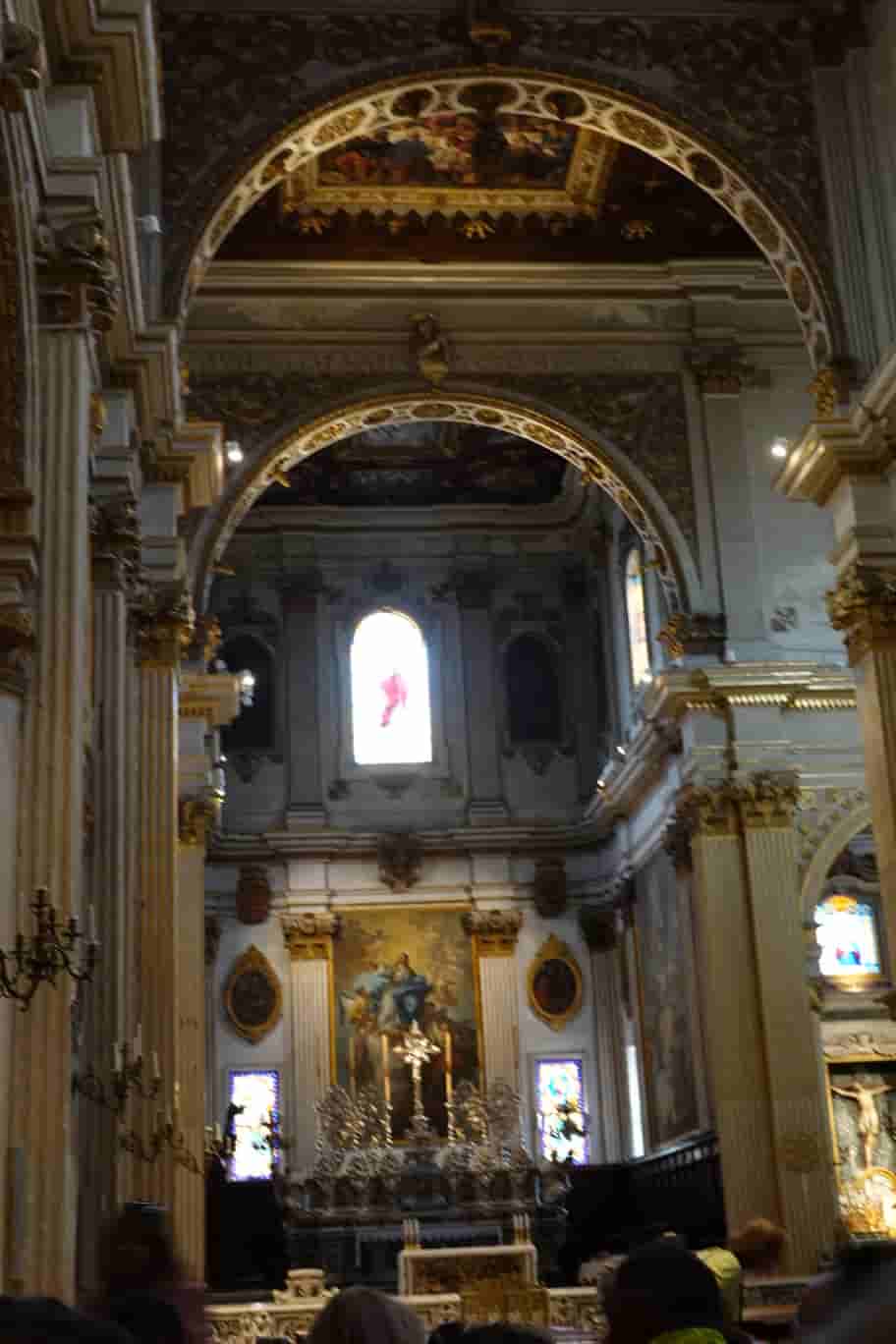
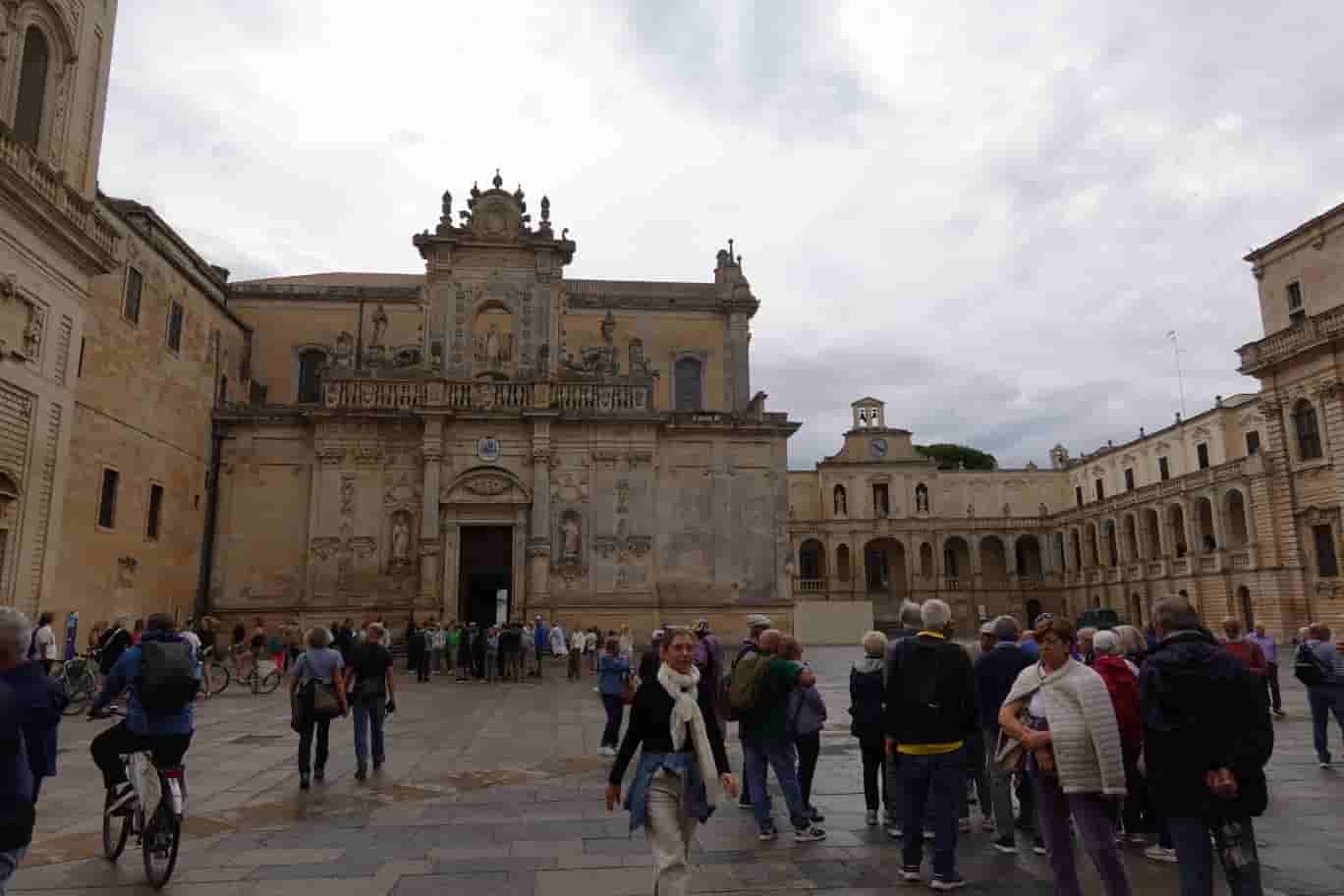
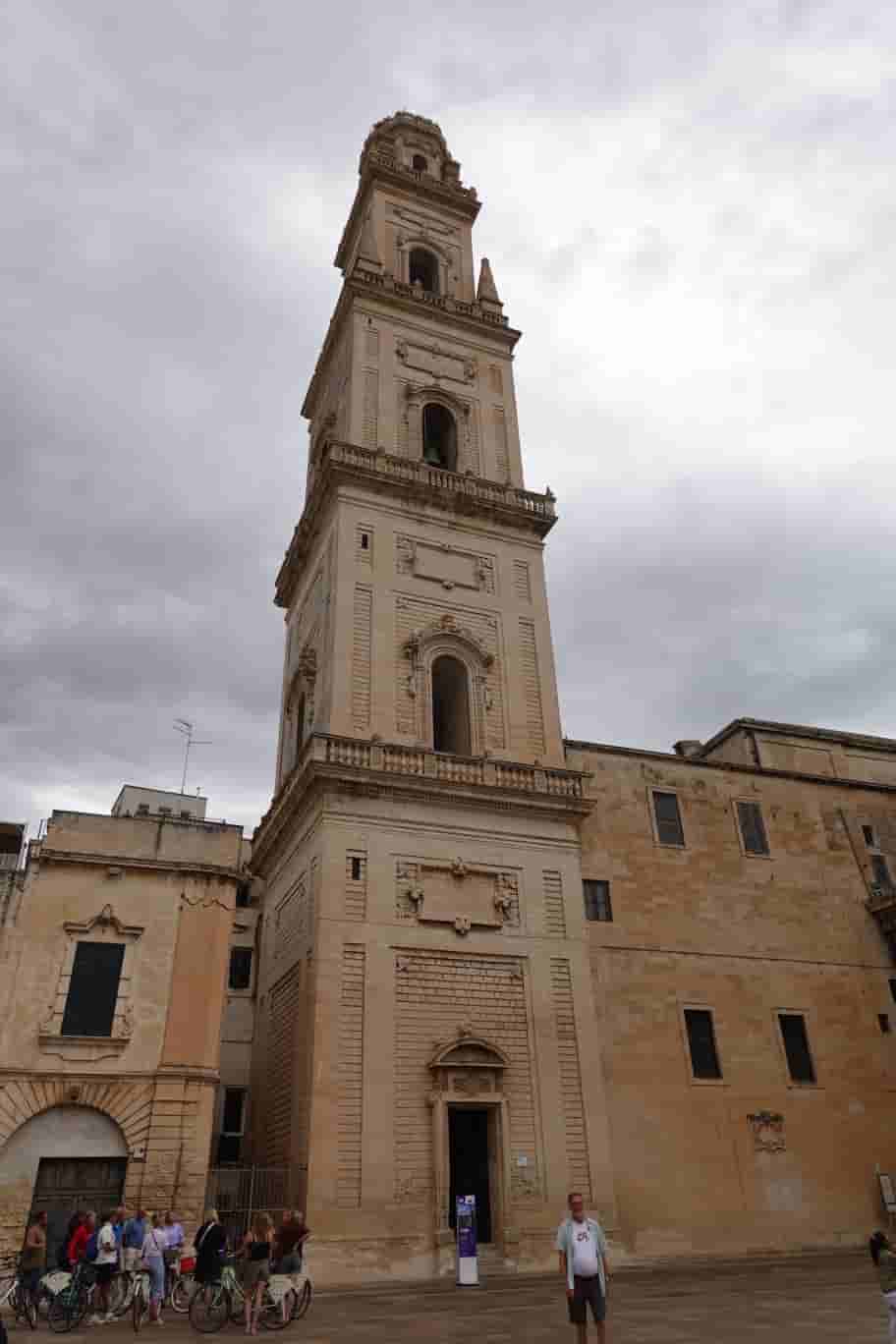
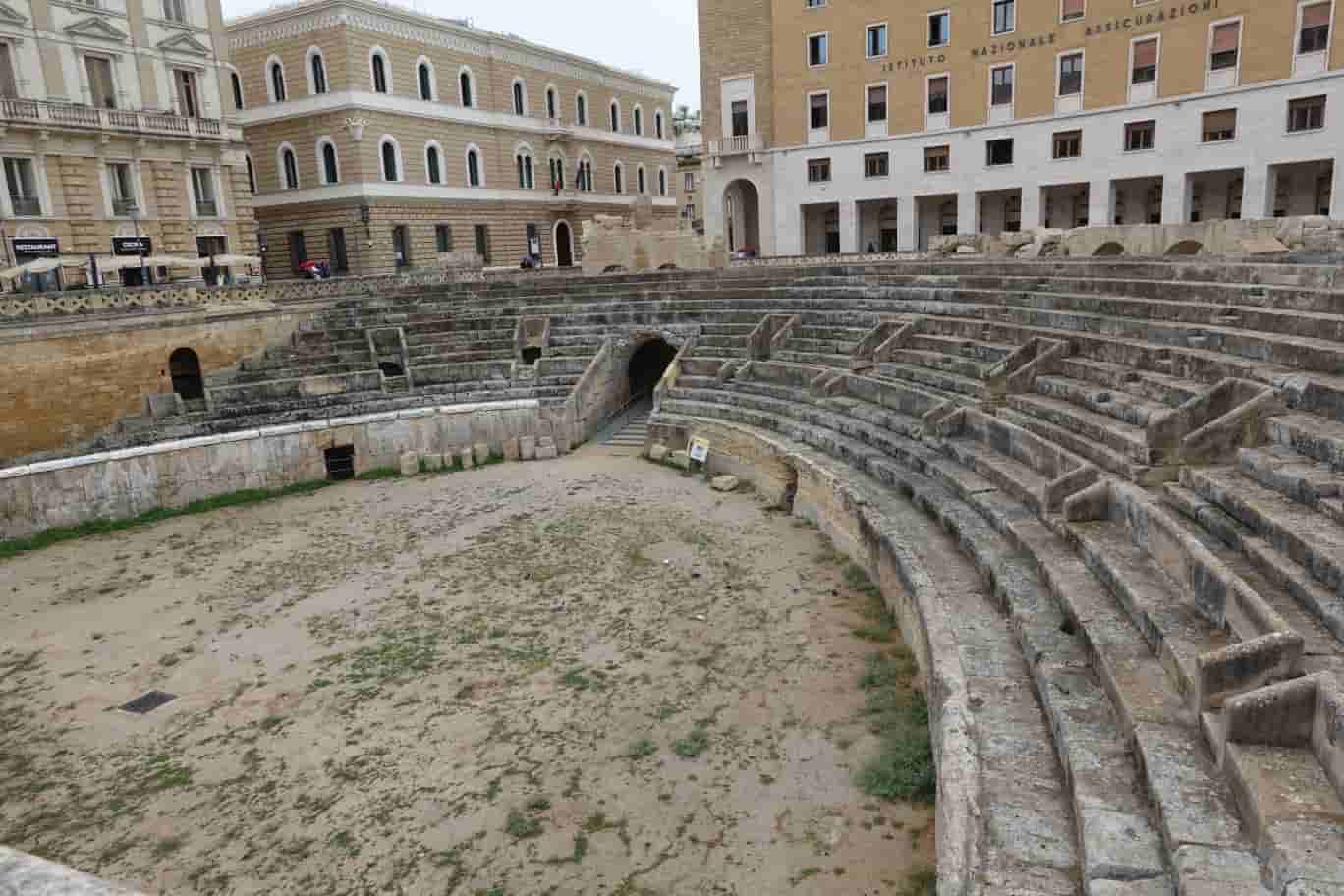
We visited the Lecce Duomo, Piazza Sant’Oronzo—the main square—which contains the remains of a 2nd-century Roman amphitheater, and the Basilica of Santa Croce. Here are some pictures.
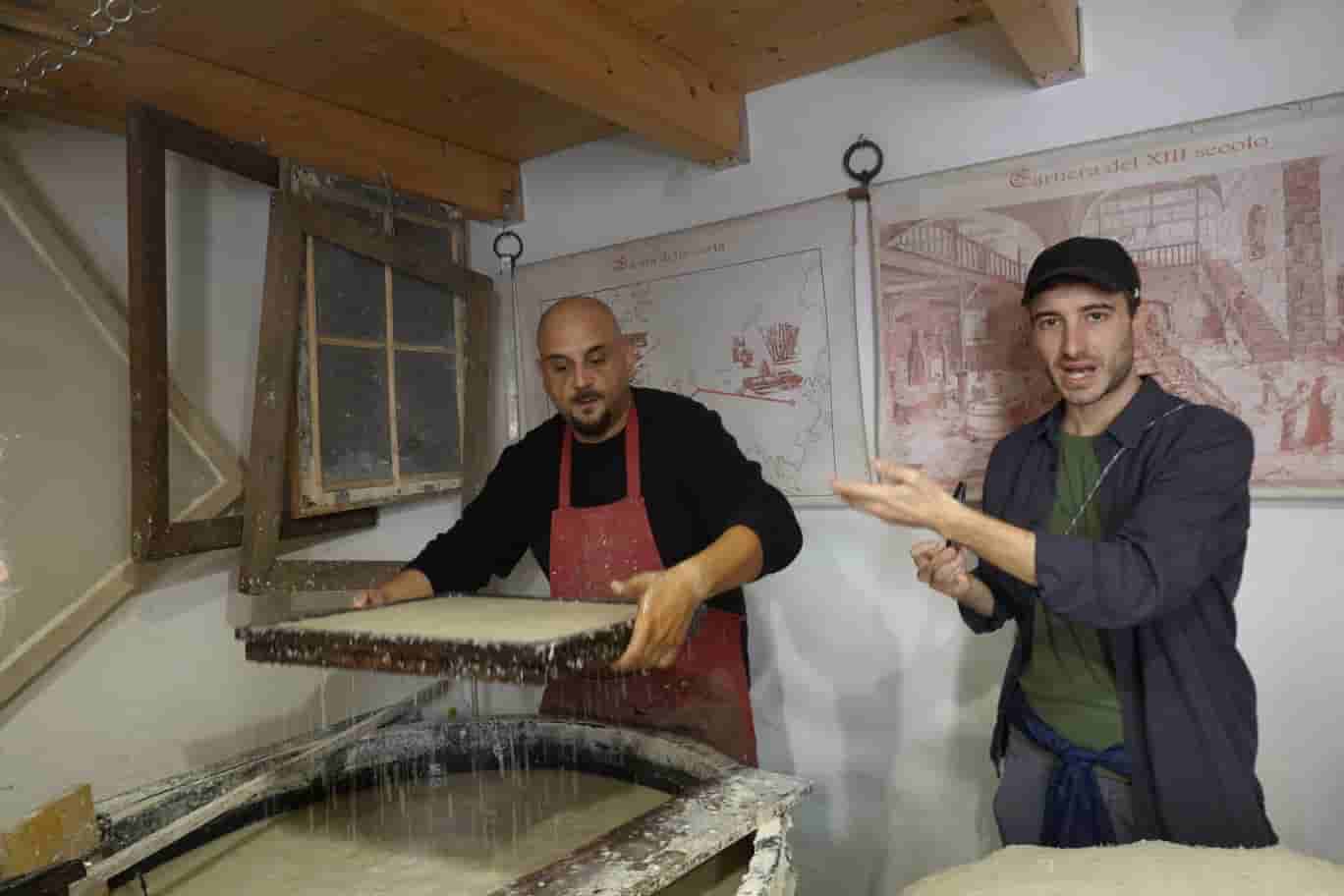
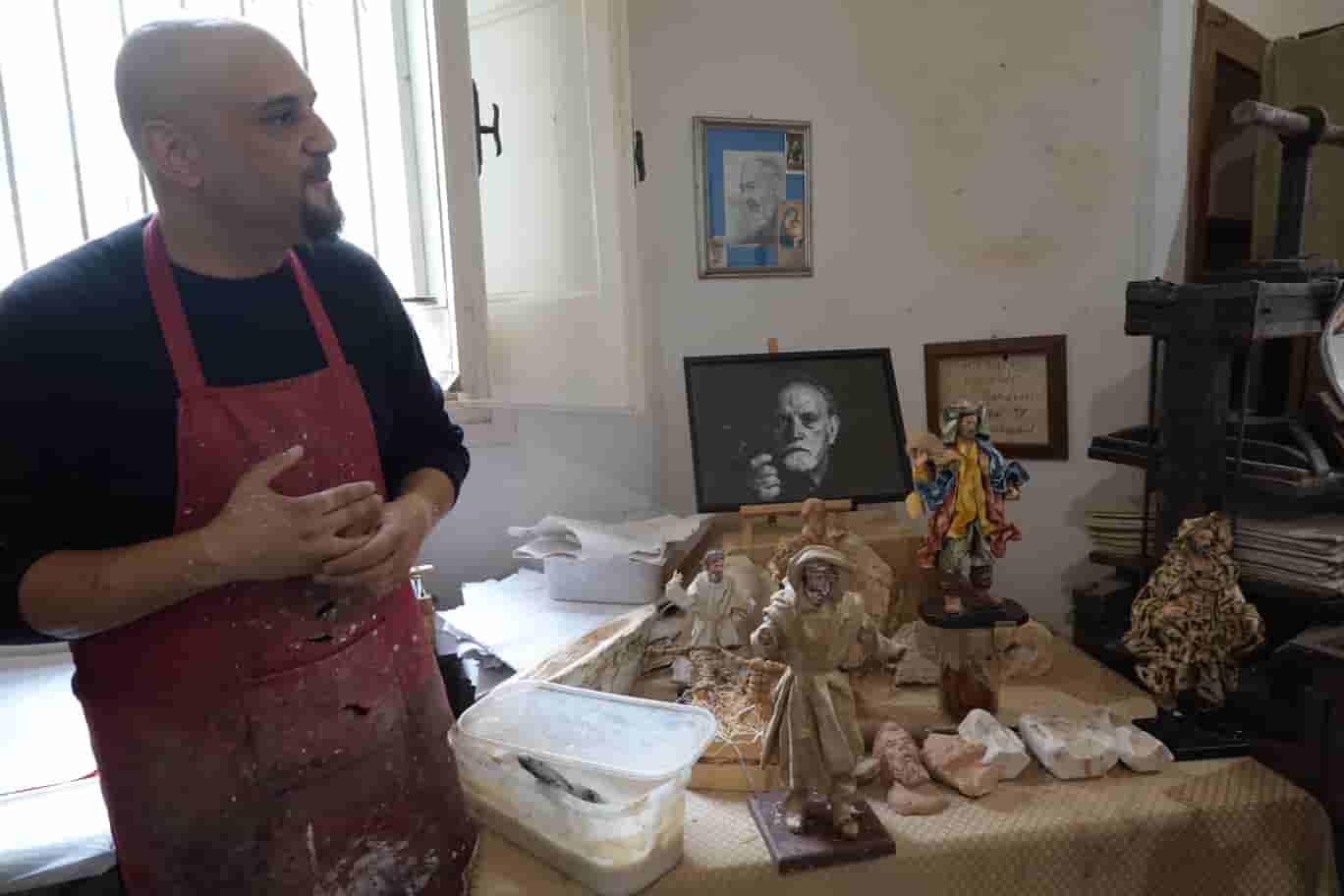
Paper mâché has an important place in Lecce’s history and culture. It was traditionally used to make many of the statues found in Lecce’s 48 churches, as well as figures for religious festivals. There is only one person south of Rome who still uses the traditional methods to make paper mâché. We visited his shop, and he showed us how he makes the figures. He makes his own paper using cotton threads and then uses it to cover figurines made from wire and straw. It was fascinating to see how something as simple as paper can be turned into such elaborate sculptures.
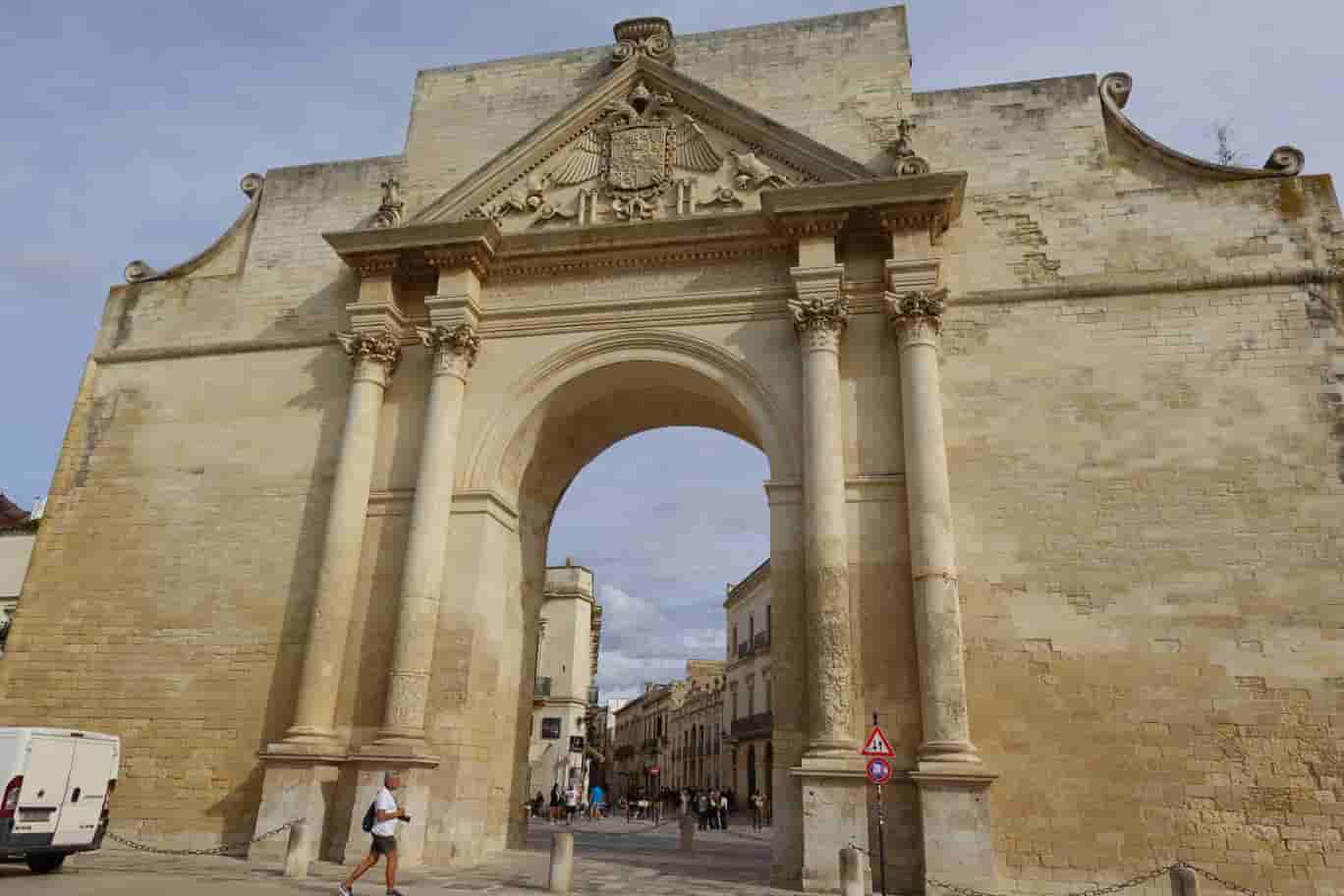
Lunch was next on the agenda. We had the afternoon free, so Anne and I wandered around a little. We went to a museum and then walked to Porta Napoli, a triumphal arch dating from 1548.
The museum was particularly interesting because of what was discovered underneath the house. In 2001, the owner had to dig up the floor to replace sewer pipes that were causing ongoing moisture problems. During the work, archaeological remains unexpectedly began to appear. What started as a plumbing project turned into a seven-year excavation that uncovered layers of Lecce’s history beneath the house. It’s pretty amazing to think that someone trying to fix a plumbing problem ended up discovering an archaeological site!
That evening, we went out for a very pleasant dinner and had pizza with two of our trip mates.