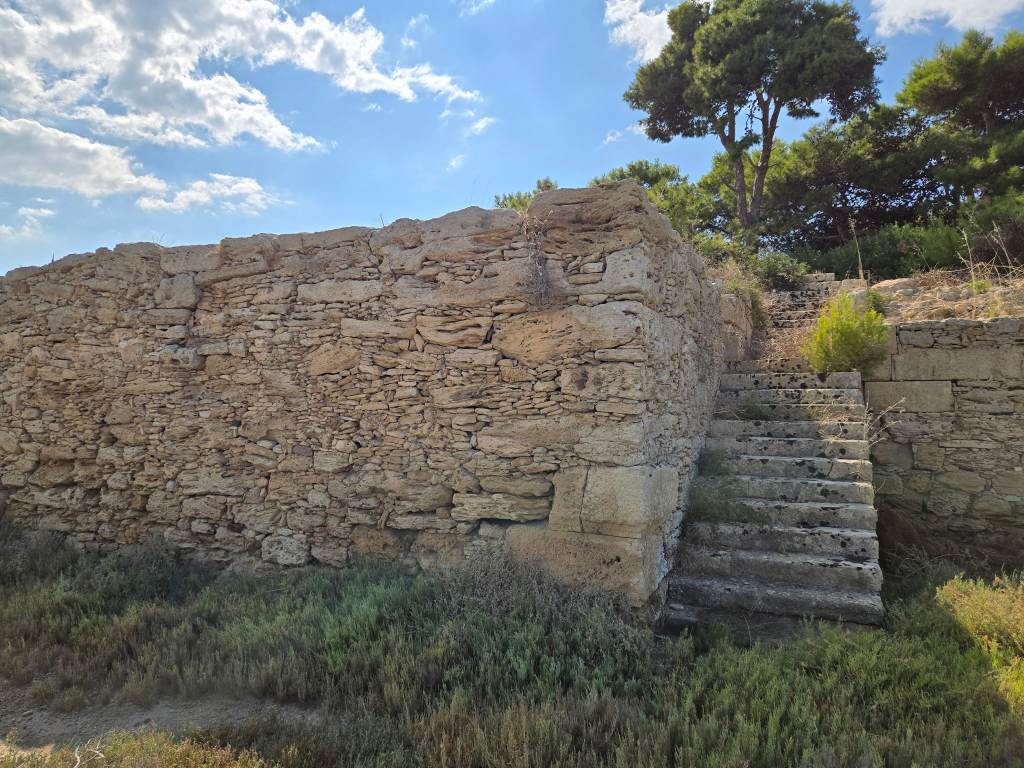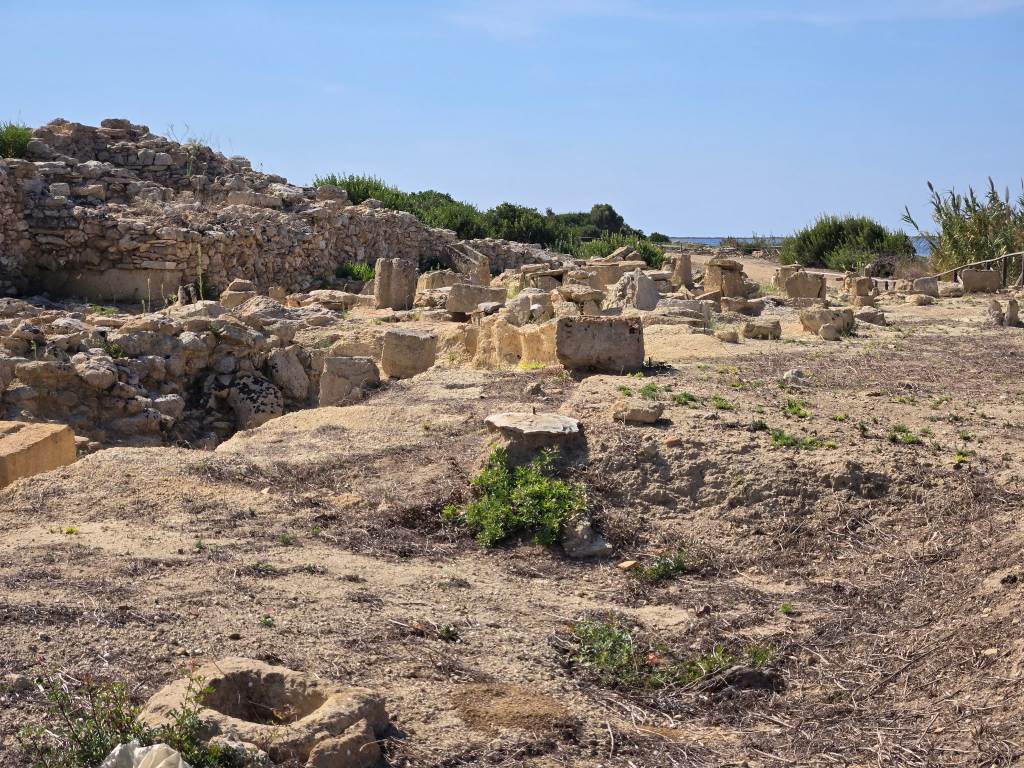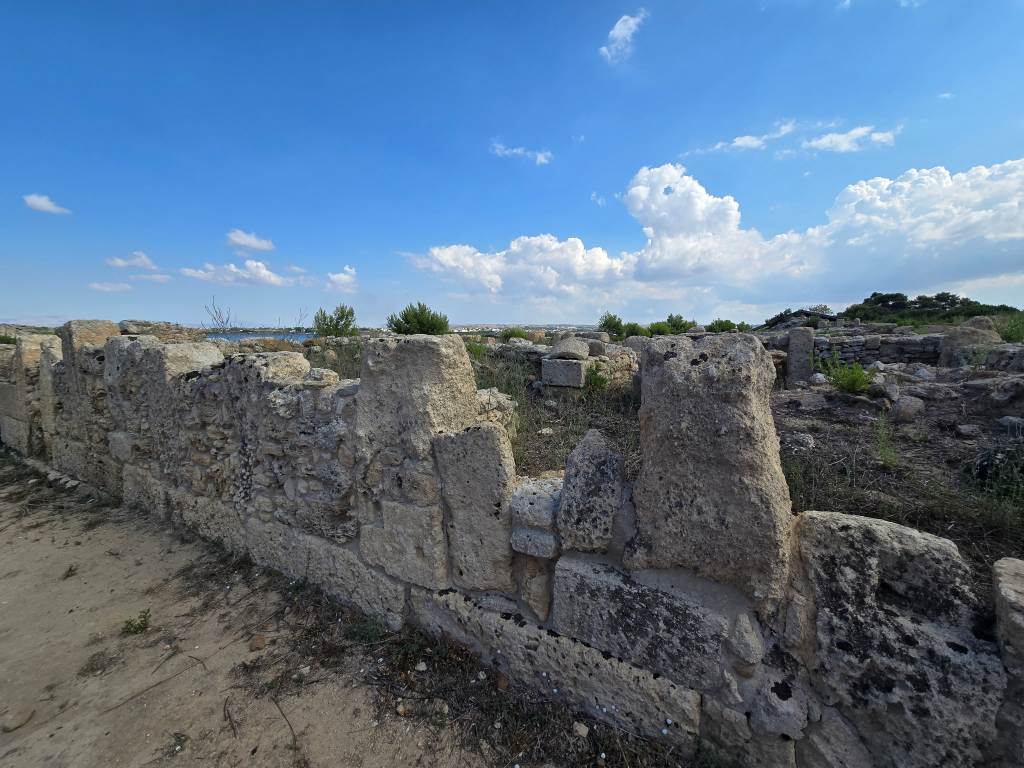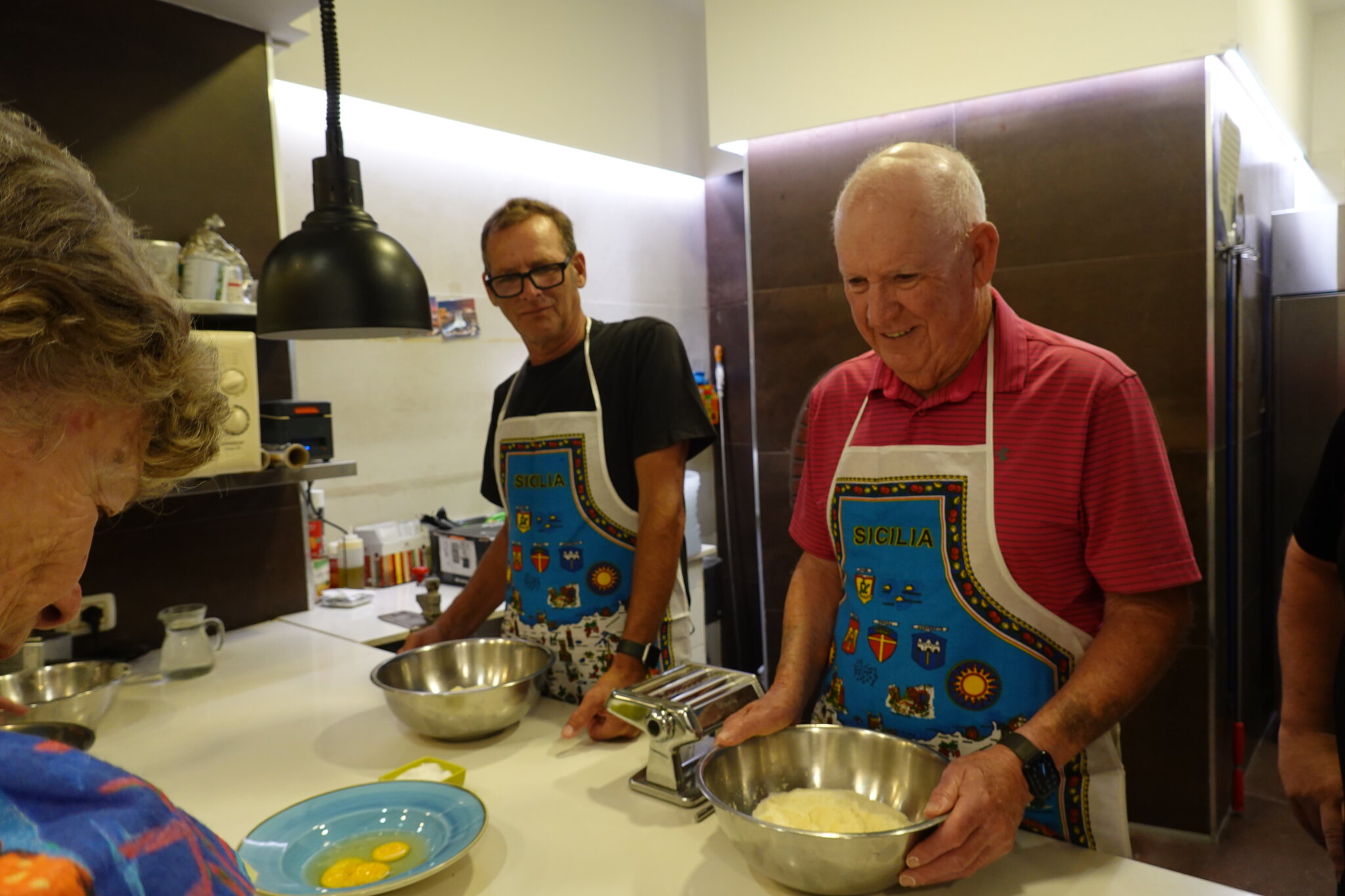
September 29, 2026 CastelBuono, Sicily

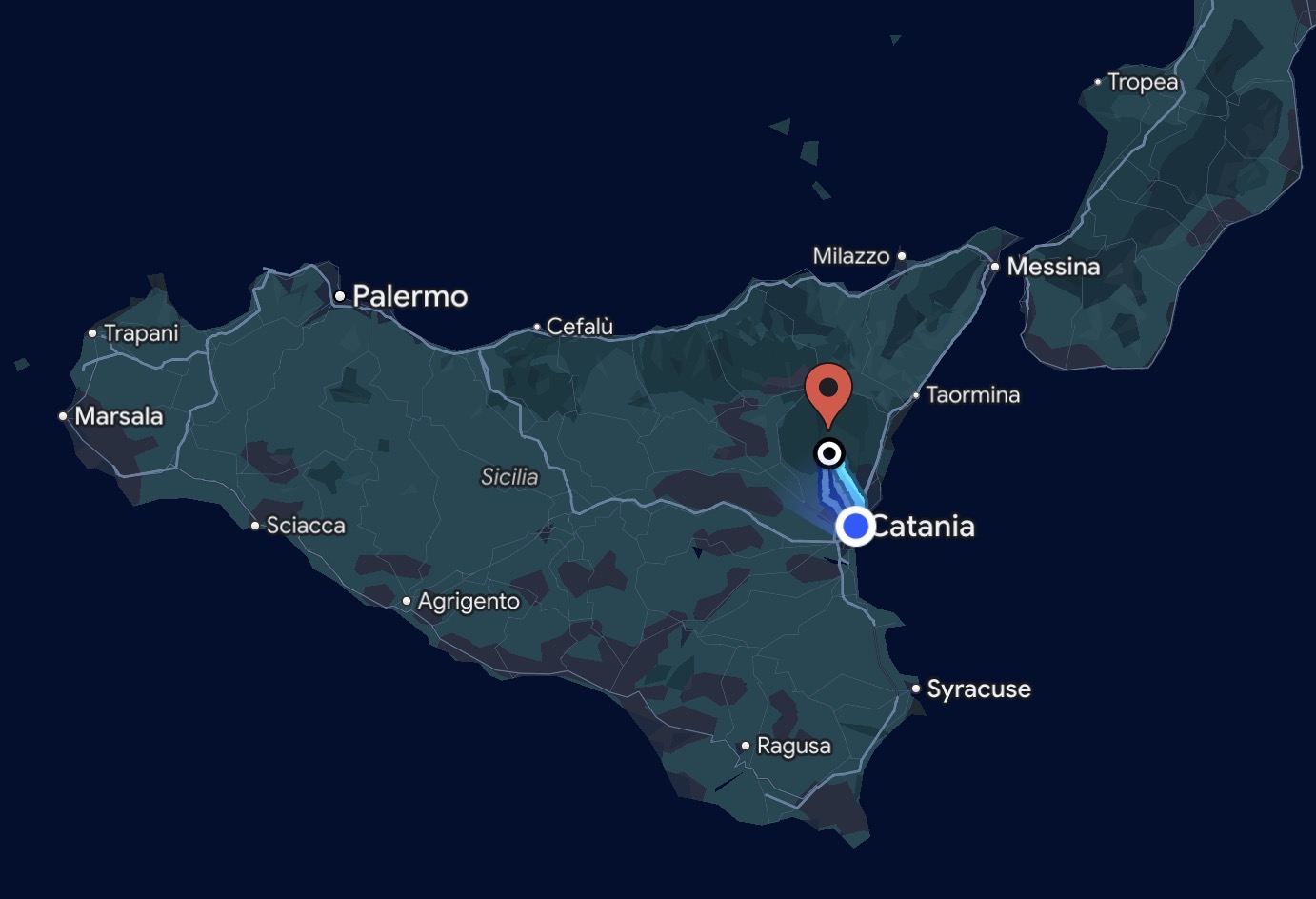
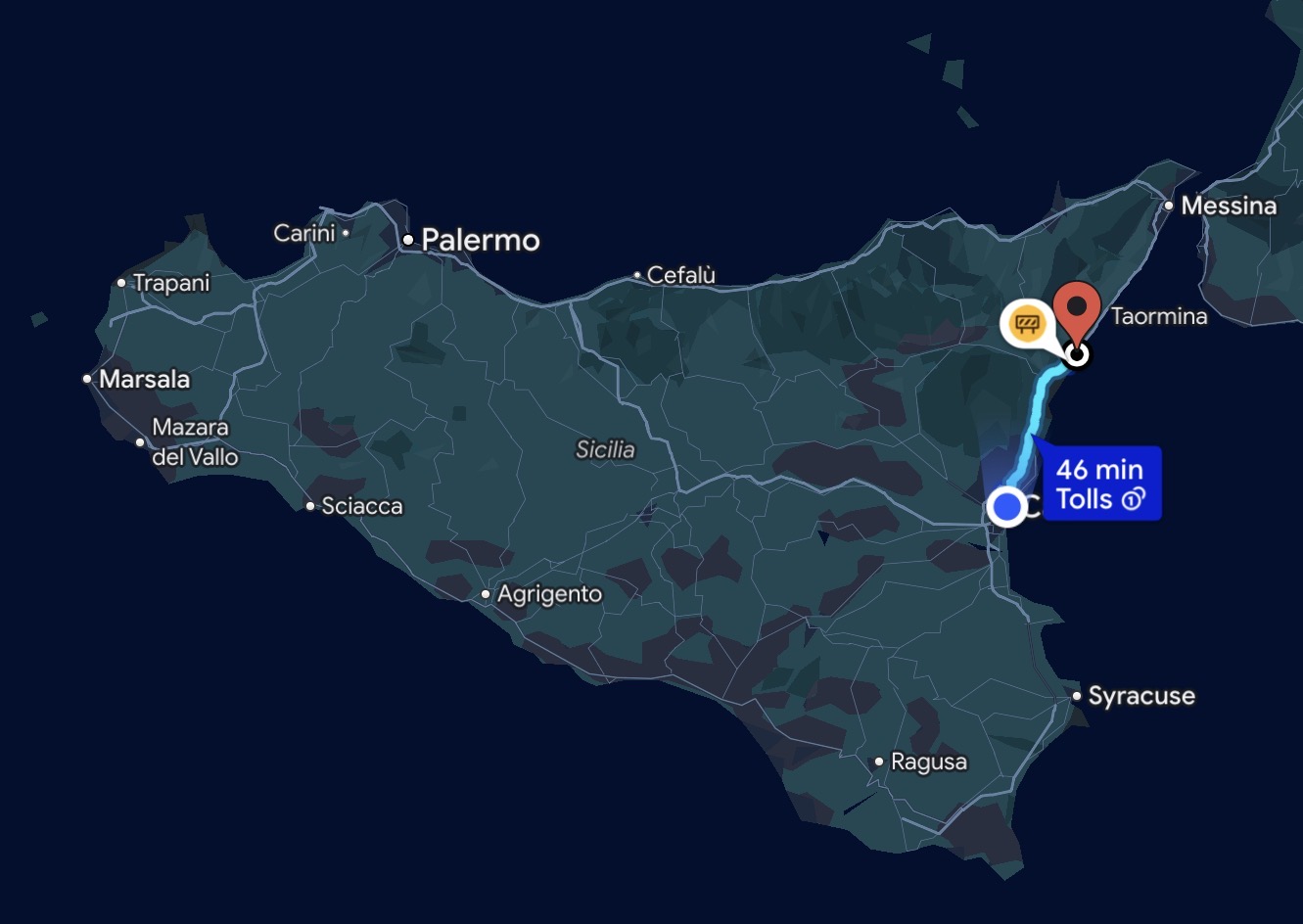
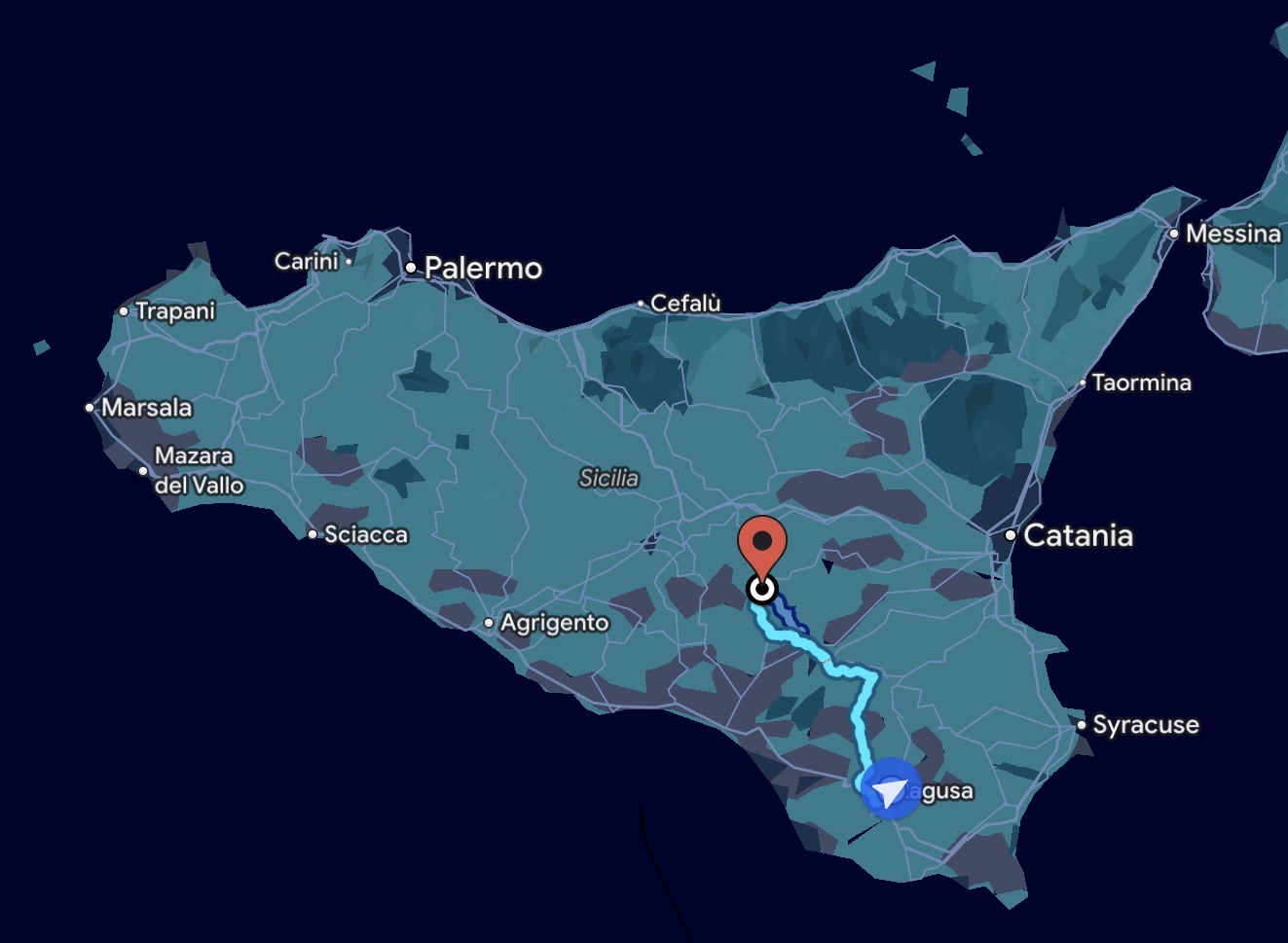
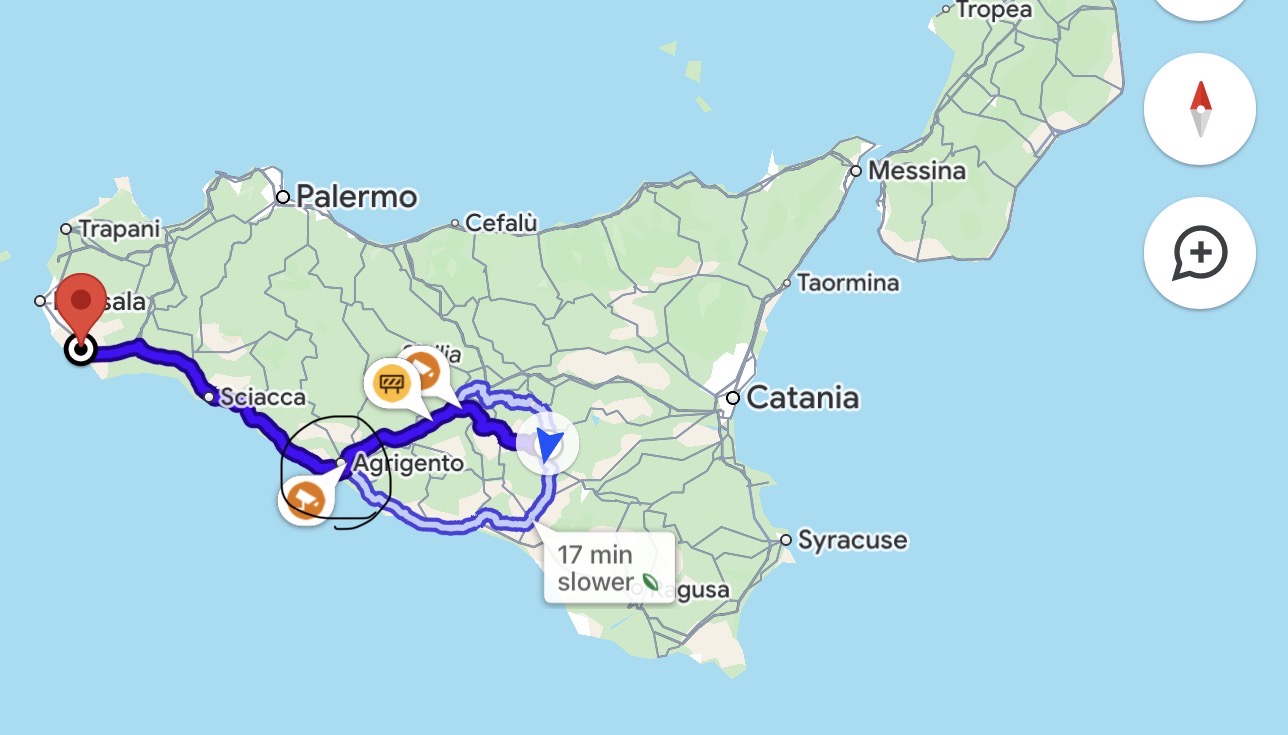
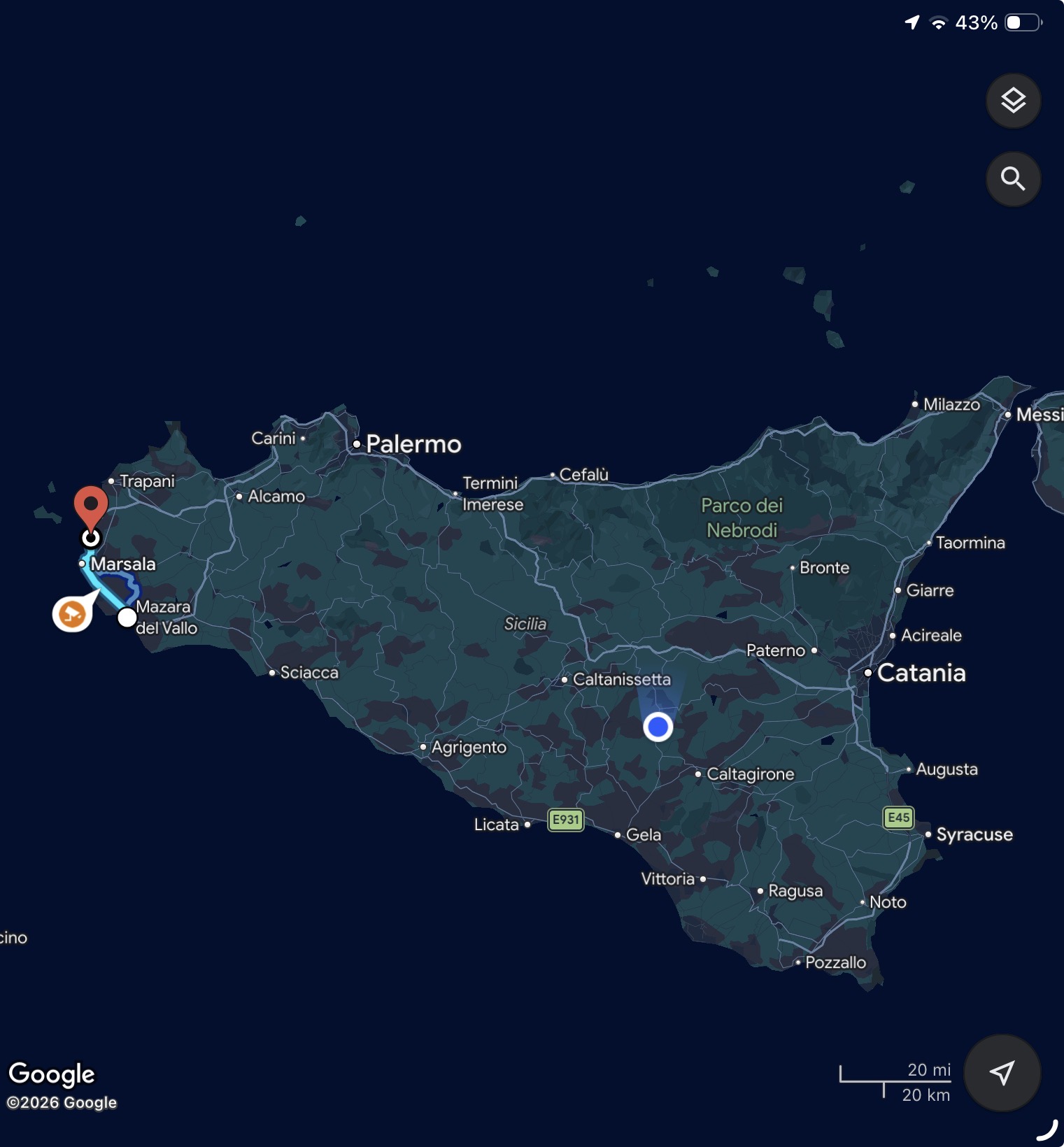
Today we went to Castelbuono, a small town of about 8,000 inhabitants in the Madonie Mountains. It was about a one-hour-and-40-minute drive from Palermo. The first half of the drive was along the coast, with lots of tunnels along the way.

During the drive, our guide told us about Sicily’s plans for the future. He said the long-term goal is for Sicily to make much greater use of its abundant sunshine and become a major source of solar energy for southern Europe by 2040. With all the sunshine we’ve been having, I can certainly see why they think solar power makes sense here! He also told us that Sicily has been moving away from its dependence on Russian oil, although that change has come with higher electricity costs. It was an interesting reminder that even something as simple as sunshine can become an important part of a region’s future.
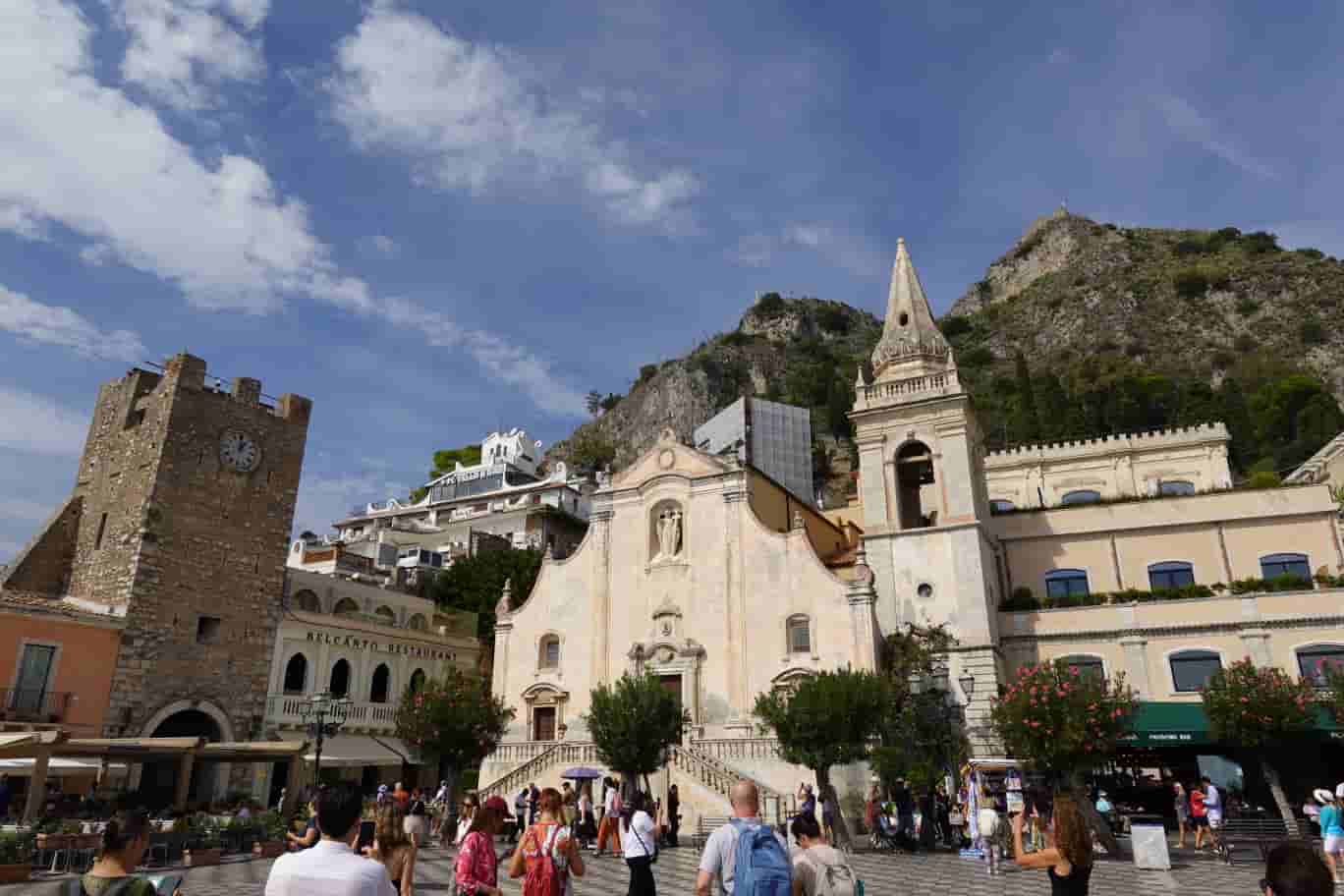
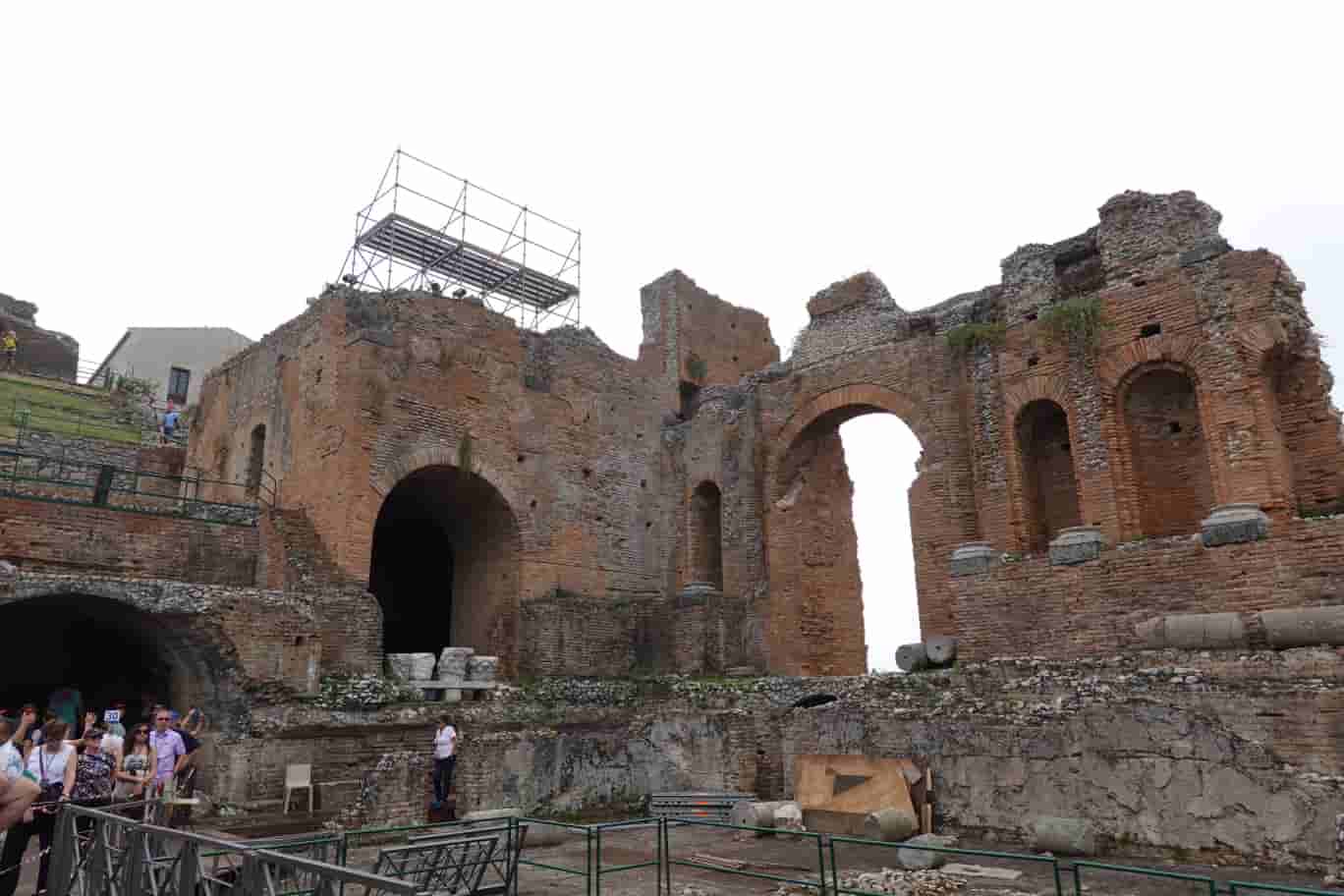
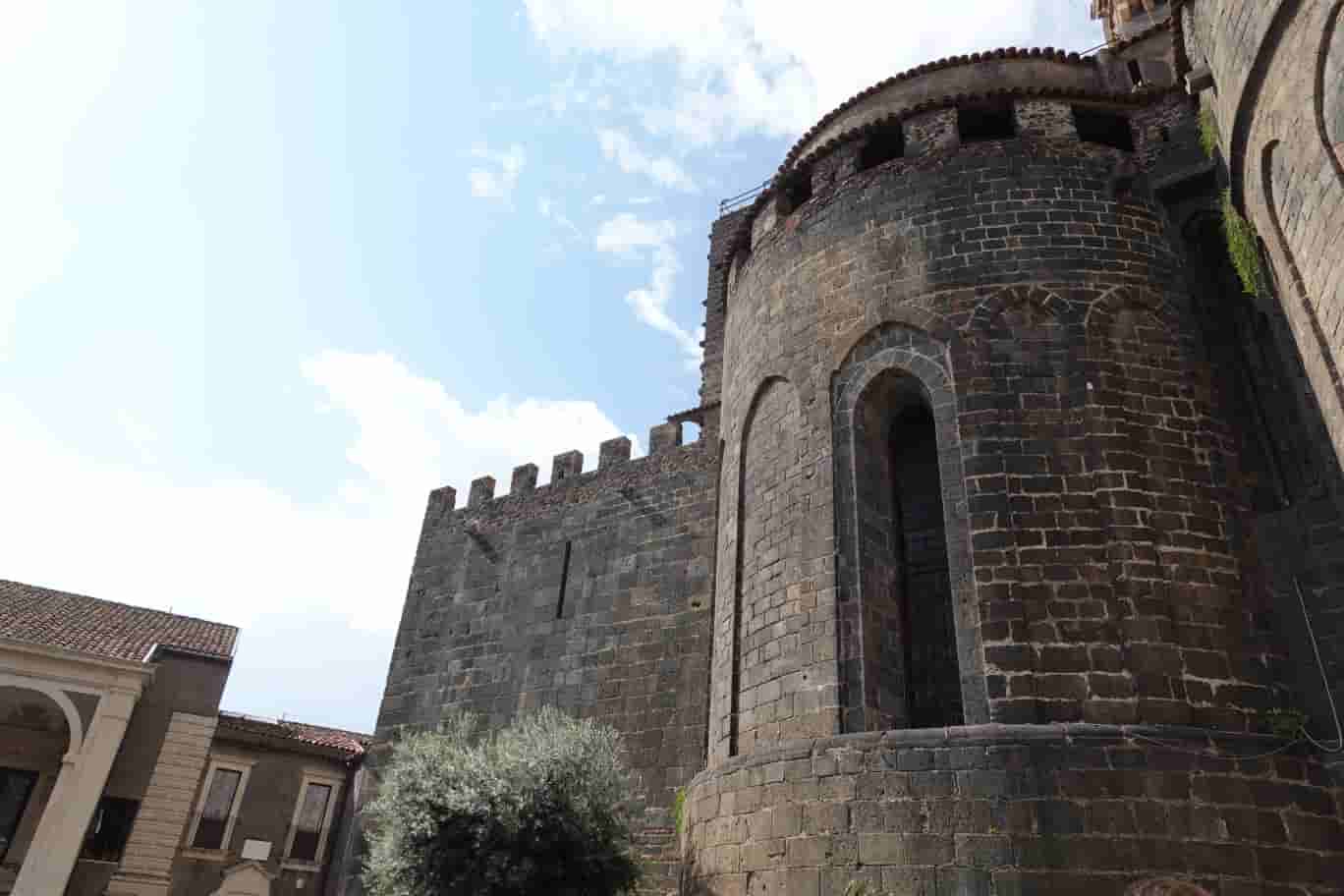
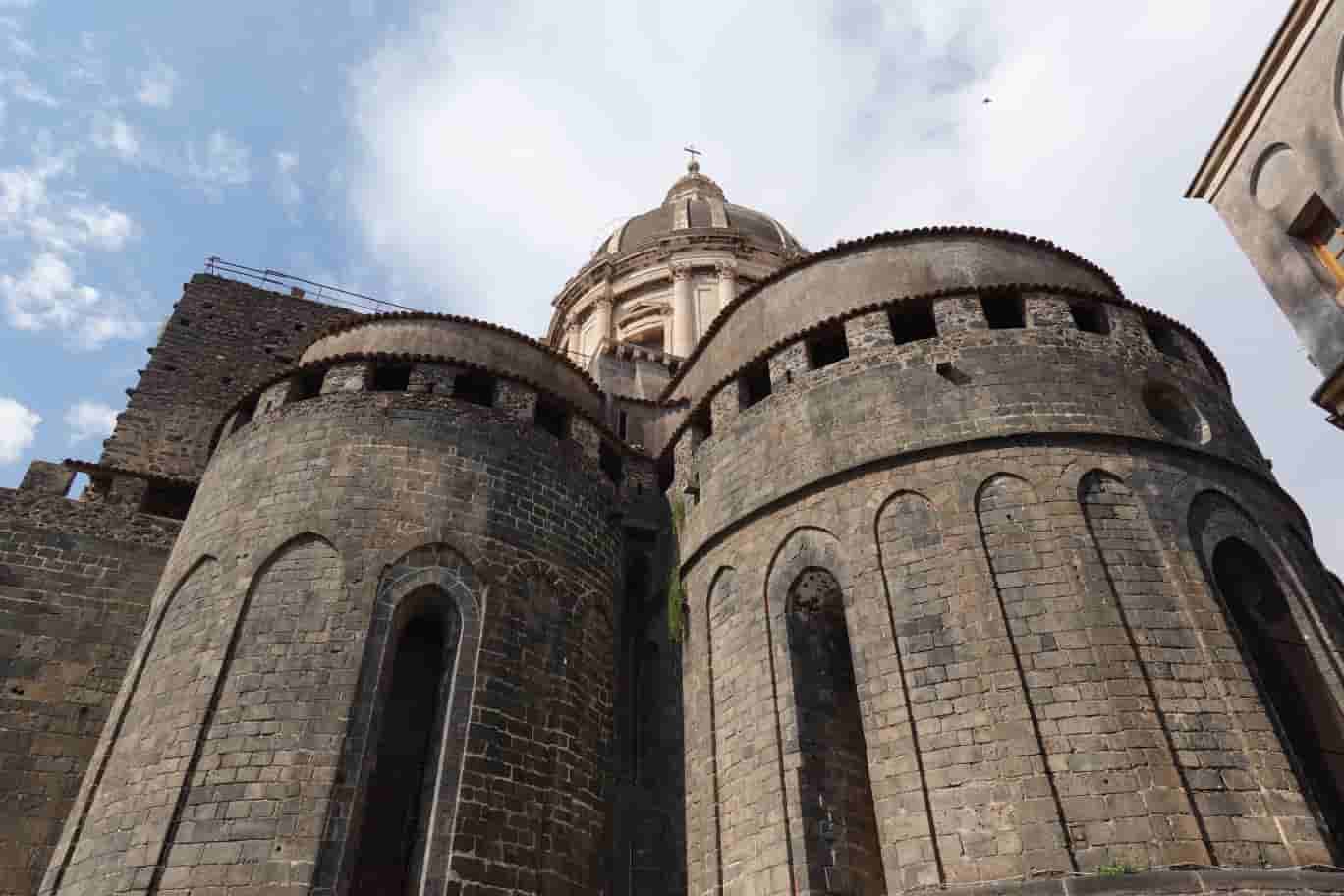
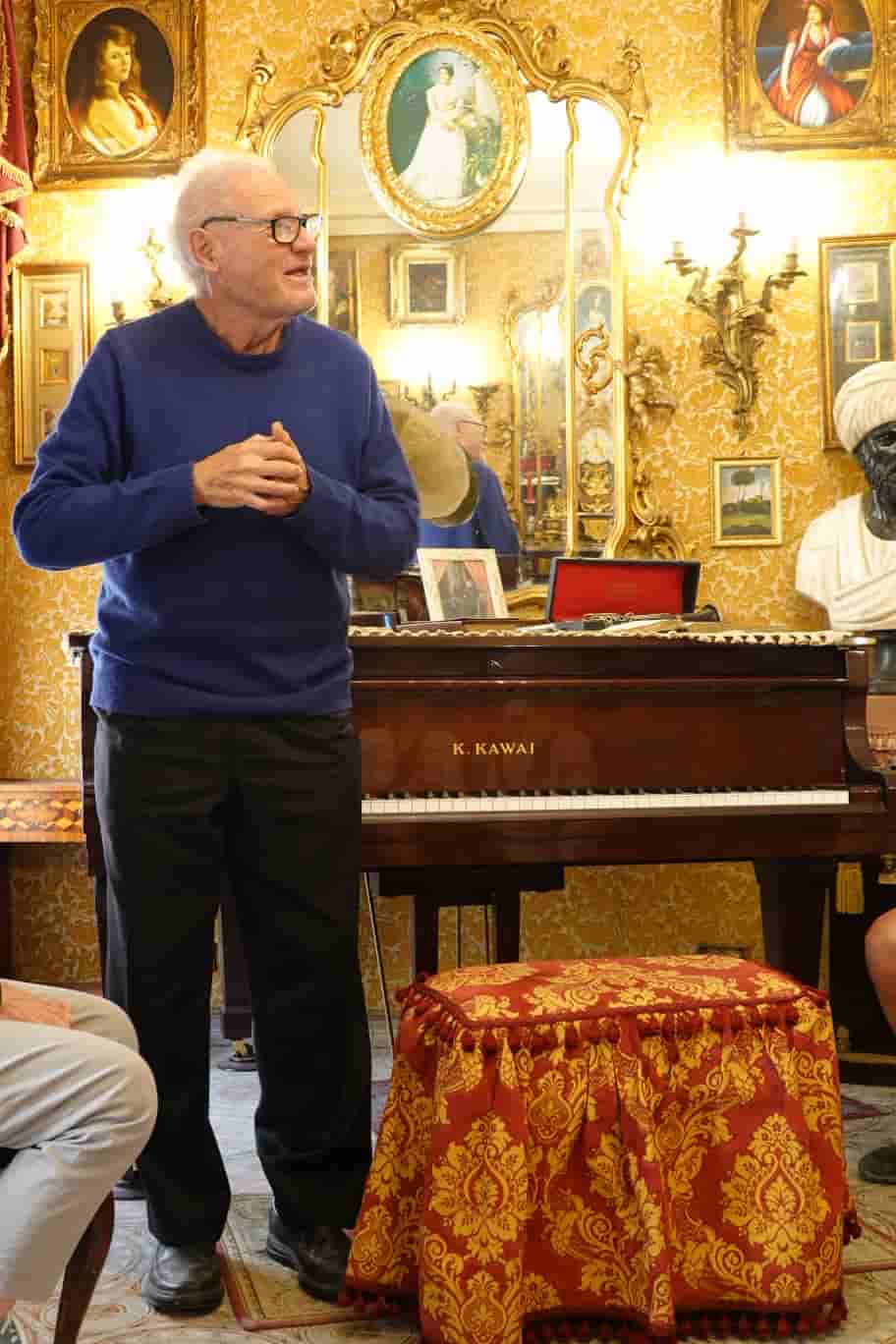
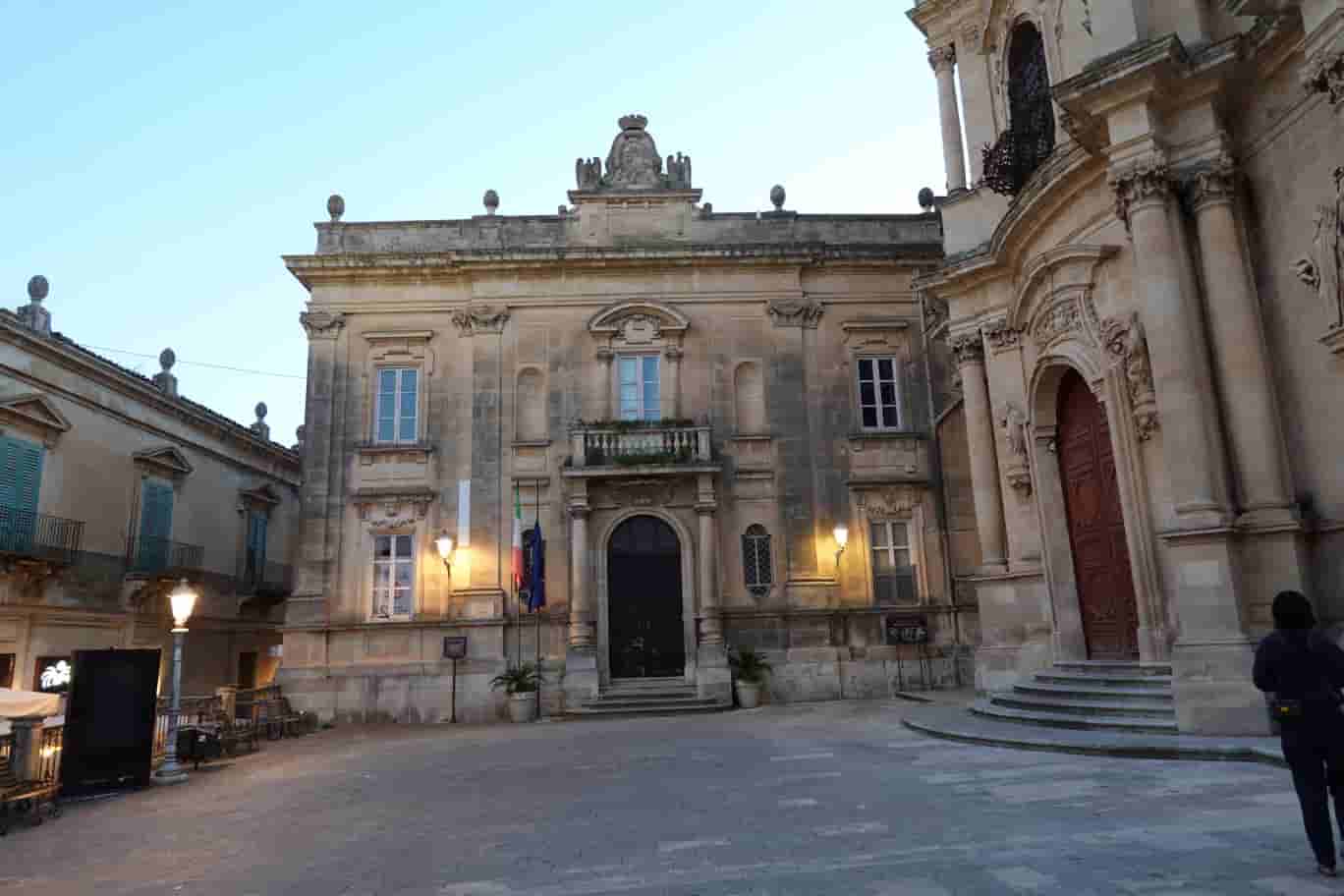
Castelbuono is more than 700 years old and was built around the Castello dei Ventimiglia, on the site of an older Byzantine farming community. The castle was our first stop. It has a very ornate Baroque Palatine Chapel that houses a relic—the skull of St. Anne, the mother of Mary. I learned that a palatine chapel is a private chapel associated with a castle or palace and the Vatican does not have administrative authority over it.

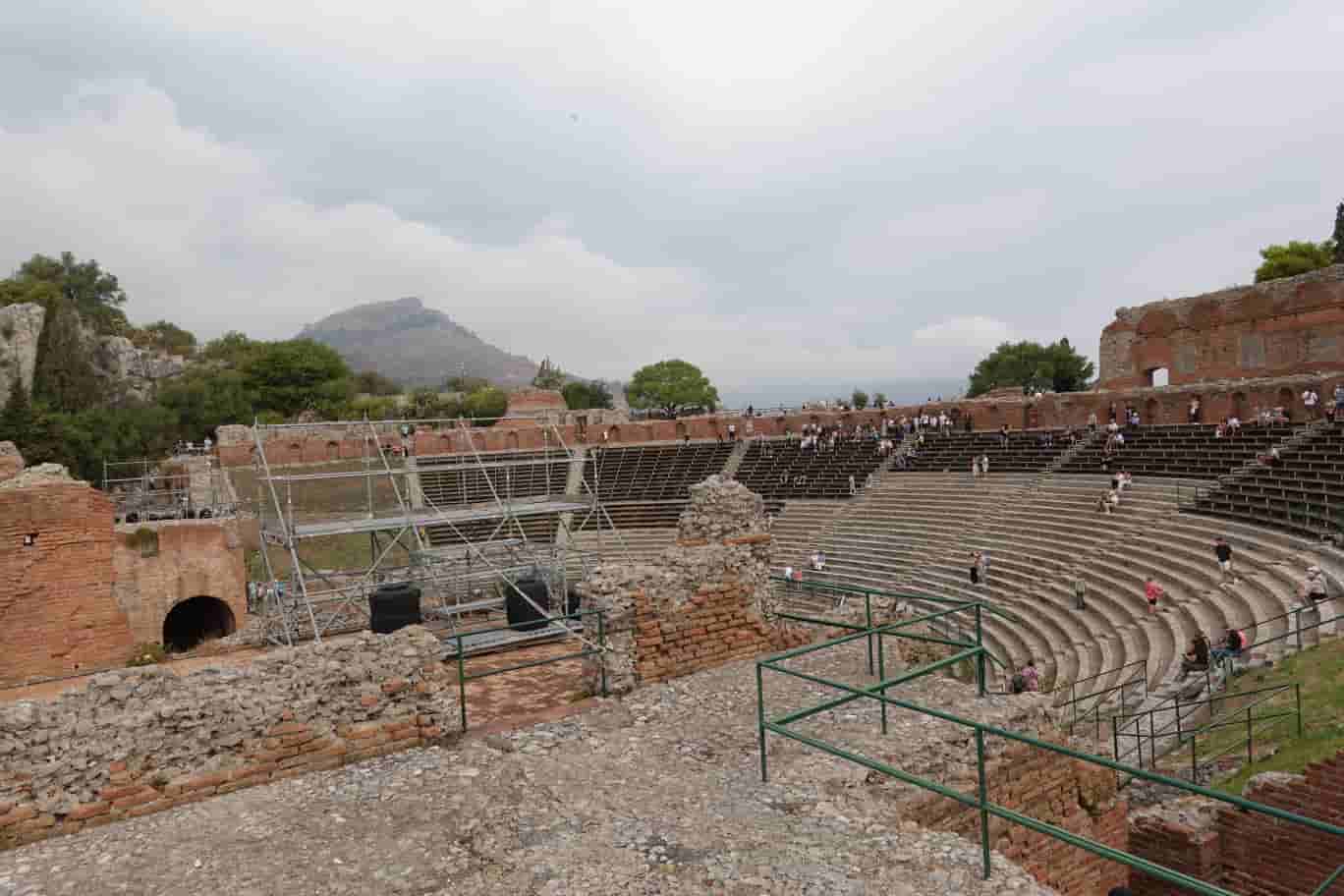
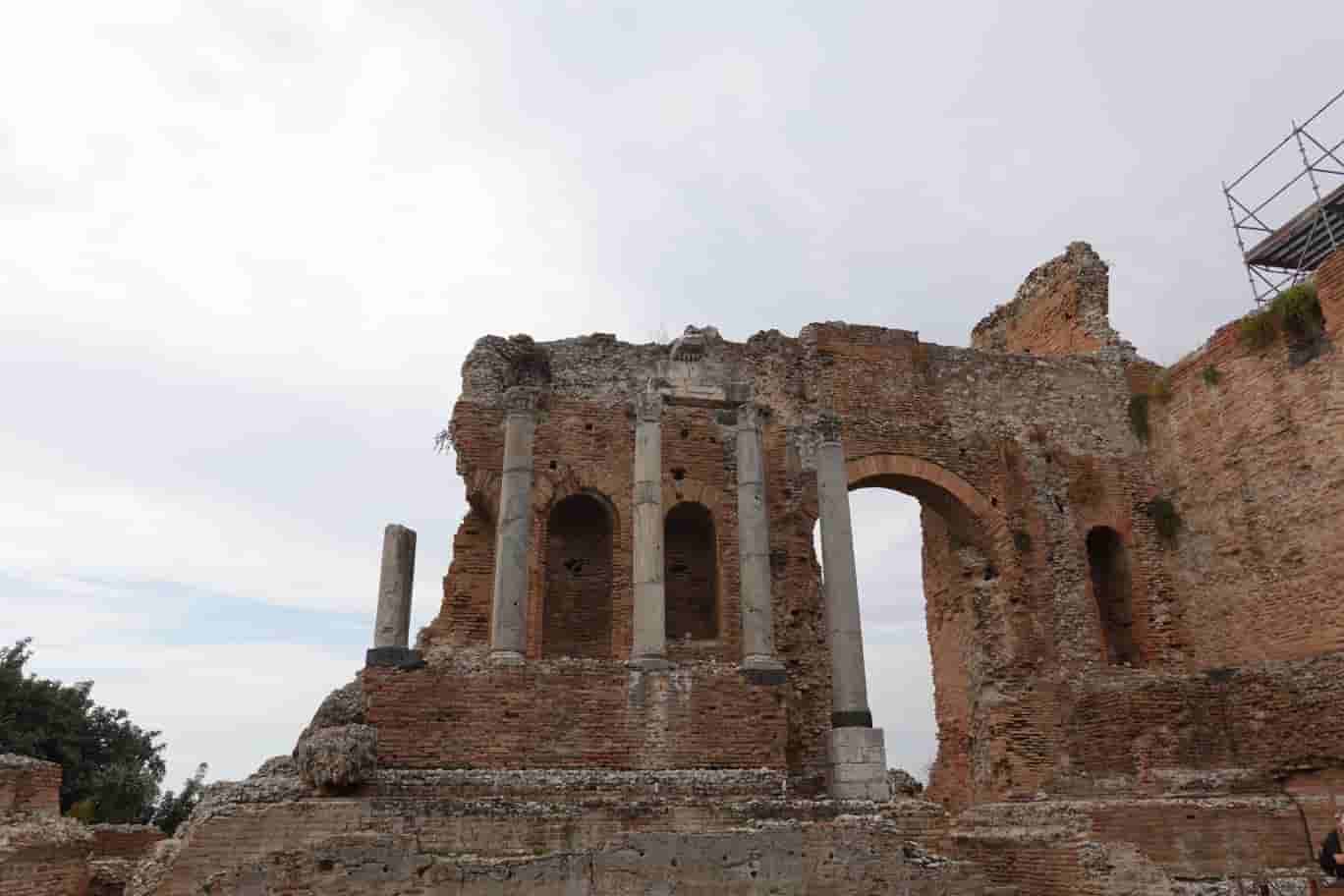
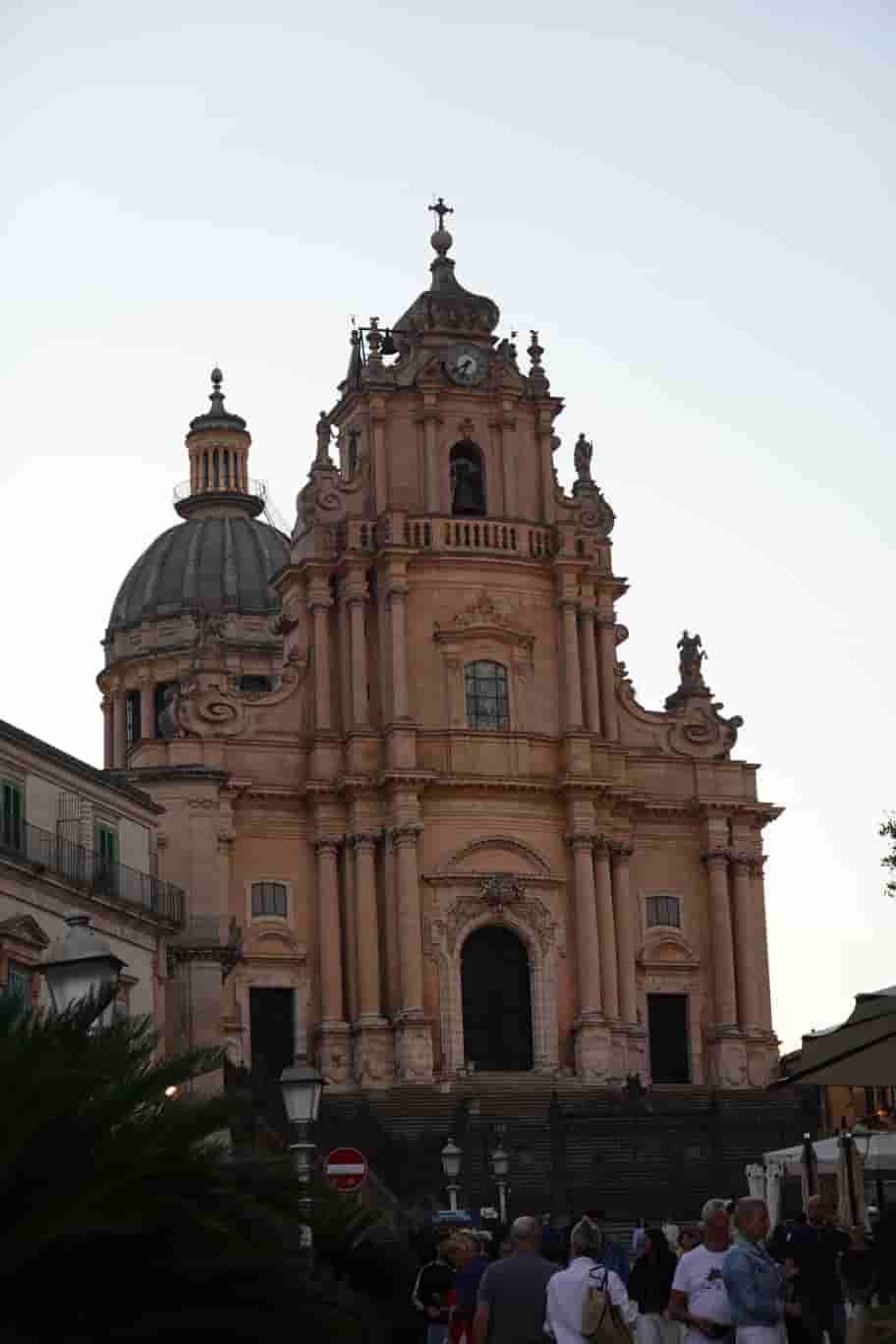
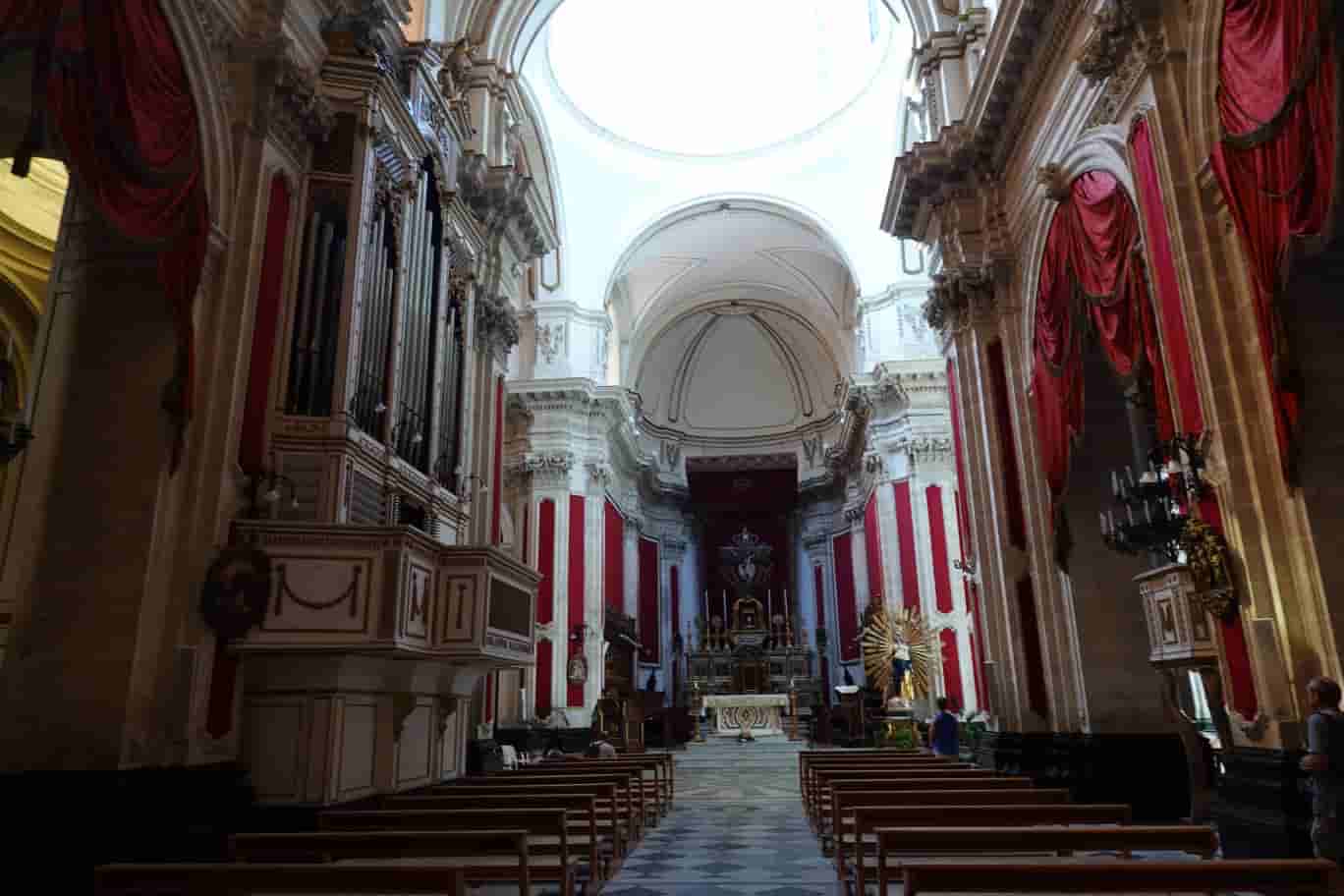
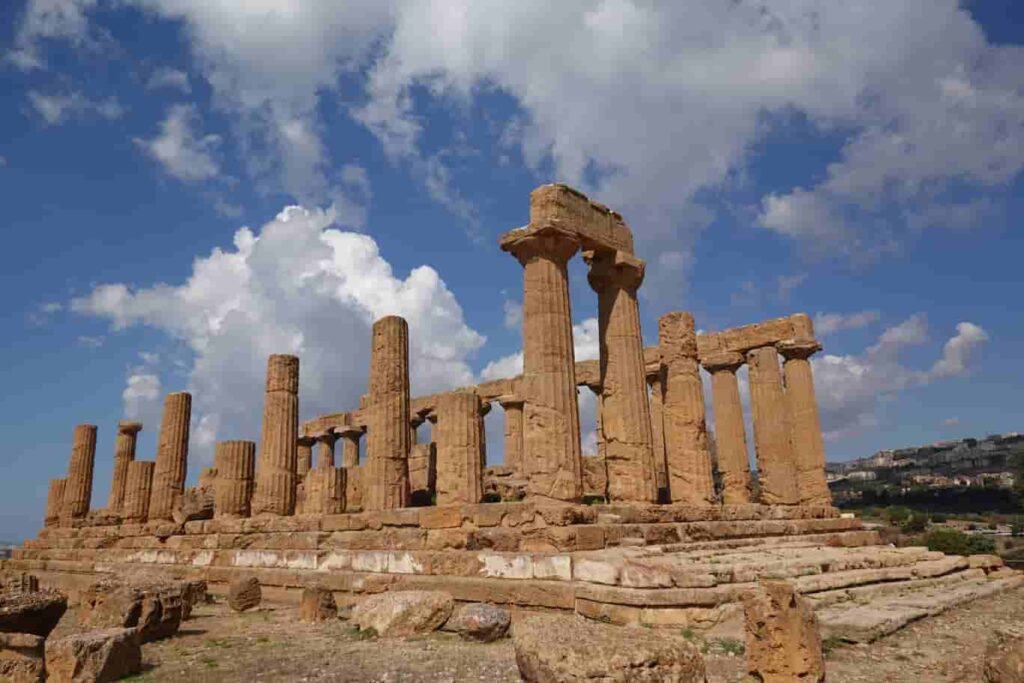
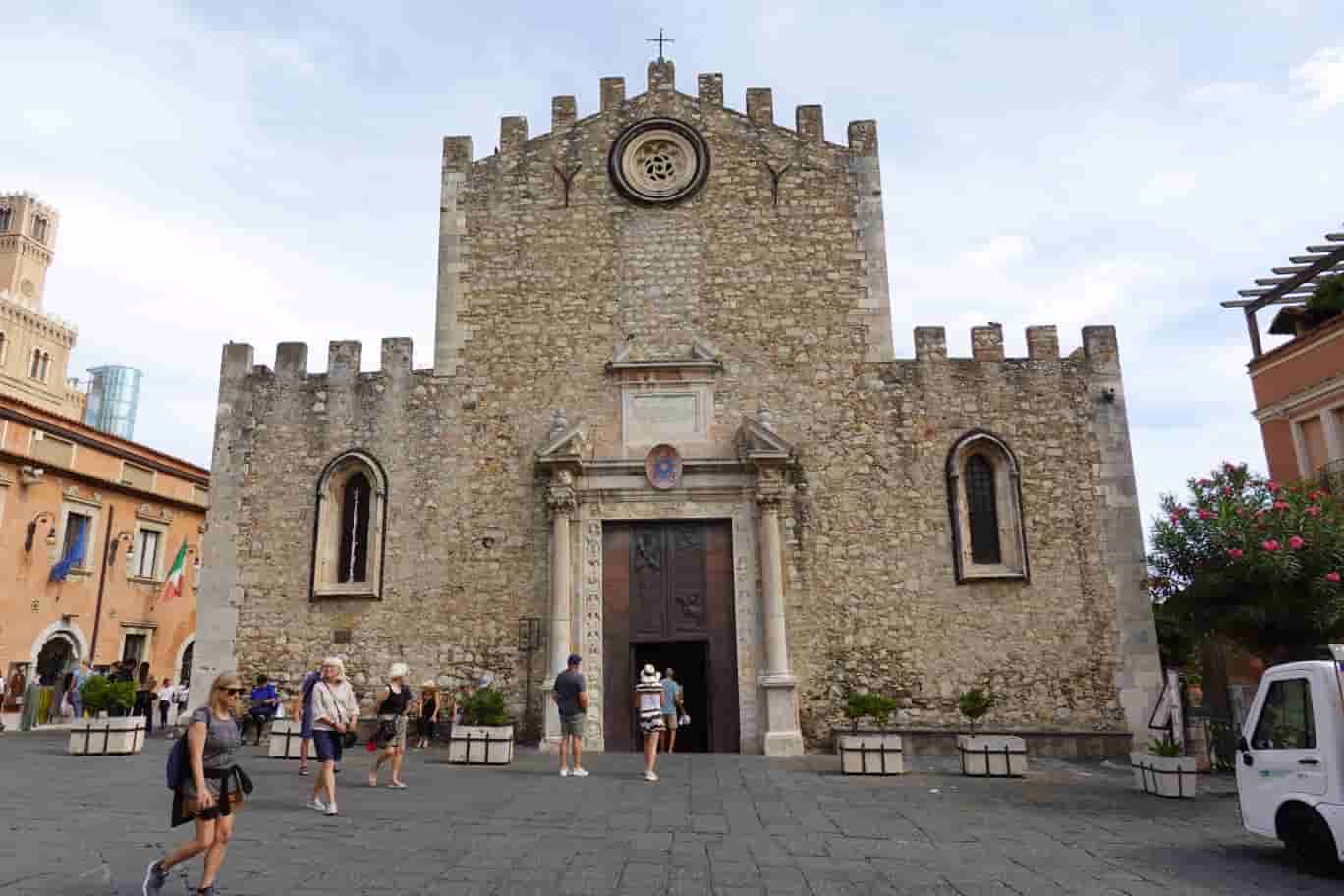
Here are some pictures of the castle and chapel. Quite a contrast between the inside and the outside!
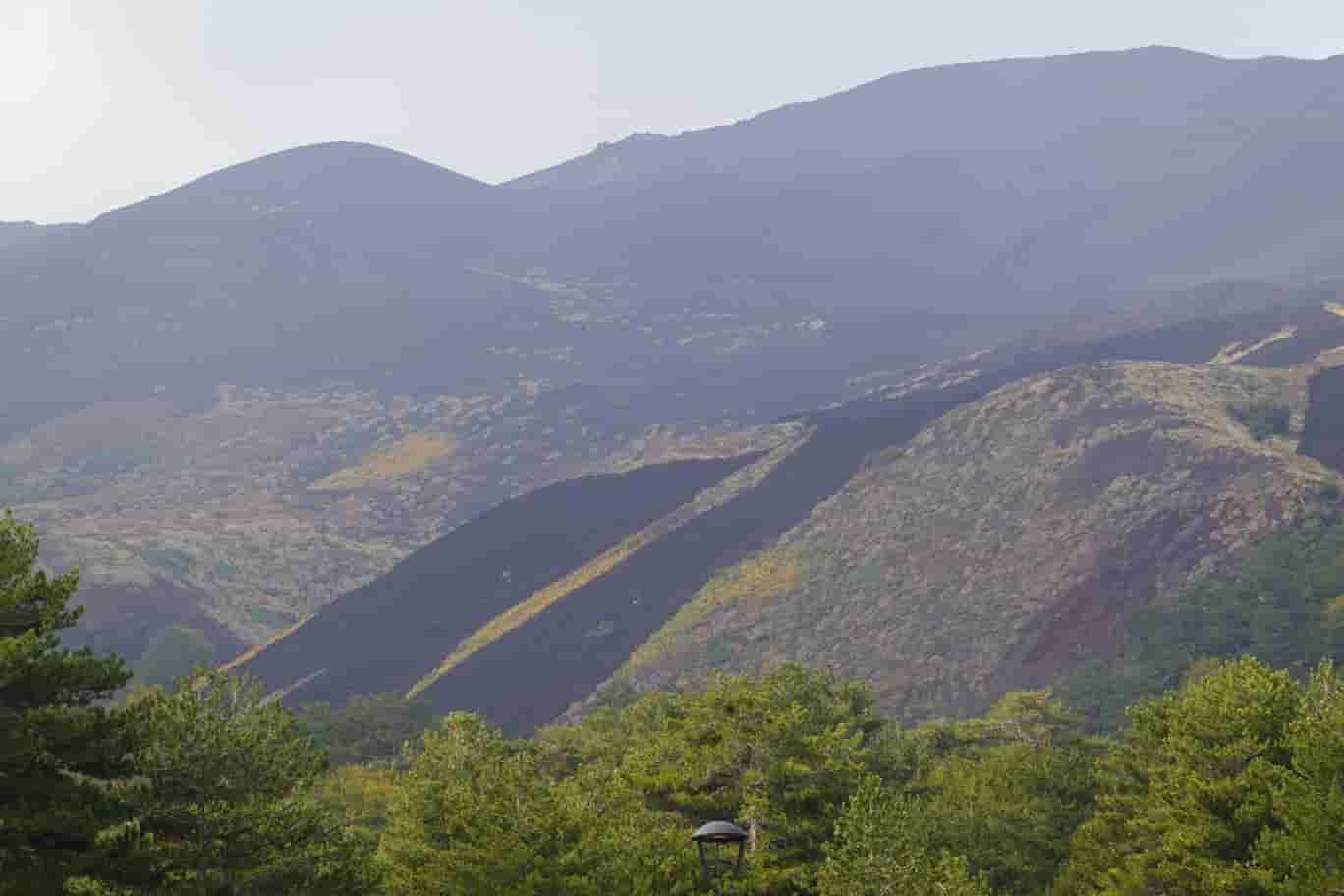
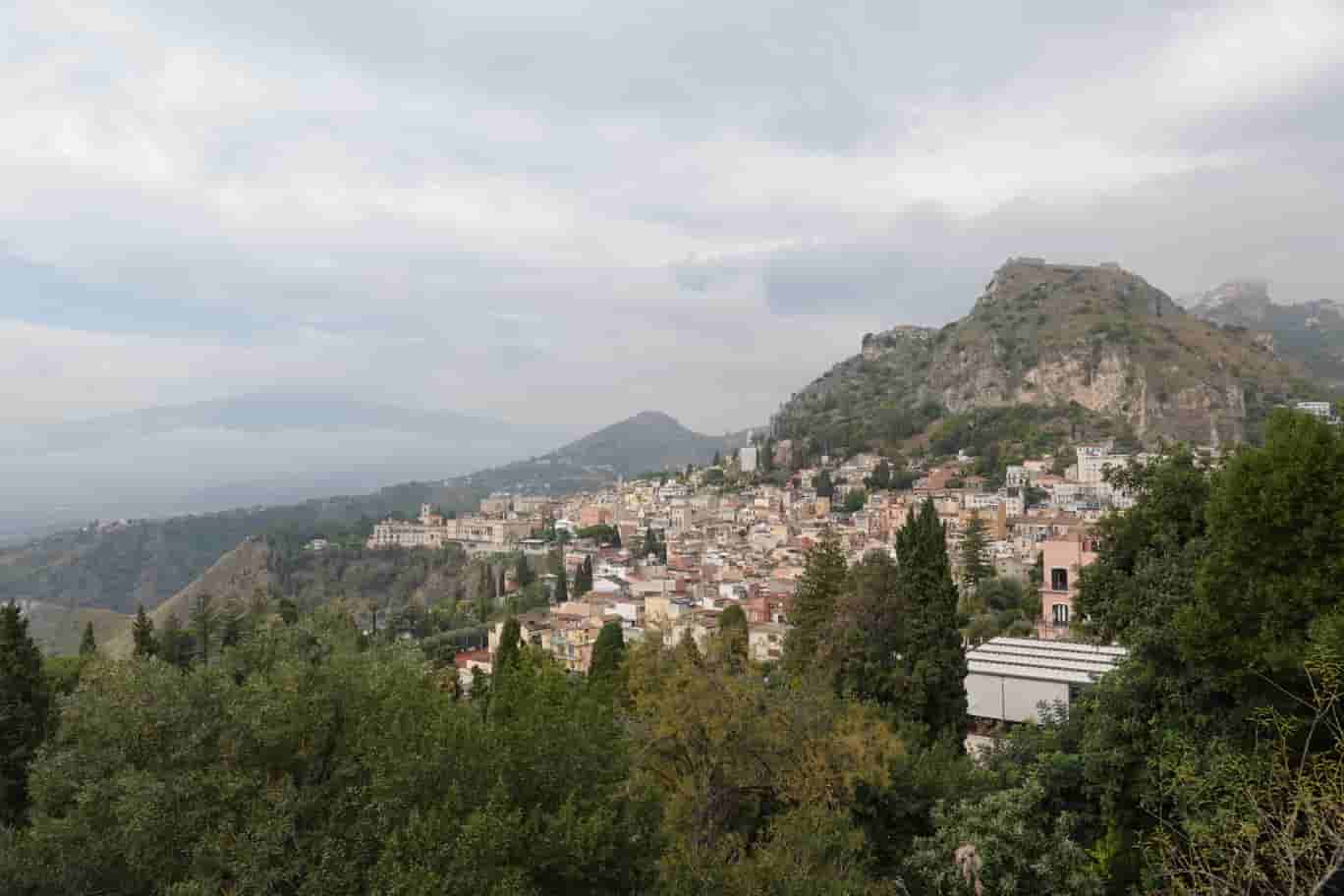
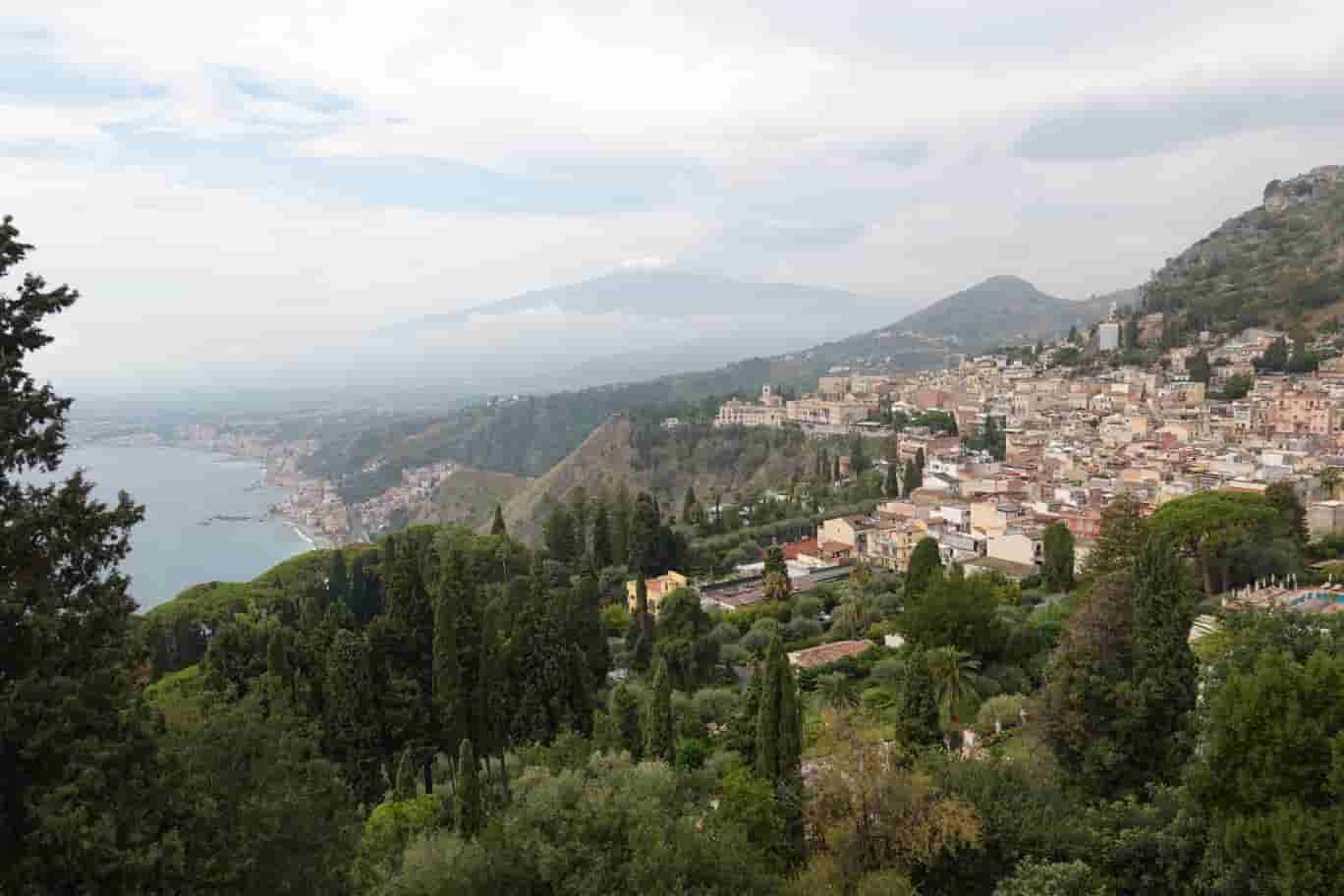
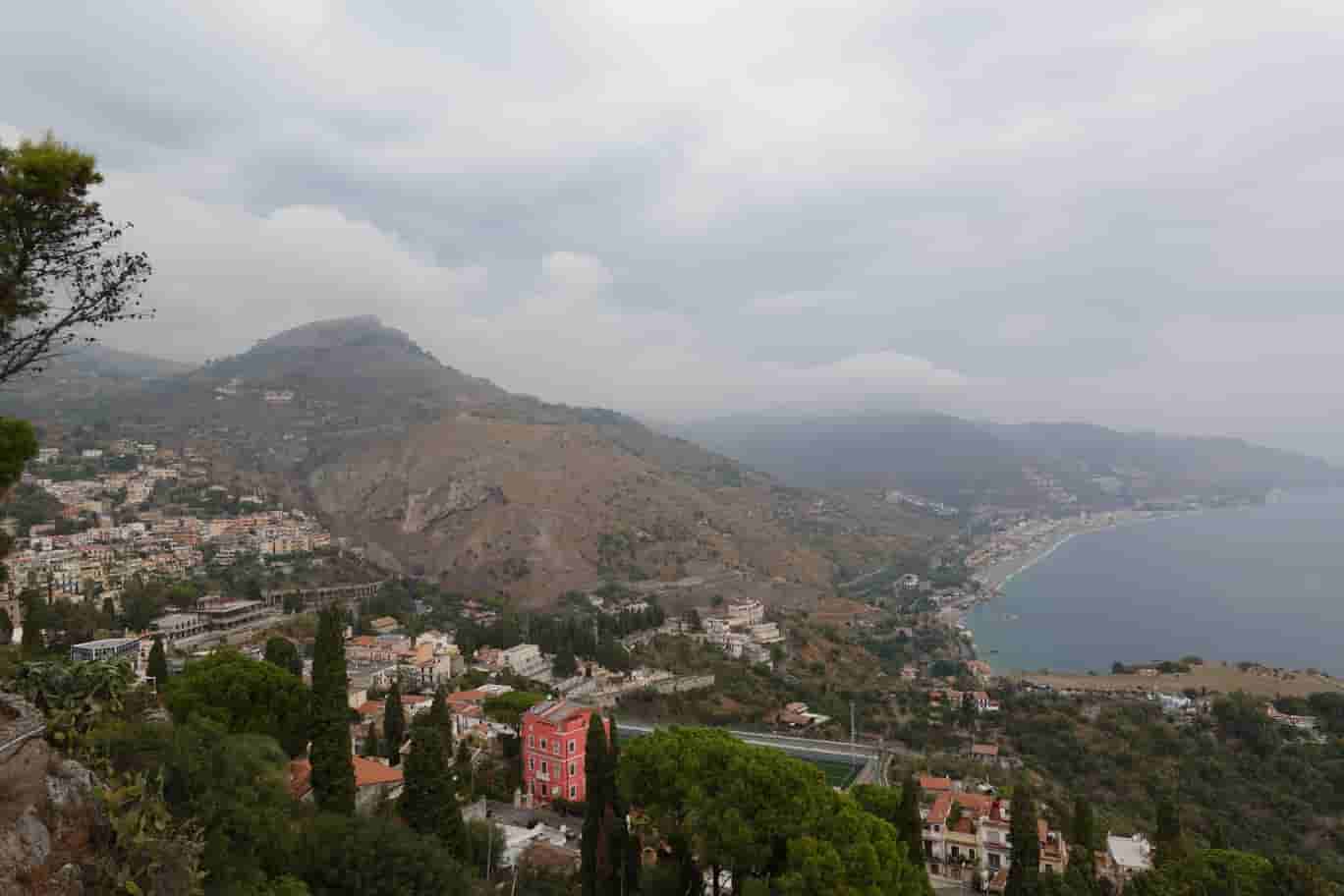
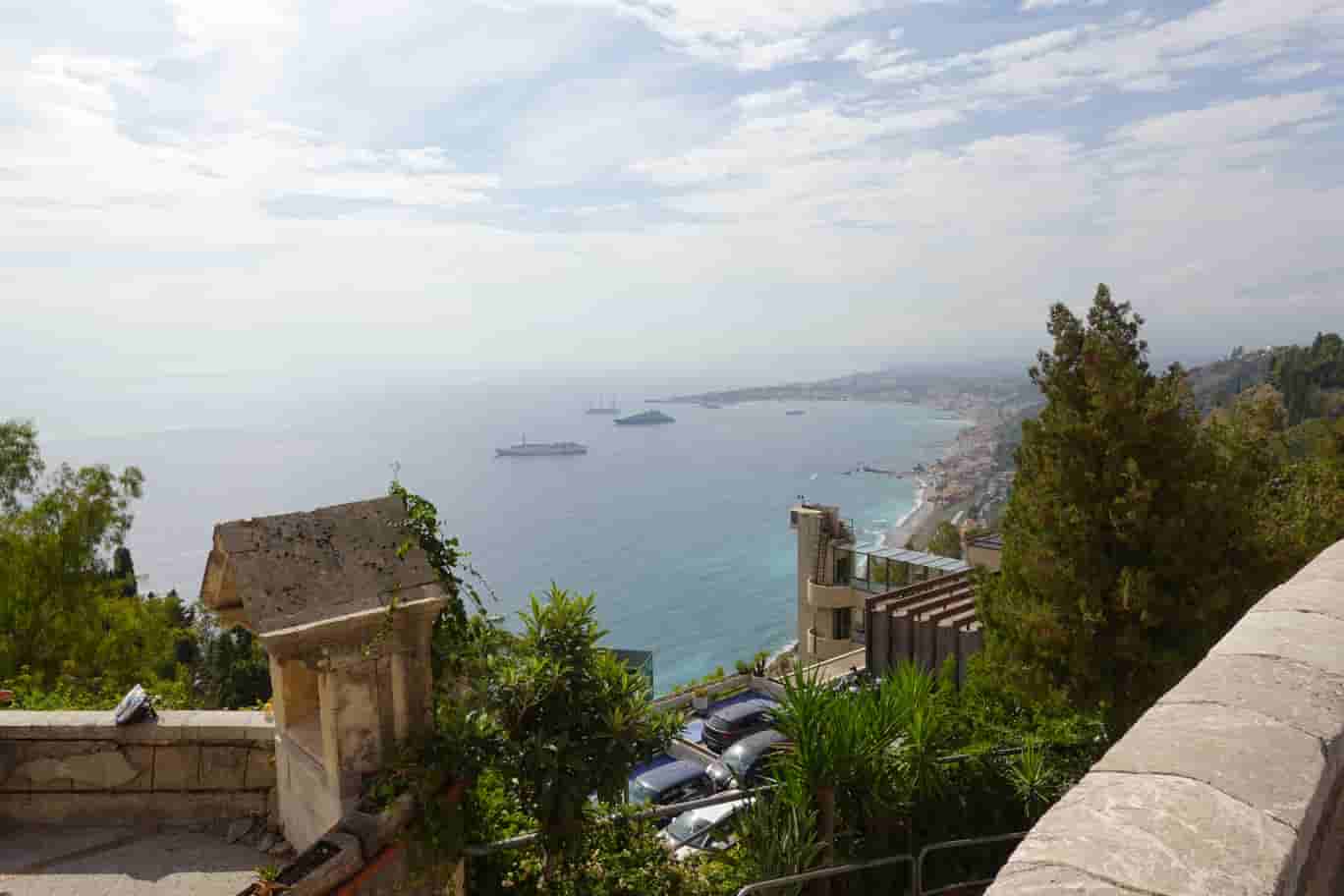
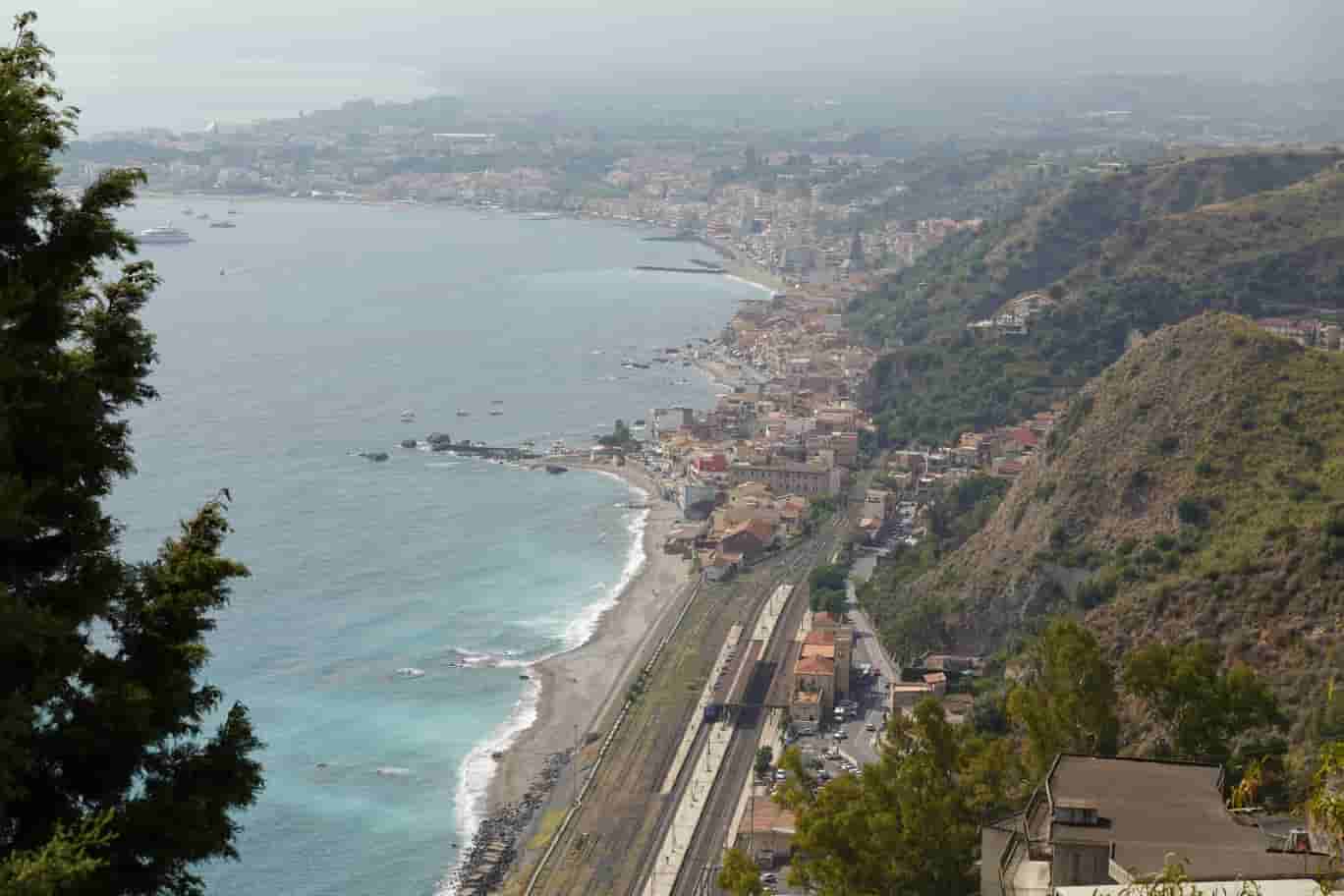
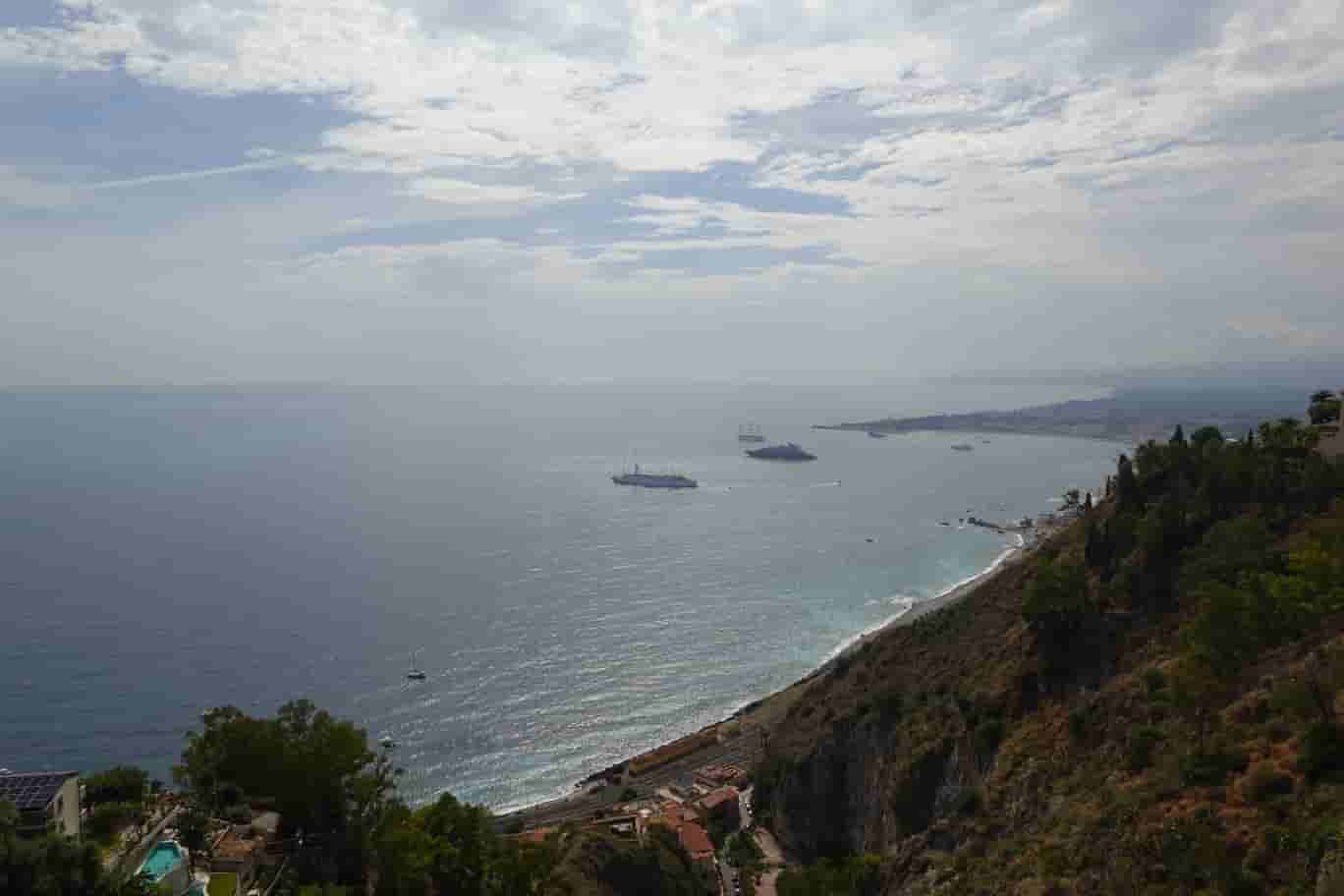
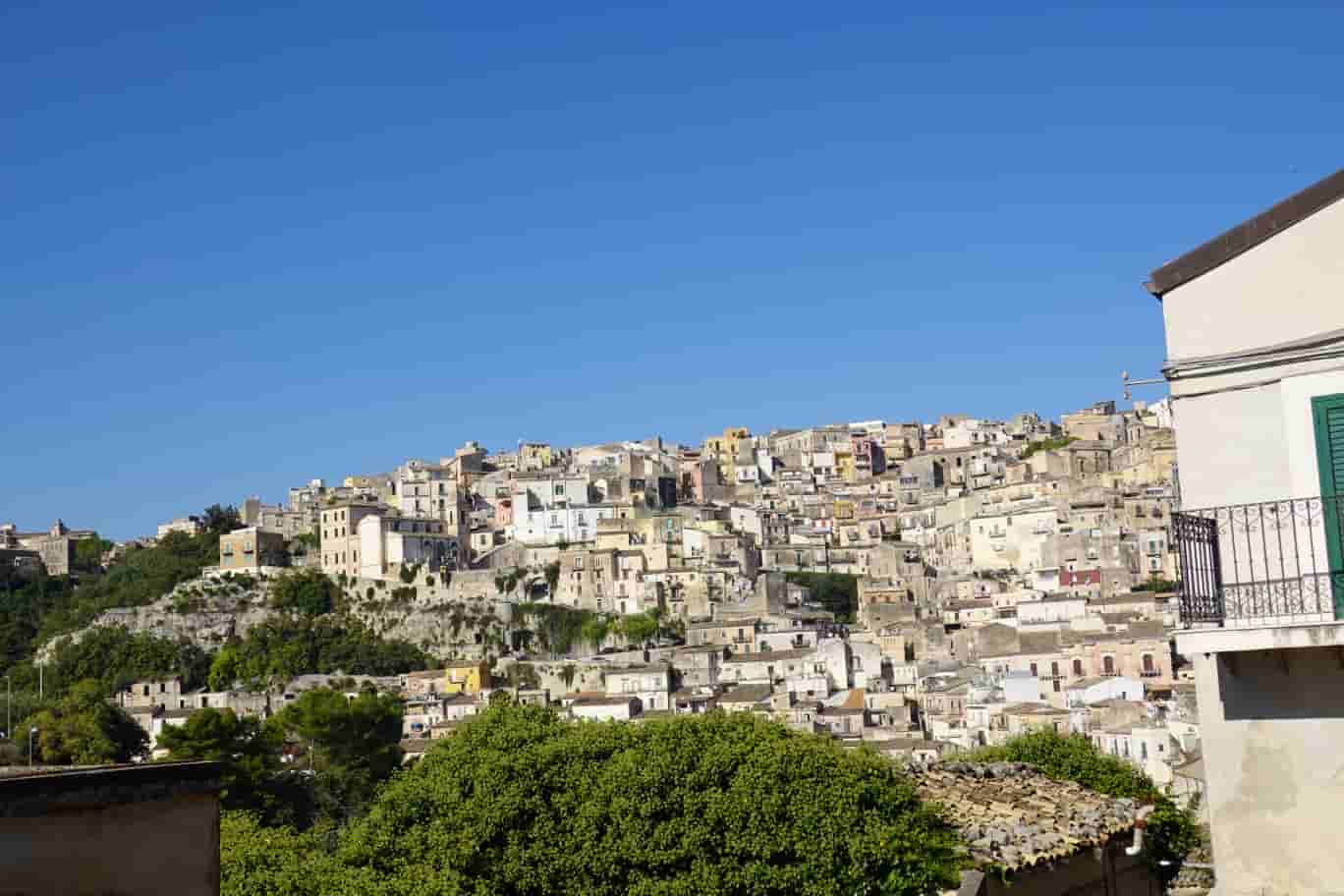
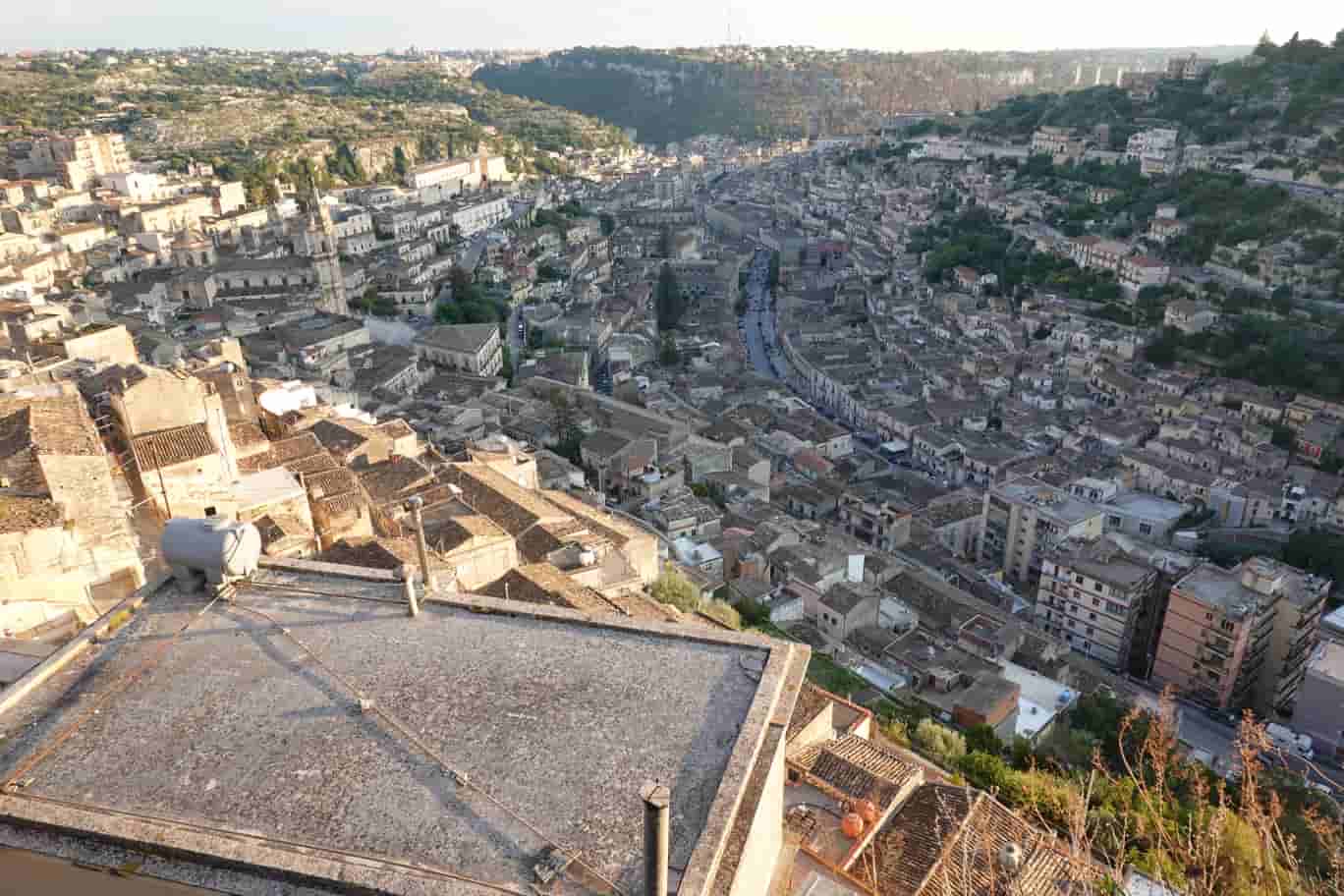
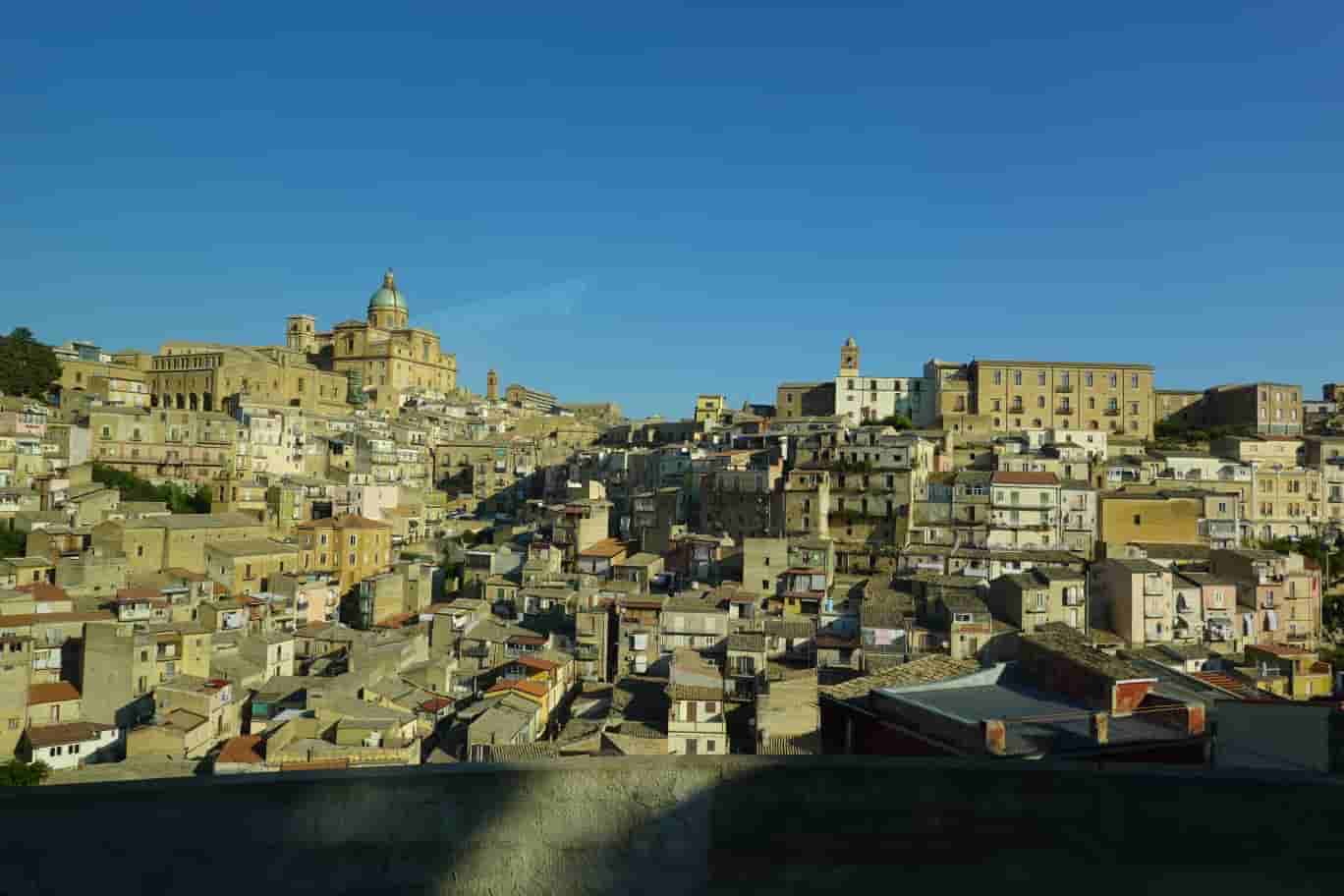
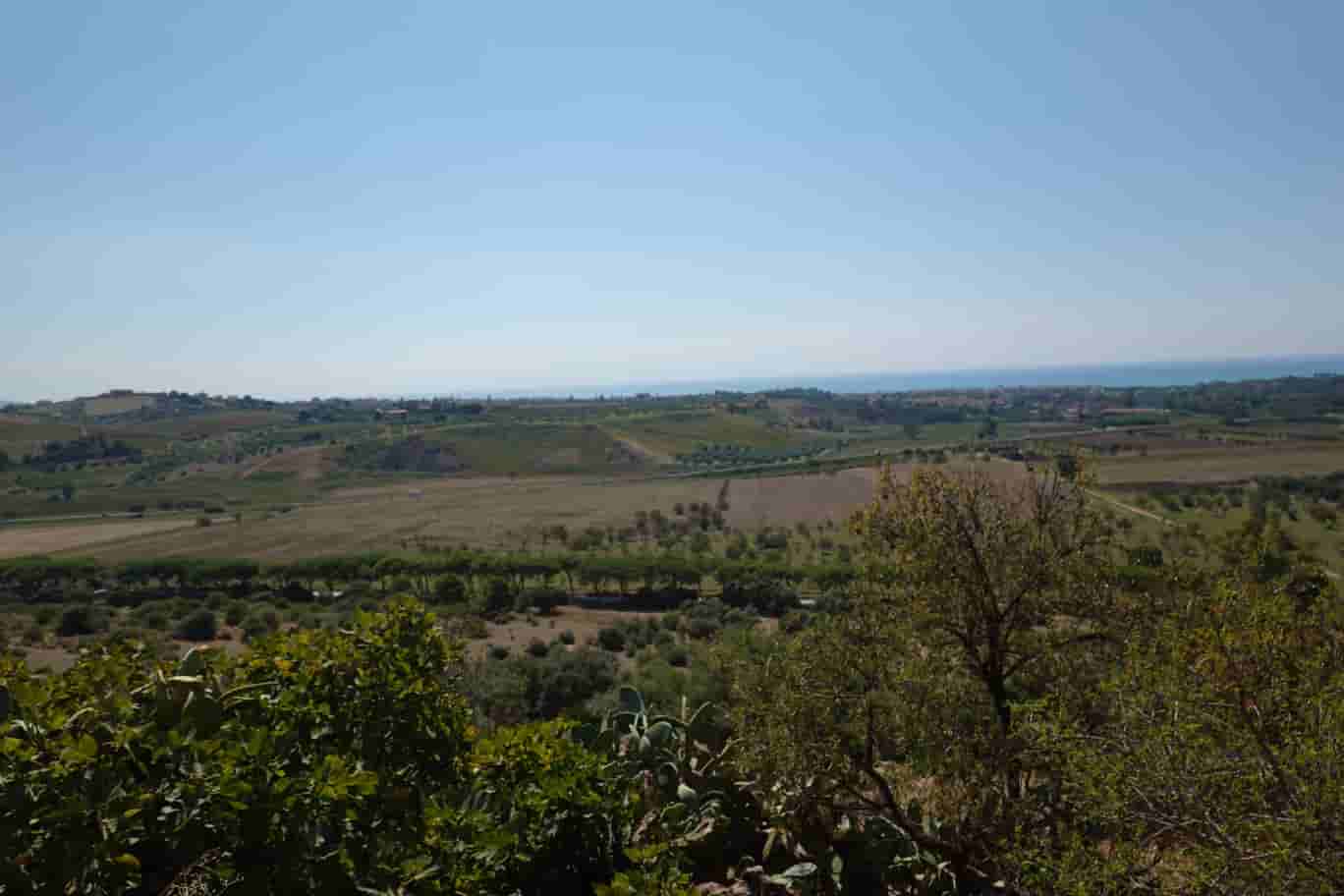
The castle sits at the top of the hill, so we also had a great view of the surrounding area.

The town has a very creative and ambitious mayor. He would like Castelbuono to become a UNESCO World Heritage Site, although I think that would be a shame because it could change some of what makes the town so charming.

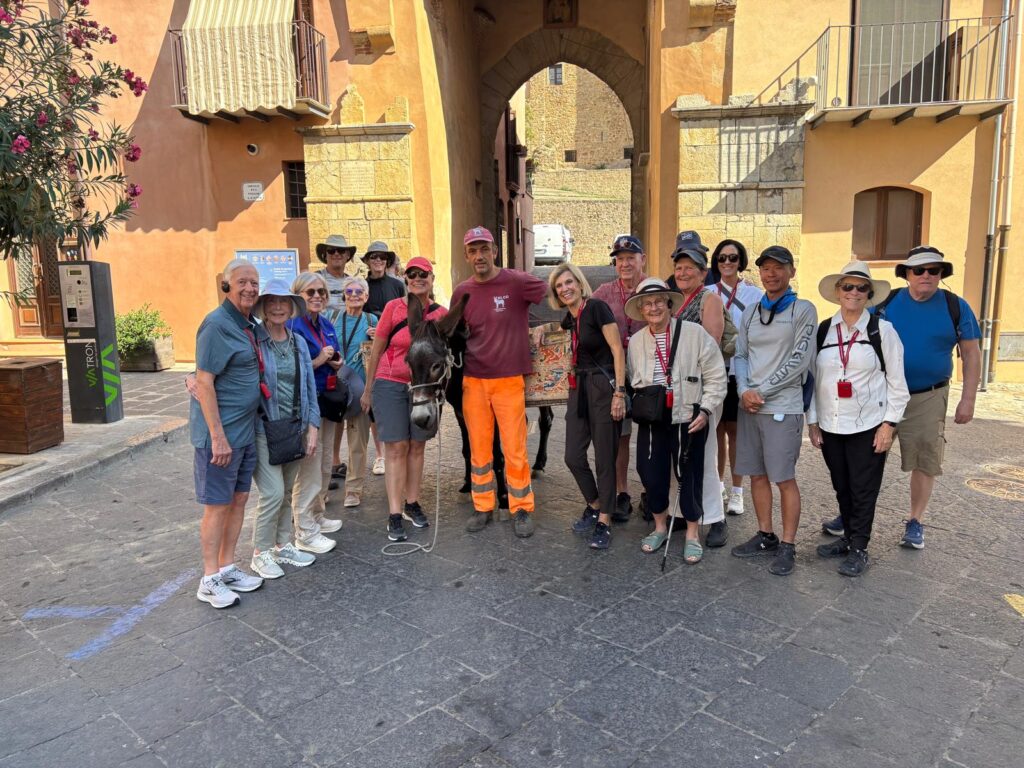
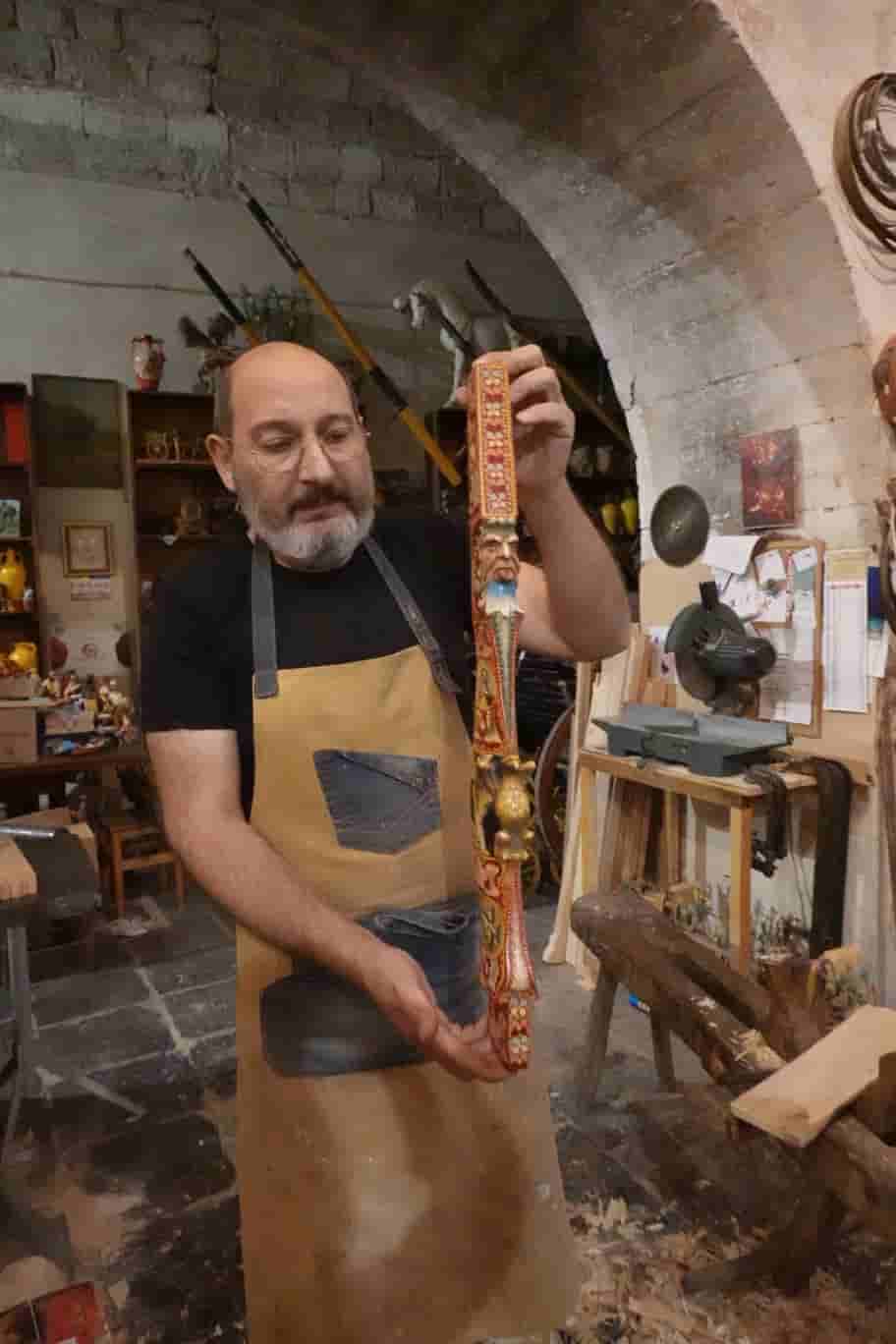
One of his more creative ideas is using donkeys for trash collection. The streets are very narrow and winding, so they used to use a small truck to collect the trash. It was noisy and difficult to maneuver, so they came up with a much quieter solution: donkeys. They have six of them, each assigned to a different neighborhood. Every day, from 8:00 a.m. until noon, a donkey and her handler make their rounds collecting trash. Apparently, the male donkeys are too difficult to handle, so this is a job reserved for the females.

I have to admit, I never expected “donkey-powered garbage collection” to be one of the highlights of my trip to Sicily, but here we are. And the donkeys seem to take their municipal responsibilities very seriously. Here’s a picture of the donkey and her handler.

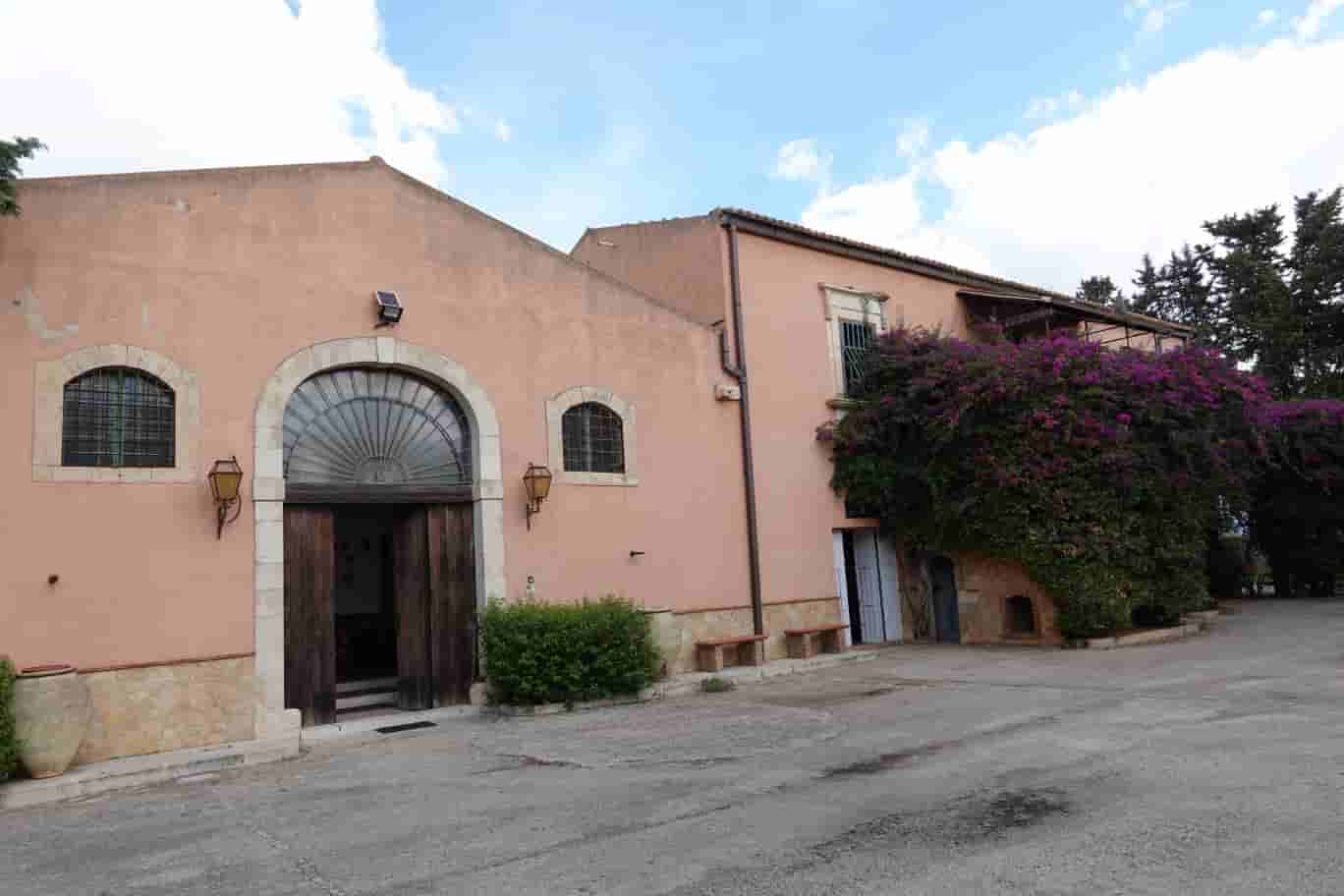
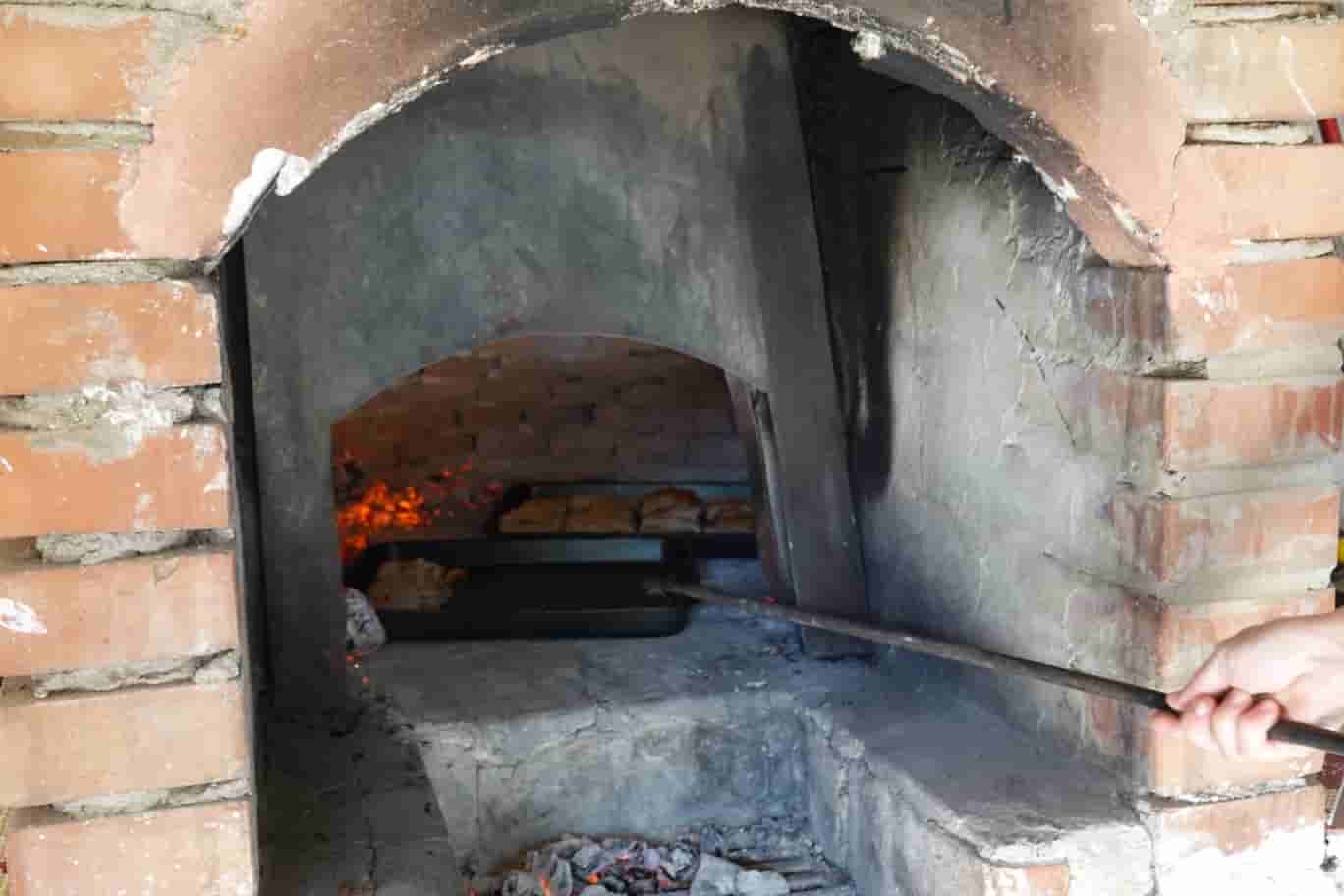
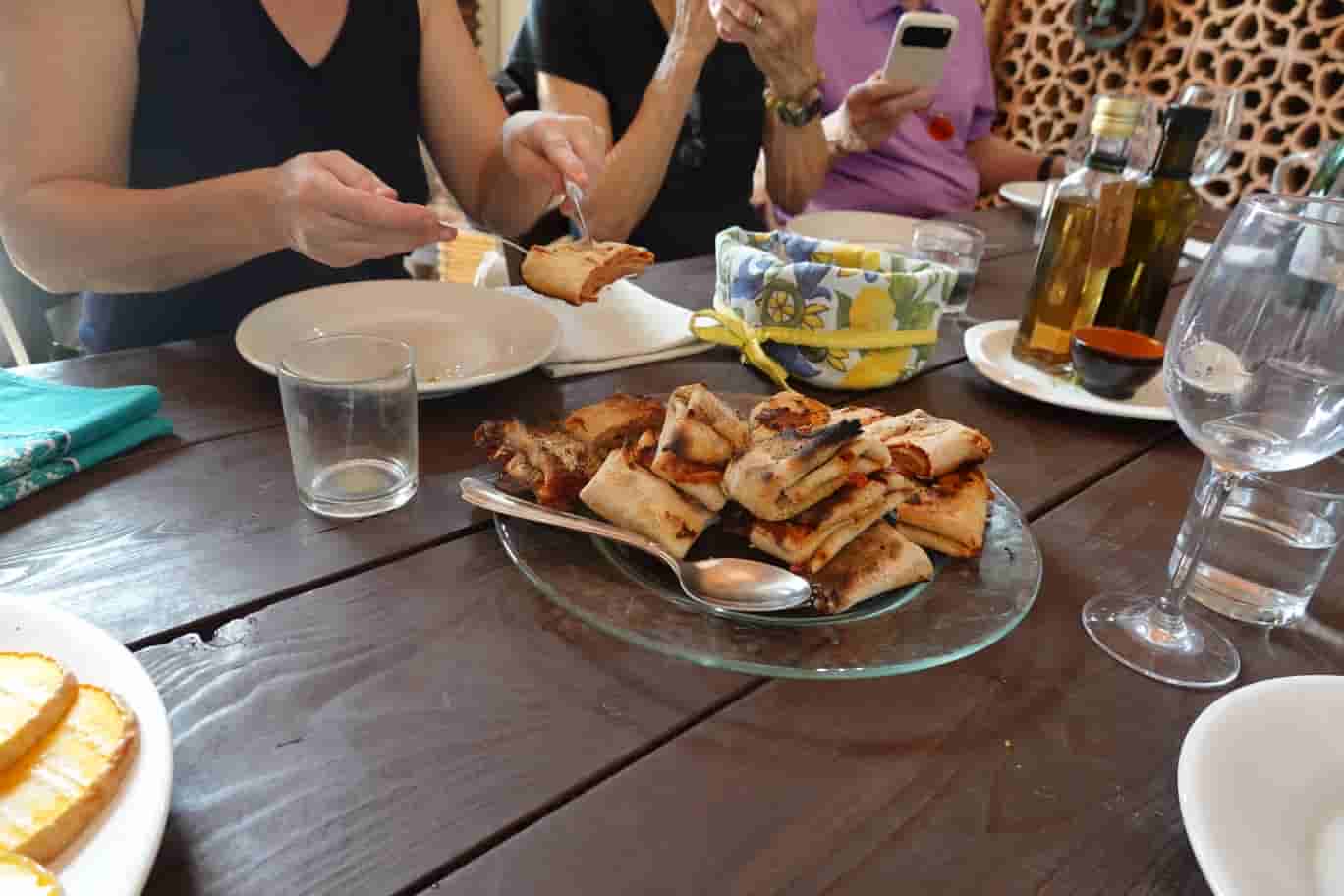
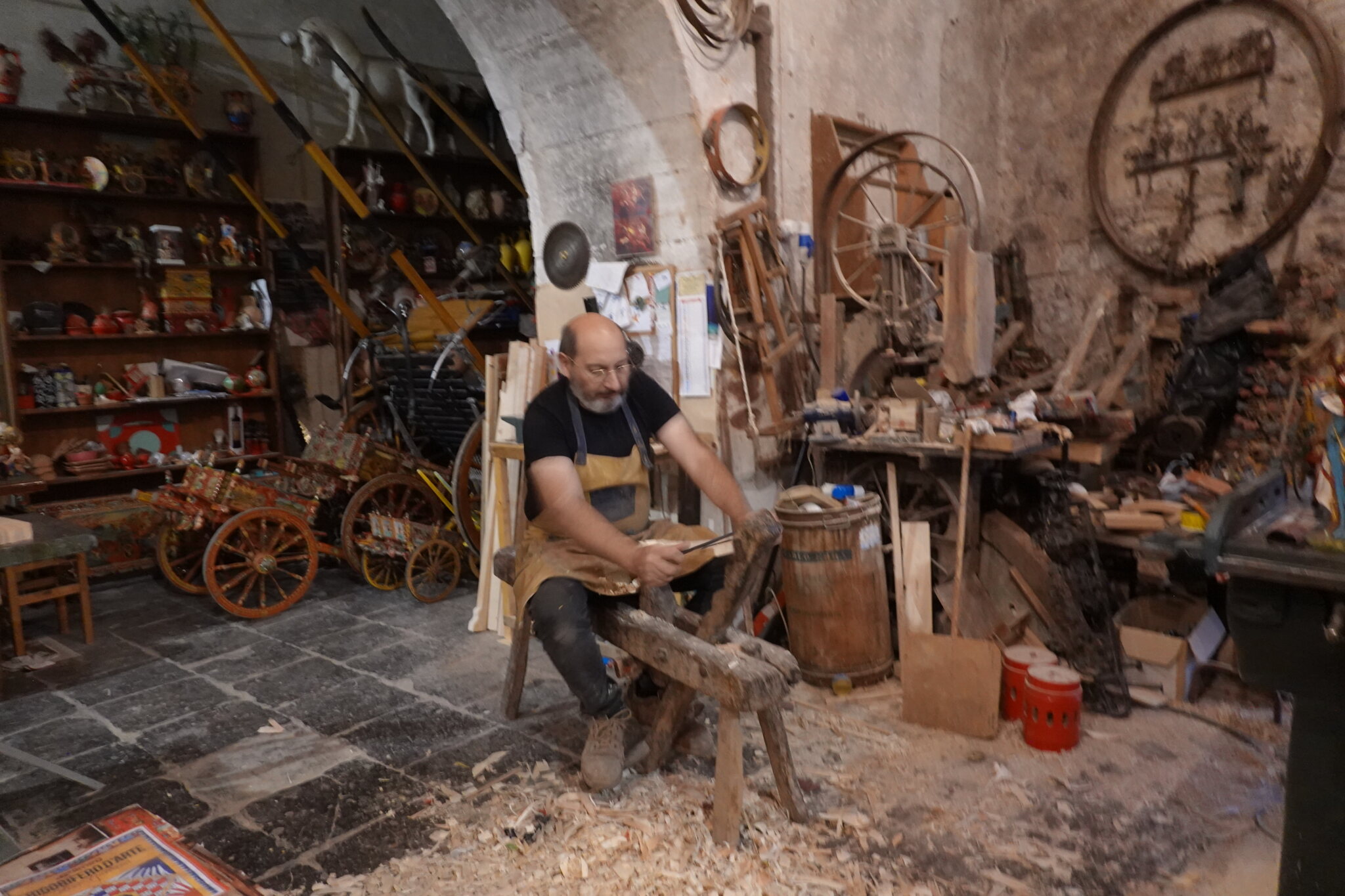
Our next stop was Chi Semina Raccoglie, a store run by two sisters who returned to Castelbuono after university and started a business making jewelry from seeds and other natural materials. We got to make our own key chains using beads and seeds. Some people purchased their jewelry, but I didn’t get anything. Apparently, my key chain was souvenir enough.

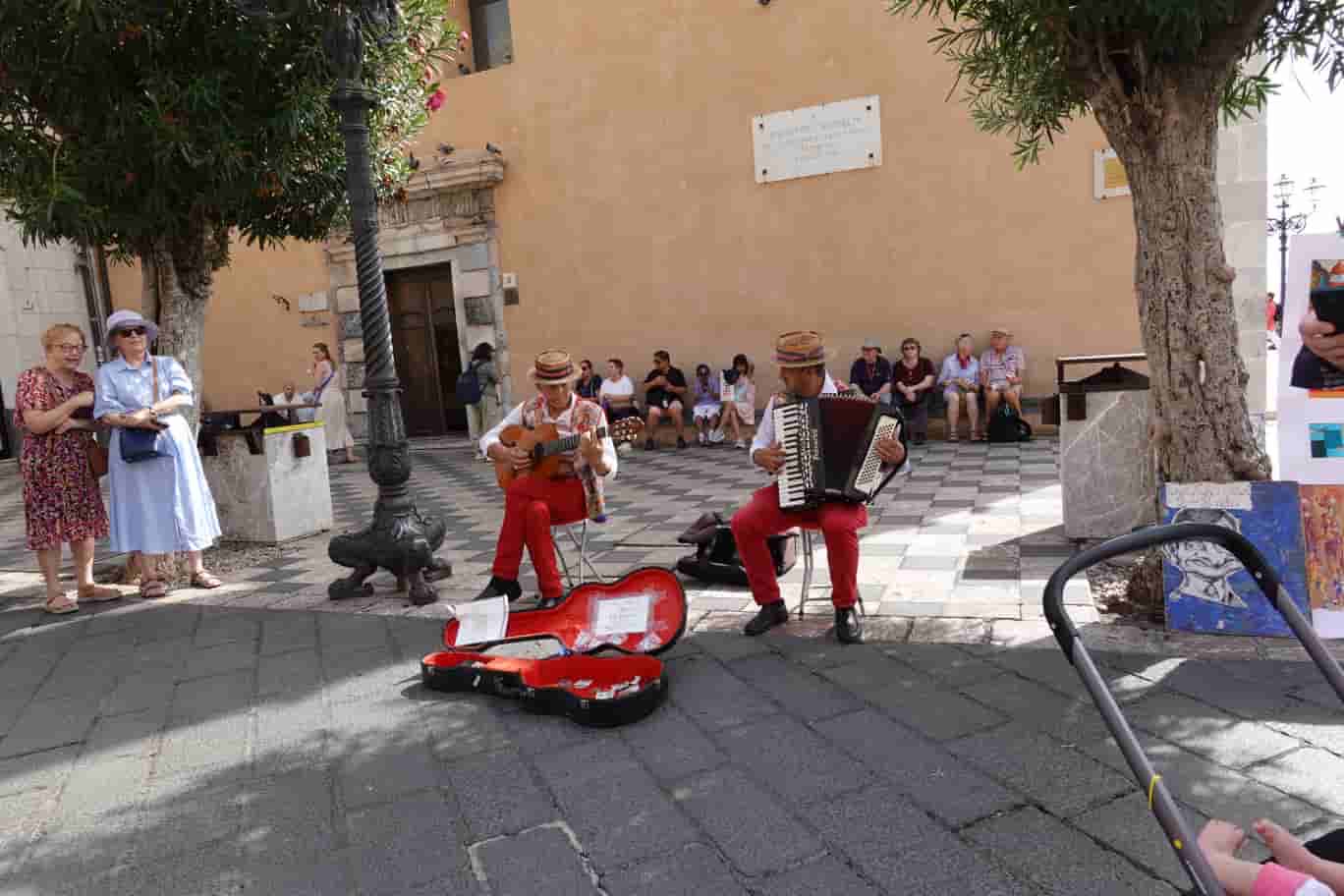
Then we went to lunch, where we were serenaded with local music while we ate. The owner’s four-year-old grandson joined the “band” for part of the performance with his toy guitar and definitely stole the show.

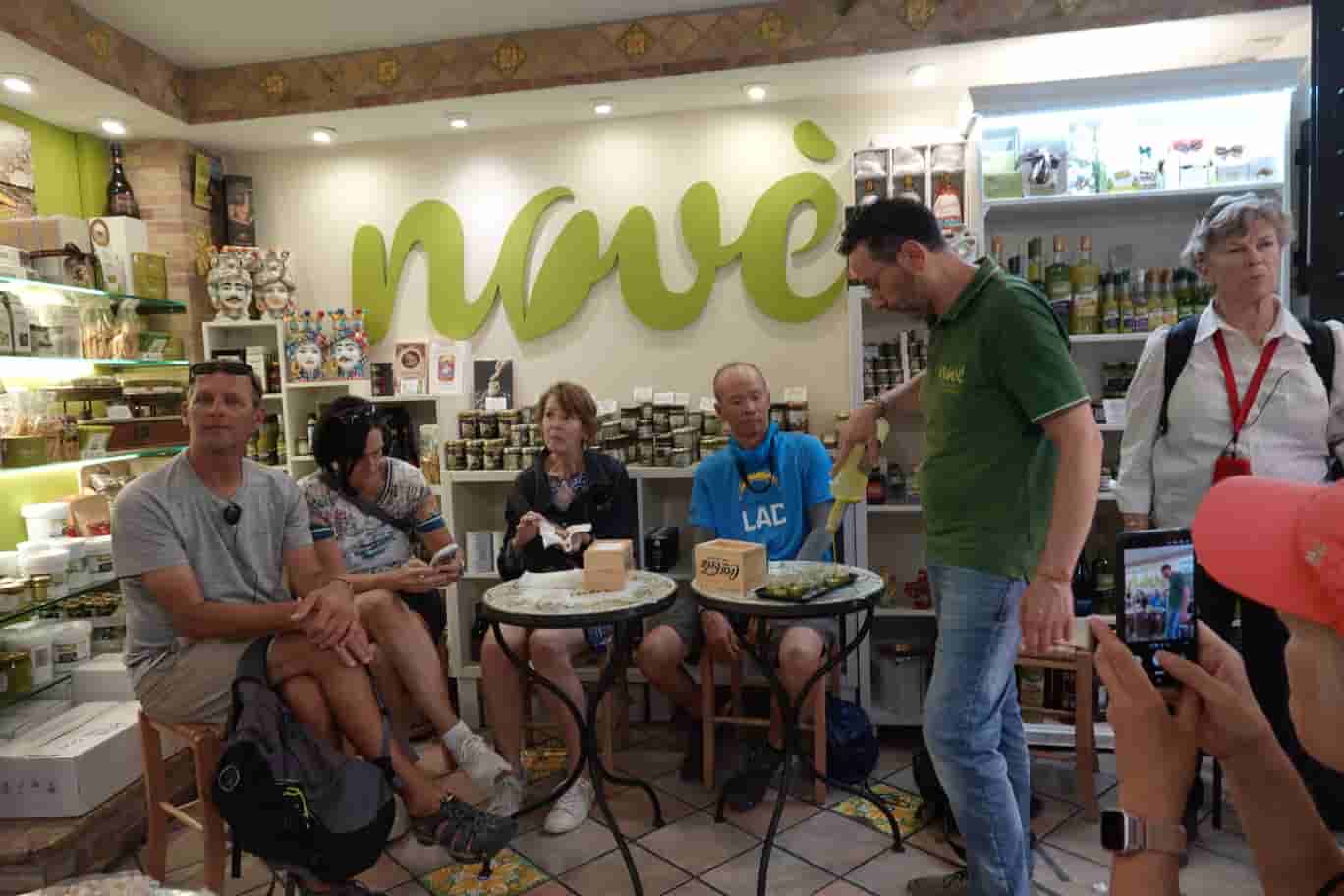
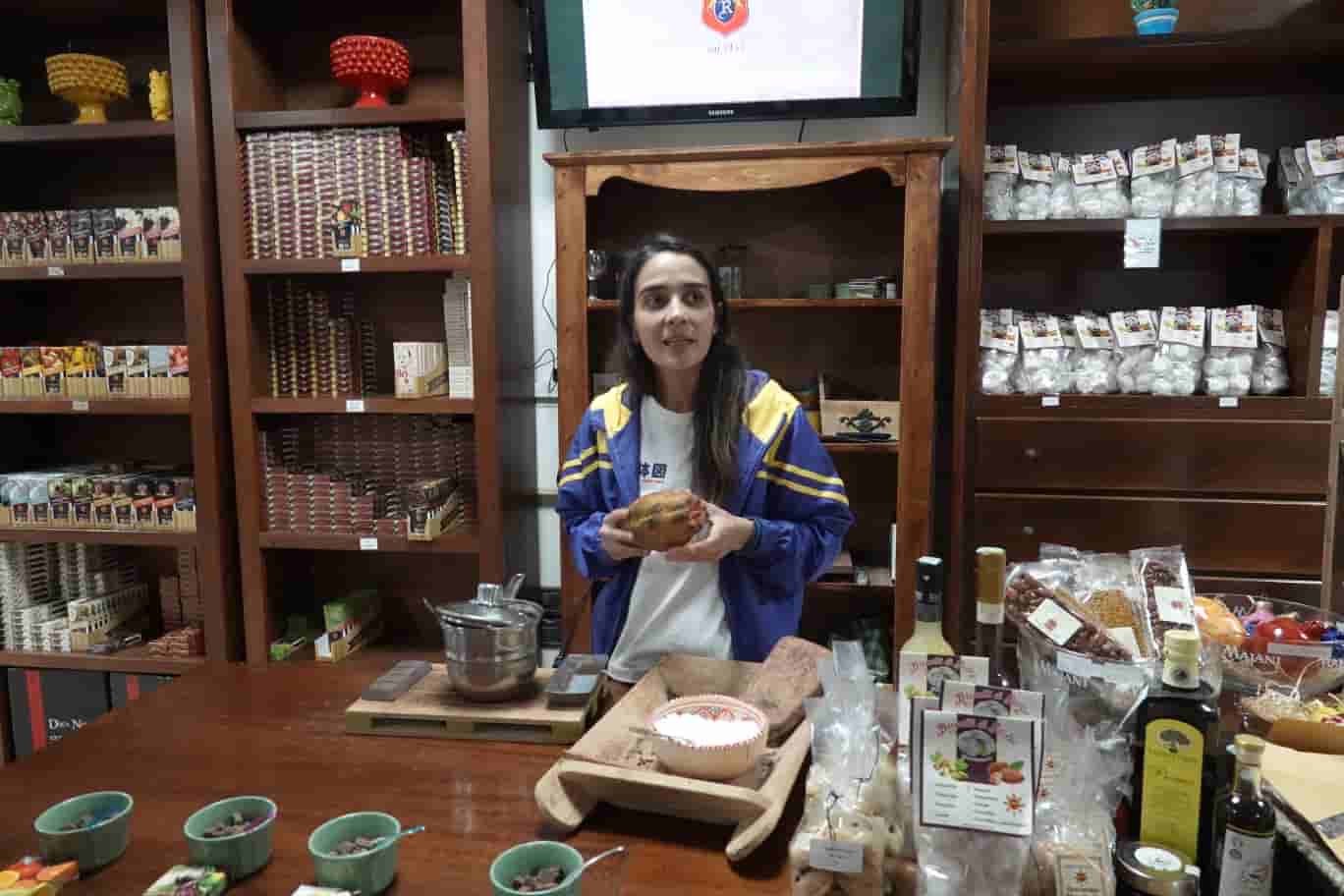
After lunch, we stopped at a store that makes panettone. At Christmas, they produce an astonishing 15,000 cakes a day! We got to sample some with manna sauce. Manna is a sweet, crystallized sap harvested from local ash trees. We also learned that it’s best not to eat too much of it because one of its other properties is that it works as a laxative. It was tasty, but once I learned that little detail, I was very careful about how much I ate!
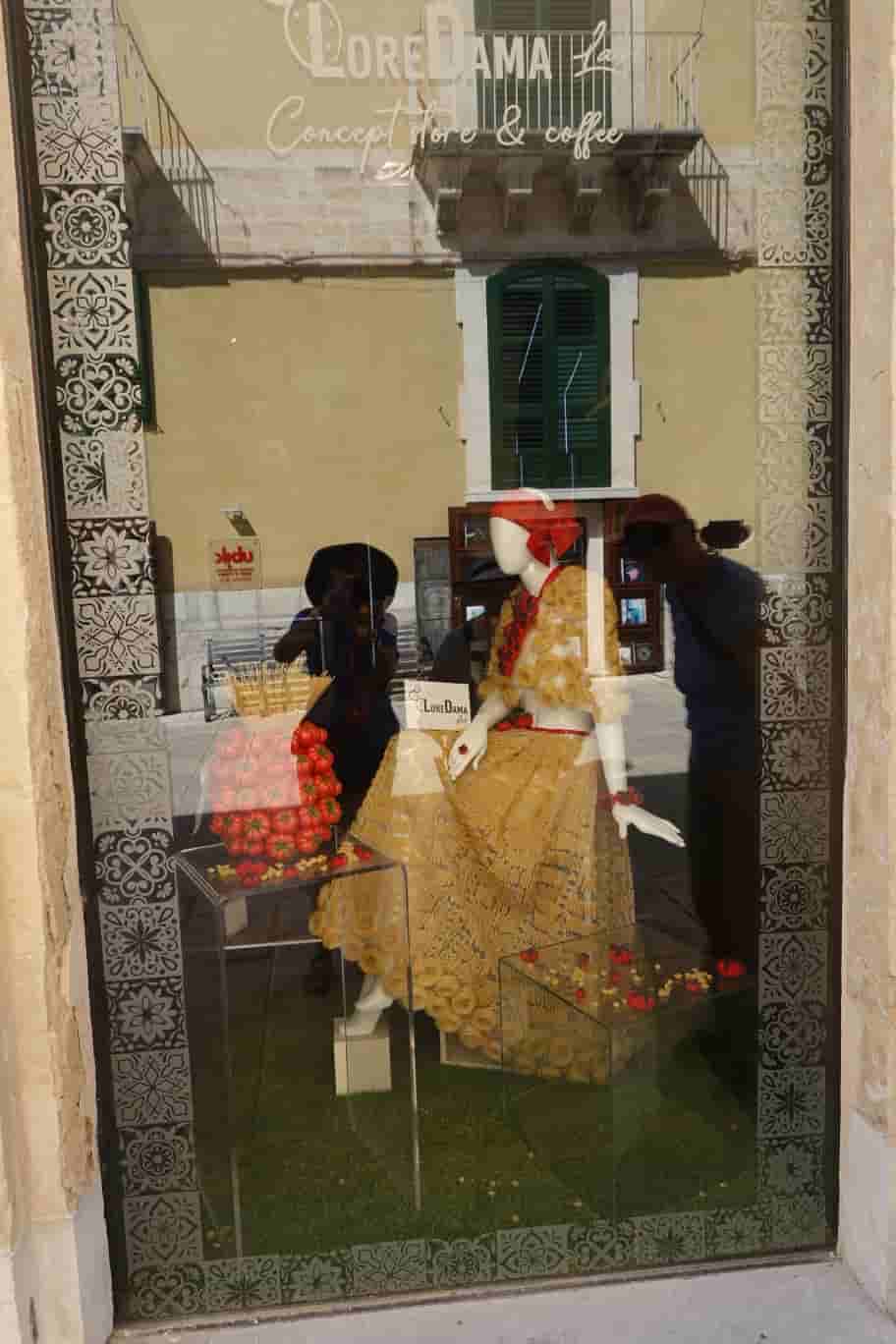
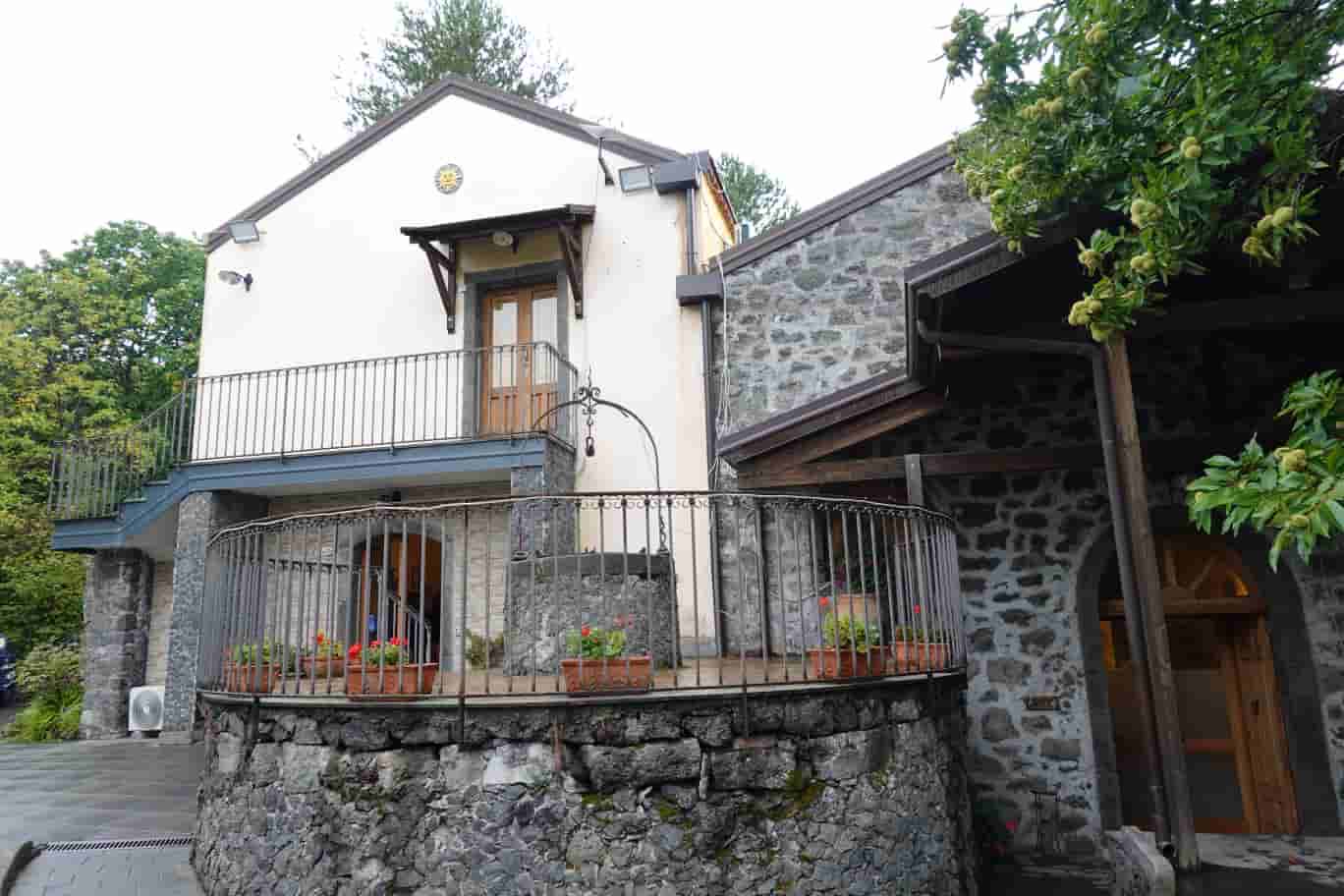
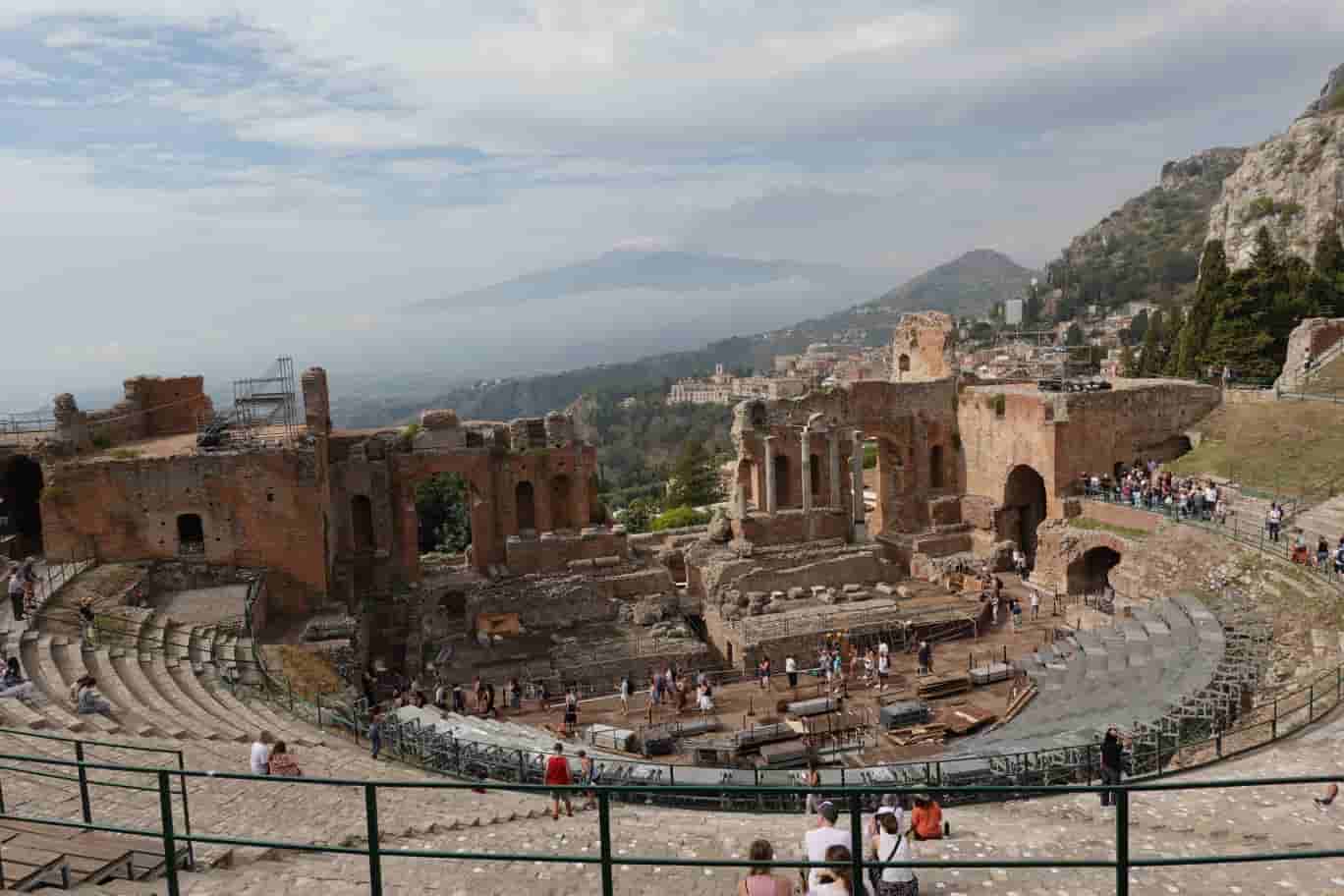
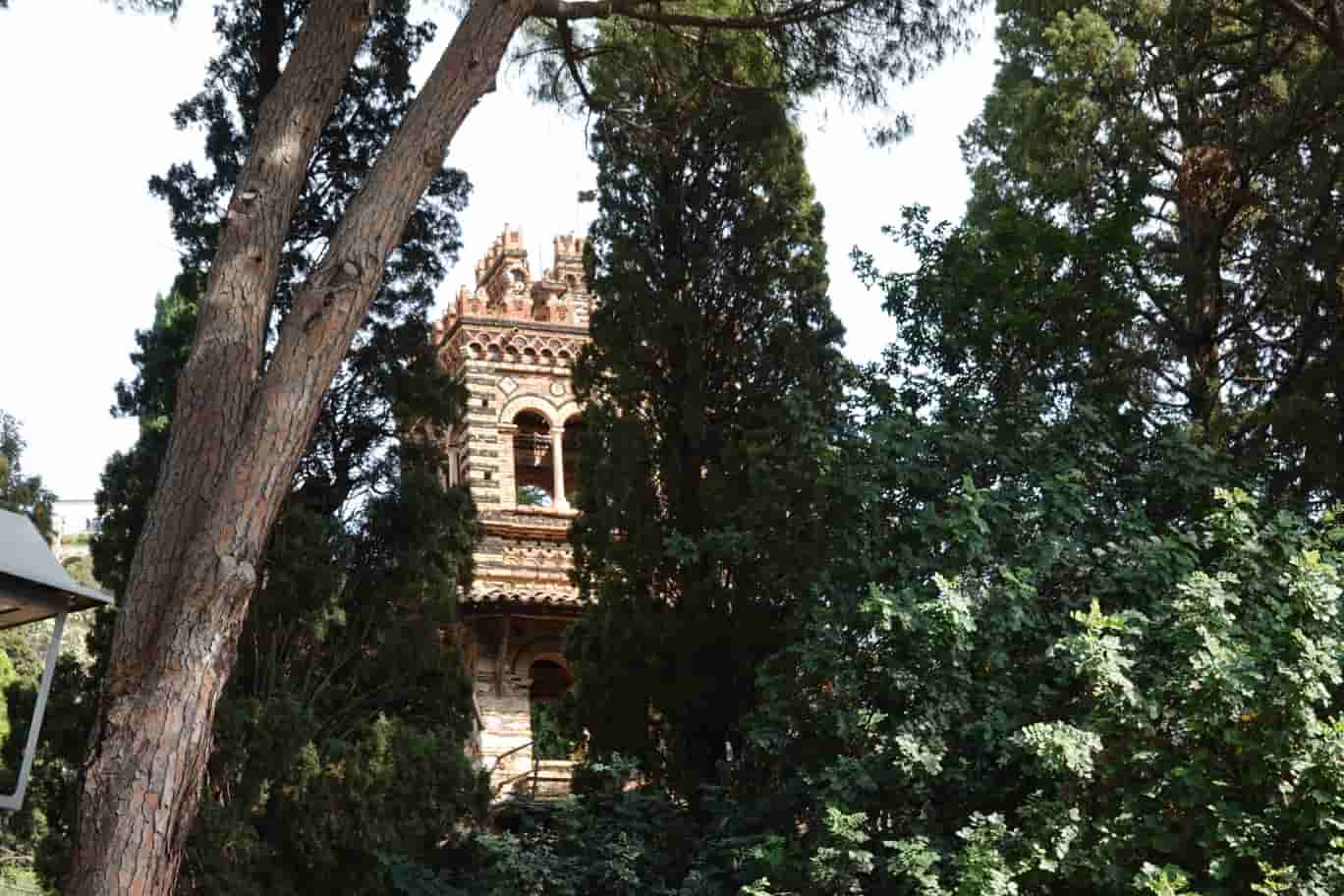
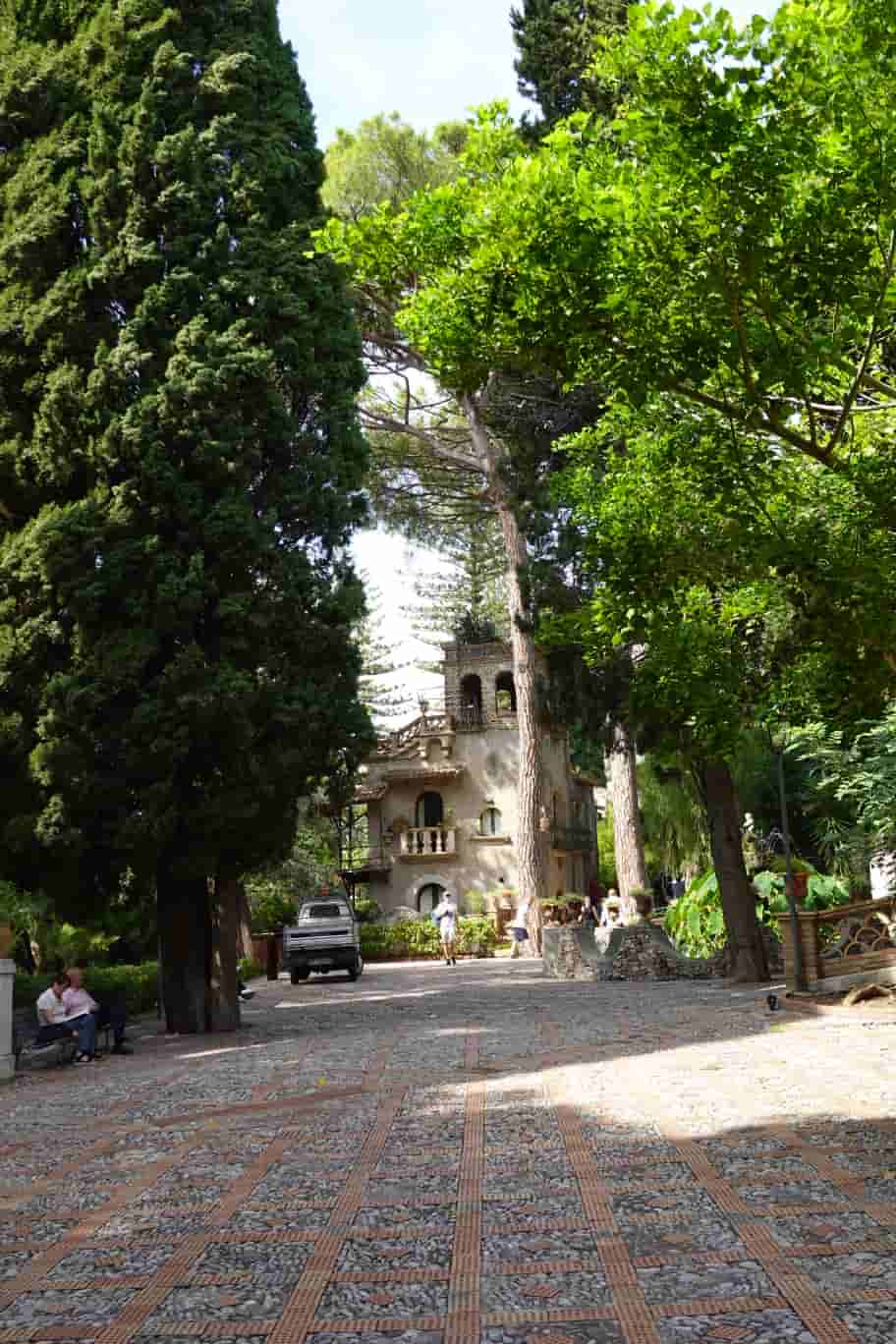
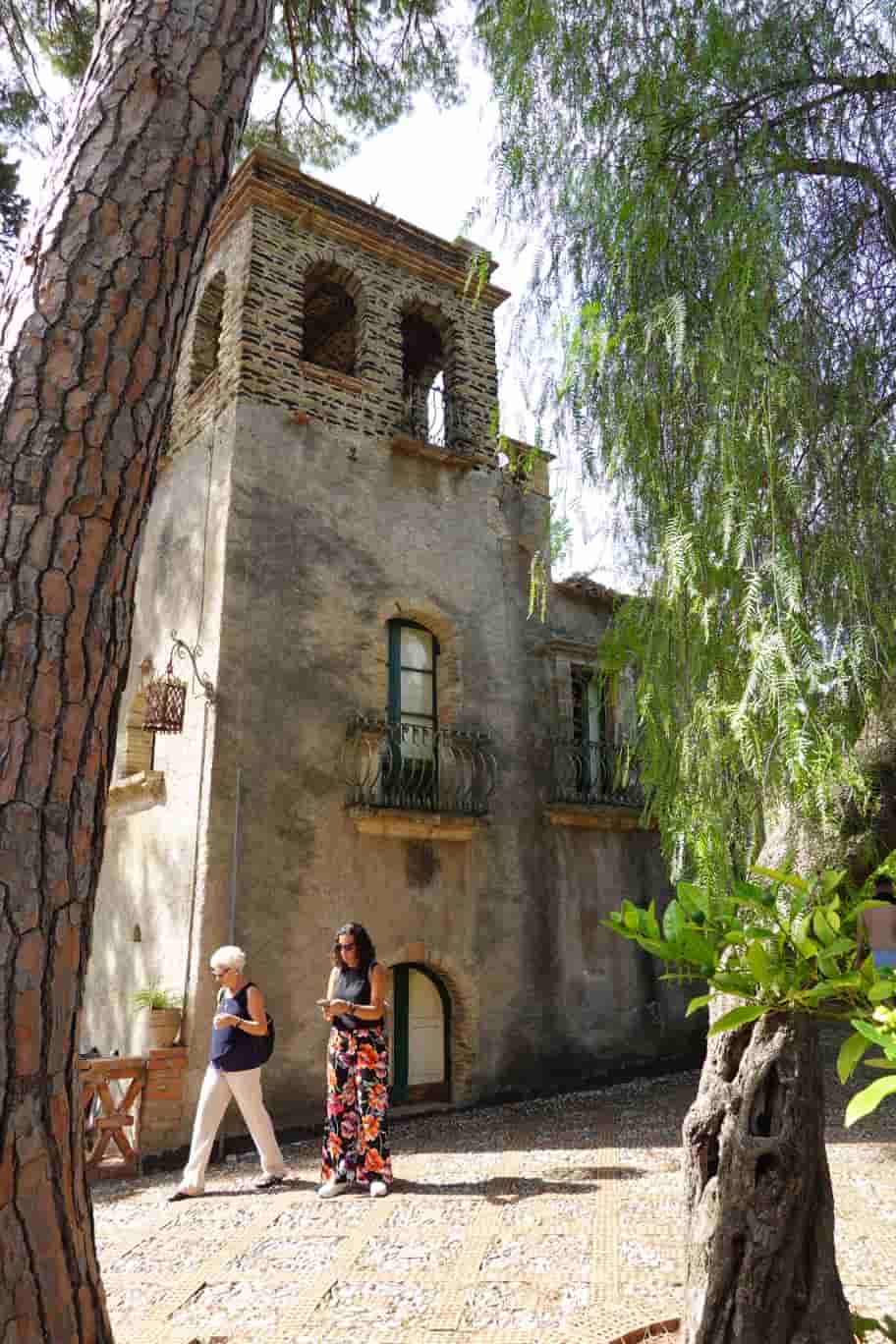
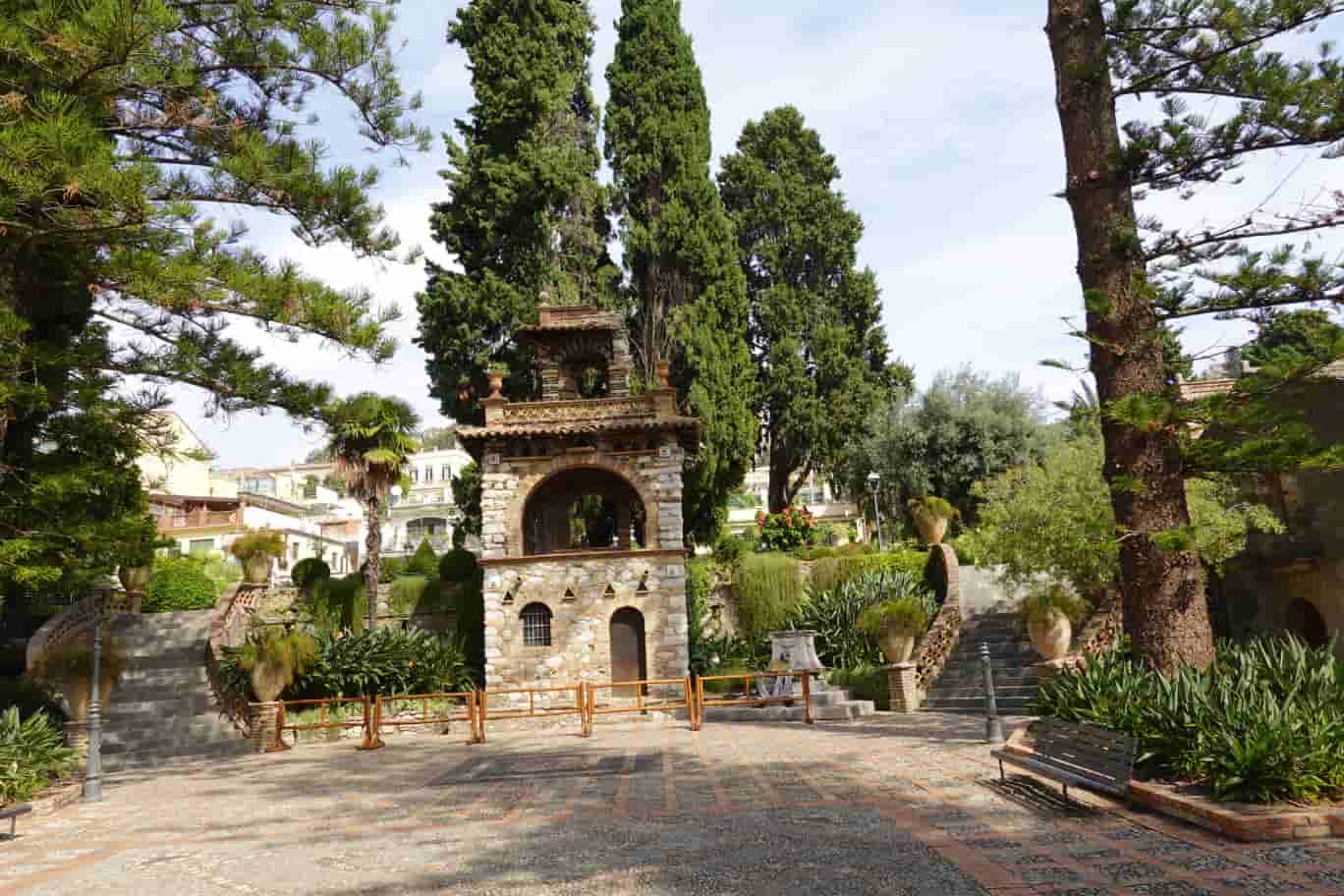
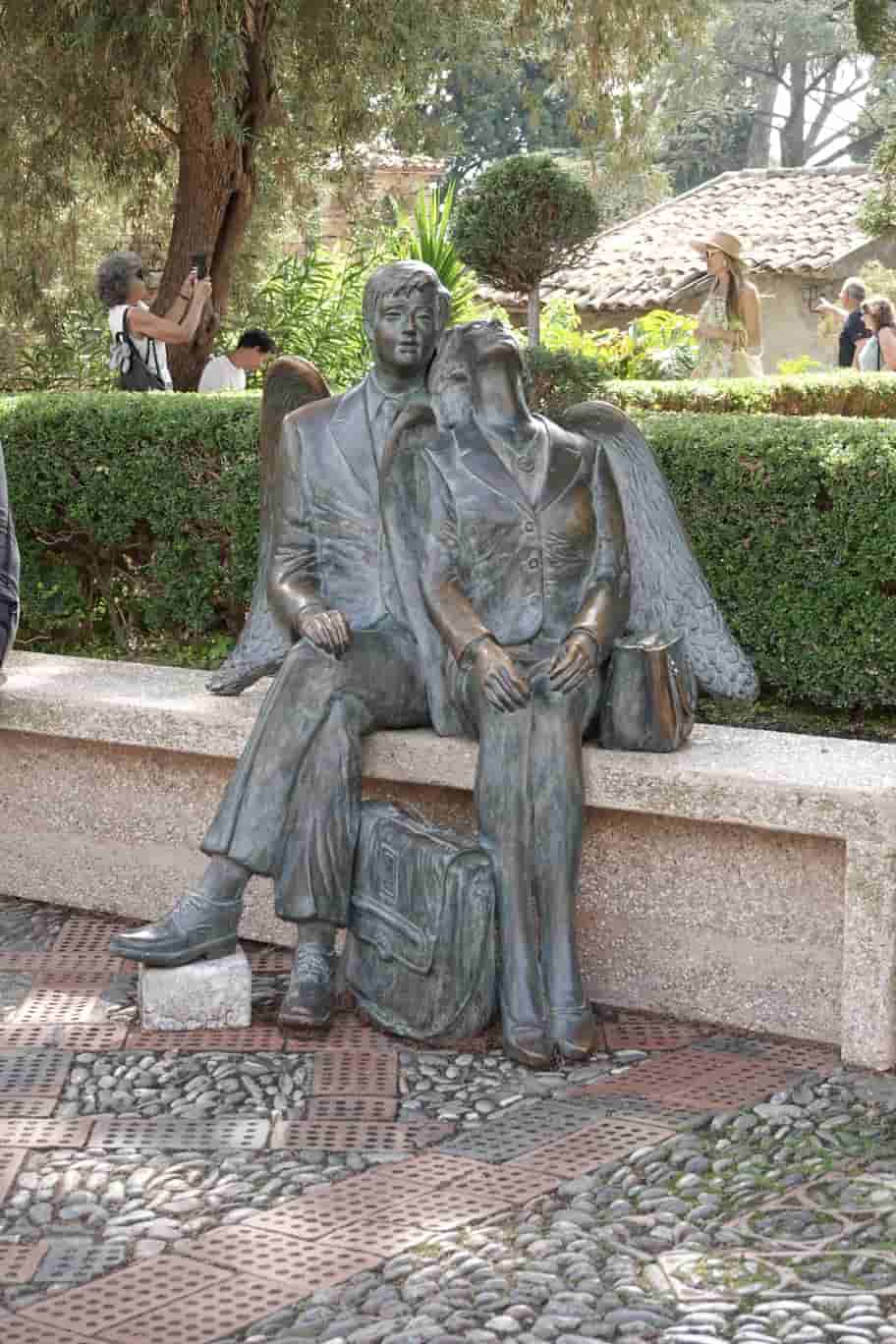
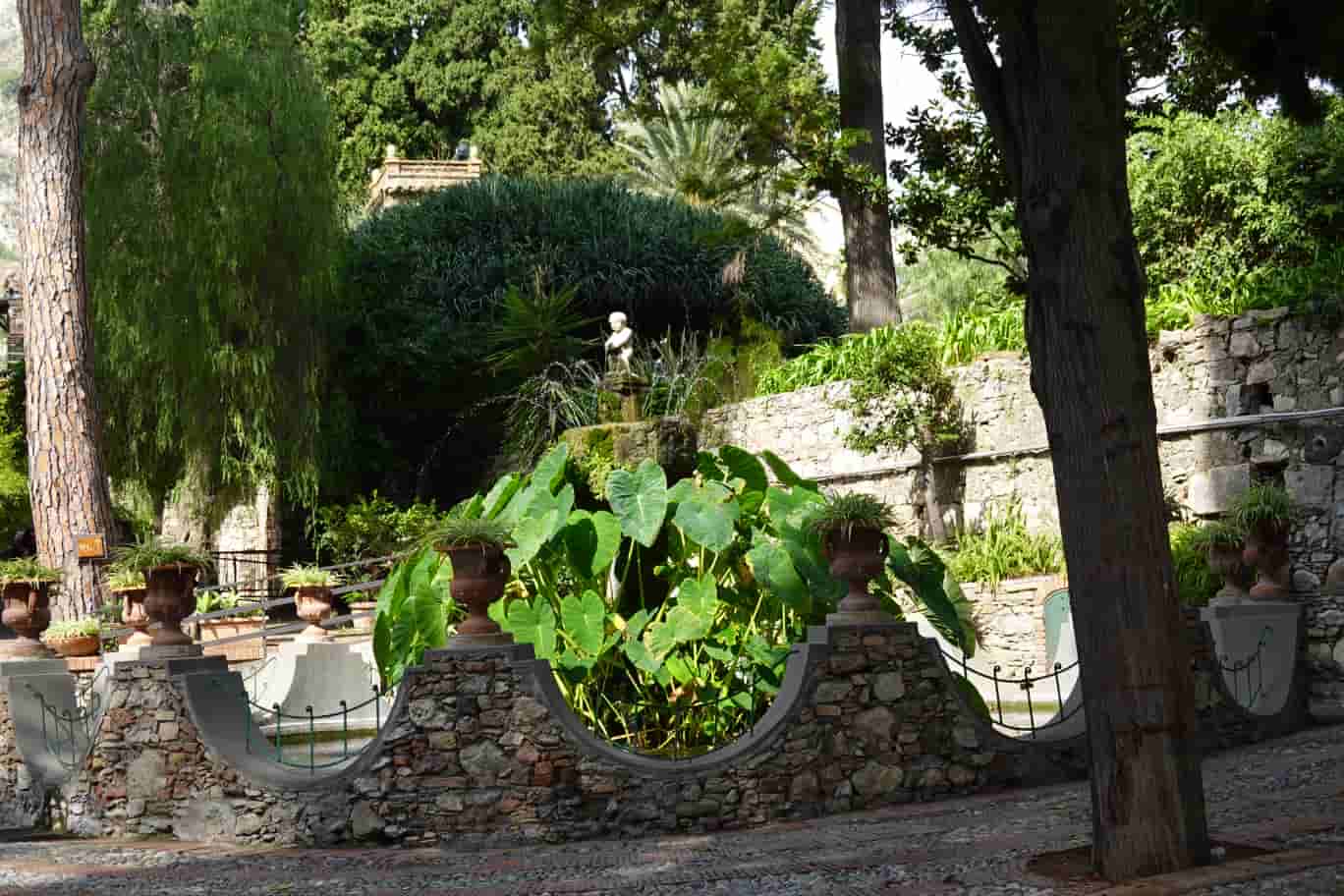
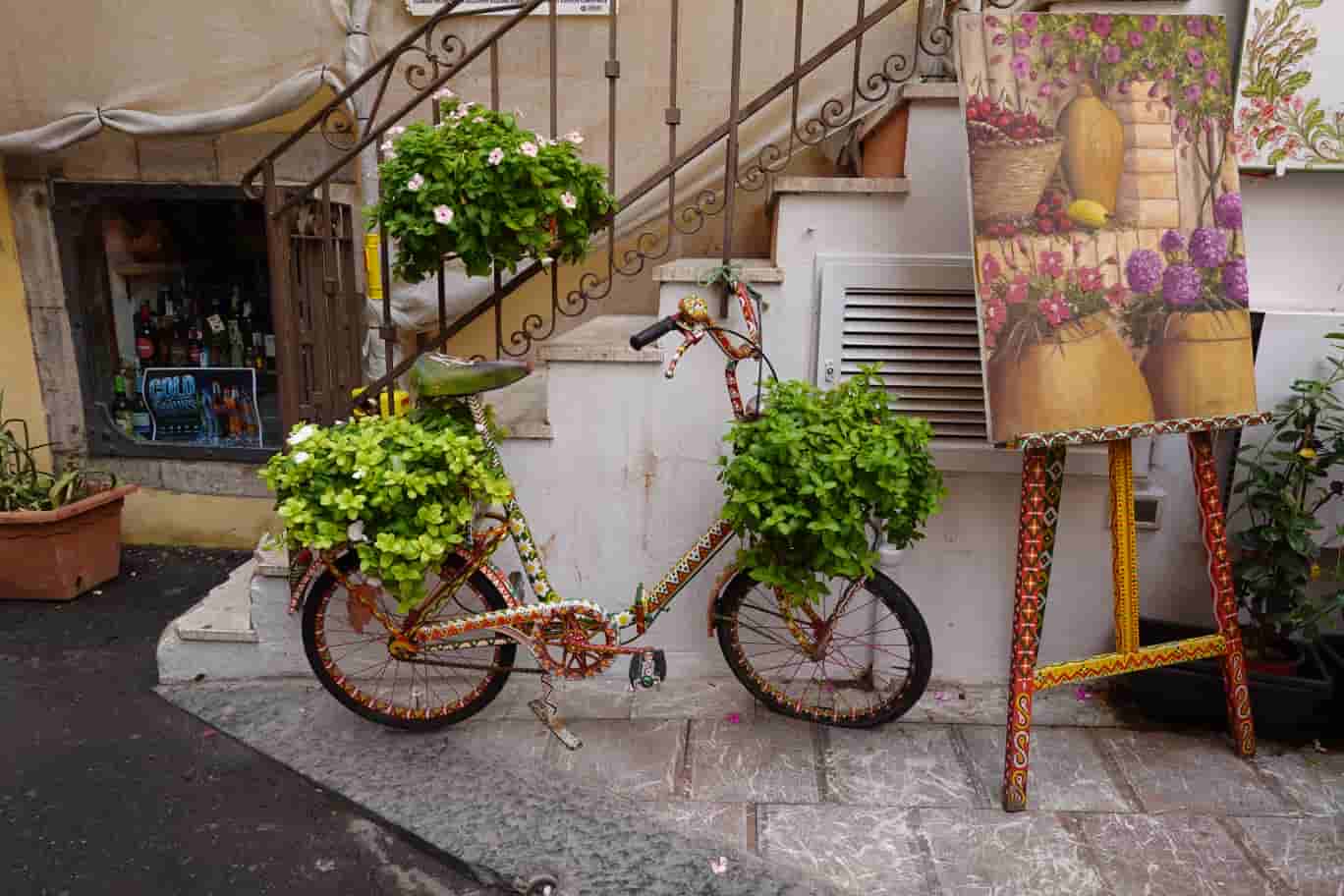
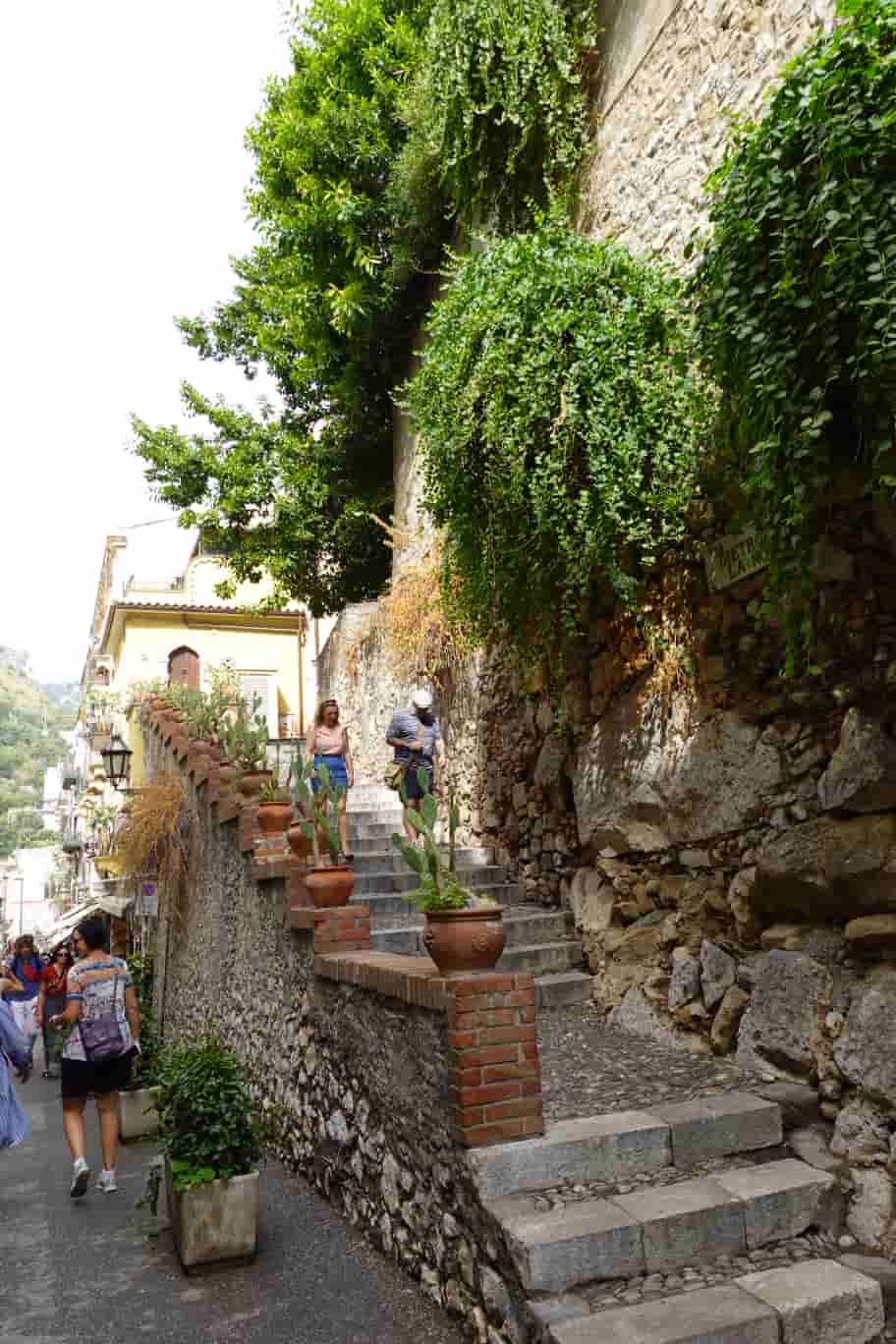
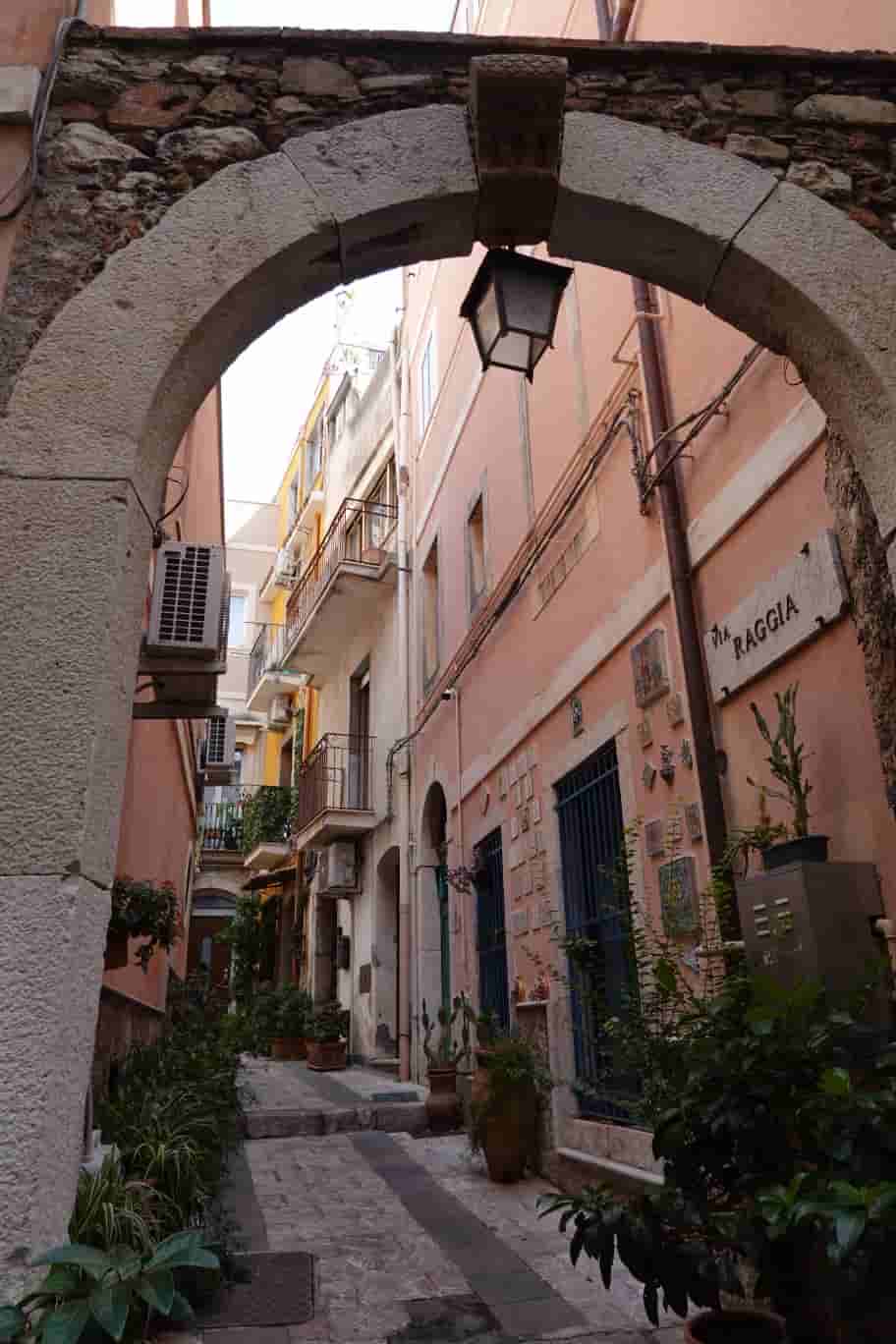
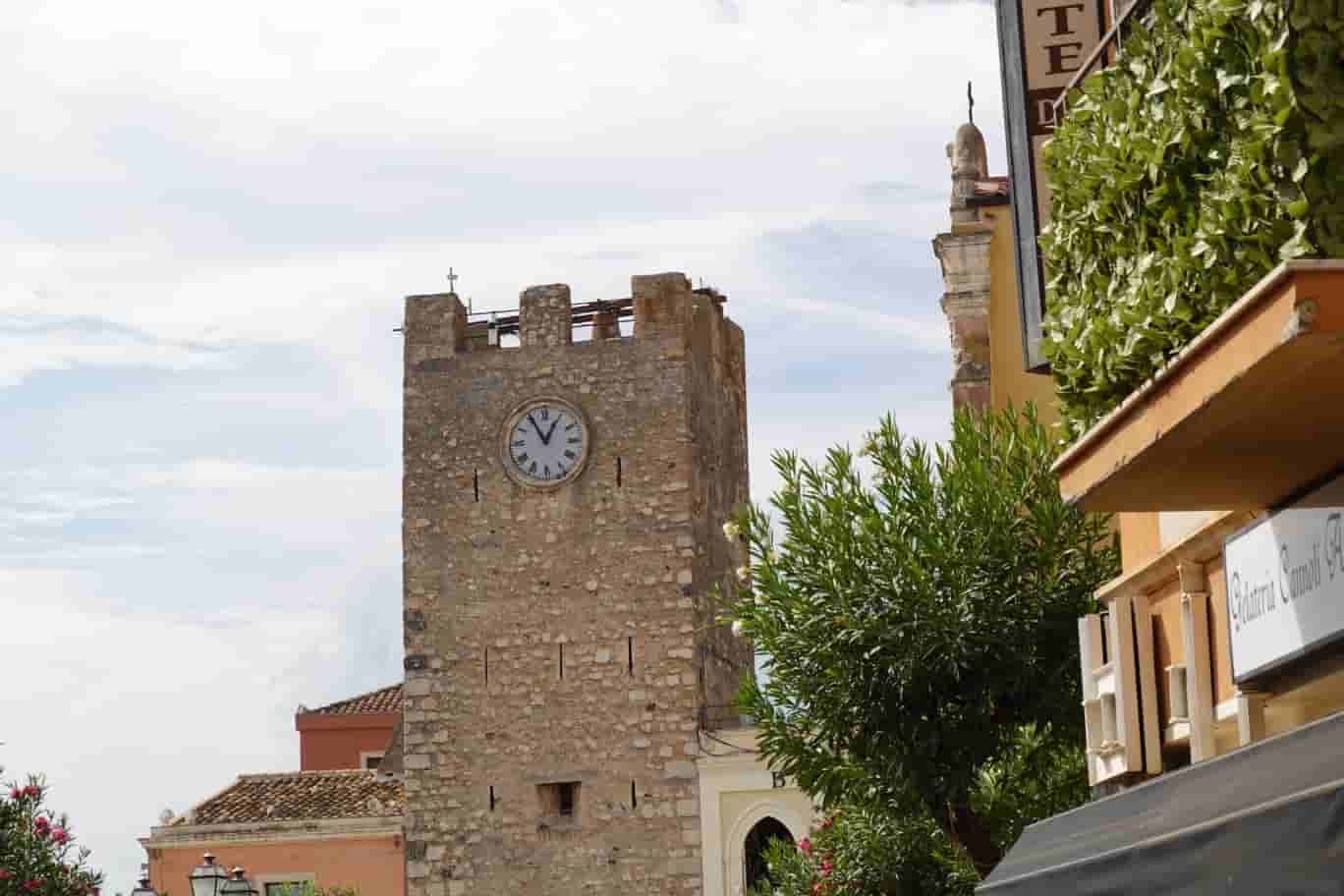
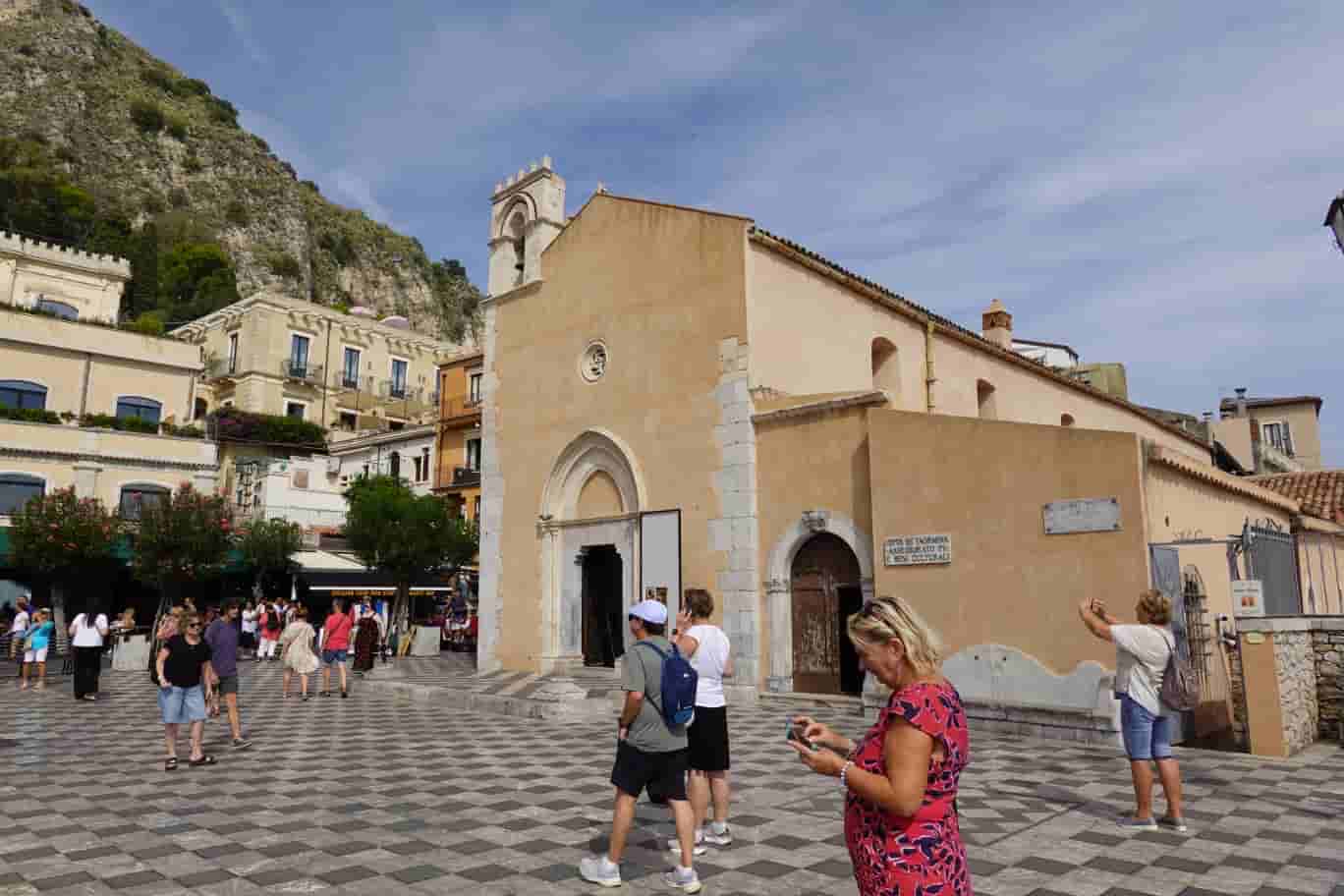
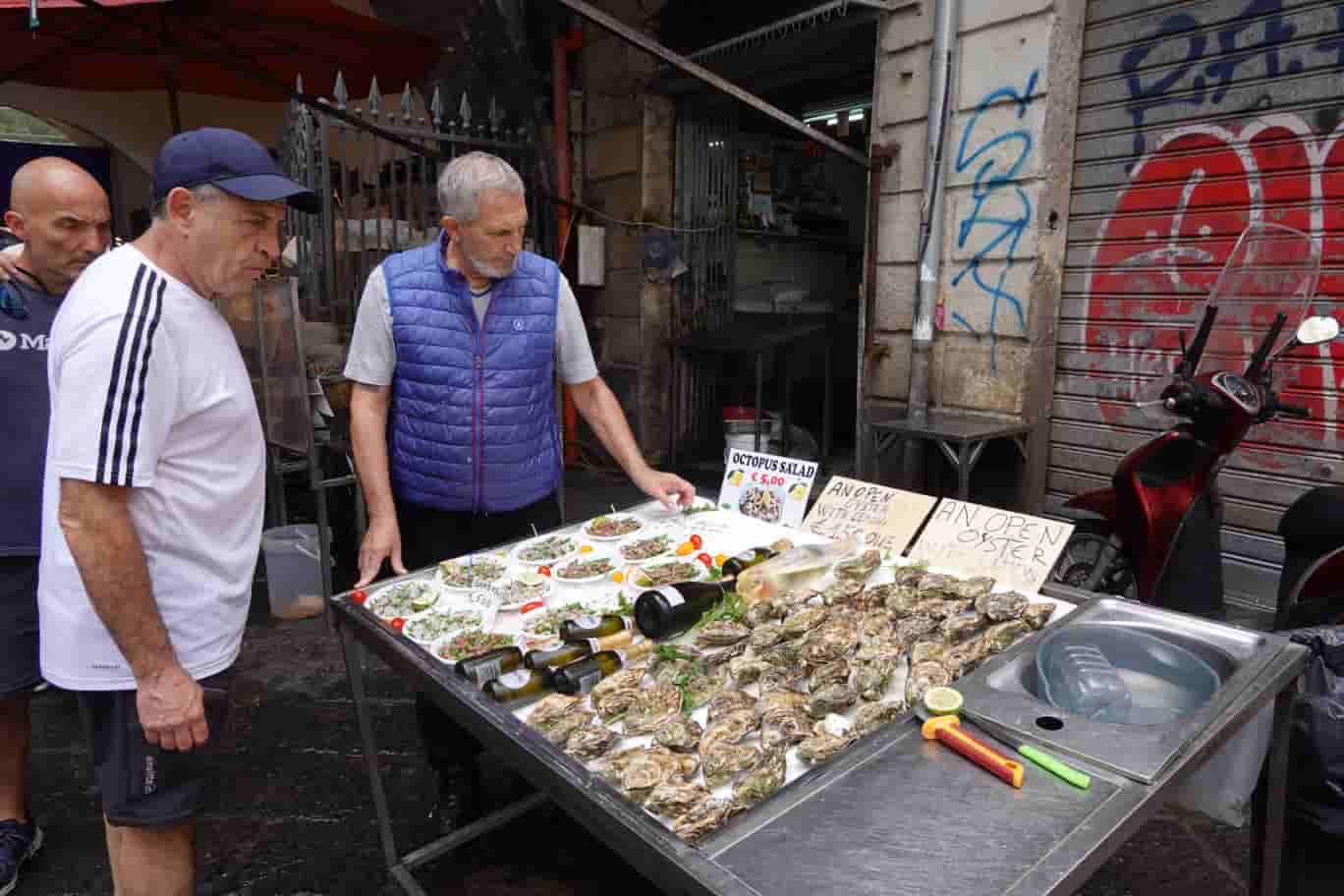
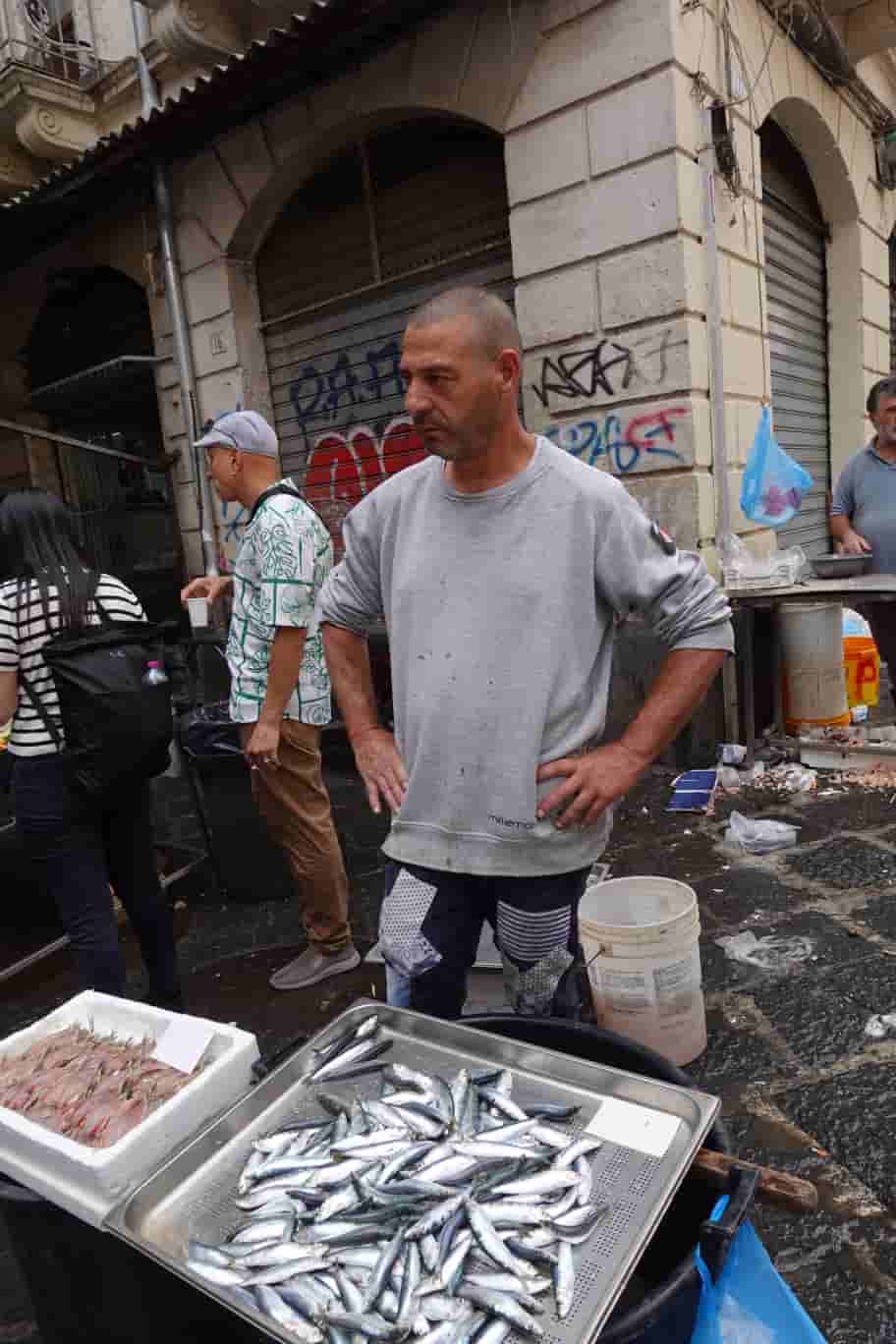
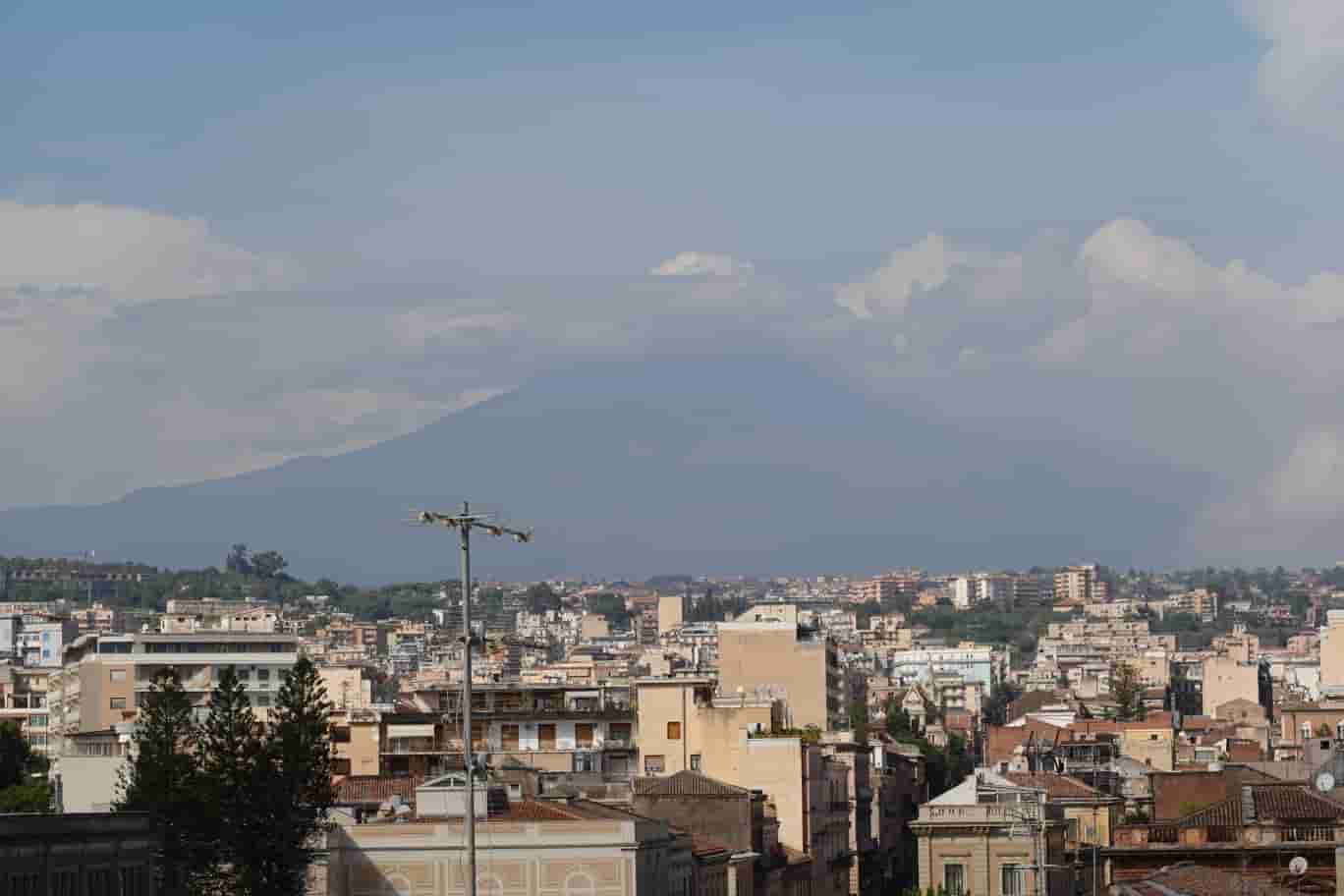
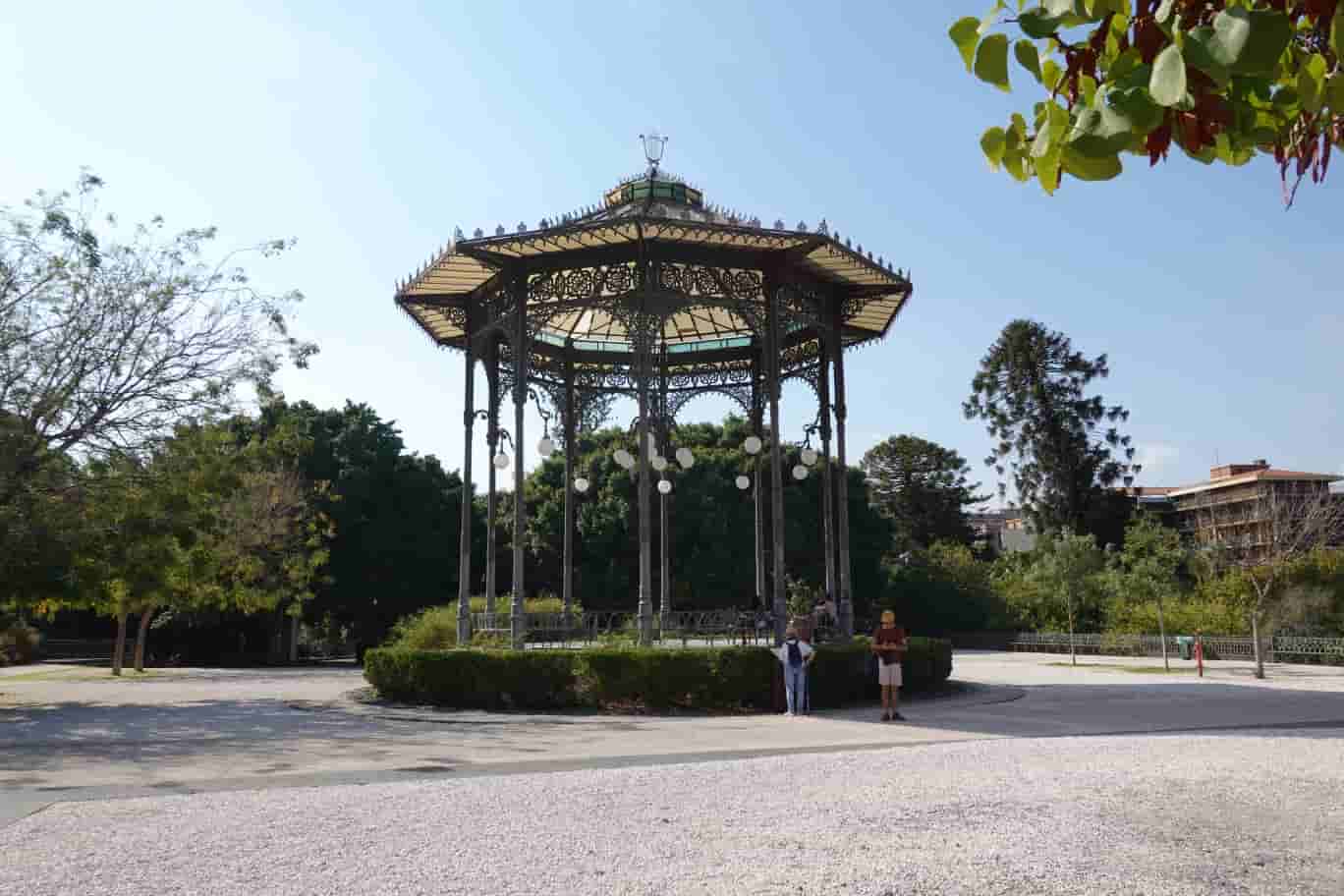
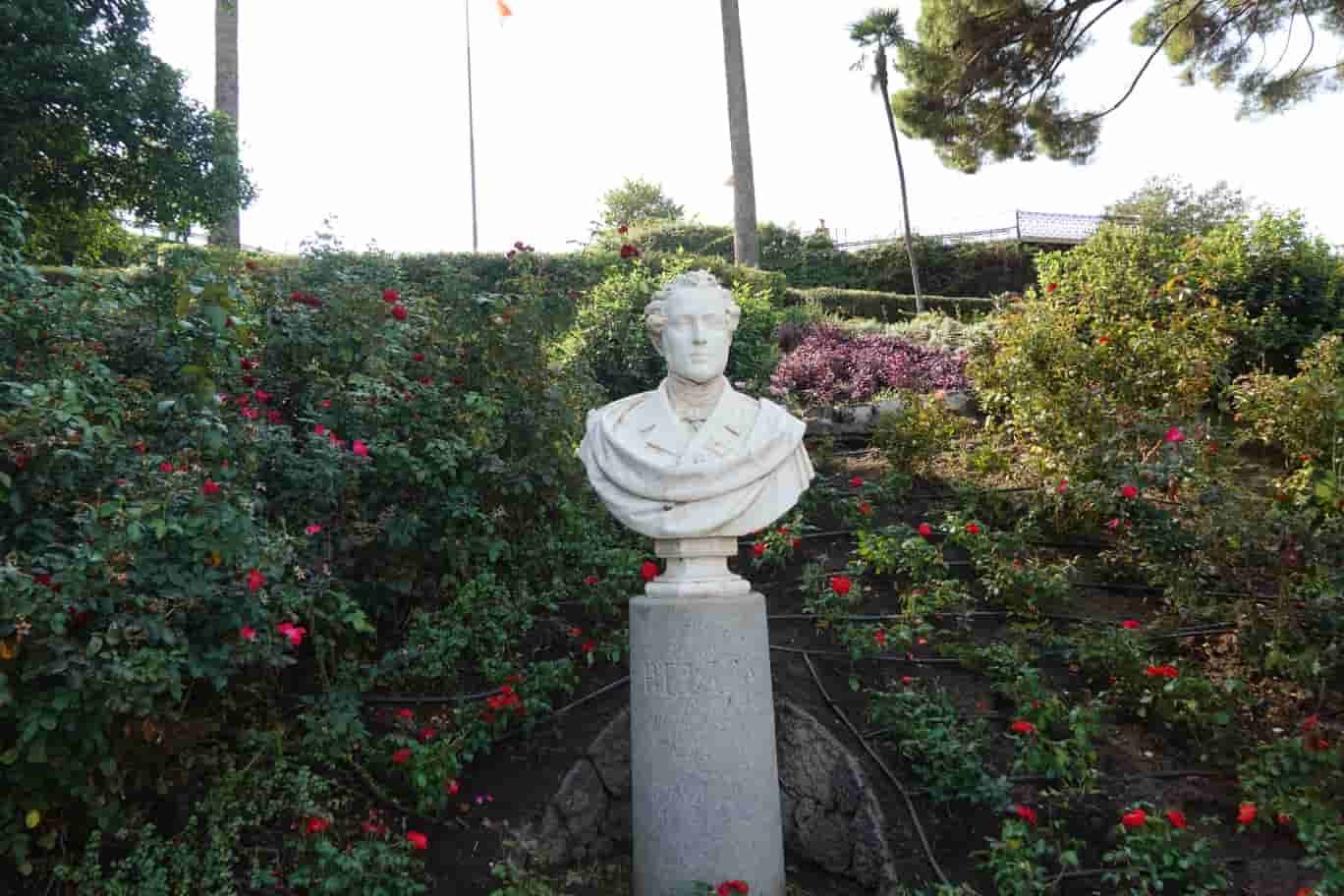
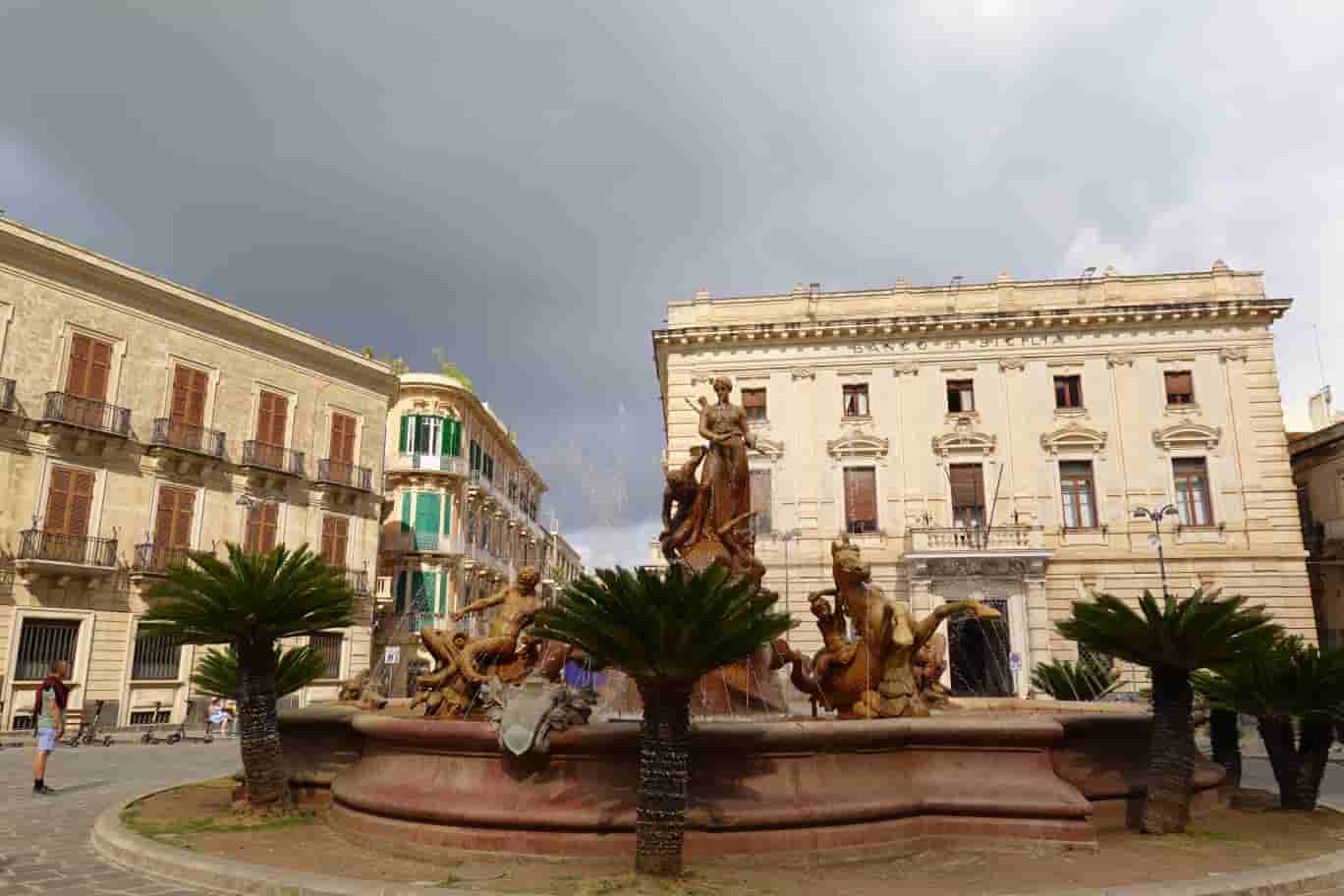
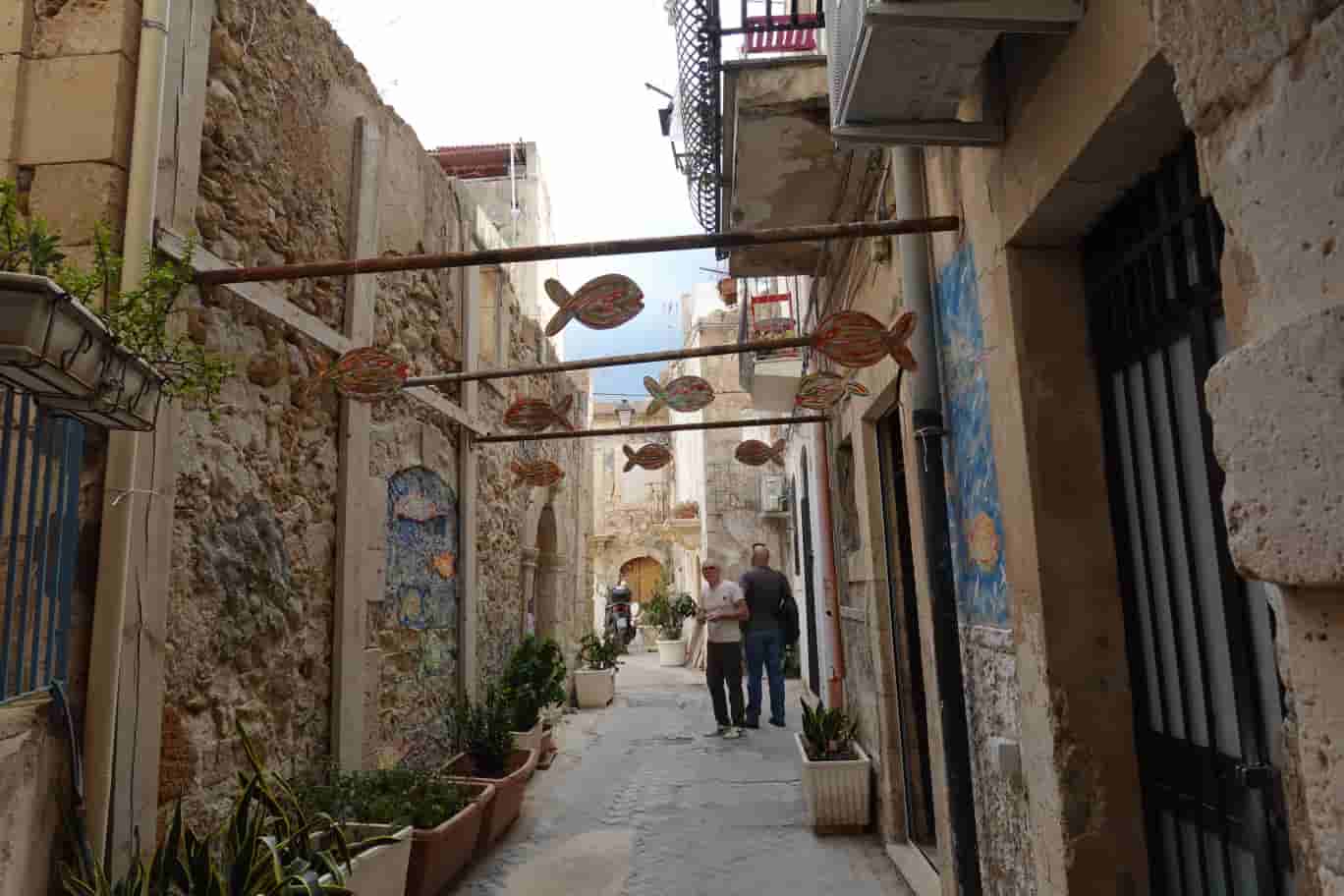
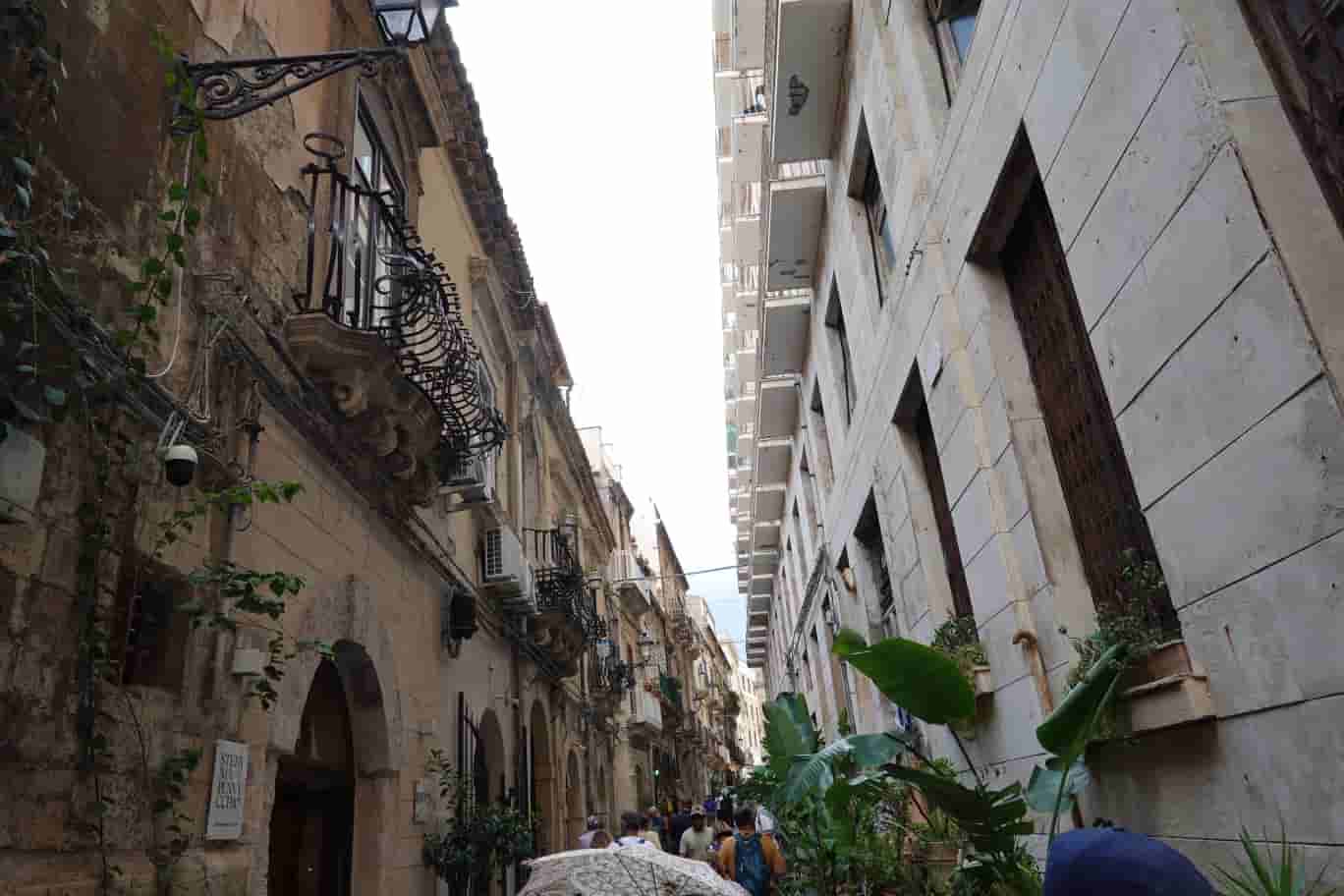
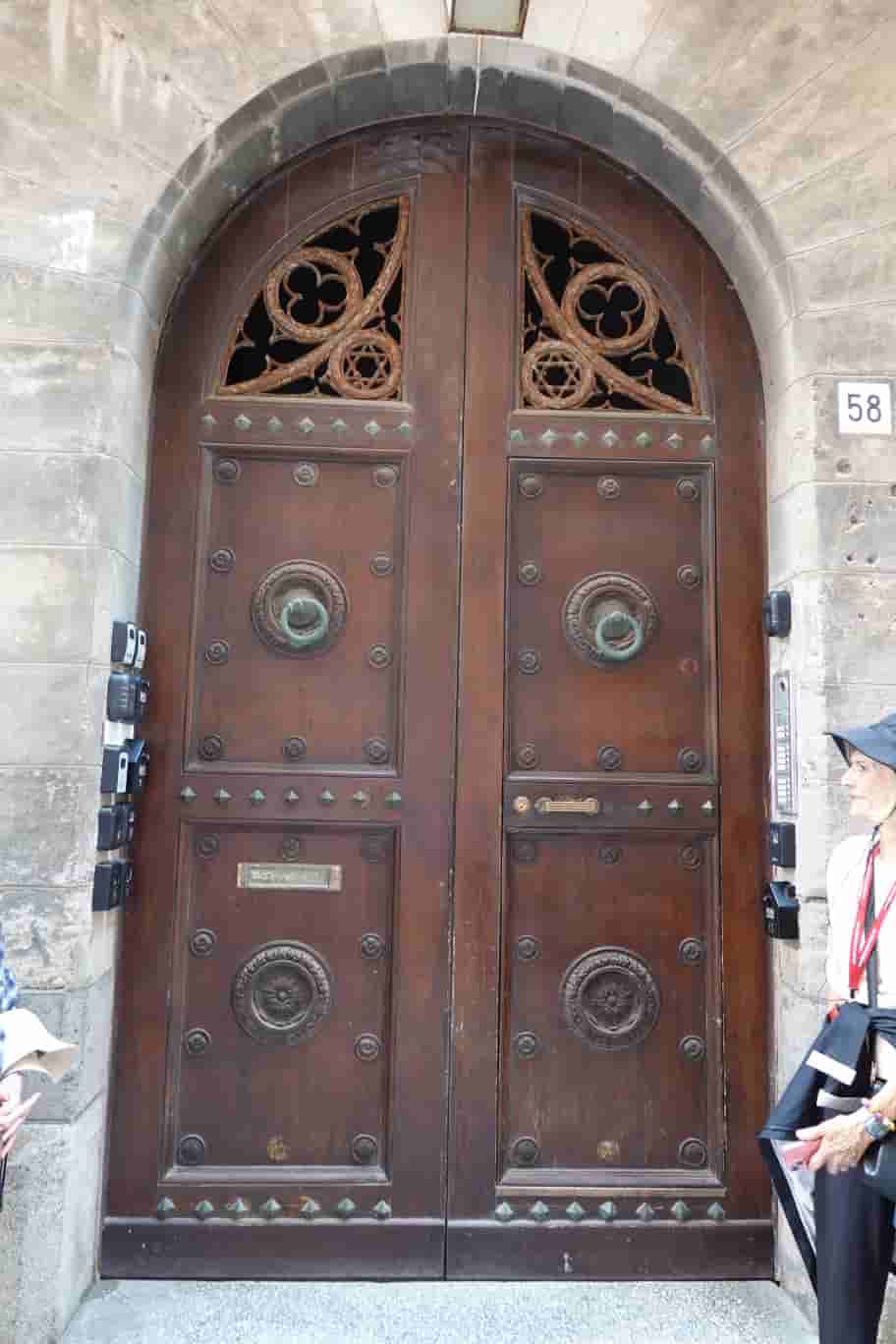
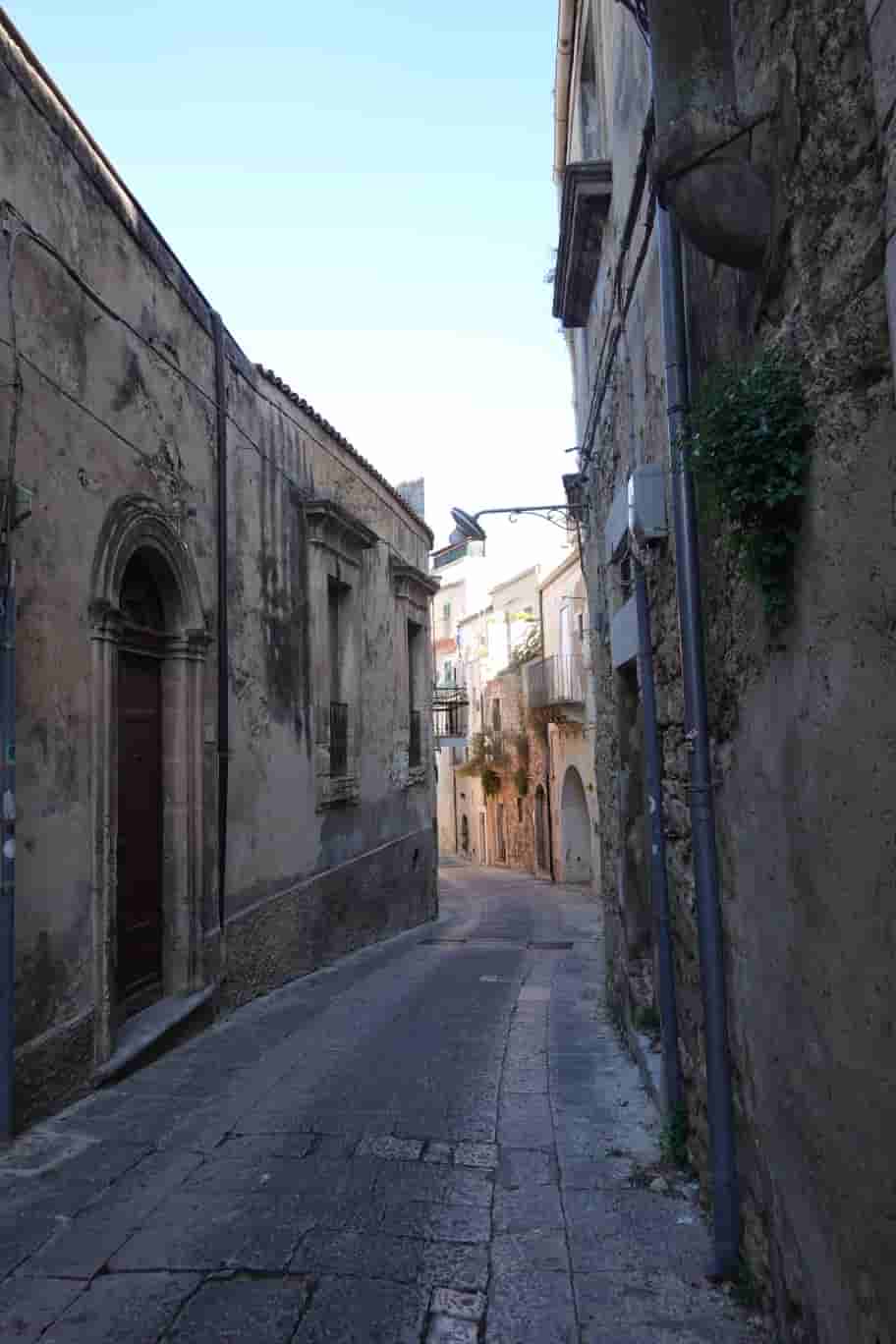
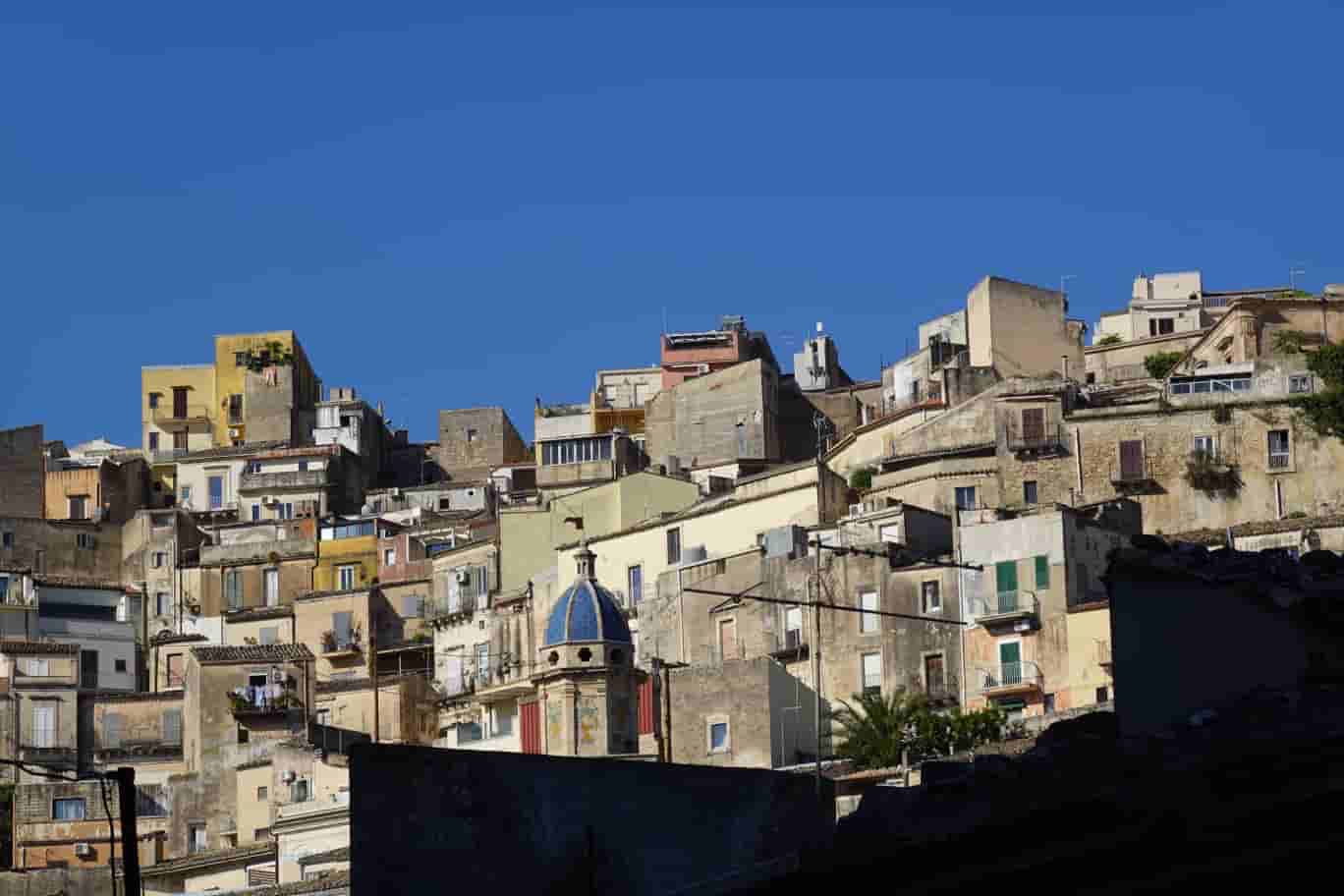
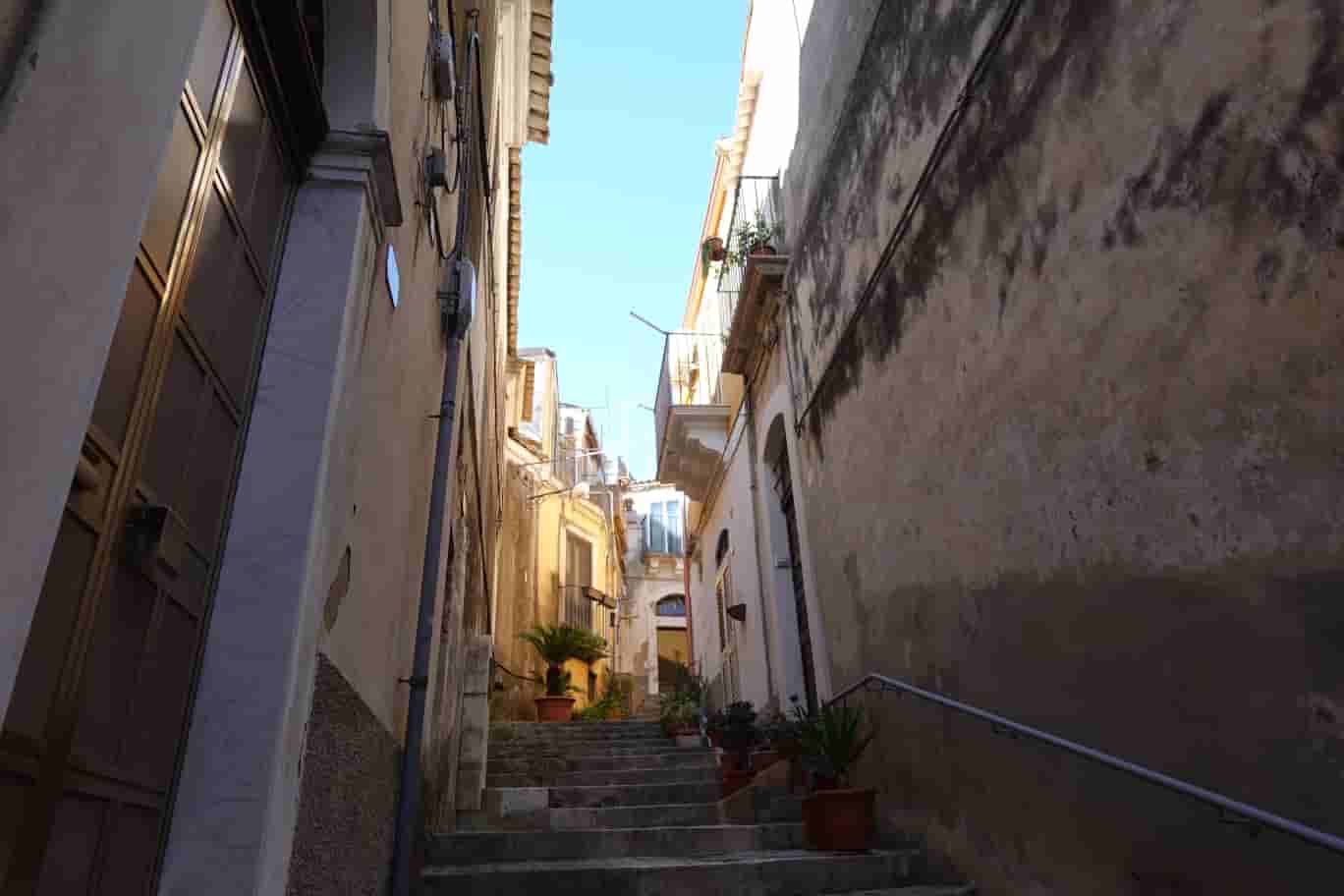
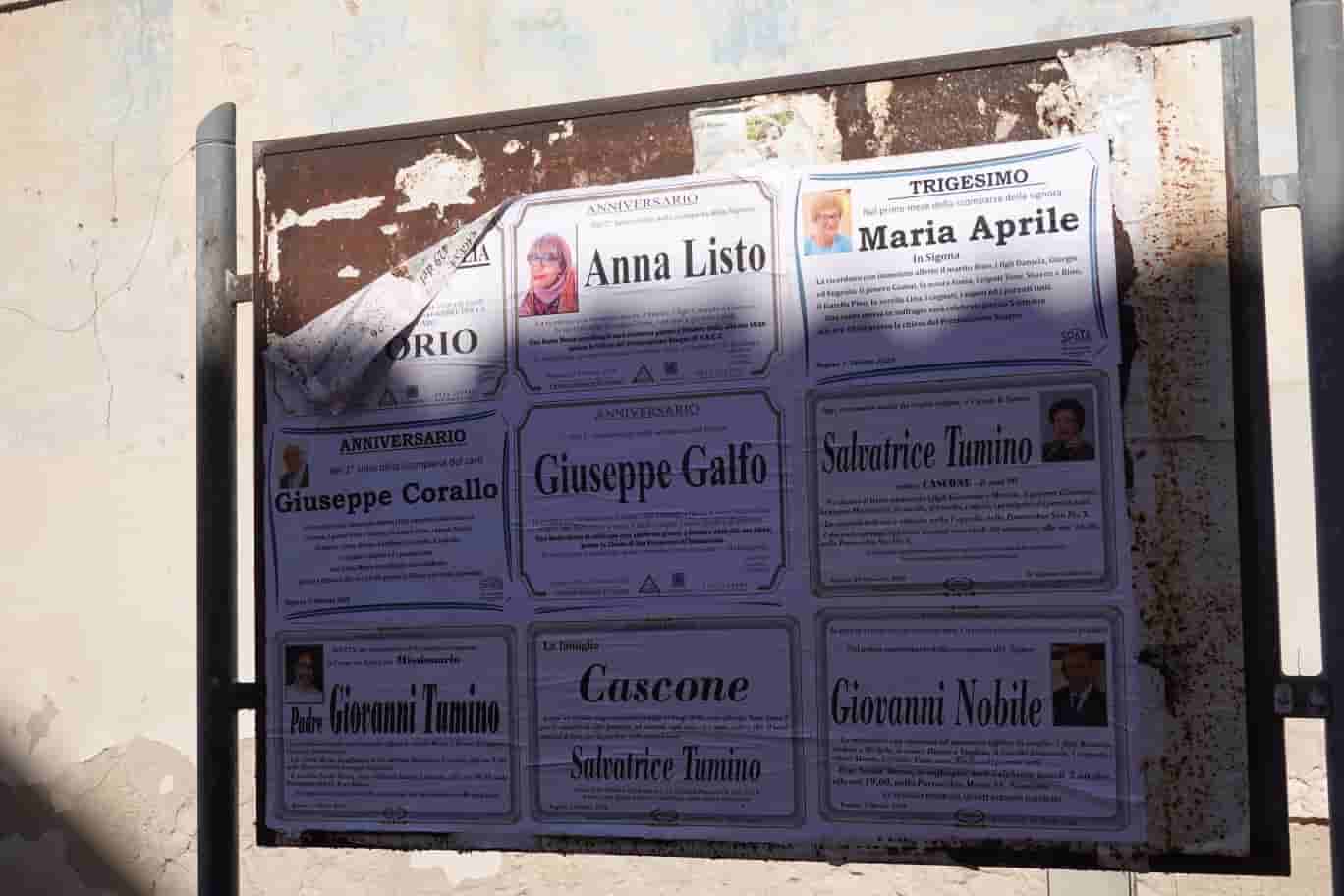
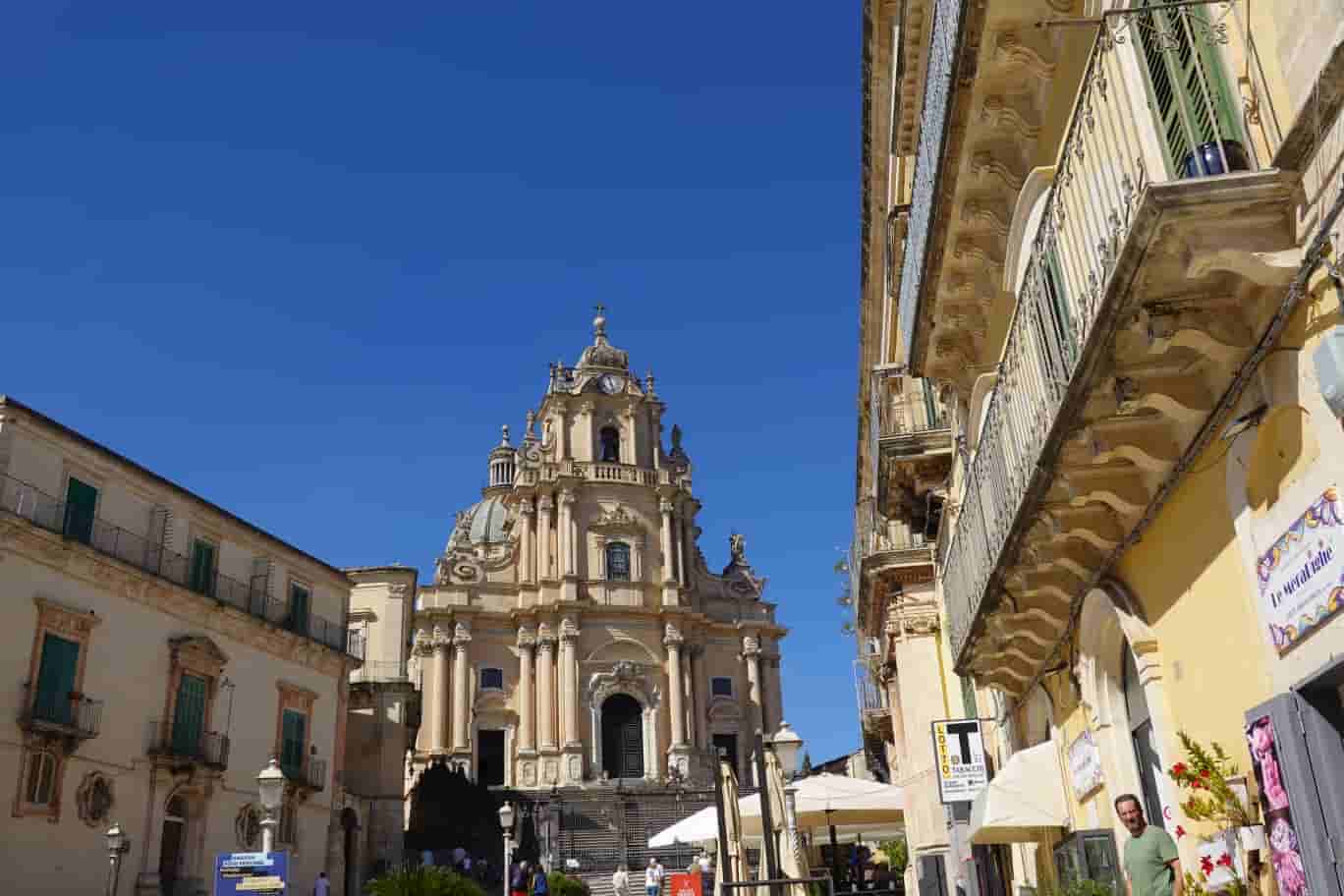
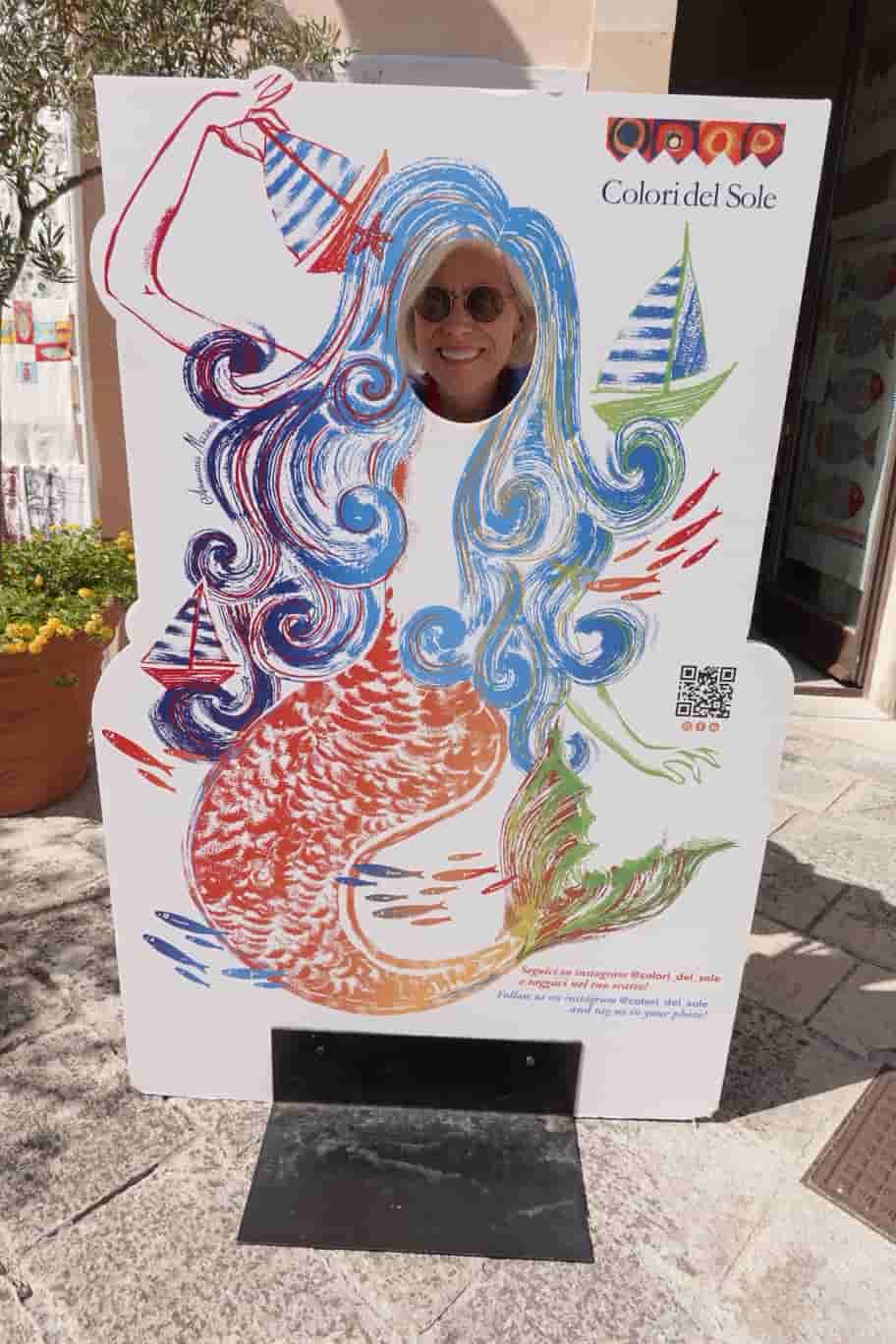
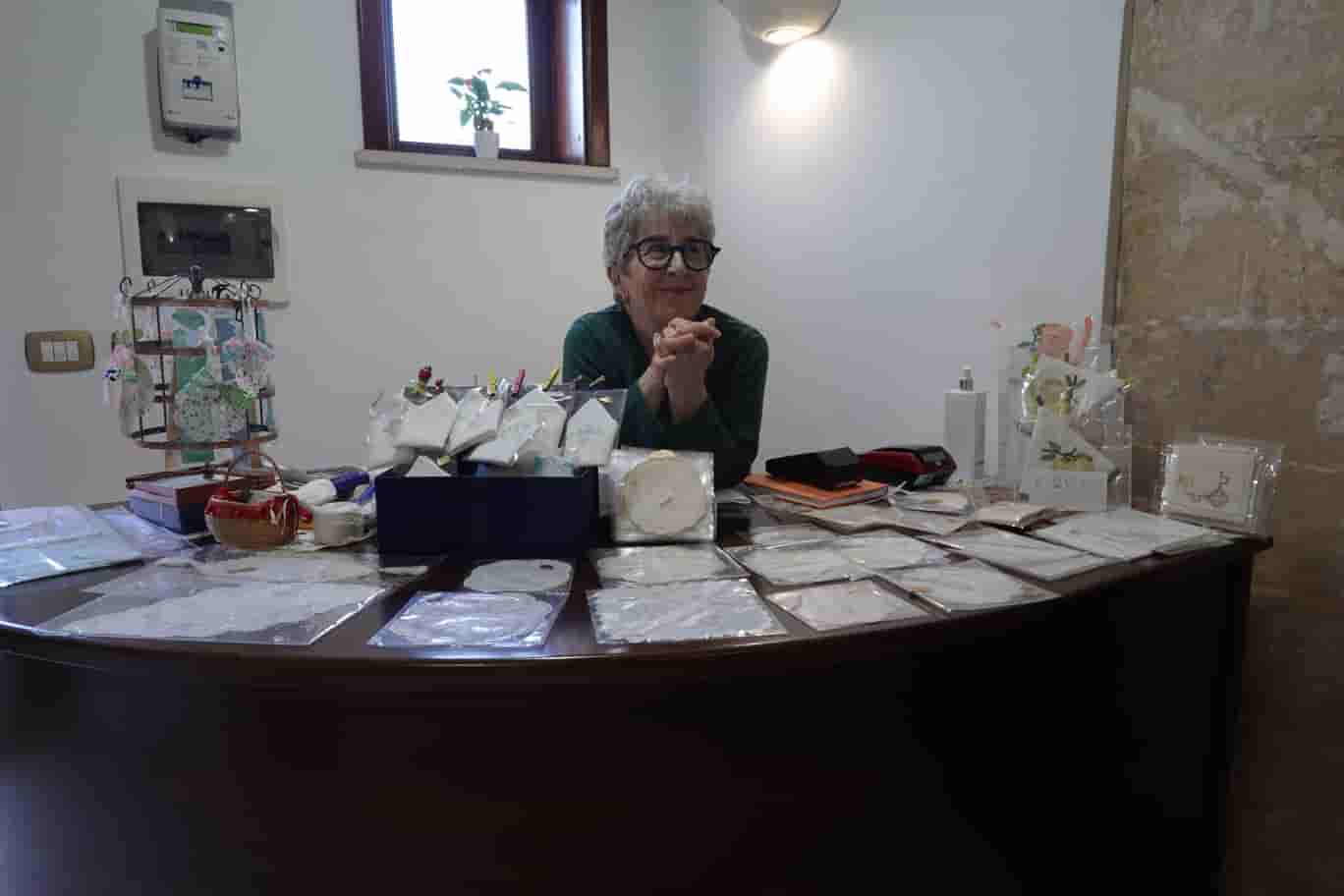
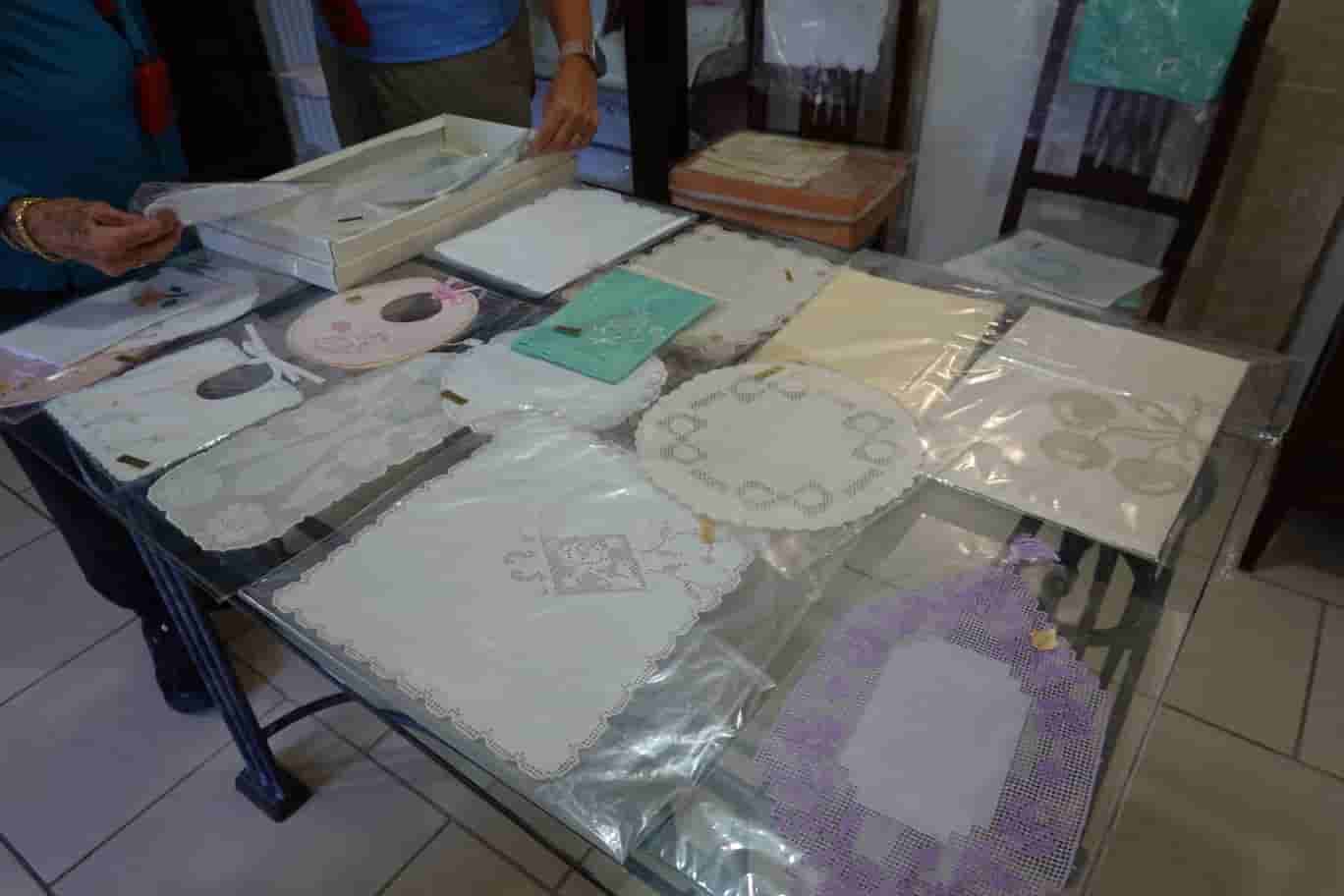
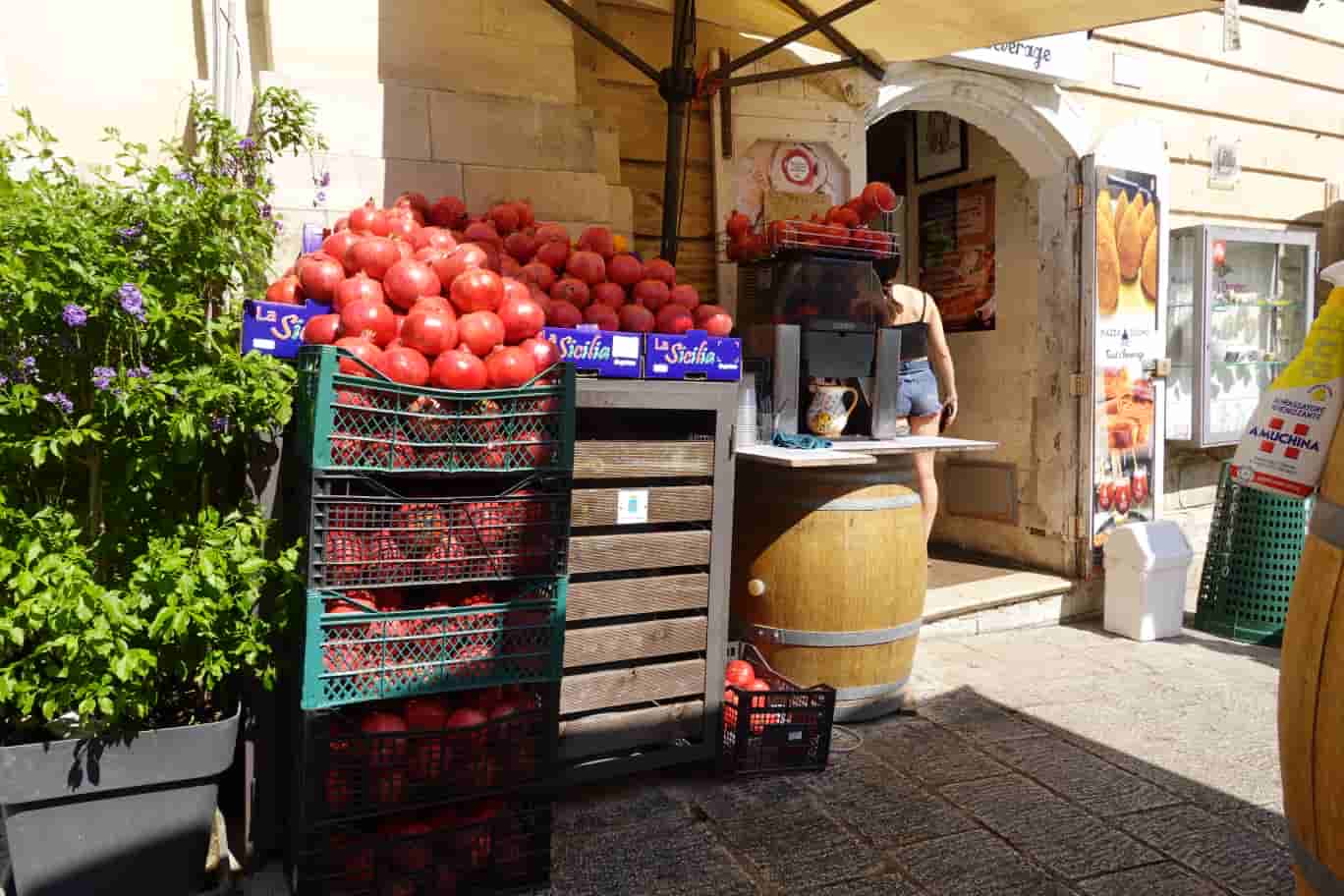
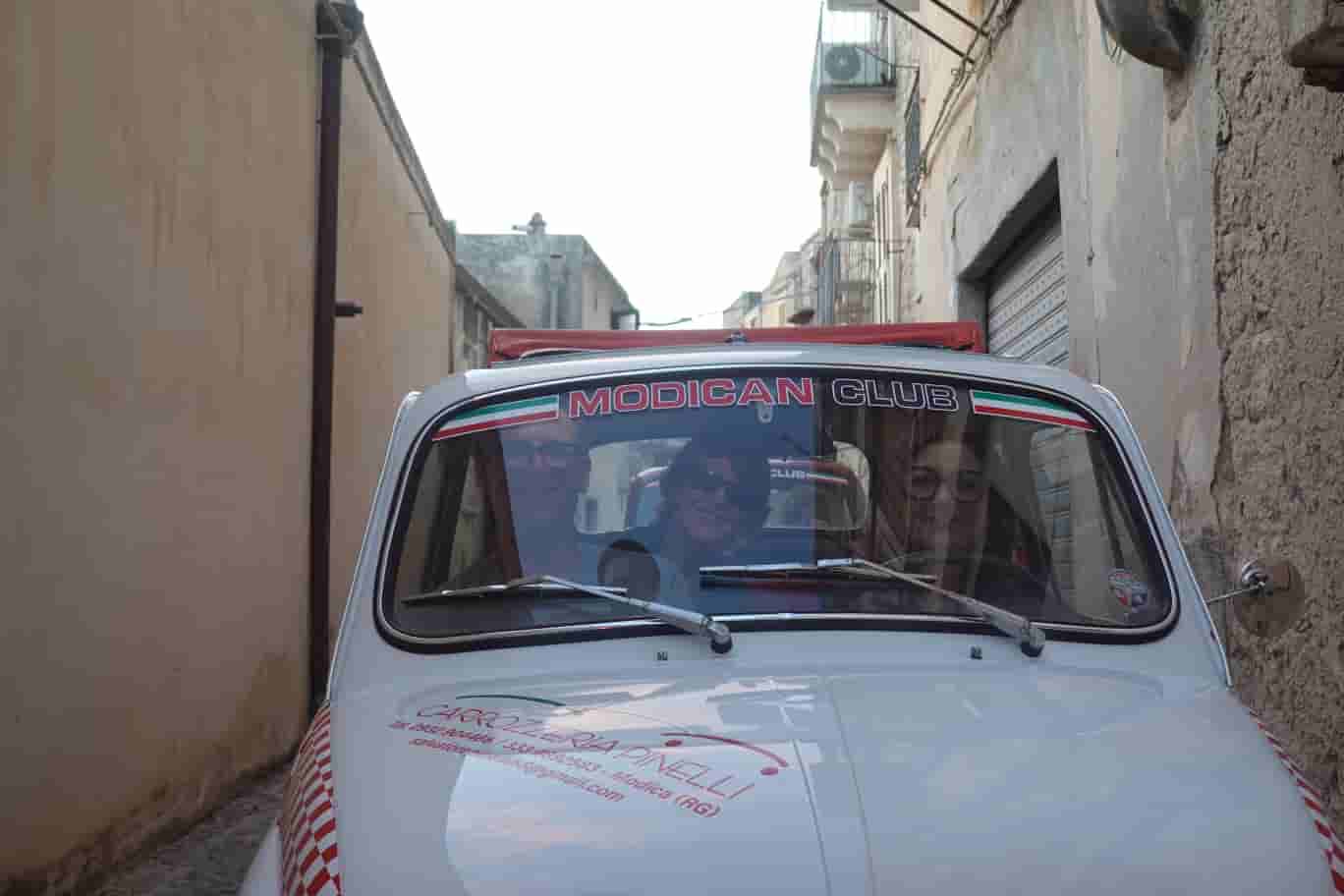
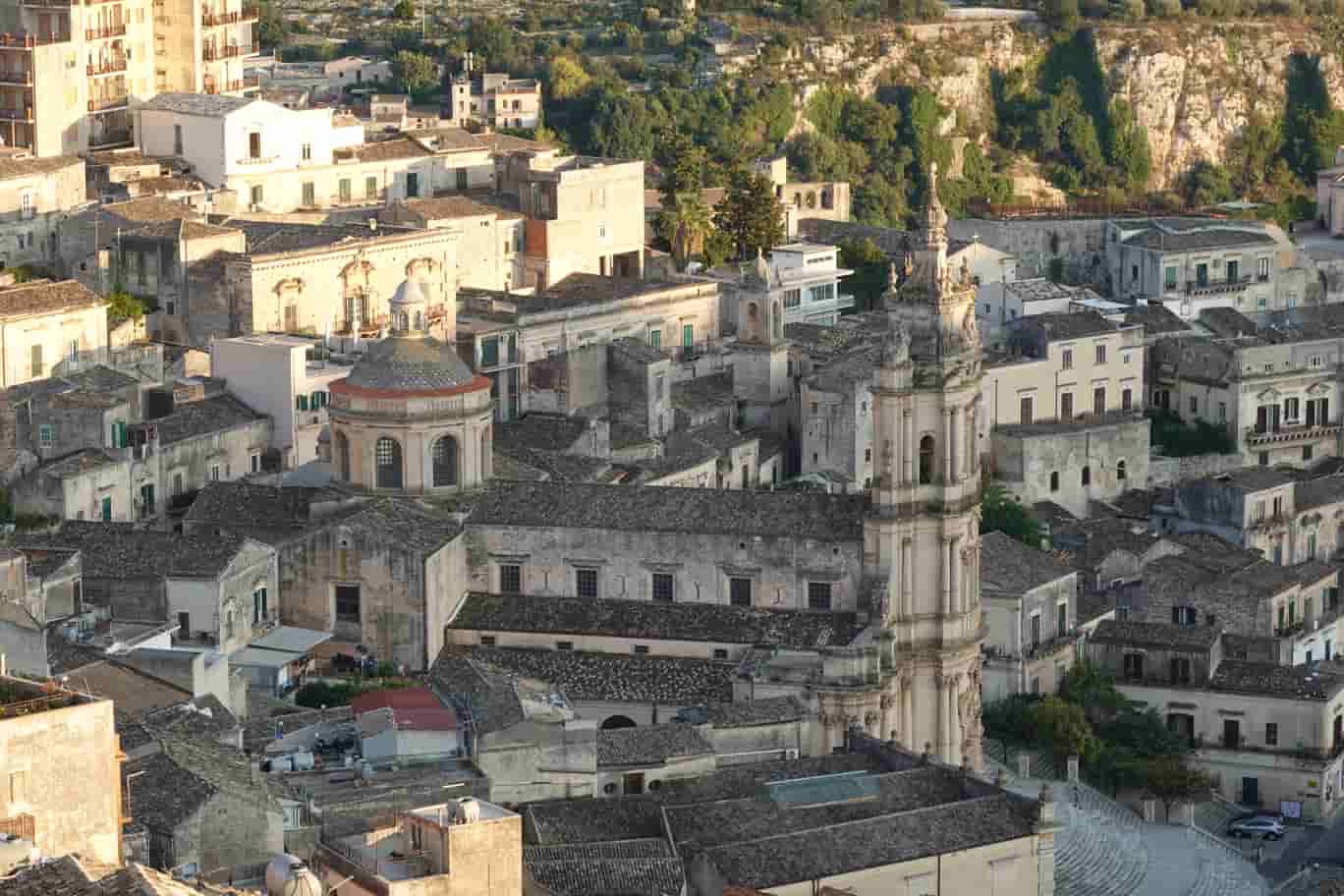
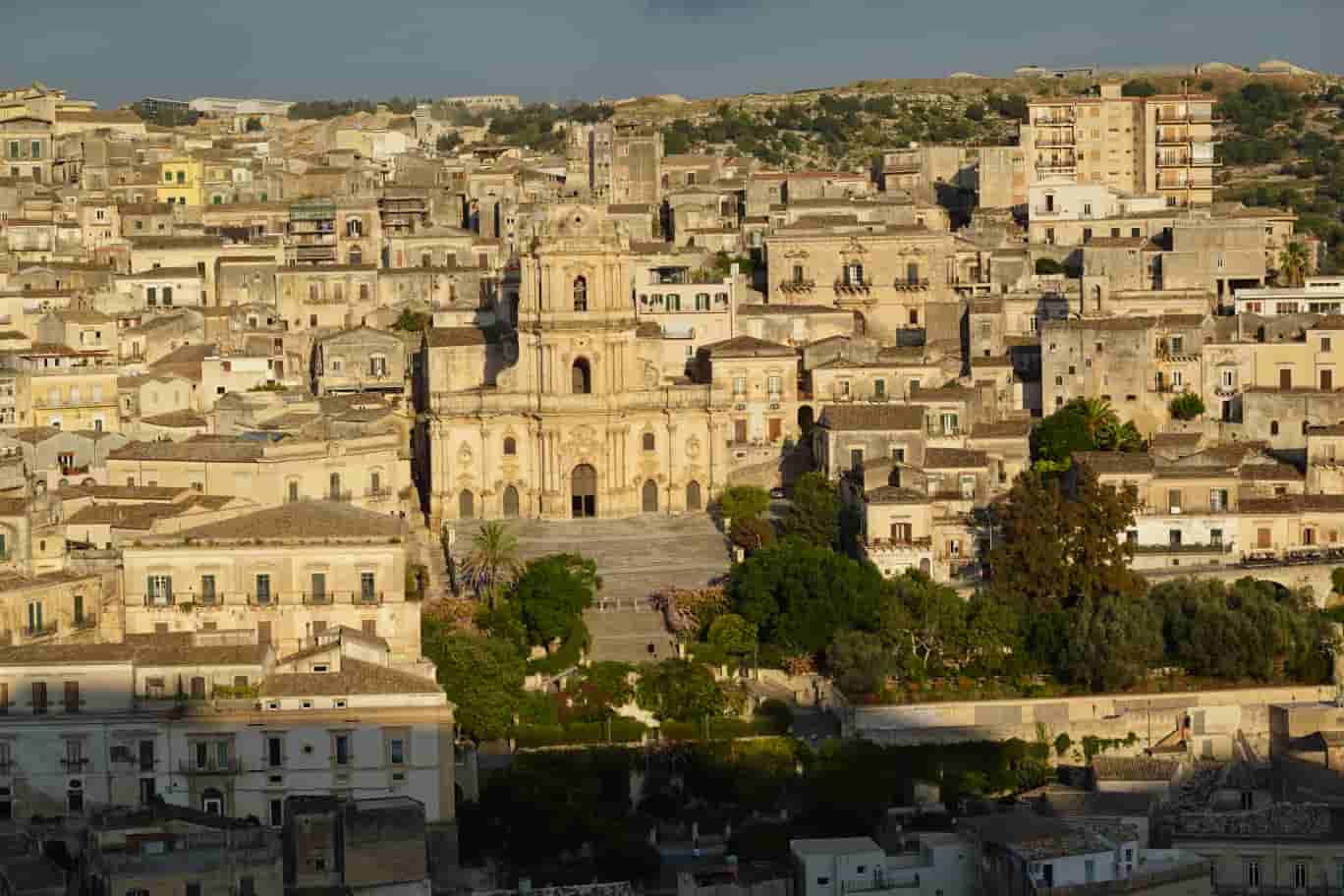
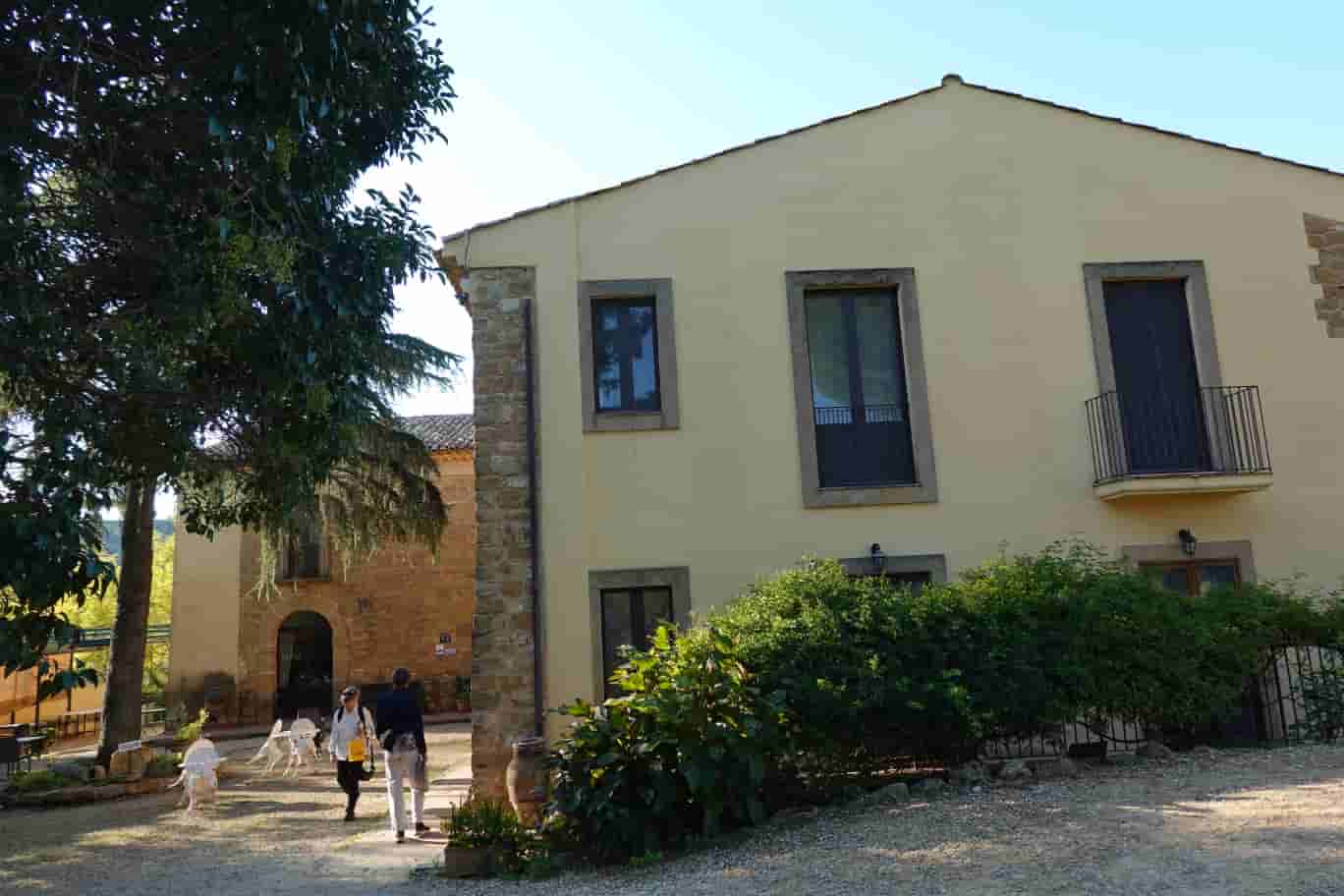
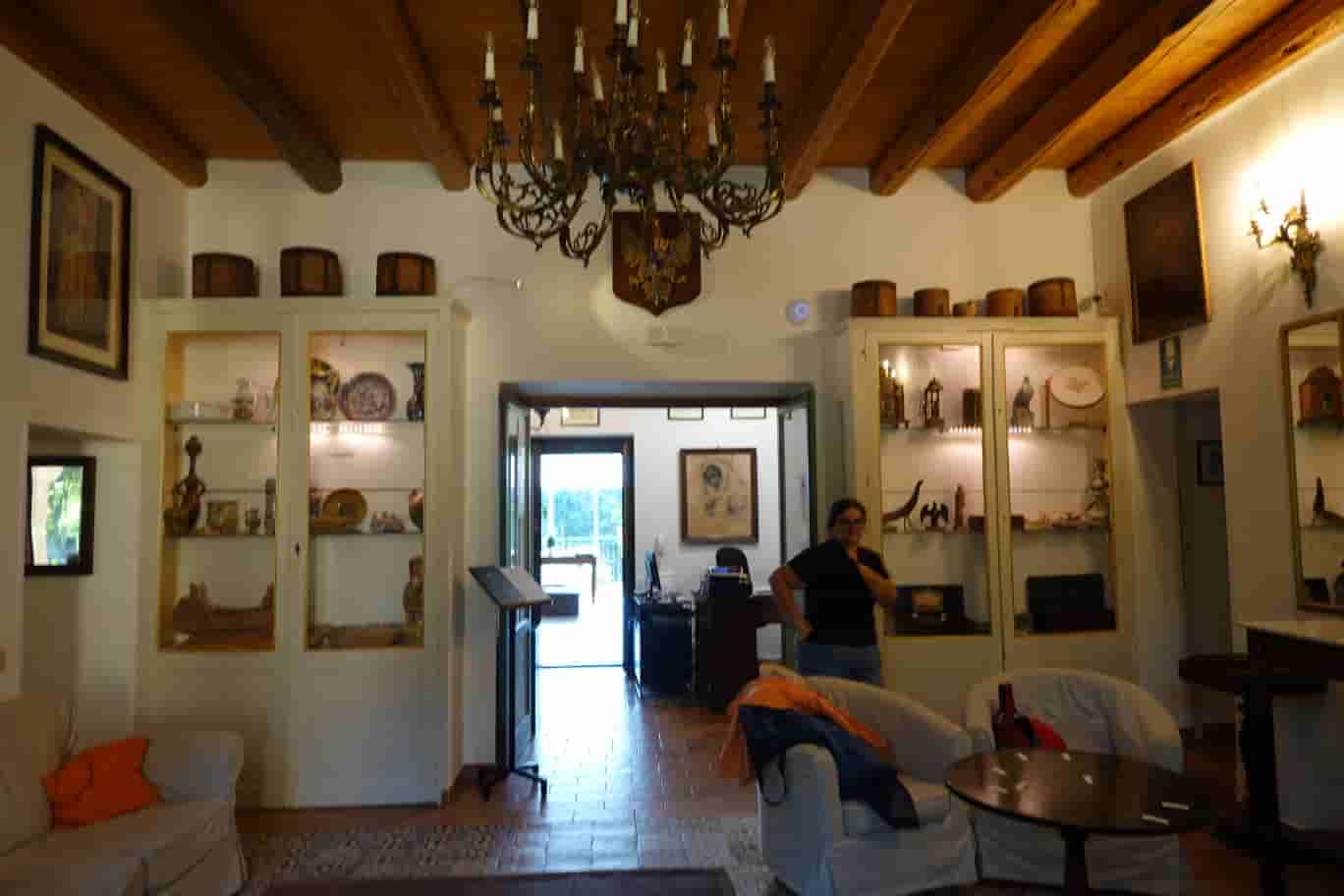
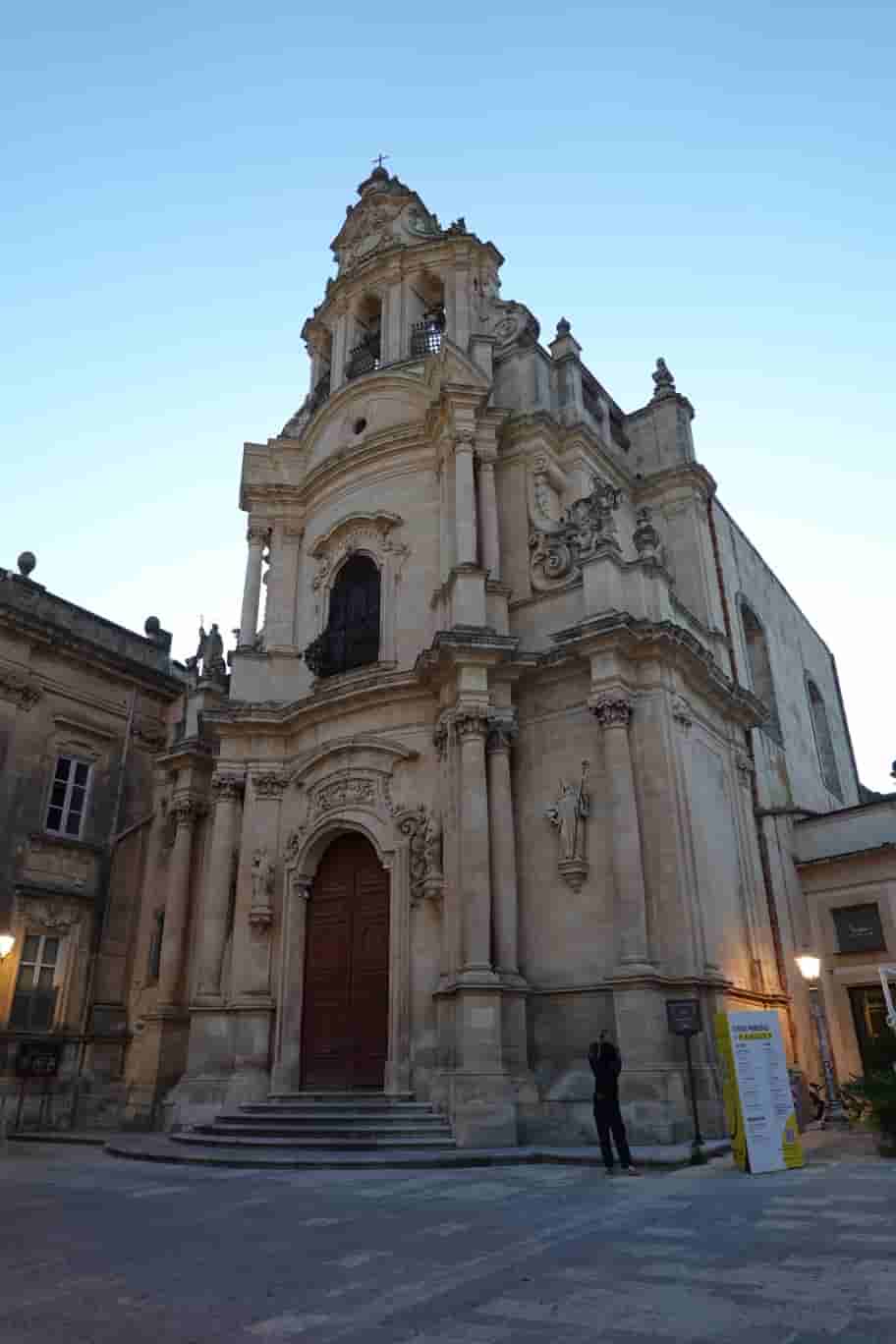
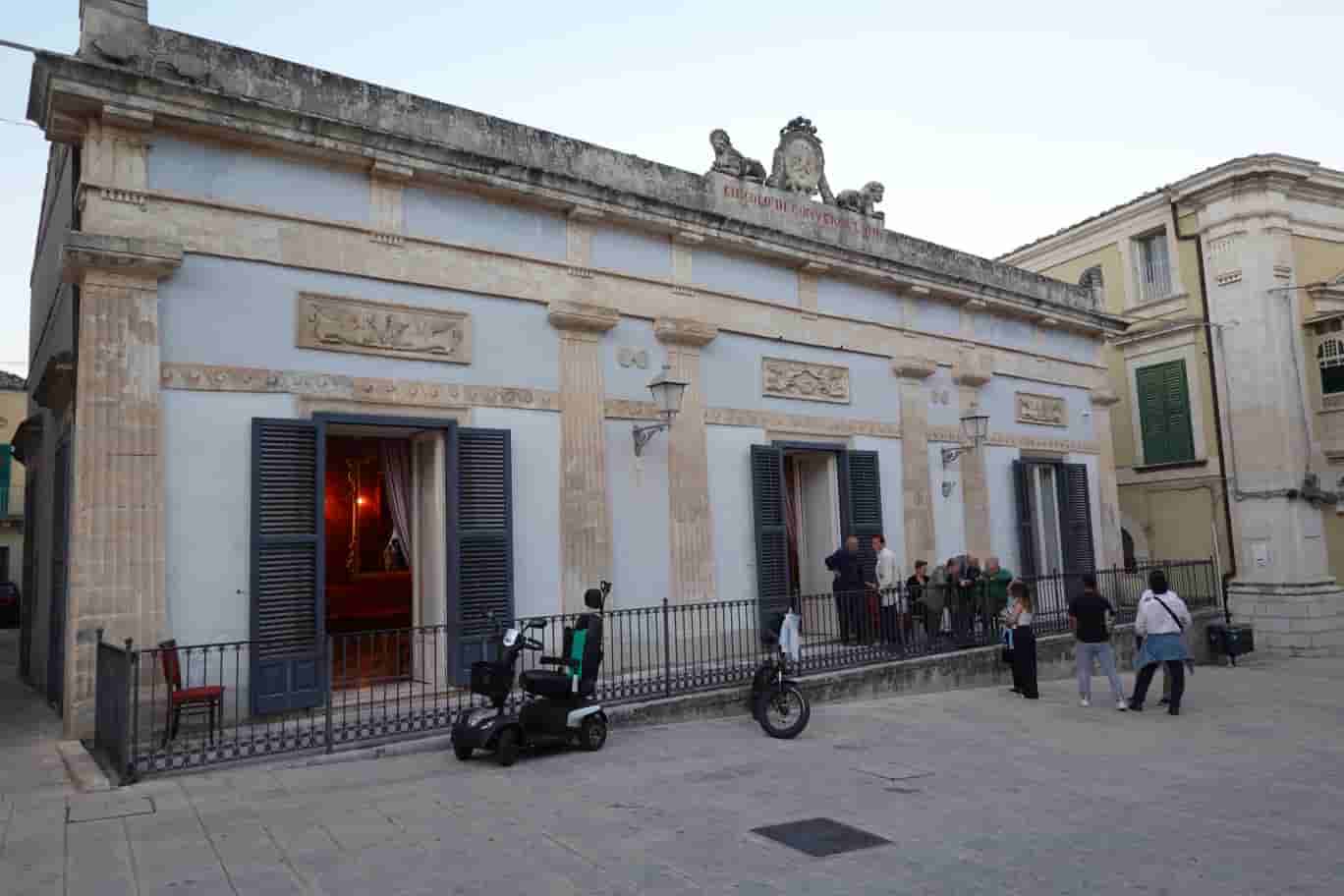
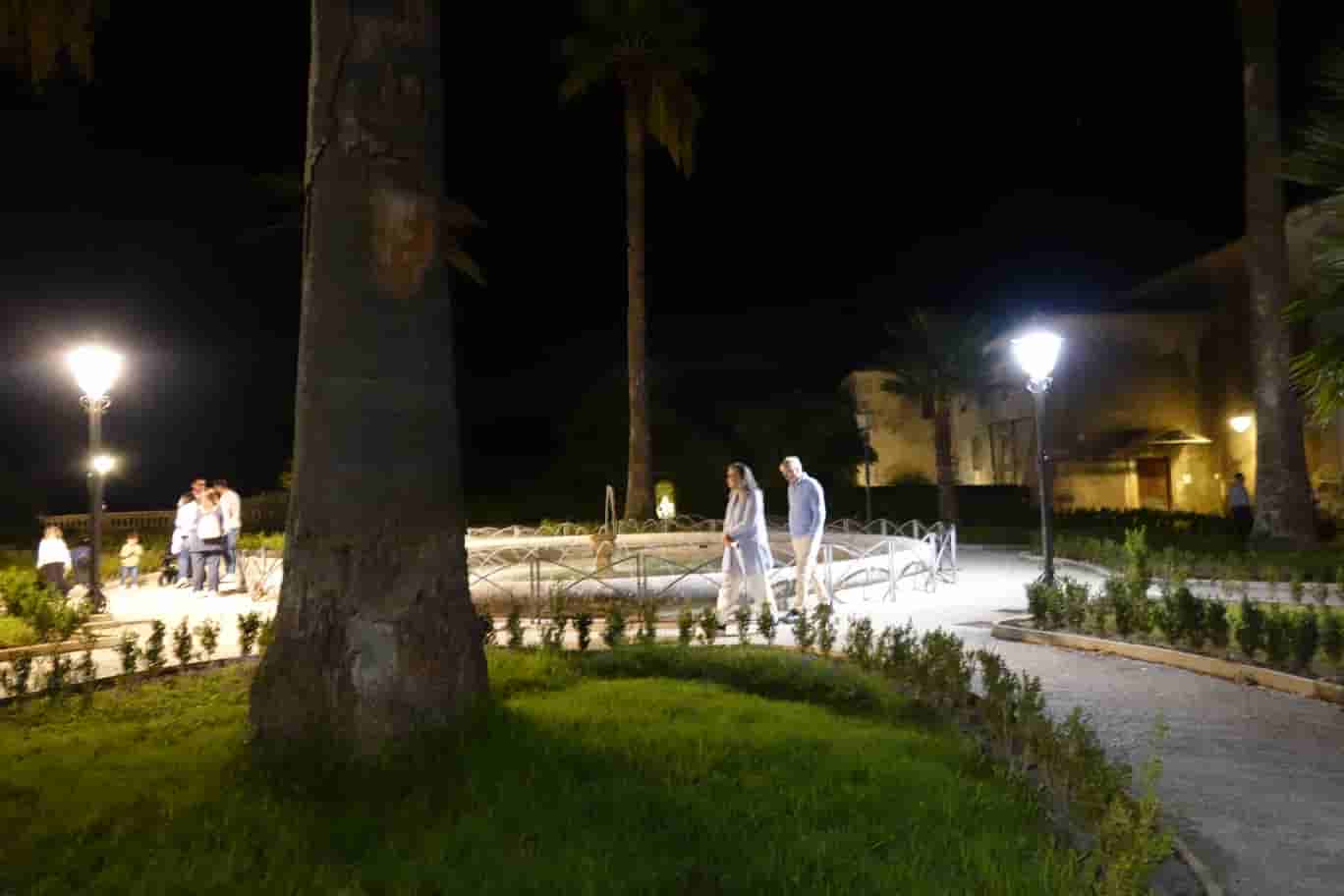
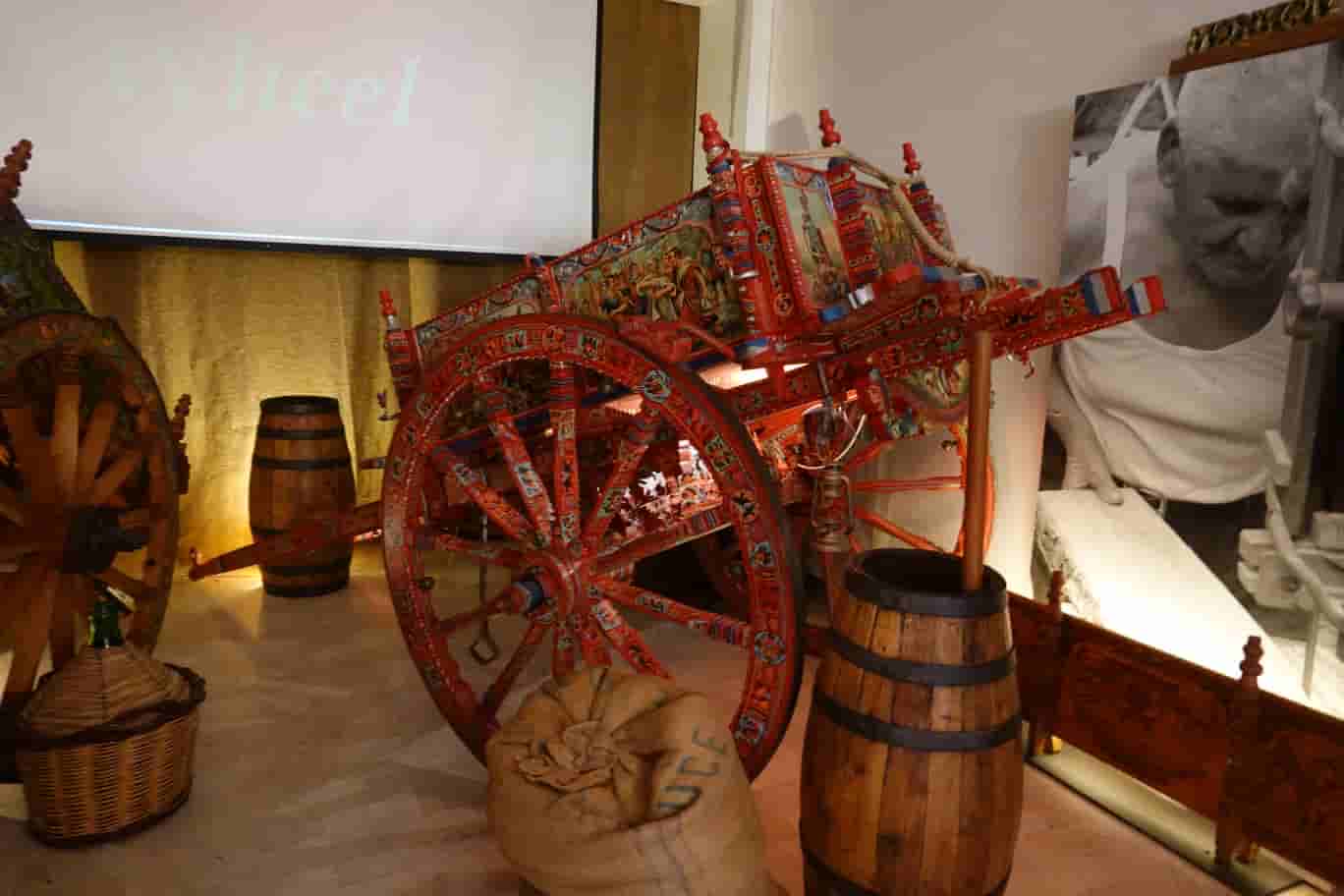
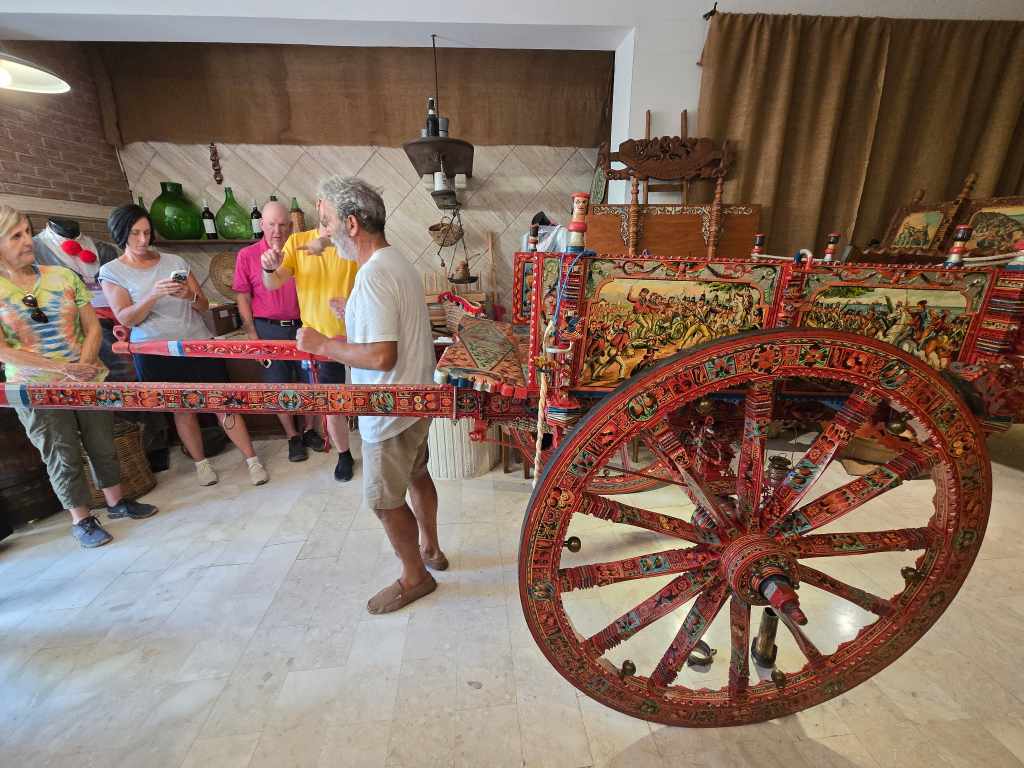
Here are some pictures of the town.

We returned to Palermo and were dropped off near the puppet theater. We attended a performance of Opera dei Pupi. Even though we couldn’t understand the words, we laughed a lot and enjoyed the show. Apparently, you don’t need to speak Italian to understand a good sword fight and a little melodrama.

Dinner was not included in the tour, so Anne and I ended the day with gelato.

September 28, 2026 Palermo, Sicily

Palermo certainly knows how to make an entrance. In one day, we went from ancient churches and gold-covered mosaics to Sicilian street food, marionette theater, shopping, and a very personal discussion about the Mafia. And that was just our first full day in Sicily!
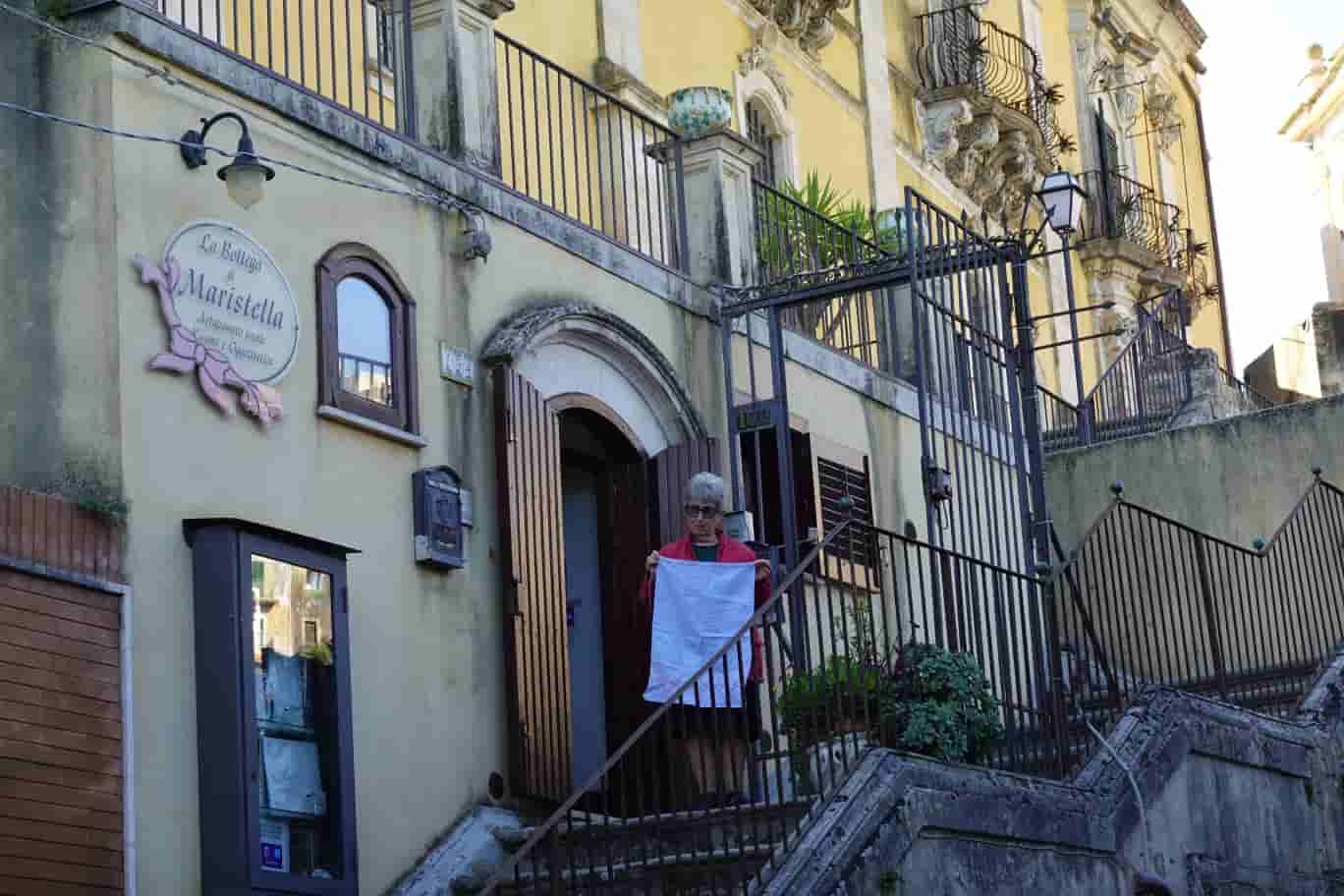
We started our day with a walking tour of Palermo, the capital and largest city in Sicily. With its roots going back to the 8th century BC, Palermo has been shaped by centuries of different cultures and civilizations. We saw a number of major sites, including the Teatro Massimo opera house, Palermo Cathedral, Fontana Pretoria, the Vucciria market, and Quattro Canti. And those are just some of the highlights—Palermo has more than 300 churches! The weather was perfect for a walking tour.

Here are some pictures from our walk.

After our walk, Nico, our guide, surprised us with arancini, a traditional Sicilian food. They were delicious! Some of the group then went off to do their own thing, while Nico had another surprise up his sleeve.

We went to visit the theater where they perform Opera dei Pupi, a traditional Sicilian marionette show. The theater we visited is a fourth-generation, family-owned business where they make the marionettes as well as perform nightly shows. In the 19th century, the Sicilian elite went to the opera, while Opera dei Pupi gave ordinary people their own version of theater. It was almost like a soap opera because the story continued from one performance to the next, giving people a reason to come back every day. If we get back to town early enough tomorrow, we may go to a performance. Of course, it will be in Italian, but we have an English description of the story, so hopefully we’ll be able to follow along!

Anne and I then separated from the group to visit the Royal Palace. Our visit included the royal gardens, the royal apartments, and the Palatine Chapel. We walked through the gardens and apartments, but the real draw was the chapel.

The ceiling and walls of the chapel are covered in gold Byzantine mosaics dating from the 12th century. It was absolutely amazing. It kind of reminded me of the Sistine Chapel in one respect: you are herded into a room and then everyone just stands there staring at the ceiling! Of course, in this case, the ceiling is covered in shimmering gold mosaics rather than Michelangelo’s paintings.

We walked and shopped our way back to the hotel. I did some window shopping and may have to go back for an item or two for myself. Anne actually made a purchase, so apparently she was more decisive than I was!

After about an hour of downtime, the group gathered for a meeting about the Mafia. The first hour focused on the history of the Sicilian Mafia and its relationship with Sicily, including its role during World War II.

During the second hour, we heard from the son of Sicilian Mafia boss Bernardo Provenzano. His father spent 43 years as a fugitive, and his son was born during the 12th year of that period. He told us that his father deliberately kept him away from the Mafia and did not want him to become involved.

What struck me most was hearing about the impact his father’s criminal activities had on his life, even though he had not participated in them himself. He grew up carrying the consequences of his father’s identity and actions, which made for a very personal and powerful discussion.

That evening, we had our welcome dinner. I sat with our guide, Nico, and we laughed a lot. After a very full day of walking, sightseeing, history, and some unexpected surprises, I’d say it was a wonderful first day in Palermo.

September 27, 2026 Lecce to Palermo, Sicily

Today was a travel day. Our pre-trip has officially wrapped up, and we’re on to the main tour, which starts in Palermo.

We left the hotel at 8:00 and drove to Brindisi to catch a flight to Rome. From Rome, we flew to Palermo, not the most direct route. Both flights were late, and the airports were a little chaotic, but we eventually made it to Palermo in one piece—which is really all that matters on a travel day!

Screenshot

Once we arrived at the hotel, we met our new guide, who is also named Nico. Apparently, one Nico wasn’t enough for this trip! We had a few minutes to get settled before meeting the rest of our group. Seven new people joined us, so there were lots of introductions and names to try to remember.

After that, Nico took us on a short walk around the neighborhood and showed us where the bank, supermarket, pharmacy, and other necessities are located. It’s always nice to get the lay of the land when you first arrive somewhere new.

The Puglia group and one of the new people went out for dinner, but after a long day of airports, delayed flights, and getting settled, I was ready to call it a night.

It’s been a great week in Puglia, and now it’s time to see what Sicily has in store for us. I’m looking forward to exploring Palermo tomorrow—after a good night’s sleep, hopefully!

September 26, 2026 Lecce

Today we explored Salento, the southern portion of Puglia. We left the hotel at 9:40 and drove about a half an hour to Galatina. The Basilica of Saint Catherine of Alexandria, a 14th-century Gothic-Romanesque church, famous for its medieval frescoes, is the main attraction in Galatina. The frescoes depict the Apocalypse, the Old Testament, the life of Jesus, and the life of Saint Catherine. The frescoes were breathtakingly beautiful. In addition to the frescoes, the church houses a relic—the finger of St. Catherine.

The other thing Galatina is famous for is the tarantello, a fast-paced traditional dance. We saw people dancing it in the square outside the church. Between the 15th and 17th centuries, it was widely believed that if a person, typically a woman, was bitten by a local wolf spider, they would fall into a hysterical, deathly stupor known as tarantism. The only suspected cure was a frenzied ritual in which musicians played fast-paced music while the victim danced for hours—or even days—to supposedly “sweat out” the venom.

Over time, the medical myth faded, but the dance survived. Today, tarantello is celebrated as a lively couple or group dance and is part of local festivals, weddings, and cultural celebrations. Here is a picture of a sculpture garden memorializing the spider and therefore the dance.

While in Galatina, we stopped for pasticciotto, a traditional oval-shaped Italian pastry made from crumbly shortcrust dough and filled with rich egg custard. It was invented in Galatina. It was tasty, but I’m not a big fan of custard.

Here are some more pictures of Galatina

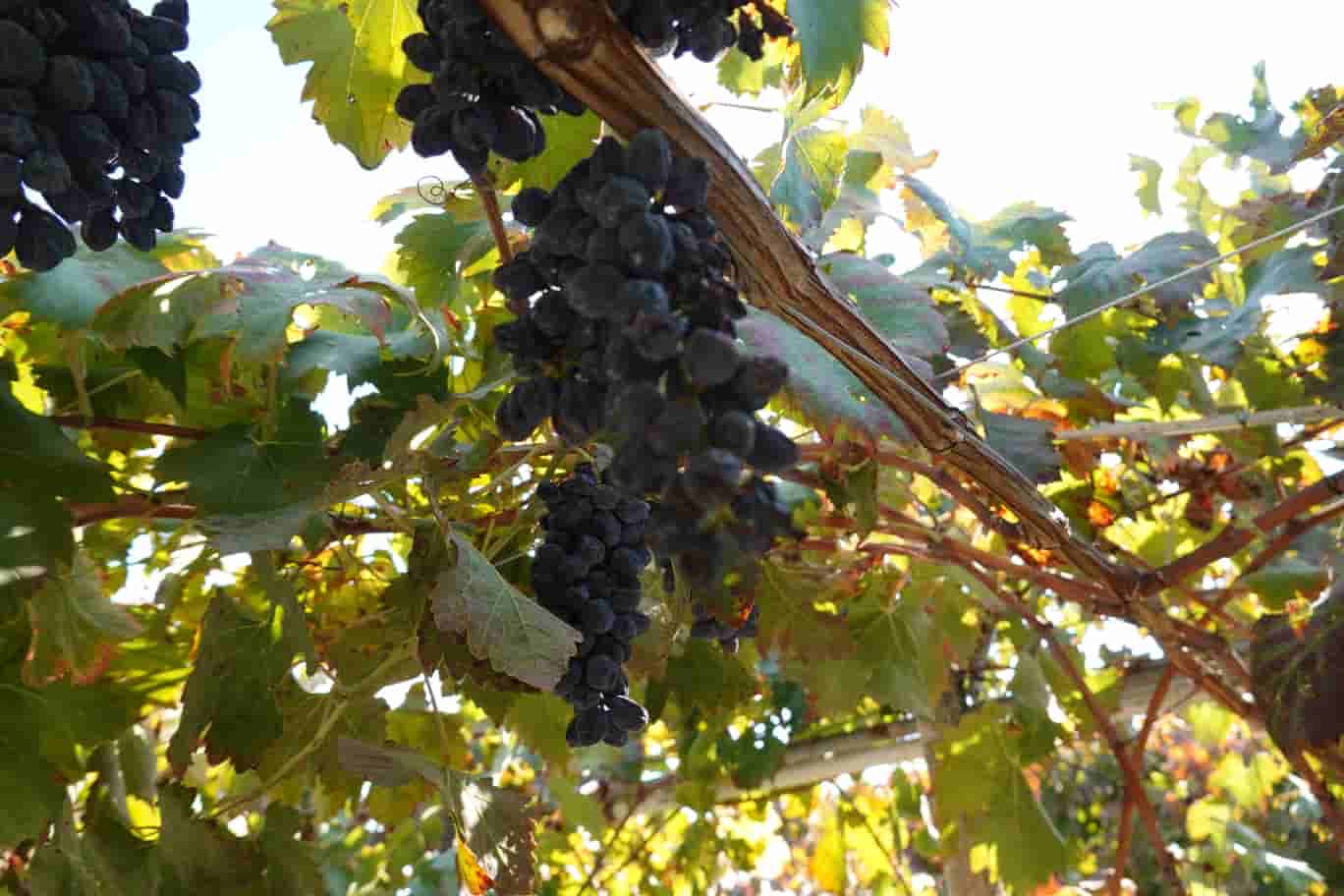
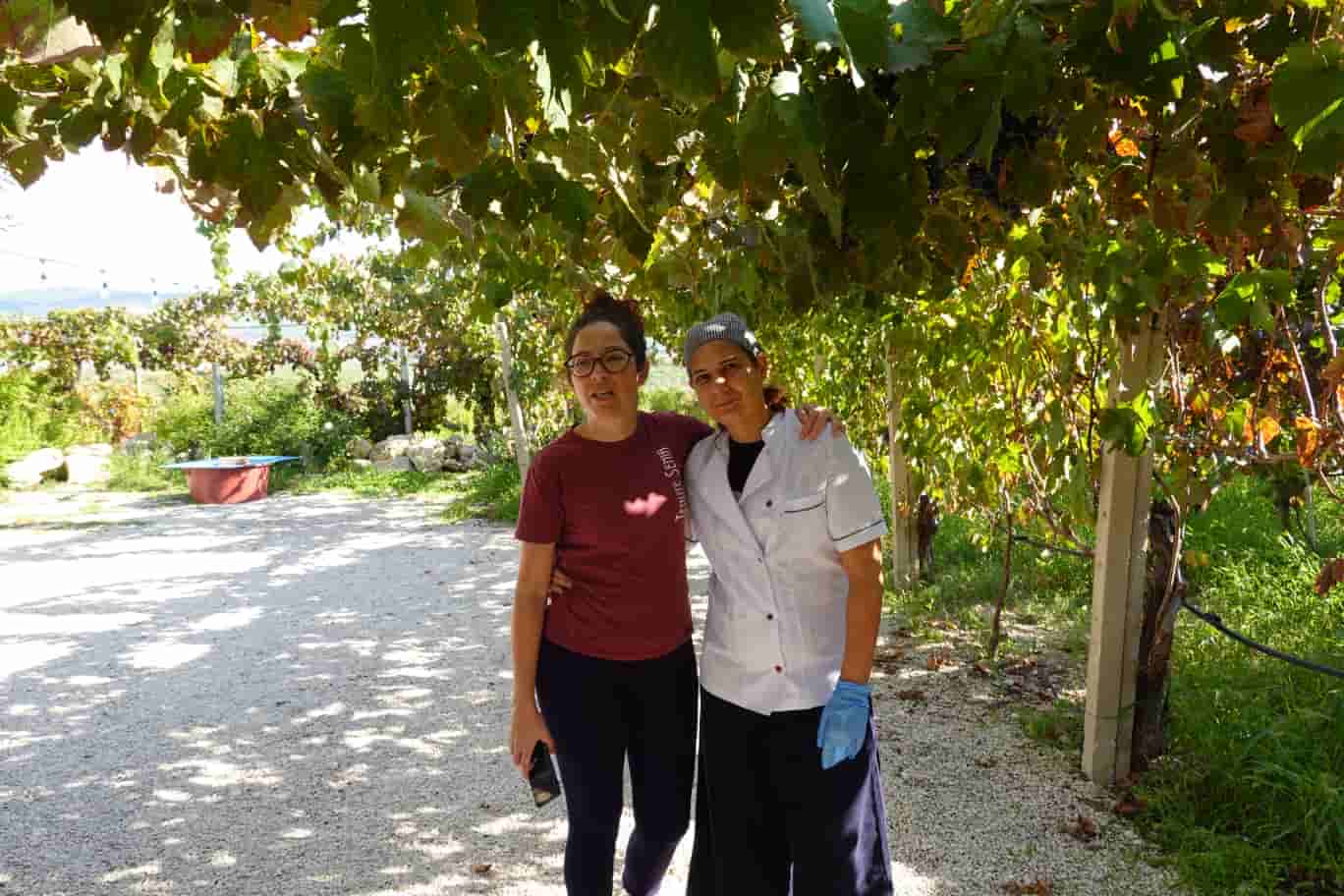
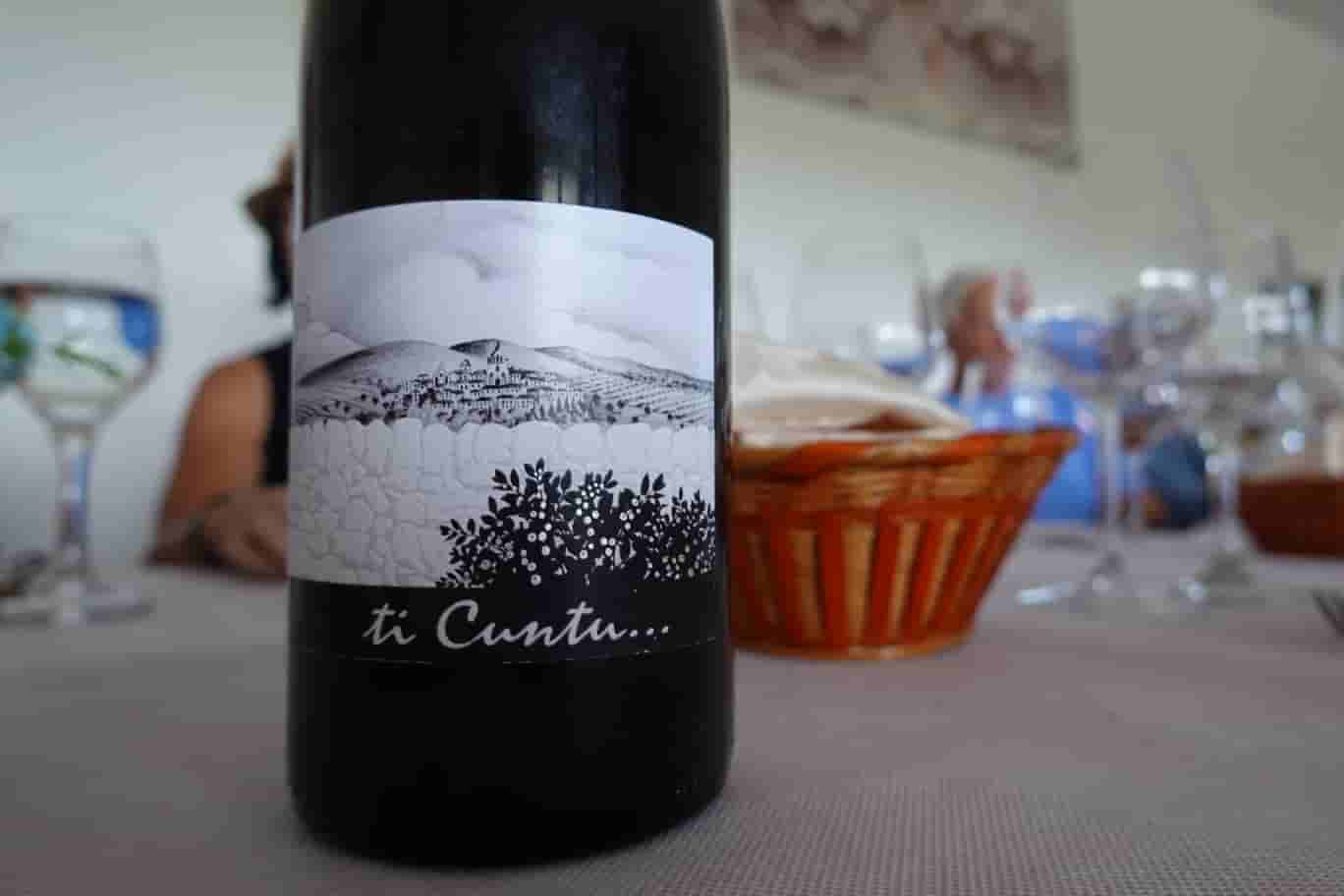
Back on the bus, we drove to a vineyard in Cutrofiano for a wine tasting and light lunch. The wine and lunch were quite good. After lunch, we got a short tour of the underground area that was once used to make olive oil and the wine cellars.

Otranto was our last stop of the day. Of course, there was another cathedral! This time it was Otranto Cathedral, which dates from the 11th century. Its most famous feature is the 12th-century mosaic floor, which is one of the largest medieval mosaic floors in Europe. The scenes include episodes from the Old Testament, medieval chivalric literature and bestiaries, and the Alexander Romance. The images are arranged around the Tree of Life.

In August 1480, Otranto was attacked and besieged by an Ottoman force. Clergy and survivors took refuge in the cathedral, but the Ottoman forces eventually broke in and killed those inside. The relics of many of those who were killed are also housed in the cathedral.

Here are some pictures of the town of Otranto

That evening was our pre-trip farewell dinner. Anne and I walked into town to do a little shopping before dinner. And since dinner was fish—which is not my favorite—we had gelato beforehand.

Here’s a picture from dinner.

Here’s a map of our journey

Screenshot

September 25, 2026 Lecce, Italy

I slept really well until 2 a.m., when I dreamed that my alarm had gone off, I hit snooze, went back to sleep, and was now late. I got up and started getting dressed, only to realize it was still the middle of the night! Luckily, I was able to get back to sleep quickly.

This morning it rained on and off. We had a walking tour of Lecce, which is known as the “Florence of the South” because of its beautiful Baroque architecture and its origin dates back to the 3rd century BC. Most of the buildings are made from Lecce stone, a soft limestone that is perfect for the intricate carvings and elaborate decorations characteristic of the Baroque style.

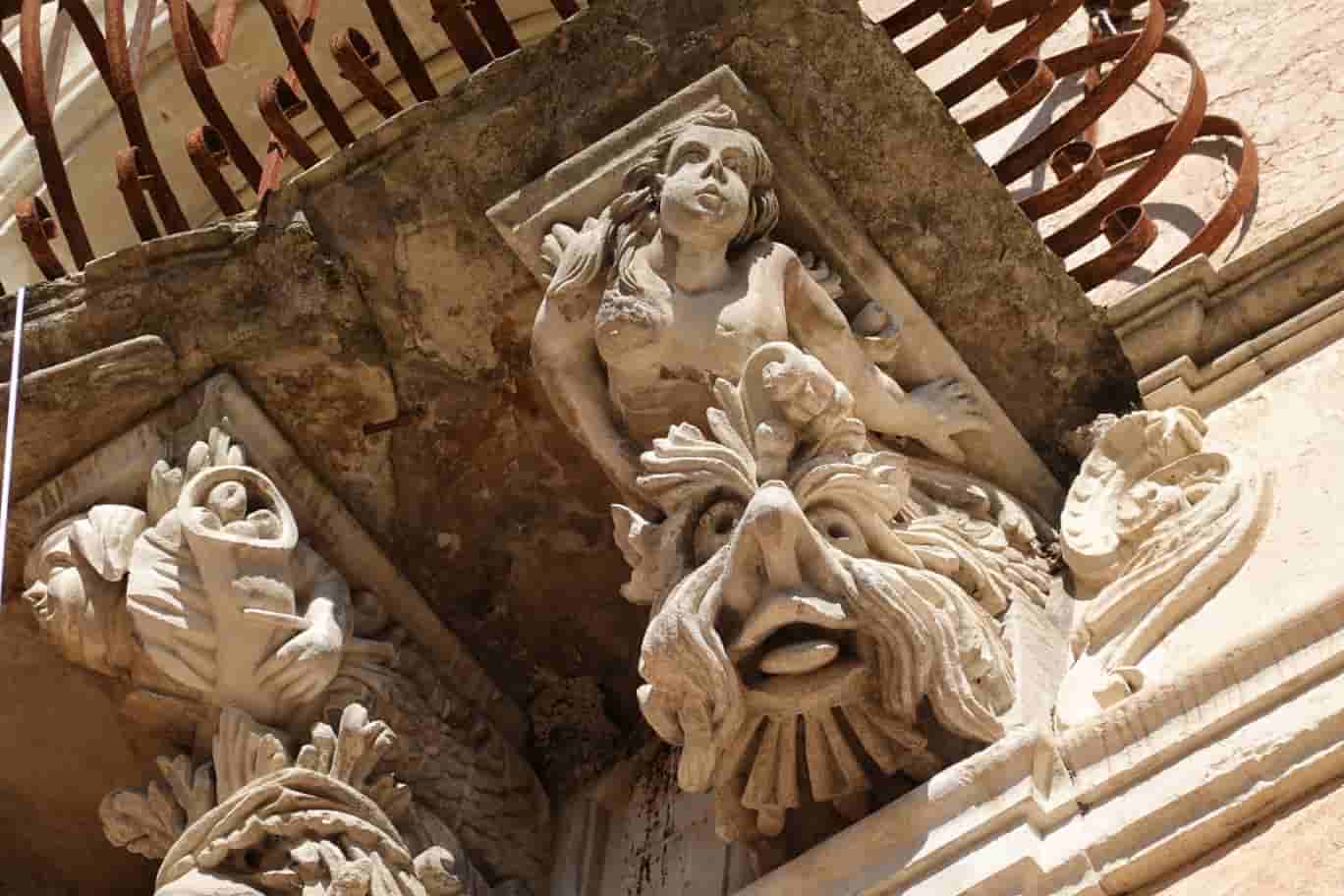
You can see how soft the stone is

The picture below shows the official coat of arms of Lecce. It is an angry dolphin with a crescent moon in its mouth. The dolphin represents the people of Lecce, while the crescent moon represents the Ottoman Empire. By depicting the dolphin holding the crescent moon, the emblem symbolizes Lecce’s defense against Ottoman incursions, particularly following the tragic Sack of Otranto in 1480.

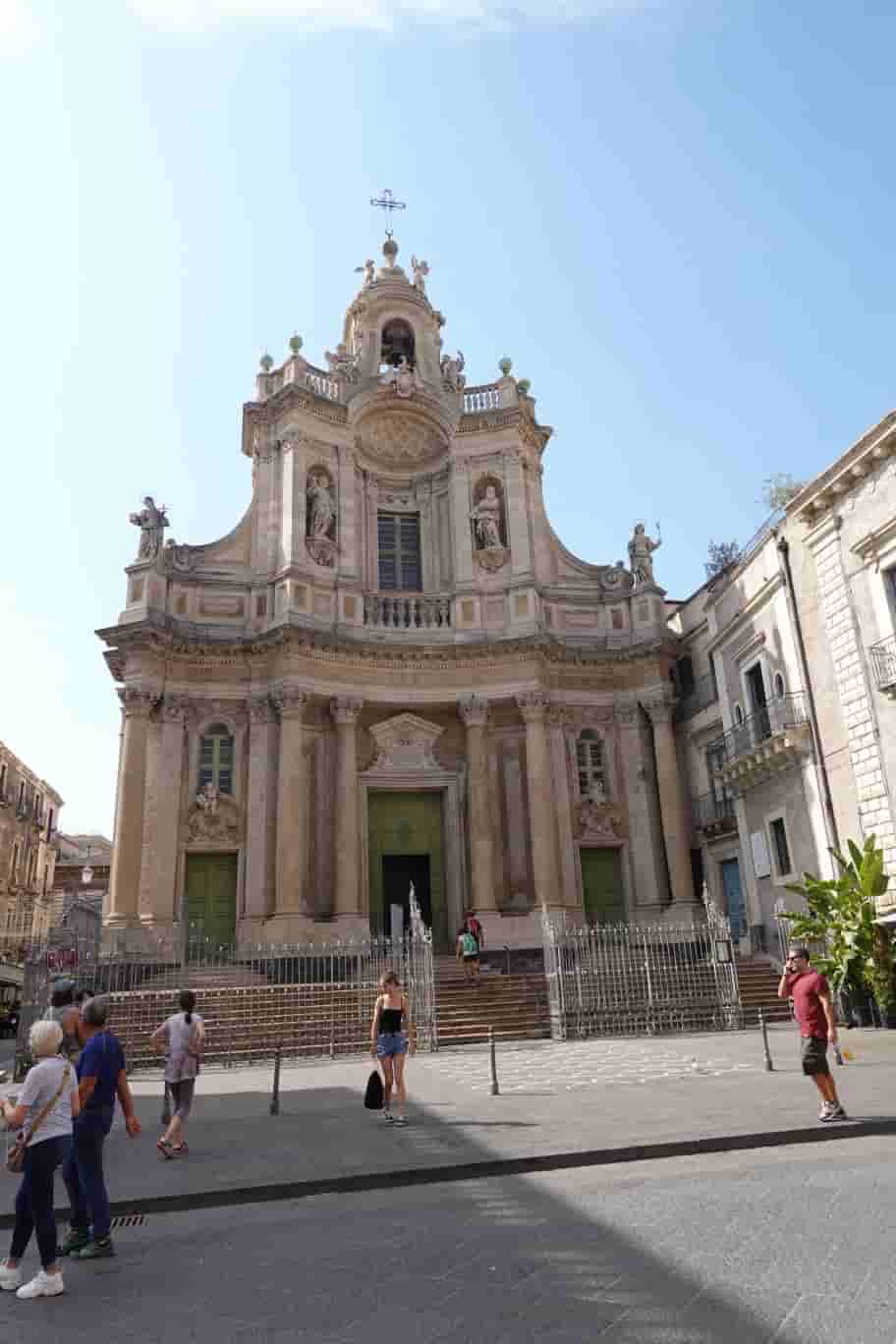
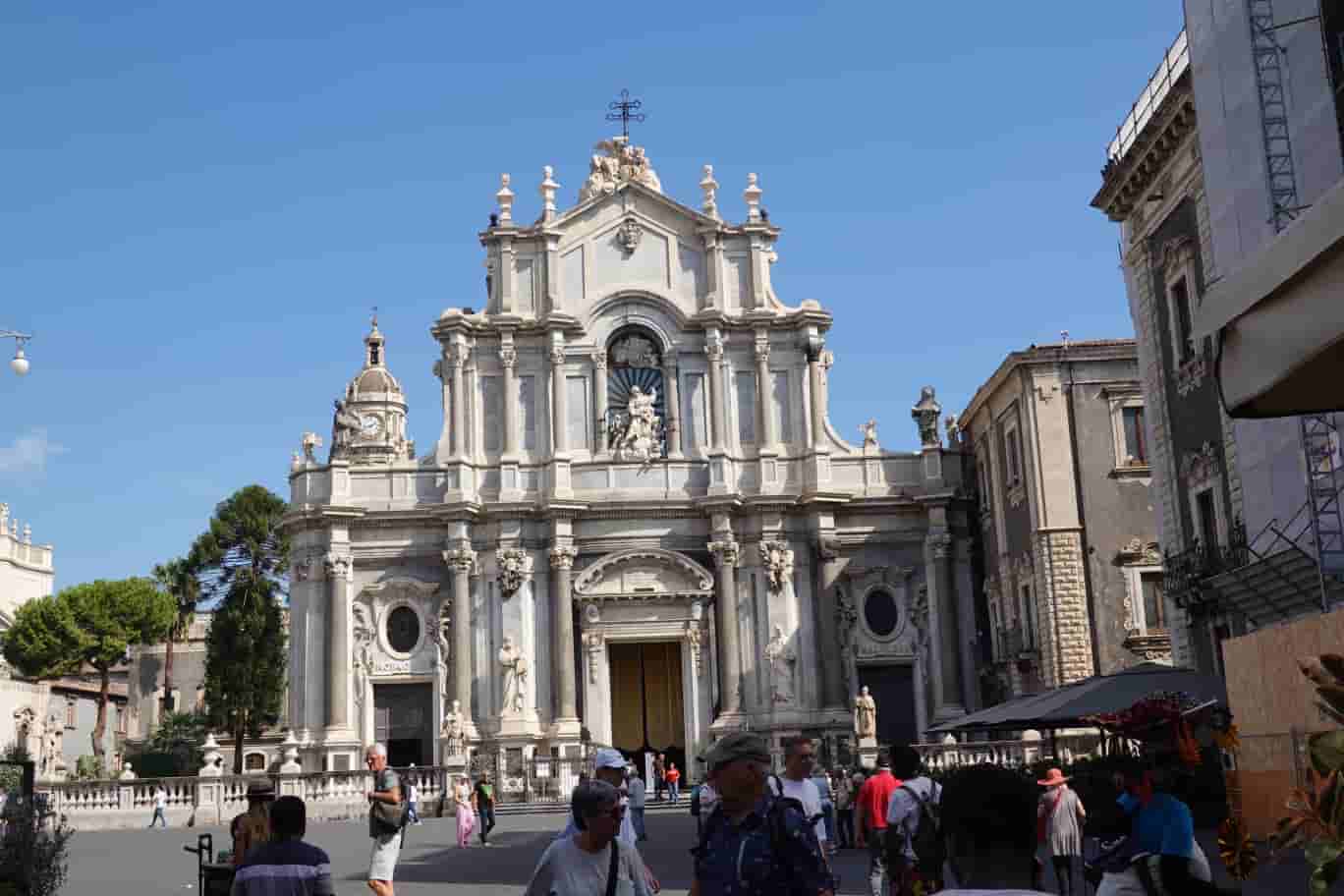
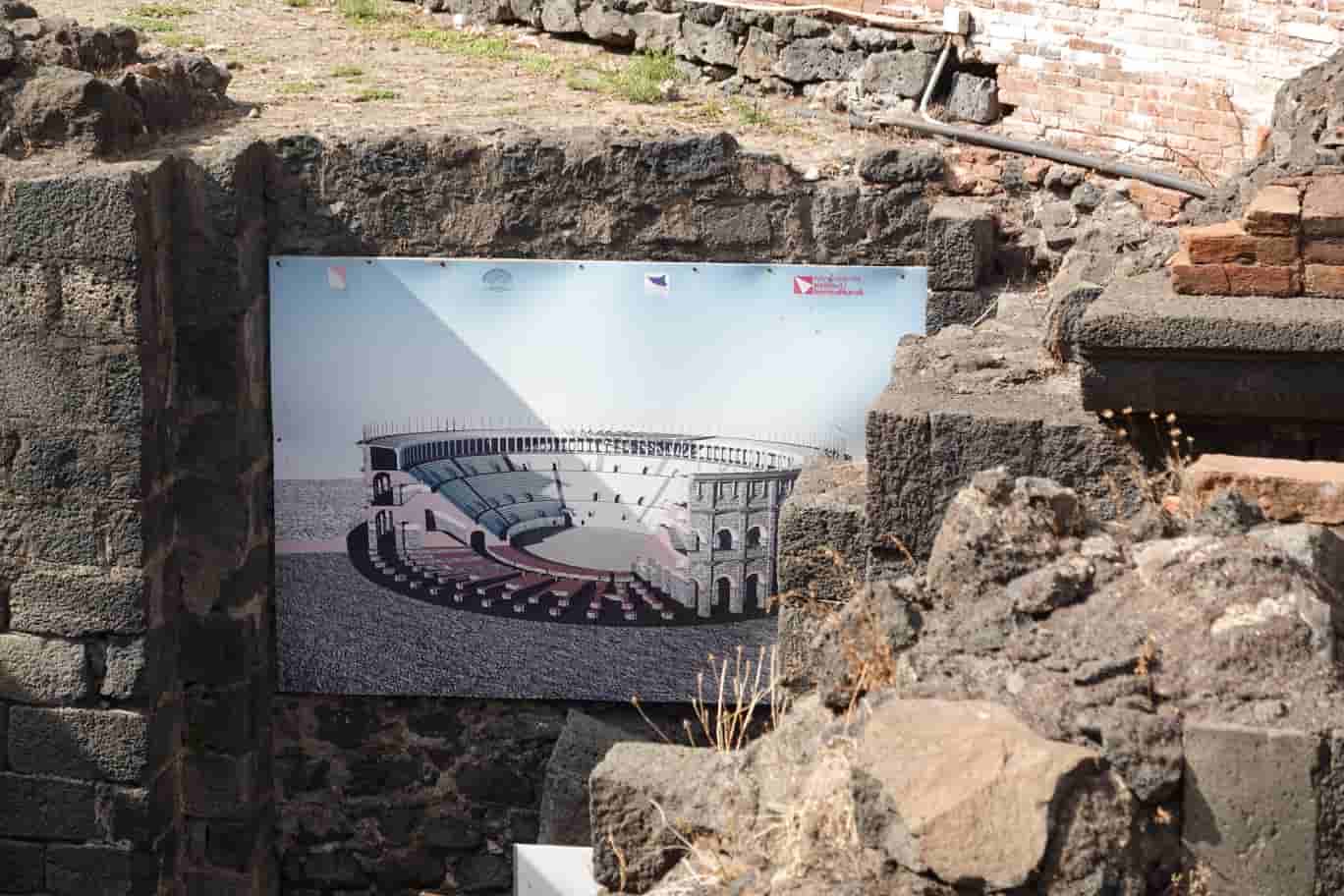
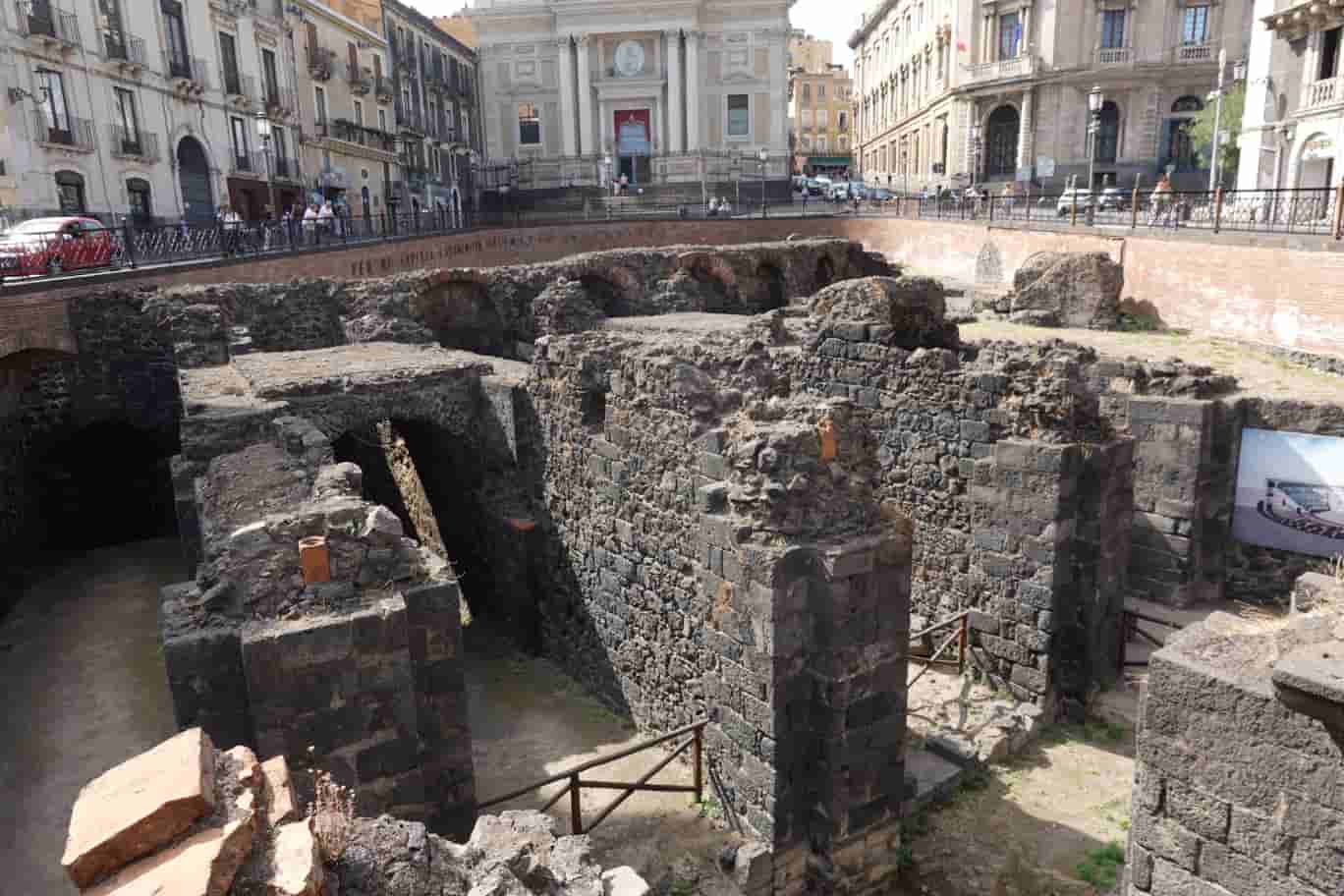
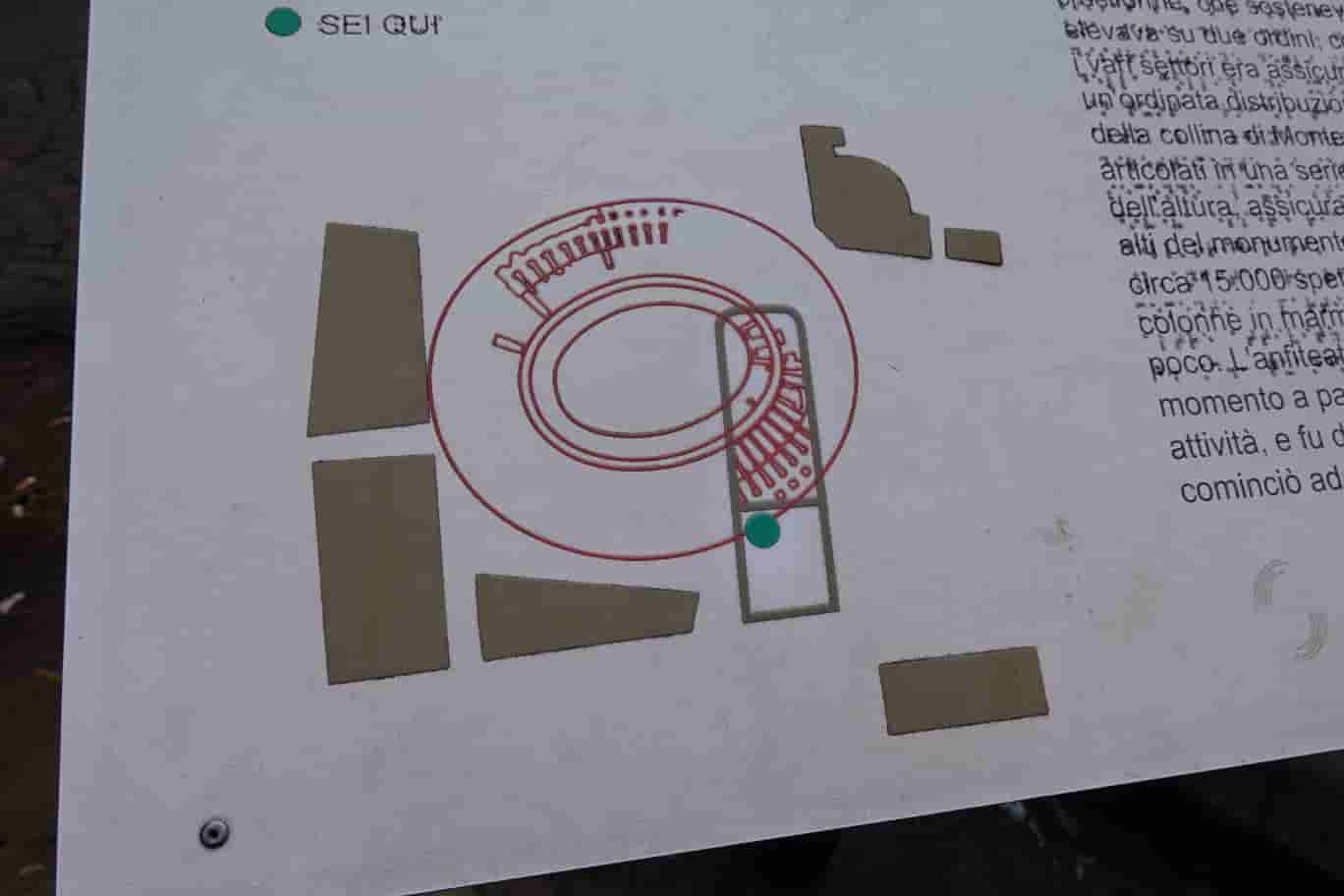
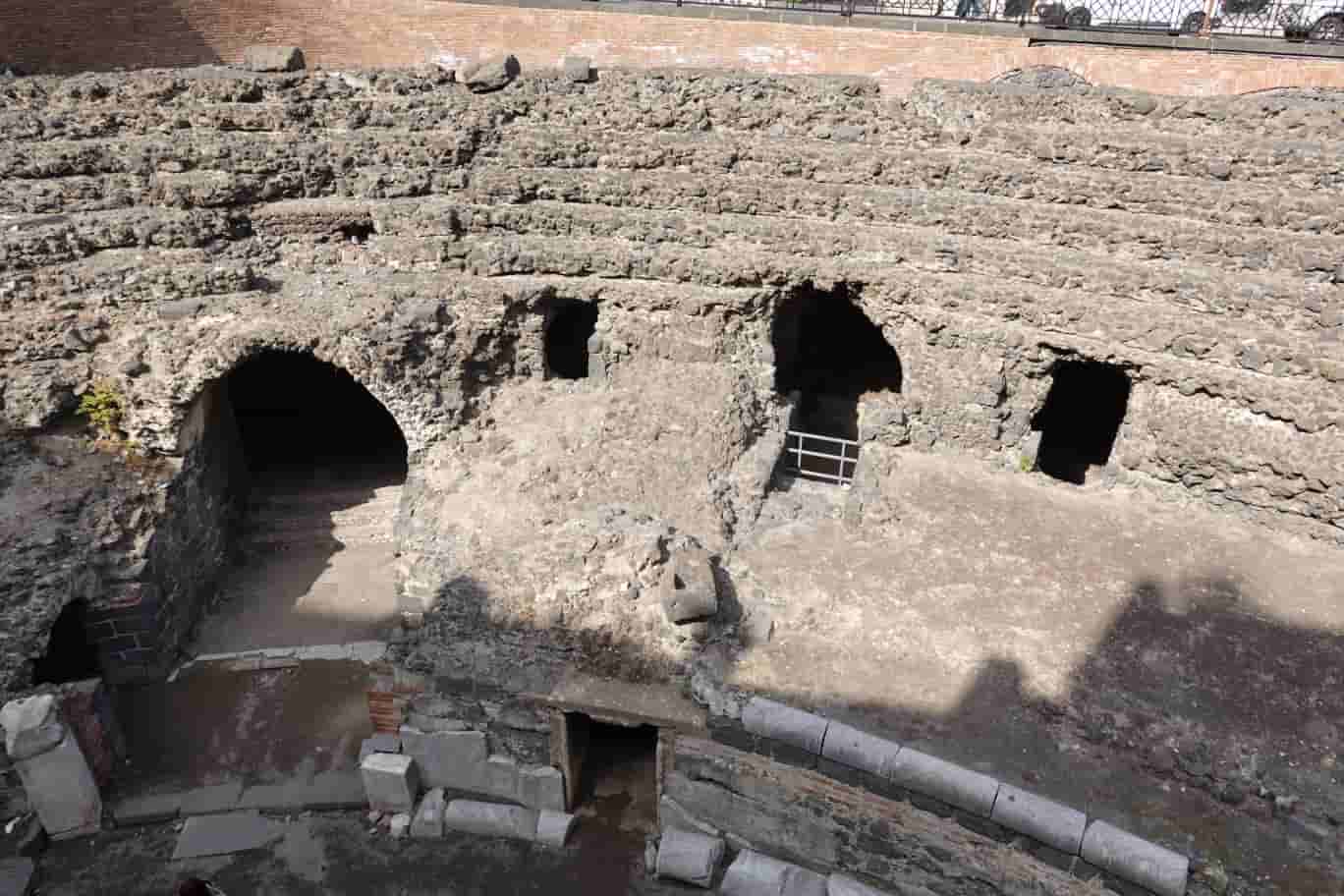
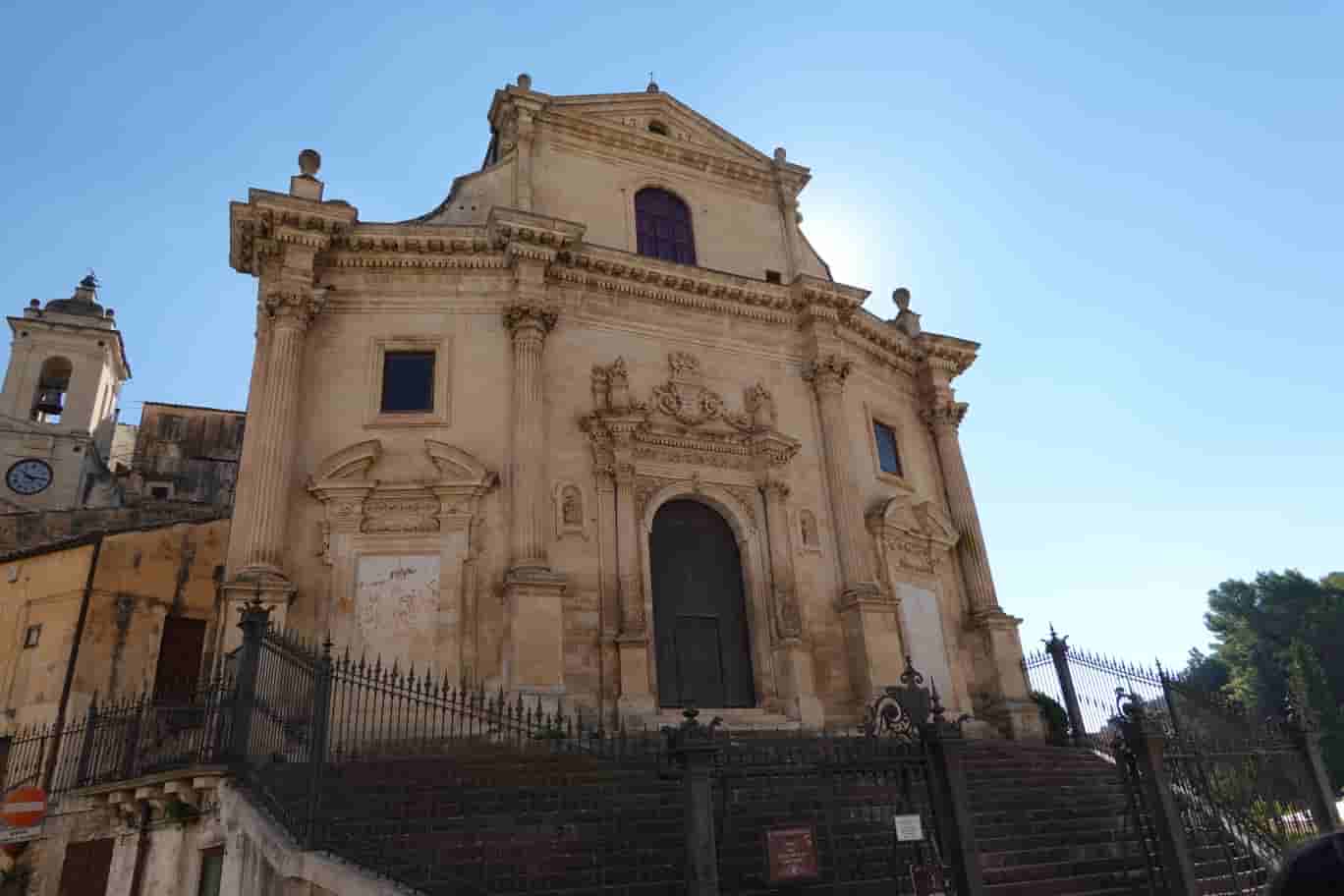
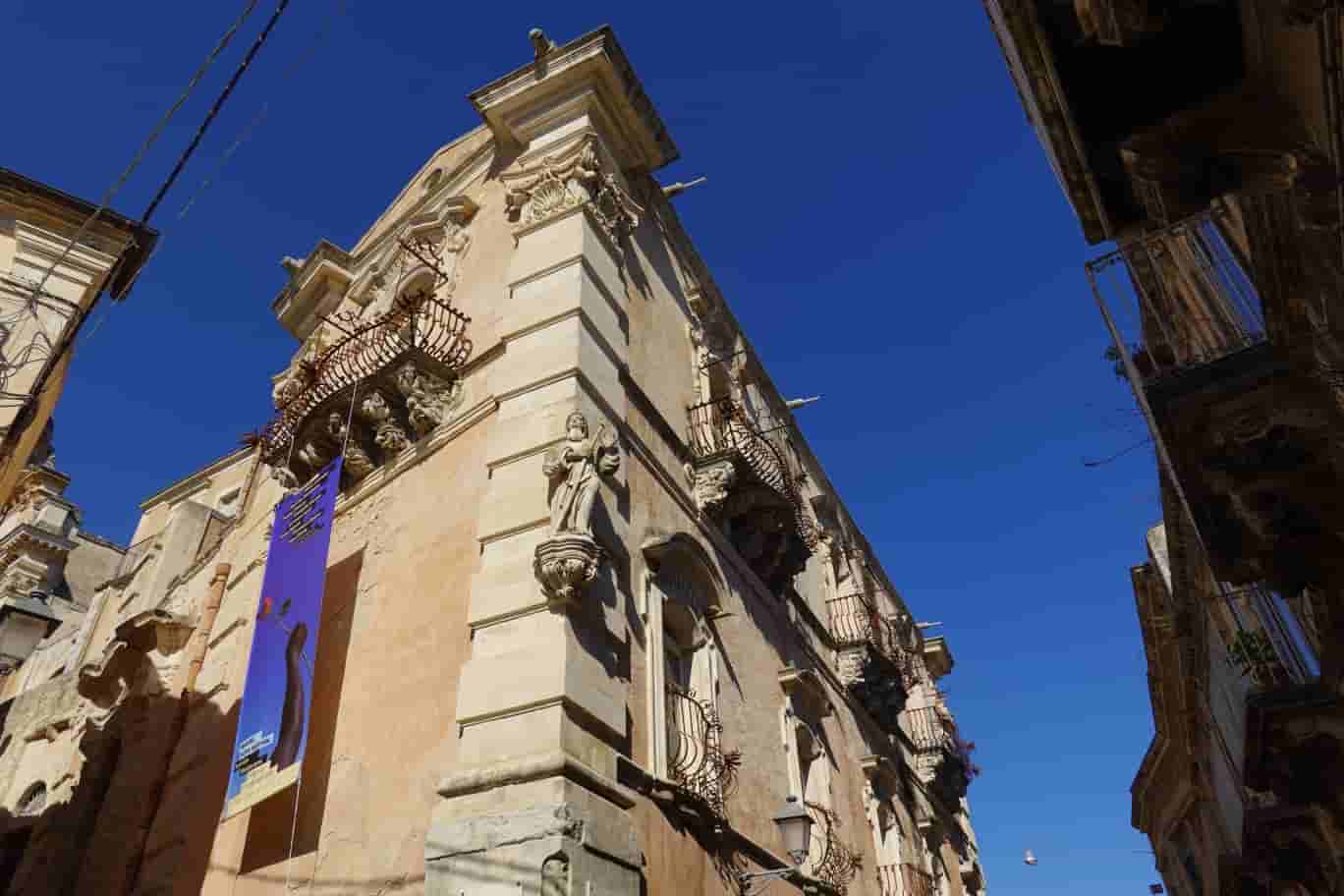
We visited the Lecce Duomo, Piazza Sant’Oronzo—the main square—which contains the remains of a 2nd-century Roman amphitheater, and the Basilica of Santa Croce. Here are some pictures.

Paper mâché has an important place in Lecce’s history and culture. It was traditionally used to make many of the statues found in Lecce’s 48 churches, as well as figures for religious festivals. There is only one person south of Rome who still uses the traditional methods to make paper mâché. We visited his shop, and he showed us how he makes the figures. He makes his own paper using cotton threads and then uses it to cover figurines made from wire and straw. It was fascinating to see how something as simple as paper can be turned into such elaborate sculptures.

Lunch was next on the agenda. We had the afternoon free, so Anne and I wandered around a little. We went to a museum and then walked to Porta Napoli, a triumphal arch dating from 1548.

The museum was particularly interesting because of what was discovered underneath the house. In 2001, the owner had to dig up the floor to replace sewer pipes that were causing ongoing moisture problems. During the work, archaeological remains unexpectedly began to appear. What started as a plumbing project turned into a seven-year excavation that uncovered layers of Lecce’s history beneath the house. It’s pretty amazing to think that someone trying to fix a plumbing problem ended up discovering an archaeological site!

That evening, we went out for a very pleasant dinner and had pizza with two of our trip mates.

September 24, 2026 Matera to Lecce, Italy

I was able to sleep pretty well for my second night here. I think my practice of getting some morning sun is working to reset my circadian rhythm.

We were leaving the hotel today, so we had to have our bags out by 7:45. We left the hotel at 8:15 after breakfast. Here’s our route for the day, Alberobello, Ostuni and finally Lecce.

Our route was the bright blue and the darker blue line.

After about an hour’s ride, during which we crossed into Puglia. Our first stop was Alberobello, a charming town known for its more than 1,600 conical-roofed, dry-stone dwellings called trulli. It is another UNESCO World Heritage Site. Alberobello means “beautiful tree.”

The history of the trulli is linked to an edict of the 15th-century Kingdom of Naples that subjected every new settlement to a tax. In 1481, the owners of Alberobello required residents to build their dwellings without mortar so they could be considered precarious structures and easily demolished, thereby avoiding the tax. Although the houses were considered precarious buildings, they have lasted for centuries. 

Having to use only stones found in the soil, the peasants found that the round form with a self-supporting domed roof was the simplest configuration. The walls and roofs are constructed from locally gathered limestone, with the roof made from overlapping slabs of stone. The roofs were embellished with decorative pinnacles, which supposedly represented the signature of the builder. Each peak represents a room.

We went inside one, and it was essentially open concept, with one area for a kitchen, one for a living room, and one for a bedroom. The kids slept above the living room in the “cone,” or attic.

After walking around for about an hour, we got back on the bus and went to Il Frantolio, where they make olive oil. They have approximately 6,000 olive trees, which they harvest from October to January. 

They have two processes for making the oil. The first is the traditional method, in which they crush/mill the whole olive, including the pit, within 12 hours of picking the olives. The very first oil from the milling process is considered especially prized. The resulting olive paste is then pressed to extract a mixture of water and oil. The water (80%) is removed and the oil (20%) packaged

In the second method, a machine separates the pulp from the pit, and the resulting olive paste is used to make the oil. One method isn’t necessarily better than the other, but the olive oil flavor is very different. After the tour, we did some tasting, and I liked the Method 2 olive oil much better because it was less bitter.

At the olive farm, we saw a tree that was about 1,000 years old. Apparently, olive trees can live as long as 5,000 years. Crazy, right? 

Next stop: lunch in Ostuni. It consisted of vegetable appetizers, which I ate and enjoyed (!), and the main dish was orecchiette pasta with turnip tops. Here’s a picture of the amazingly curved facade of the restaurant.

Here are some pictures of Ostuni, taken on our way back to the van.

Back into the van, and about an hour later we were in Lecce, our new home away from home. Throughout the ride, we saw lots of wind turbines.

Our hotel in Lecce is very cute. Here’s a picture of my room.

Tonight was dinner on our own, so Anne and I ventured into town. Italians eat dinner late, so we had a charcuterie board and spritzes. We were going to get a piece of cake to share for dessert, but the waiter said he’d be back in two minutes—and then we waited another half an hour. By that time, we didn’t want cake anymore, so we just paid the bill. Here are pictures from our evening.

The restaurant was on a busy street, so we peeked into a shop or two on the way back to the hotel. It will be another relatively early night.

September 23, 2026 Matera, Italy

Well, the sleeping didn’t go as well as I had hoped. I fell asleep quickly around 10 p.m., but then was awake from about 2 until 4. I didn’t want to blog in the middle of the night because I’m very sensitive to blue light, so I read several chapters of my book instead. My alarm went off at 7. After getting dressed, I went outside to blog. I’m trying to get some morning sun to help reset my circadian rhythm.

Anne joined me shortly afterward for breakfast. We enjoyed a European breakfast on a terrace overlooking Matera while soaking up the morning sun. After posting yesterday’s blog, I joined the group—with my walking stick—for a walking tour of Matera.

The hills of Matera are made of sandstone. People either lived in natural caves or dug caves into the stone to create their homes. As a result, people were literally living on top of each other, with some cave dwellings stacked as many as 10 levels high. During this period, the poor lived in the valley or at the bottom of the “cave stack,” while the rich lived at the top. There is a river nearby to supplement the rainwater collected in a series of cisterns.

For centuries, Matera changed very little. In 1953, the government decided that the quality of life for the town’s residents was unacceptable and described Matera as the “shame of Italy.” People were living in extreme, third-world poverty in ancient cave dwellings that were considered unlivable. We went into a museum that showed what life was like for the people who lived in the caves.

In 1953 the government started building a new town and moving the residents into new accommodations. The old town was essentially evacuated by 1970 and sat dormant until 1993, when Matera became a UNESCO World Heritage Site. It was then renovated into what it is today. In fact, it is constantly being renovated to maintain it to UNESCO standards because the stone is very vulnerable to pollution and weather.

Today, the old town mostly consists of hotels, shops, and restaurants. Almost all of the residents live in the new town.

During our walk, we stopped at the Church of Santa Lucia (the original church dates back to the 9th century) to admire its murals.

We also walked along the main street, which had lots of nice shops. There were plenty of stops for picture-taking along the way.

Another claim to fame for Matera is that it was featured in the 007 movie No Time to Die. I’ll have to rewatch the movie when I get home.

We had lunch at a restaurant that offered a local dish consisting of orecchiette pasta with tomato sauce and mozzarella.

AT Lunch

After lunch, we came back to the hotel and had the afternoon free.

Anne and I went to the bank and then looked at a couple of stores. Anne got some stone ventilation covers that she plans to frame. Then we spent a little time blogging and journaling.

Later in the afternoon, the group gathered for gelato, and then we walked a little more before coming back to the hotel to finish blogging.

September 21, 2026 Boston to Matera, Italy

Well, I’m off again; this time to Puglia and Sicily, Italy with my sister, Anne.  My E. Brookfield neighbor, also Ann, was supposed to come with us but she had to cancel because she needed a knee replacement.  Ann, you will be missed and I hope you feel better soon.  

Anne, my sister, lives in NC so we did not fly together.  My friend, Robyn, took me to the airport but not before grabbing dinner in Somerville.  I flew to Bari (in Puglia) via Paris.  I had a whole row to myself on my flight from Boston to Paris so I was able to get some sleep.  I had about a 4 hours layover in Paris where I dozed.  The flight to Bari was uneventful and after picking up my luggage, I met the driver.  There were two other ladies, also traveling with OAT, in my transport but they were with a tour that starts in two days.  We were headed to Matera, about a 60 minute, exhilarating ride.  

Screenshot

Someone from the hotel staff met me at the town square and carried my 44 lb suitcase the quarter mile to the hotel (he didn’t want to roll it for fear the cobblestones might break a wheel). My room is cut into the side of the sandstone cliff as evidenced by the ceiling.

Matera is not actually in Puglia but rather right on the edge.  It has a history of continuous occupation dating back to prehistory (the eighth millennium BC), it is renowned because it is carved into the sides of a cliff. This configuration allows for the rain to be collected in the basin below.

Our guide, Nicola, held the tour brief within a few minutes of my arrival since I was the last to arrive.  Early indications are that Nicola will be an excellent guide.  There are a total of 9 people on the Puglia pretrip, 2 couples, 3 single ladies and Anne and me.  

After our briefing we walked to dinner.  The town consists of many well worn rock stairs.  Beware they are slippery when wet.  I will definitely be using my stick to ensure I stay vertical.  Local cuisine was served for dinner, meatless meatballs appetizer, a pork chop or pasta, and profiteroles (meatless meatballs with chocolate) or a lemon sorberto for dessert.  We came straight back to the hotel after dinner and I got a little settled and when straight to bed.  

Fingers crossed for a good night sleep.  

March 28, 2026 Madrid to Boston

My turn not to sleep. Gail left early that morning, so Deb and I didn’t get a chance to see her before she headed out. We had a relatively late breakfast, then returned to our rooms to pack and by 11:00, we had checked out.

It was too early to head to the airport, so we took advantage of one more beautiful day with a walk through a nearby park.. After getting our steps in, we took a cab to the airport, where we spent a few hours in the lounge before boarding our flight to Boston.

All in all, it was a fabulous week. We saw a tremendous amount and kept ourselves busy from start to finish, with just enough mishaps to keep things interesting. We also confirmed that Deb and I are very well suited to traveling together, which may be the most important takeaway of all—especially if there’s a next trip. I had hoped to practice my Spanish, but it was apparently so painful for native speakers that they immediately switched to English, cutting my efforts short and sparing everyone involved. Many thanks to Deb for the invitation!

March 27, 2028 Madrid

It was Deb’s turn not to sleep—she’d been up since 3:30 a.m. At this rate, we were going to adjust to Madrid time just in time to leave, which felt both impressive and poorly timed.

We had hoped to visit the Royal Palace that morning, but tickets were sold out, so we shifted plans and headed to the Prado. Funded over centuries by powerful Spanish monarchs, the Prado is considered by many to be the greatest painting museum in the world. Its collection includes more than 3,000 works, with entire rooms dedicated to masters such as Goya, El Greco, and Velázquez, alongside Italian Renaissance artists like Titian, Raphael, and Fra Angelico, and Northern European painters including Bosch, Rubens, and Dürer—in other words, a lineup that makes you feel both cultured and slightly inadequate.

We took a taxi to the museum and, upon arriving at the ticket counter, discovered that a 90-minute English-language “Highlights of the Prado” tour was starting in 10 minutes. We quickly went through security and joined. Neither of us had been especially eager to visit, viewing it more as something we should do, but the tour guide was excellent and completely changed our experience. We only scratched the surface of the collection, but it was enough to appreciate just how extraordinary it is. The museum was extremely crowded—it was the start of Easter week—and photos were not allowed, so this portion of the day will have to live on in our memories.

After the tour, we had tea in a sunny courtyard, which felt like a well-earned pause. Gail’s program had wrapped up, and she had the afternoon free, so we made plans to meet her for lunch in Salamanca, a stylish shopping district. It was about a two-mile walk, and we enjoyed wandering through the streets of Madrid—apparently so much that we forgot to take any pictures, continuing our new tradition.

Lunch was delicious, followed by a bit of shopping. Gail was on a mission to buy saffron, which led us to a grocery store, and she also found a few things for her daughter—along with, not surprisingly, a few items for herself. At this point, we were all demonstrating a strong commitment to supporting the local economy.

For dinner, Gail had made reservations at an Italian restaurant. We walked there, stopping for a glass of wine along the way, which felt like a very reasonable pace for the evening. When we arrived, the restaurant had no record of our reservation (a recurring theme at this point, and no longer surprising), but fortunately they were able to seat us anyway.

We had salad and pizza, kept things simple, and then took a taxi back to the hotel—ending the day successfully fed and reasonably cultured.