March 28, 2026 Madrid to Boston

My turn not to sleep. Gail left early that morning, so Deb and I didn’t get a chance to see her before she headed out. We had a relatively late breakfast, then returned to our rooms to pack and by 11:00, we had checked out.

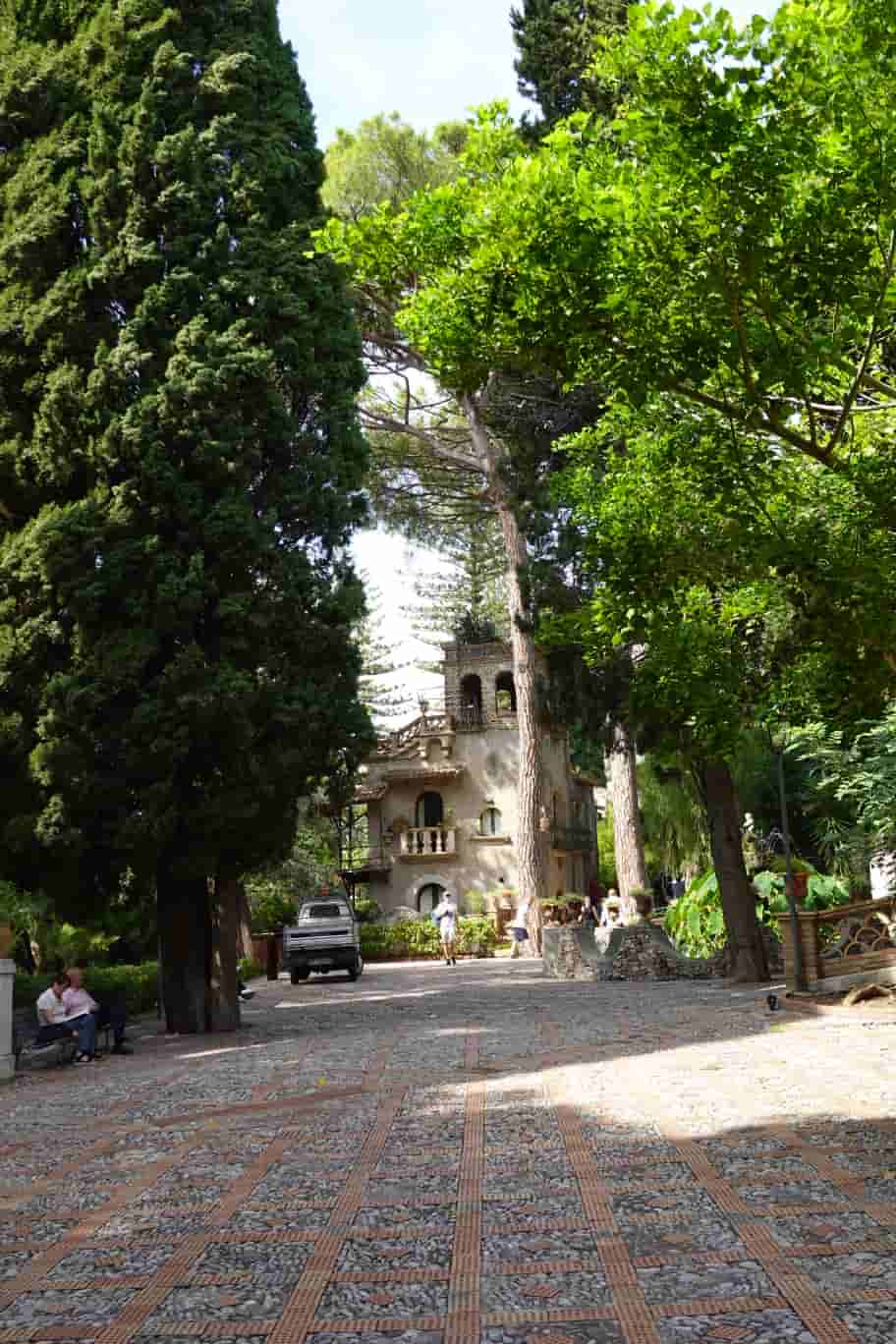
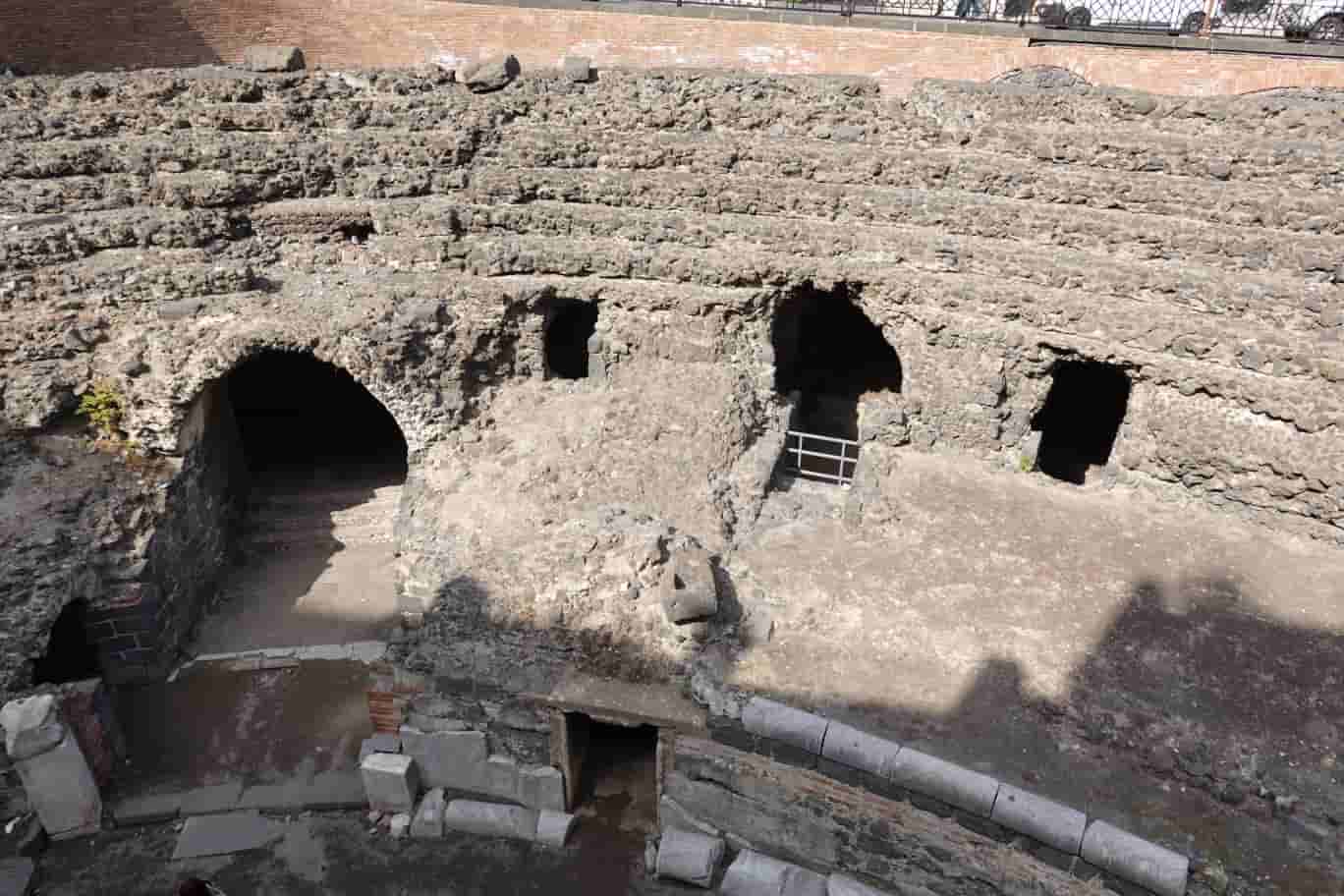
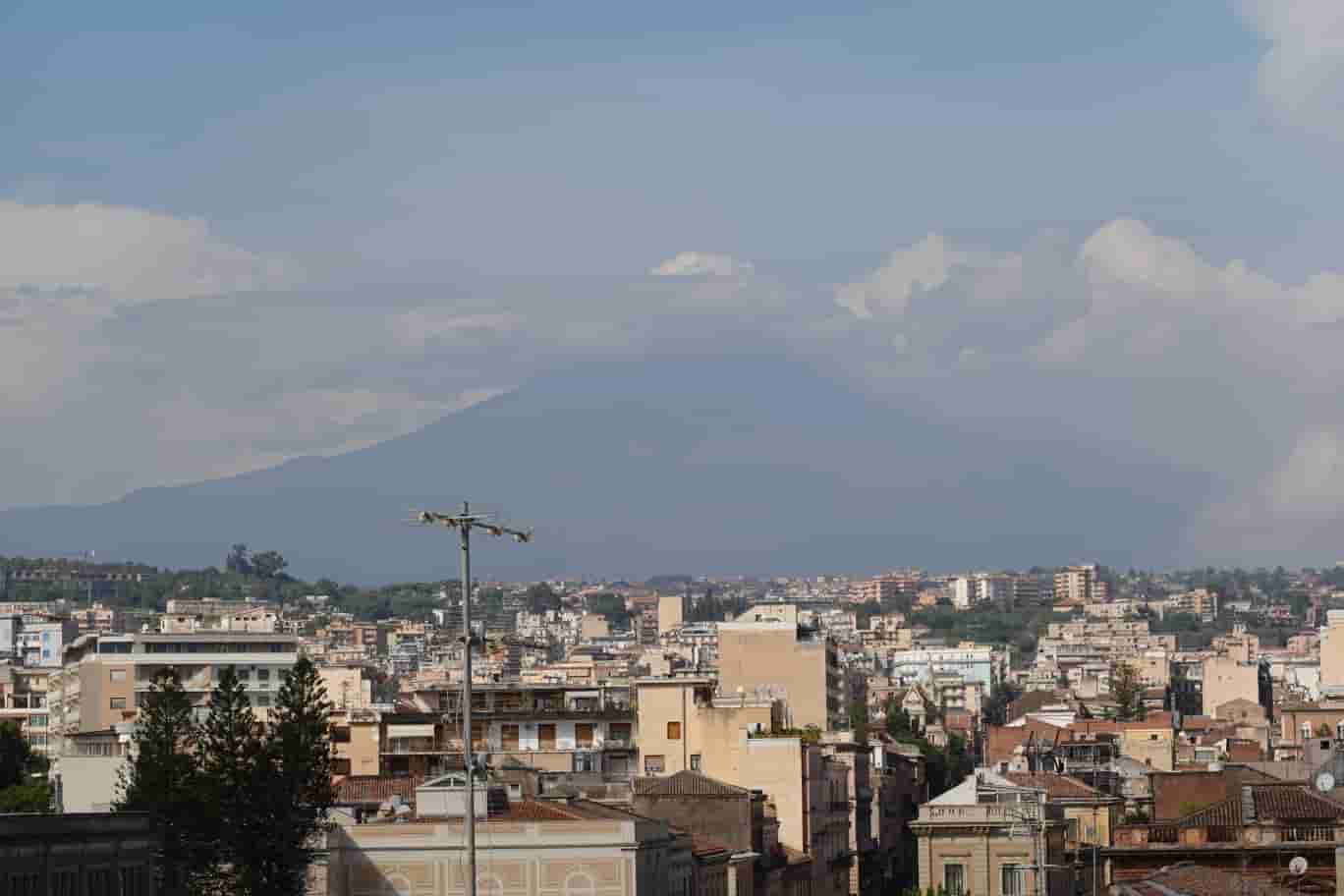
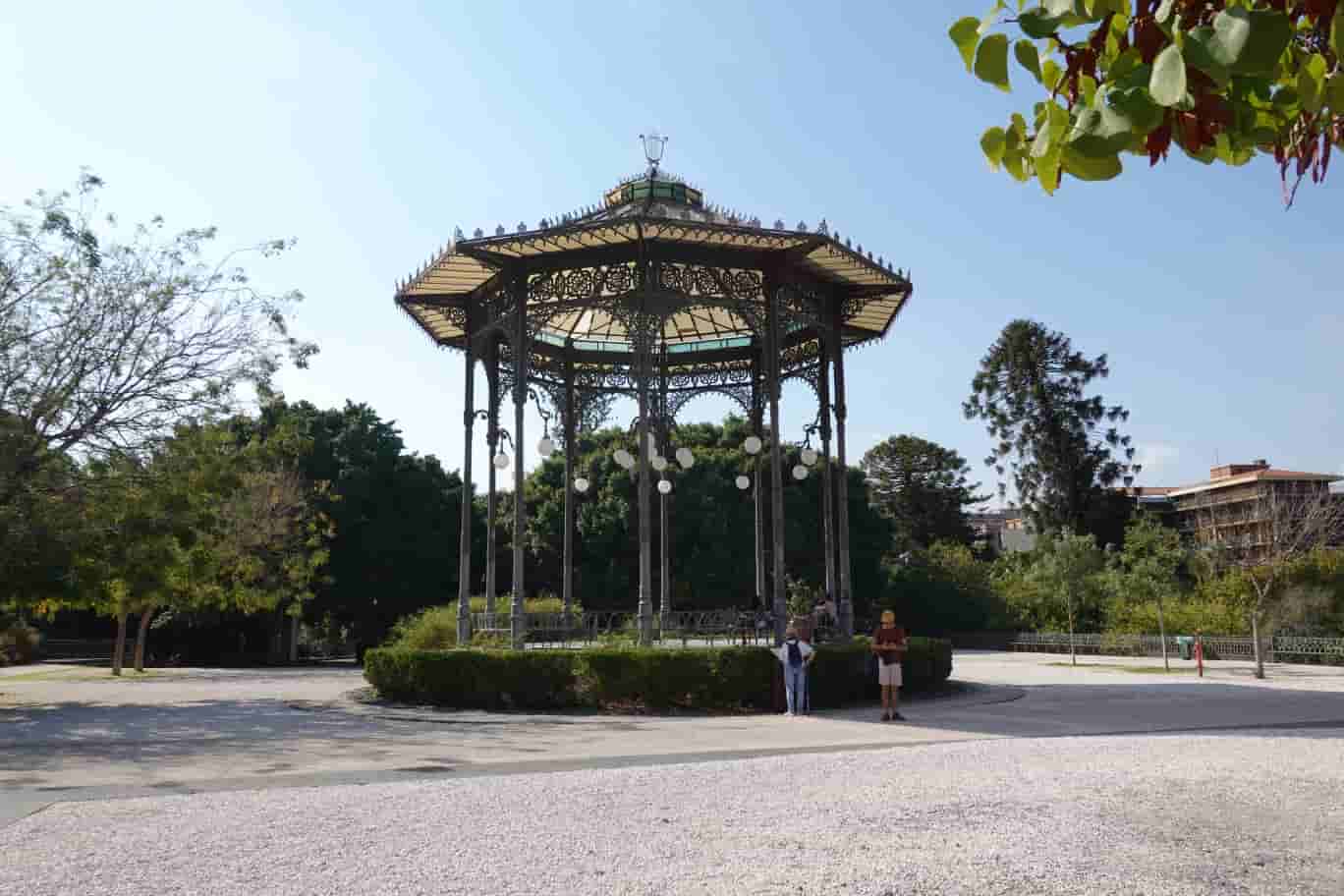
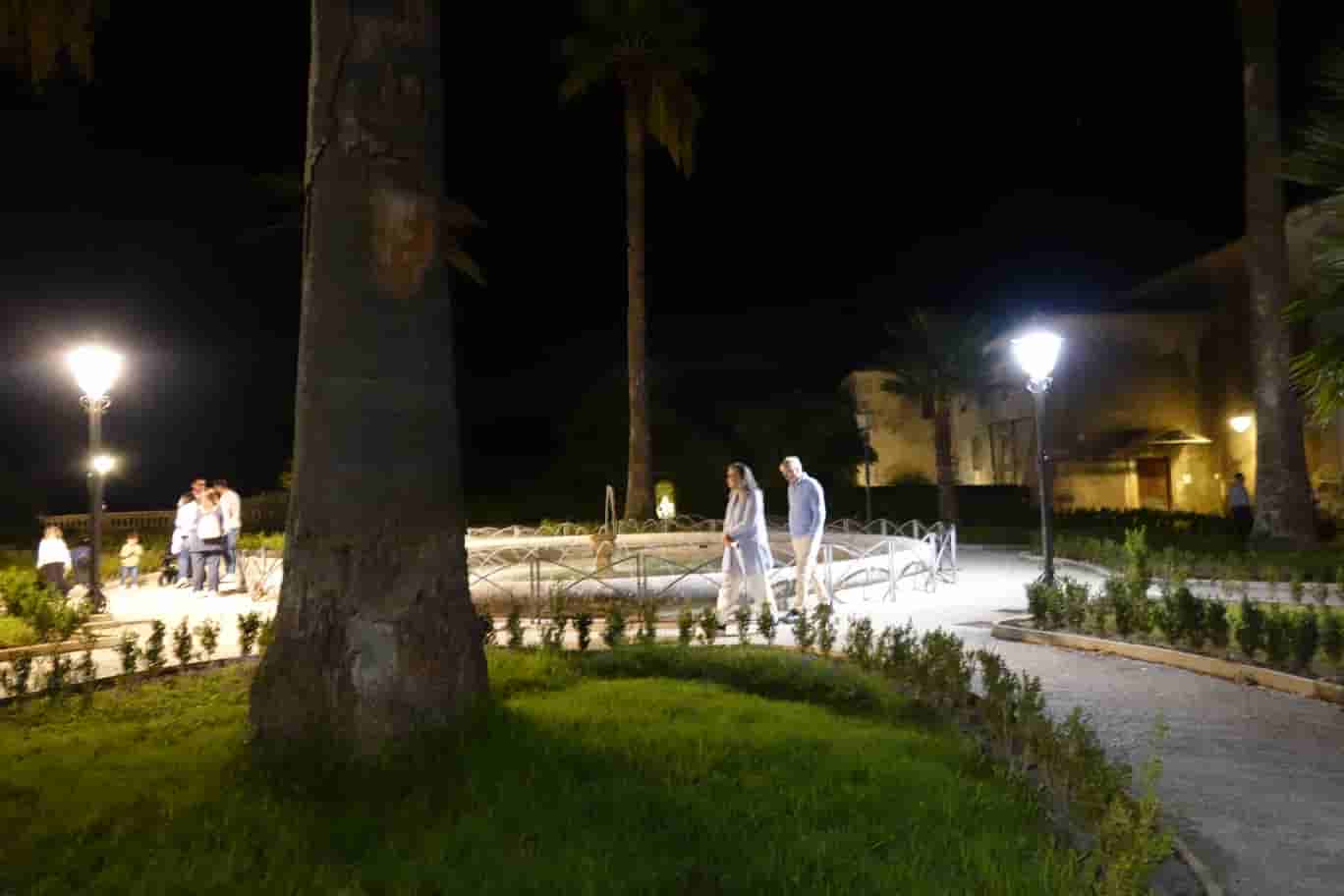
It was too early to head to the airport, so we took advantage of one more beautiful day with a walk through a nearby park.. After getting our steps in, we took a cab to the airport, where we spent a few hours in the lounge before boarding our flight to Boston.

All in all, it was a fabulous week. We saw a tremendous amount and kept ourselves busy from start to finish, with just enough mishaps to keep things interesting. We also confirmed that Deb and I are very well suited to traveling together, which may be the most important takeaway of all—especially if there’s a next trip. I had hoped to practice my Spanish, but it was apparently so painful for native speakers that they immediately switched to English, cutting my efforts short and sparing everyone involved. Many thanks to Deb for the invitation!

March 27, 2028 Madrid

It was Deb’s turn not to sleep—she’d been up since 3:30 a.m. At this rate, we were going to adjust to Madrid time just in time to leave, which felt both impressive and poorly timed.

We had hoped to visit the Royal Palace that morning, but tickets were sold out, so we shifted plans and headed to the Prado. Funded over centuries by powerful Spanish monarchs, the Prado is considered by many to be the greatest painting museum in the world. Its collection includes more than 3,000 works, with entire rooms dedicated to masters such as Goya, El Greco, and Velázquez, alongside Italian Renaissance artists like Titian, Raphael, and Fra Angelico, and Northern European painters including Bosch, Rubens, and Dürer—in other words, a lineup that makes you feel both cultured and slightly inadequate.

We took a taxi to the museum and, upon arriving at the ticket counter, discovered that a 90-minute English-language “Highlights of the Prado” tour was starting in 10 minutes. We quickly went through security and joined. Neither of us had been especially eager to visit, viewing it more as something we should do, but the tour guide was excellent and completely changed our experience. We only scratched the surface of the collection, but it was enough to appreciate just how extraordinary it is. The museum was extremely crowded—it was the start of Easter week—and photos were not allowed, so this portion of the day will have to live on in our memories.

After the tour, we had tea in a sunny courtyard, which felt like a well-earned pause. Gail’s program had wrapped up, and she had the afternoon free, so we made plans to meet her for lunch in Salamanca, a stylish shopping district. It was about a two-mile walk, and we enjoyed wandering through the streets of Madrid—apparently so much that we forgot to take any pictures, continuing our new tradition.

Lunch was delicious, followed by a bit of shopping. Gail was on a mission to buy saffron, which led us to a grocery store, and she also found a few things for her daughter—along with, not surprisingly, a few items for herself. At this point, we were all demonstrating a strong commitment to supporting the local economy.

For dinner, Gail had made reservations at an Italian restaurant. We walked there, stopping for a glass of wine along the way, which felt like a very reasonable pace for the evening. When we arrived, the restaurant had no record of our reservation (a recurring theme at this point, and no longer surprising), but fortunately they were able to seat us anyway.

We had salad and pizza, kept things simple, and then took a taxi back to the hotel—ending the day successfully fed and reasonably cultured.

March 26, 2026 Madrid to Toledo and back

Although I was exhausted, I still had trouble falling asleep, so I was dragging more than usual the next morning. Fortunately, it was another perfect weather day. We planned a trip to Toledo, and our train wasn’t until 11:15—civilized, and a welcome change. Now that we considered ourselves train experts, we bought our tickets online to ensure we actually had the correct return this time.

The train departed from a station in central Madrid, so we took a 20-minute taxi ride to get there. The journey itself was easy, though delayed by about 30 minutes due to a malfunctioning train ahead—apparently even the Spanish rail system has its moments.

Once we arrived, we walked into Toledo’s old town.

The city is remarkably well preserved and has been declared a national monument. Its history is layered: originally a Roman transportation hub with a thriving Jewish population, it later became the Visigothic capital in 554 A.D. In 711, the Moors transformed it into a regional center, and for a time, Jews, Muslims, and Christians coexisted relatively peacefully. In 1085, the city was reconquered by Christians, marking the beginning of the end of Muslim rule in Iberia. Toledo remained Spain’s political capital until 1561, when Philip II moved it to Madrid—though historians still debate exactly why.

We started with Rick Steves’ walking tour, which guided us through the winding streets and key sites of the city.

The cathedral is Toledo’s main highlight, so we made that a priority. Primarily Gothic in style, it reflects more than 250 years of construction (1226–1493), along with later additions, resulting in a mix of Gothic, Renaissance, Baroque, and Neoclassical elements. In short, it’s a lot—but in an impressive way. We used the audio guide to explore, which helped us fully appreciate just how ornate everything was.

All that exploring worked up an appetite, so we had lunch at a small restaurant recommended by Rick Steves called El Trébol. Afterward, we picked up some marzipan, a local specialty. Properly refueled, we headed to the Jewish Quarter, where we wandered through quiet streets and eventually found a spot with sweeping views that reminded us a bit of Tuscany—unexpected, but not unwelcome.

We made our way back to the train station, mostly walking along the outside of the old city walls. The Toledo train station itself is a destination in its own right, with beautiful Moorish-style architecture—intricate tilework, arches, and wood details that almost make you forget you’re there to catch a train.

The return trip to Madrid was uneventful—always a small victory. From there, we walked to a restaurant where Gail and her colleagues were having their farewell dinner. The food was excellent, and the company even better, which made for a relaxed and enjoyable end to the day.

Back at the hotel, we skipped any further adventures and went straight to bed—no delays, no confusion, and no need for a backup plan.

March 25, 2026 Madrid to Segovia to Madrid

After a fairly good night’s sleep, I met Deb for breakfast, where we finalized our plan to visit Segovia, a UNESCO World Heritage Site. The weather was beautiful—perfect for an adventure and, as it turned out, a test of patience.

We made our way to the train station, about a 10-minute walk from the hotel, but quickly ran into some confusion about where and how to buy tickets. After a bit of wandering and looking like we absolutely did not know what we were doing (which we didn’t), I found someone who pointed us in the right direction. We purchased round-trip tickets from a gentleman who spoke very little English, which, in hindsight, should have felt like a warning sign.

We made it through security easily, but then the train was delayed and the track number never appeared on the board. We compared notes with an American couple nearby, and together formed a small but determined committee of confused travelers. Eventually, we figured it out and boarded the train. About 30 minutes later, we arrived in Segovia, where we ran into the same couple again and shared a cab into the center of town—clearly, we were all in this together.

Our new friends Allison and Evan in front of the aqueduct

Our first stop was the 2,000-year-old Roman aqueduct, built in the first century AD to carry water from mountain springs 17 kilometers (11 miles) into Segovia. Remarkably, it remained in use until 1973, which feels like a strong endorsement of Roman engineering—and a mild critique of modern infrastructure. We took plenty of photos and climbed several flights of stairs to get a closer look.

From there, we followed Rick Steves’ walking tour through the city. Along the way, we passed Moorish-style homes and wandered through several plazas. Many houses feature truncated towers that once belonged to feuding noble families. In the 15th century, as Ferdinand and Isabella centralized power, these families were required to cut down their towers—a subtle but effective way of keeping egos in check. The result is a skyline that looks like a collection of slightly unfinished projects.

We ended the walk in the Plaza Mayor, then continued on to the cathedral. Construction began in 1525, with completion stretching into the late 17th century and consecration in 1768. It was the third cathedral on the site and the last Gothic cathedral built in Spain. With its elaborate pinnacles and flying buttresses, it represents the final, highly ornate phase of Gothic architecture known as Flamboyant—which feels like an appropriately dramatic name.

After exploring the cathedral, we had lunch in the Plaza Mayor at a charming spot recommended by one of Gail’s students from the previous evening’s reception—a recommendation that did not disappoint.

Refueled, we headed to our final stop: the Alcázar. Dating back to at least the 12th century, the fortress sits dramatically on a rocky outcrop above the confluence of the Eresma and Clamores rivers. It served as a key stronghold for the Castilian royal family and played an important role in controlling the region. It also looks exactly like what you’d expect a castle in Spain to look like, which somehow still feels surprising in person.

After visiting the Alcázar, we took a leisurely route back toward the aqueduct.

We had been talking about churros and chocolate all day, so we found a small café and enjoyed both while sitting in the sun—arguably the most successful part of the day.

That’s when things took a turn. Deb checked our return tickets and realized we had been booked on an earlier train than we intended. It was about 3:30, the train was leaving at 3:57, and we had a 20-minute bus ride back to the station. We looked for a taxi without success, took the bus, and—right on schedule—missed the train.

At the station, we learned that the next available train wasn’t for another two and a half hours. It became clear that when we purchased our tickets that morning, the agent had put us on a different train because the one we wanted was fully booked without explaining it—likely due to the language barrier, though we briefly considered the possibility that he simply wanted to keep things interesting. With limited options, we bought new tickets and settled in to wait.

Fortunately, Deb messaged Gail to let her know we’d be delayed. As luck would have it, Gail was in Segovia with her work group and offered us seats on their bus back to Madrid—an unexpectedly efficient rescue.

We arrived back at the hotel around 7:00 and had just enough time to regroup before heading out again at 8:00 for dinner. The plan was to meet Gail and one of her colleagues at a Michelin-starred restaurant in central Madrid, but the evening stayed true to form. The colleague opted out, and when we arrived, we discovered the reservation had been made for the wrong night. The hostess assured us she could seat us shortly—“10 minutes,” which became 30, followed by “just five more minutes”. We gave it 5 more minute and at that point, we decided to move on.

We returned to the hotel and went to the bar for something to eat. A large party had just been seated, and we were warned the kitchen would be slow, so we opted for a cheese platter—which, in keeping with the theme of the day, took longer than expected. Adding to the atmosphere, the Moroccan national soccer team was staying at the hotel and was receiving most of the staff’s attention. We briefly considered whether we might get faster service if we looked more athletic.

By the end of the night, we were exhausted and a bit cranky. It was a long day with more than a few mishaps, but we managed to roll with them—and, at the very least, we earned the churros.

March 24, 2026 Barcelona to Madrid

Both of us had trouble sleeping, so we’re still working through the jet lag. We were up early to pack before heading to the Picasso Museum. After checking our bags at the hotel, we walked the roughly 20 minutes to the museum and arrived before it opened, so we took a quick loop around the block. Inside, we used audio guides to learn about Picasso and his work. He was a highly accomplished traditional artist, winning awards as early as age 14, before eventually evolving into his Cubist period. It’s impressive, although I’m fairly certain that if I tried Cubism, it would not be considered a “period” so much as a problem. There were plenty of people taking photos of the artwork, but luck for you, I was not one of them so I can’t include them here.

After a stop in the gift shop, we returned to the hotel and took a taxi to the train station. We had a short wait in the lounge before boarding. With first-class tickets, lunch was served on the train, and we spent the ride enjoying the Spanish countryside and getting some rest. It was striking how rural the landscape remained—we saw mostly farmland and wind turbines with only a few deer and sheep, and very few people or cars until we neared Madrid. The trip was a little over 3 hours or about 400 miles. We both agreed it was far more pleasant than flying.

From there, we took a taxi to the hotel, which is very nice but not especially close to the center of Madrid. As we arrived, we spotted Gail—Deb’s friend—already here, and out walking. She’s in Madrid for her role on an advisory board for IE University, so our timing worked out perfectly.

That evening, we joined her for a reception at a local restaurant with the rest of the board. It was a pleasant night of wine, appetizers, and conversation with her colleagues—just enough socializing to feel accomplished without overextending our jet-lagged selves.

March 23, 2026 Barcelona

I somehow slept until 8:30—an absolute miracle. I met Deb for breakfast at the hotel, where she appeared fully functional and far too put-together for someone who had also taken a red-eye. After a leisurely and much-needed meal, we set off on Rick Steve’s Barcelona walking tour. By “we,” I mean I listened attentively while Deb nodded supportively, occasionally humored me with interest and made sure I didn’t get hit by oncoming traffic.

We wandered down La Rambla, which is getting a facelift and is largely under construction. It is basically the main artery of the city—a mile-long pedestrian street that never seems to sleep and, according to one poet, is “the only street in the world which I wish would never end.”

We passed Els Quatre Gats, Picasso’s old hangout, back when he was just a young artist trying to make it. It opened in 1897 and was basically the place to see and be seen if you were an aspiring bohemian.

From there we stopped at the Church of Santa Anna (over 800 years old, casually), and then made our way to the Barcelona Cathedral. Parts of it date back to the 1200s, although the dramatic façade is actually much newer—because apparently even cathedrals get glow-ups.

We stepped inside, and it was every bit as impressive as you’d expect. The cathedral is dedicated to the Holy Cross and Saint Eulalia, a young martyr and co-patron saint of Barcelona. According to tradition, she suffered her fate here during Roman times, which gives the whole place an even deeper sense of history. We also went up on the roof for great views of Barcelona. Pictures below, though they barely do it justice.

Next up: more cathedral-ing. We headed toward La Sagrada Família, passing La Pedrera along the way—another one of Gaudí’s “why build straight lines when you can build waves” masterpieces.

At La Sagrada Familila we did have a brief moment of panic when we couldn’t find our very responsibly purchased tickets. Thankfully, a very kind young man stepped in to help, instantly becoming one of our favorite people in Spain.

And then we walked inside… and it’s one of those places that actually makes you stop talking for a minute. Construction started in 1882 and is still going.

Gaudí, who took over the project in 1883, knew he wouldn’t live to see it finished and reportedly said, “My client is not in a hurry.” Honestly, fair. He left behind many drawings and models for future architects to follow.

The whole place is filled with symbolism—the towers represent biblical figures, and the design is meant to feel like a forest, with columns branching like trees. One of my favorite details: the tallest tower (for Jesus) is intentionally just slightly shorter than the nearby mountain, because Gaudí believed nothing man-made should surpass God’s creations. Subtle, but also kind of brilliant.

The stained glass windows are absolutely breathtaking—and also completely unwilling to be photographed properly. So just imagine something spectacular and glowing, and that’s about right.

After all that, we walked back to the hotel and passed another Gaudi house called Casa Batlló.

Back at the hotel had a very well-earned glass of cava on the rooftop bar (hydration is important). The bartender recommended a great local spot for Catalan food, so we made a reservation. Our dinner was good but not as good as last night.

March 22, 2026 Madrid to Barcelona

The TSA line in Boston took all of two minutes—practically a personal best. That left us with plenty of time to settle into the lounge for a glass (or two) of wine and a gummy…you know, as one does before a red-eye.

Our seats were a bit of a good news/bad news situation: exit row (legroom!) but middle seats (humility). Deb, however, was completely unbothered and slept through most of the flight—see photographic evidence (trust me, it’s Deb) below of her truly impressive sleeping form. I managed to get a little sleep myself. Despite a late departure, we landed in Madrid right on time.

From there, we collected our bags, rechecked them, and made our way to our Barcelona flight with time to spare—enough, importantly, for a proper lunch. Miraculously, we were both feeling pretty good for having just survived a red-eye.

The flight to Barcelona was easy, if a bit crowded. We both slept through most of it anyway, so no complaints. Once we landed, we grabbed our bags and were met by a driver from the hotel (a very civilized touch). After a quick refresh, we headed out to stretch our legs.

We wandered down Las Ramblas and along the water—such a perfect first glimpse of the city. Photos below to prove we were, in fact, there and not just hallucinating from lack of sleep.

For dinner, we found a charming little tapas spot (because when in Spain…).

And finally, around 10:00, we happily collapsed into bed.

March 21, 2026 Boston to Barcelona

I’m off to Spain with my college friend Deb—and it’s a bit of a last-minute adventure with a funny backstory. For years, Deb’s friend Gail has invited her along on business trips, and for years Deb has politely declined. This time, she finally said yes… and then turned around and asked if I wanted to join. Unlike Deb, I didn’t hesitate—I said yes to the very first invite.

So here we go: a quick, one-week getaway. We leave tonight, flying through Madrid and on to Barcelona, where we’ll spend our first two nights. On Tuesday, we’ll take the train back to Madrid and settle in for four more nights. I’m especially looking forward to dusting off my Spanish and putting it to use.

We’re planning to arrive at the airport a full three hours early after hearing all the recent TSA horror stories. It will likely mean extra lounge time—but that feels far better than stressing in a security line.

Check back tomorrow to see how long the lines were!
Thoughts about Vietnam

In general it was a really good trip and we lucked out with a great guide, a nice group of people to travel with, and fantastic weather (we had rain for about 10 mins one day but otherwise no rain)

Overall the Vietnamese people are kind, friendly, open and generous. We met many people from different backgrounds and economic statuses. We feel like we got an exposure to a broad swath of Vietnamese culture. People generally seemed hopeful about the future.

Generally Vietnam seems to be doing well. Clearly the economy is strong and the standard of living is improving significantly over the 50 years since the war ended. Most people seem to be thriving. Having said that, Transparency International’s 2023 Corruption Perceptions Index, which scored 180 countries on a scale from 0 (“highly corrupt”) to 100 (“very clean”), gave Vietnam a score of 41 so government officials are also thriving at their citizen’s expense.

We did feel like we were in a communist country. There were propagandist signs around. Also when we were at places like the Cu Chi tunnels the signage definitely had a pro-Vietnam/anti-American slant. Because of the communist government we stayed away from asking questions about how people felt about the government. I suspect if asked they wouldn’t be able to express their real feelings for fear of some sort of retaliation.

We found no animosity toward Americans and everyone seemed happy that we had come to their country to learn more about it. More than one person talked about the contrast between American soldiers who were forced to come to their country and us who chose to come their country. It was clear that during the war most people sided with the North Vietnamese not because they were communist or wanted a communist government but because they wanted foreigners out (they had just gotten rid of almost 100 years of French rule) and they wanted their country reunified. As I mentioned early in the blog Ho Chi Minh reached out to Eisenhower for support but his request was ignored. It makes me wonder what would have happened if we had given him our support. It probably would have saved millions of lives but of course hindsight is 20/20.

One interesting observation was the contrast between the north and south. The south was much more prosperous and westernized as a result of their exposure to the French (Saigon was the capital during the French occupation) and the Americans.

Vietnam has its challenges with its neighbors. Specially China. According to wikipedia “the two countries [Vietnam and China] remain in dispute over political and territorial issues in the South China Sea (or East Sea). China and Vietnam share a 1,281 kilometres (796 miles) border.  Cambodia is closely allied with and heavily influenced by China.

In summary, the future seems bright for Vietnam. However they have their challenges with corruption and their neighbors.

January 24, 205

We were up at 4:00am to get a 7:50 and start our long journey home through Toyko. The only interesting thing was as we were about to go through security in Ho Chi Minh they pulled us aside because our luggage was stuck. Eventually someone from Japan Airlines came over and took us back to the desk. It turns out you can’t have batteries in the checked luggage and I had forgotten that there was a camera battery in the suitcase. After a lot of searching we found it and both we and the luggage were on our way!
I didn’t sleep much on the flights but Rick did. I got home and immediately fell into bed and slept all night. The cold weather was a rude reminder that we are no longer in Vietnam.