
Although I was exhausted, I still had trouble falling asleep, so I was dragging more than usual the next morning. Fortunately, it was another perfect weather day. We planned a trip to Toledo, and our train wasn’t until 11:15—civilized, and a welcome change. Now that we considered ourselves train experts, we bought our tickets online to ensure we actually had the correct return this time.
The train departed from a station in central Madrid, so we took a 20-minute taxi ride to get there. The journey itself was easy, though delayed by about 30 minutes due to a malfunctioning train ahead—apparently even the Spanish rail system has its moments.
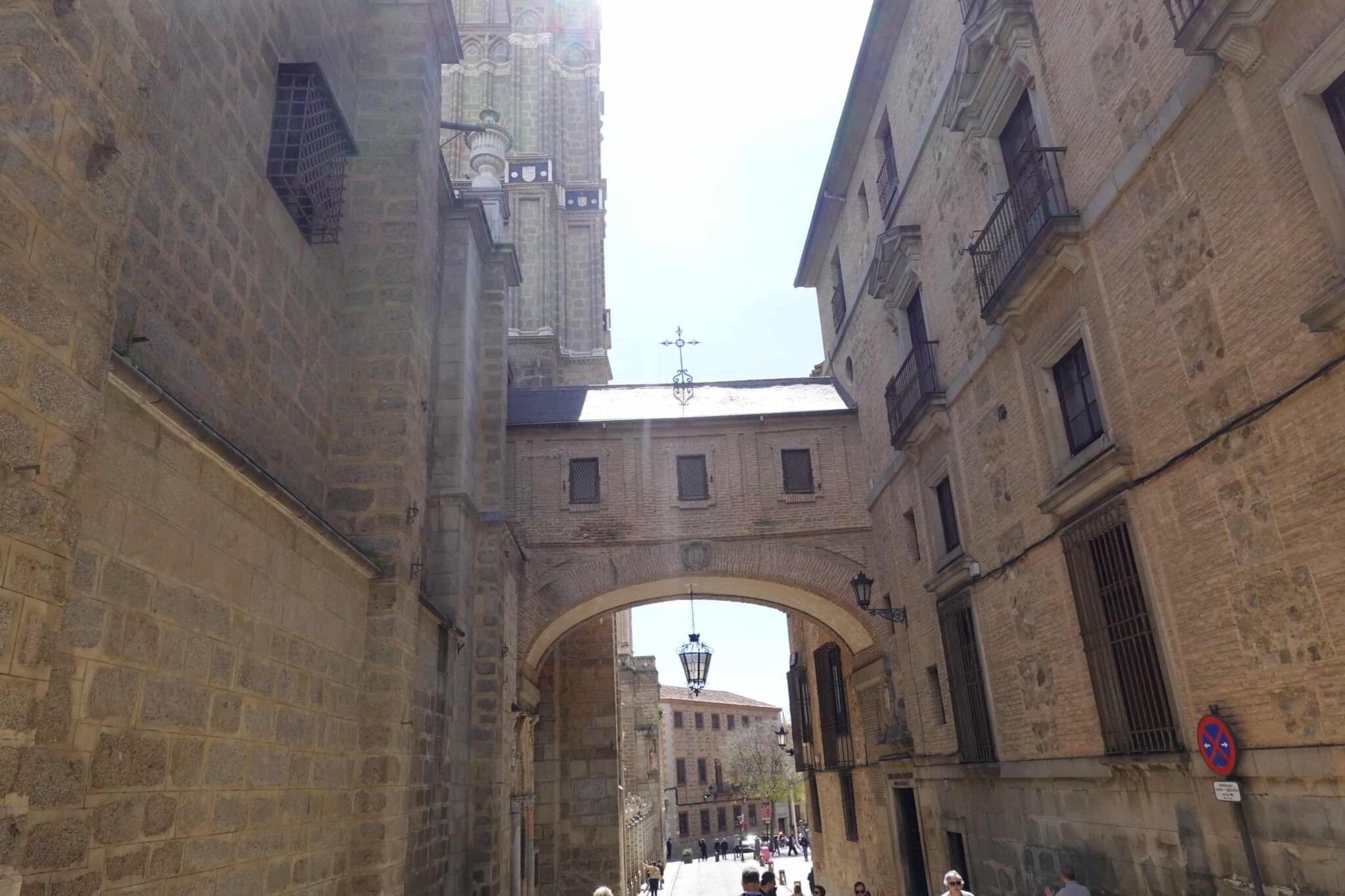
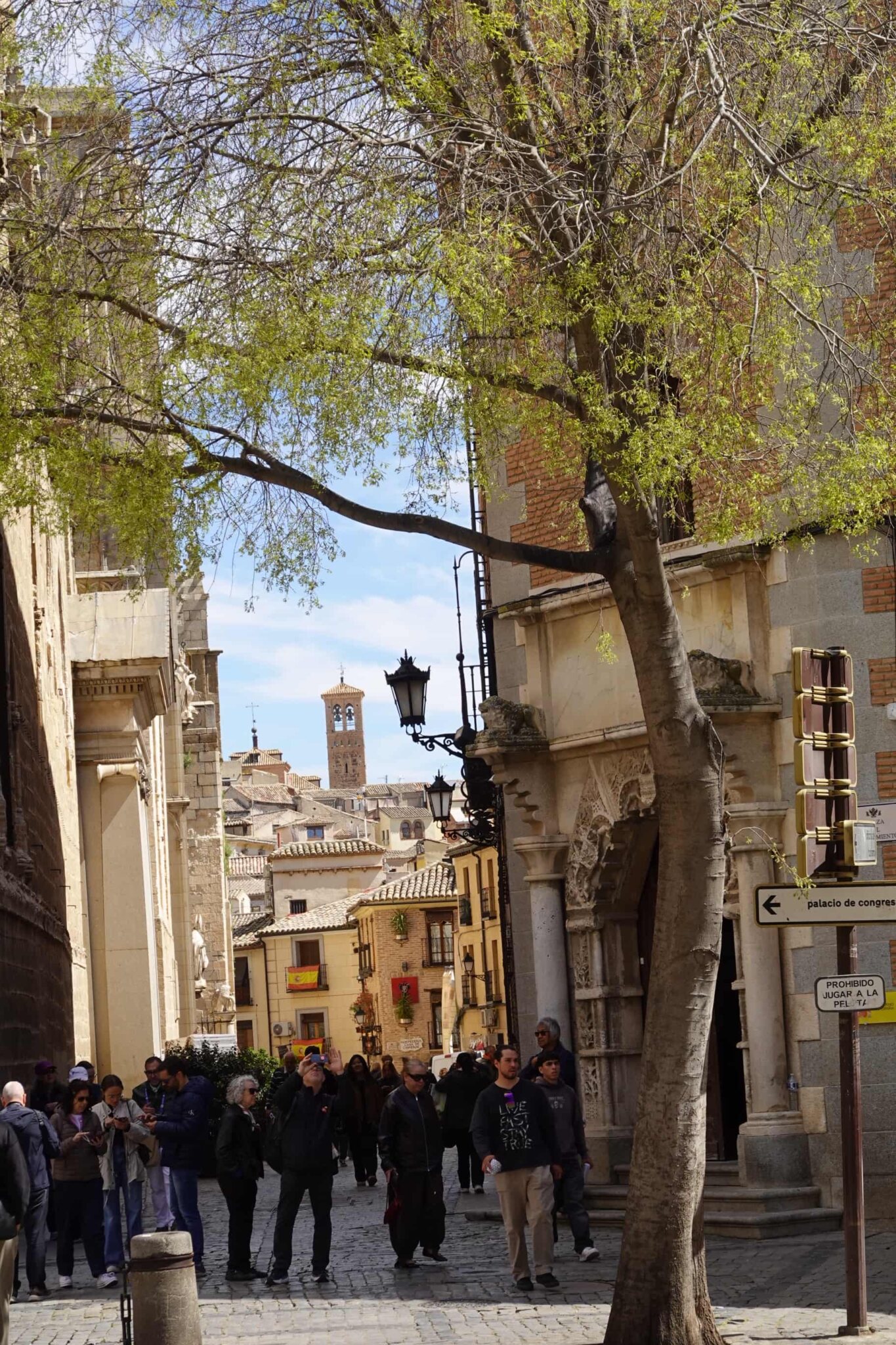
Once we arrived, we walked into Toledo’s old town.
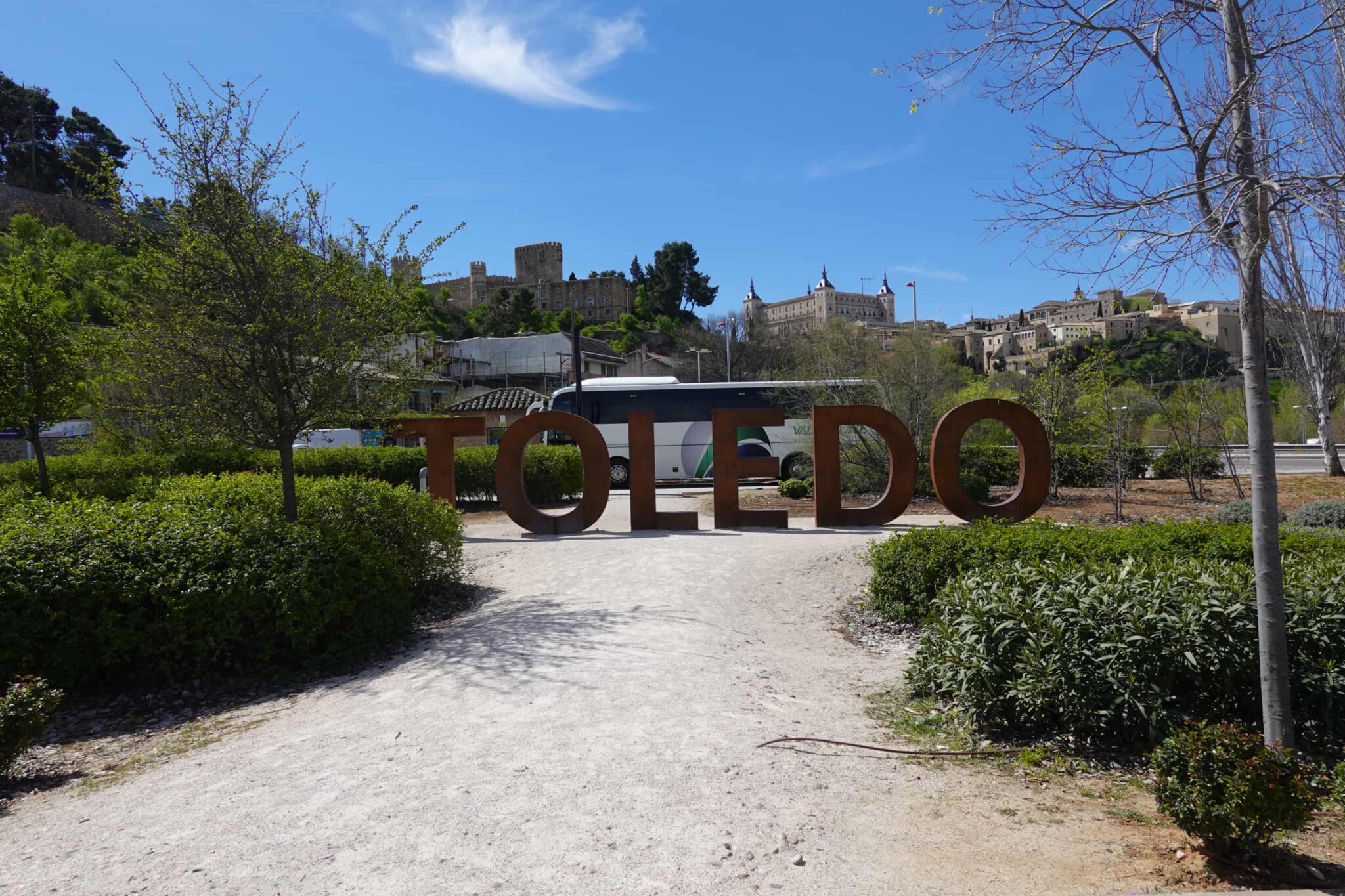
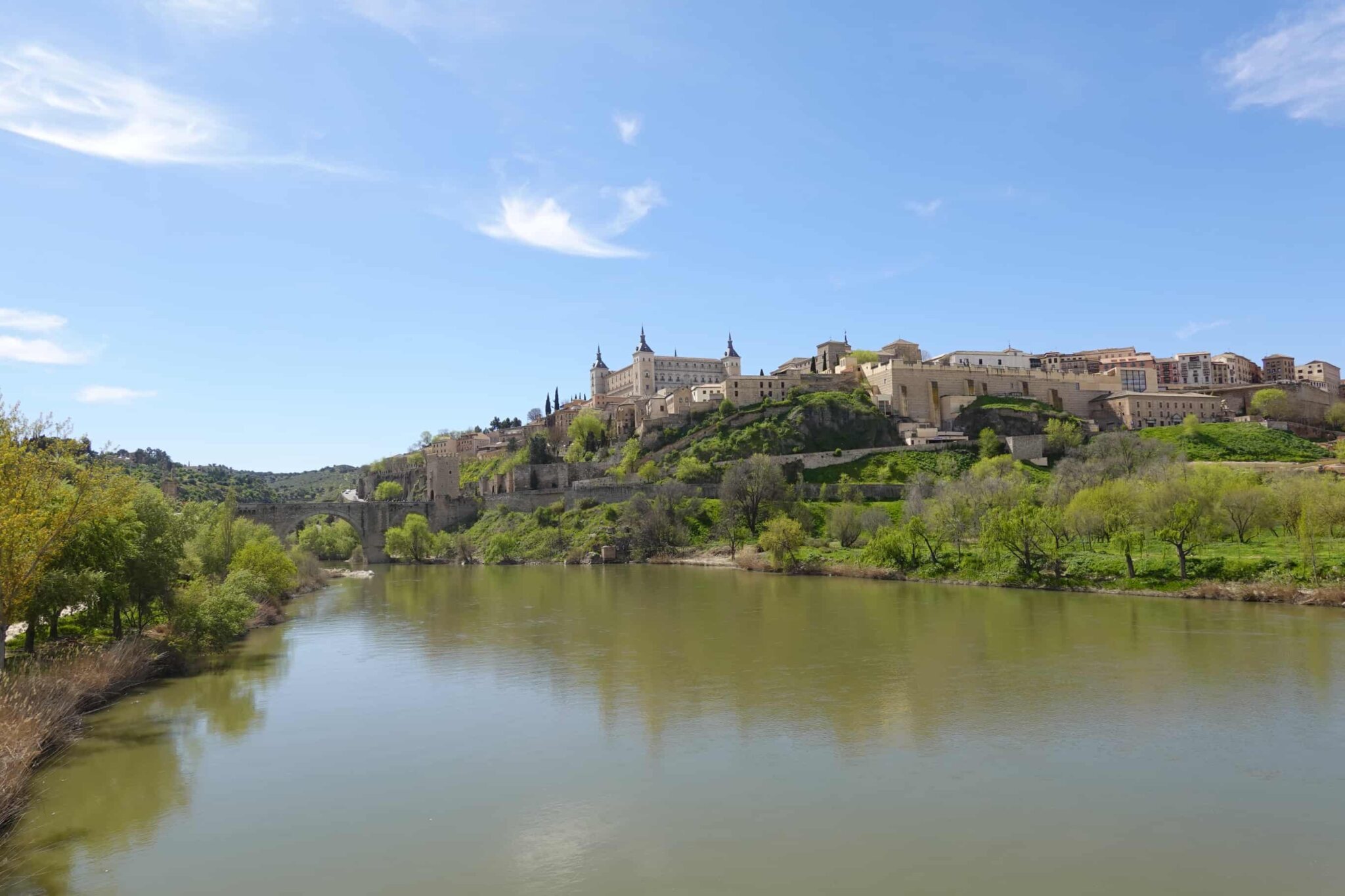
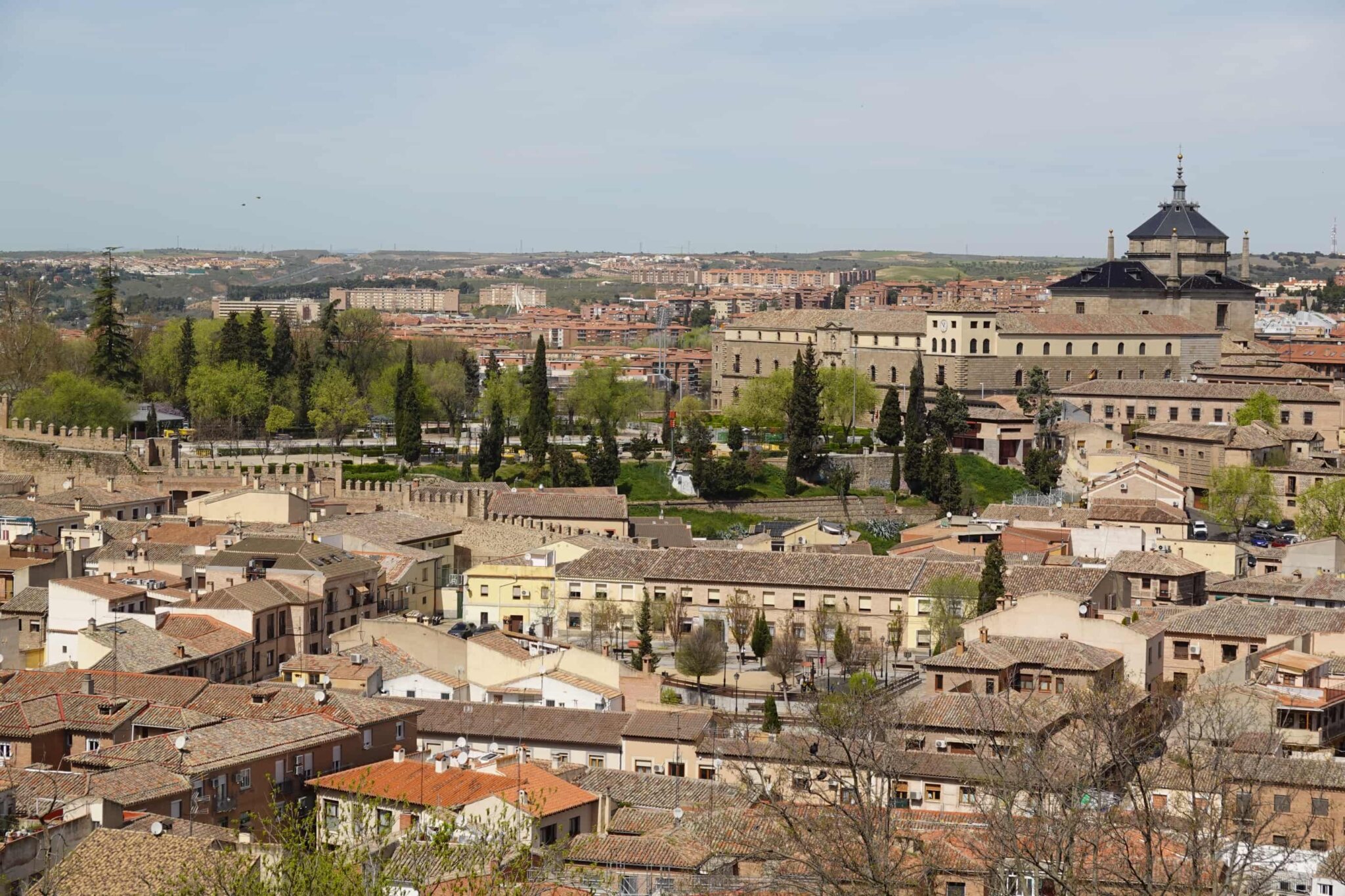
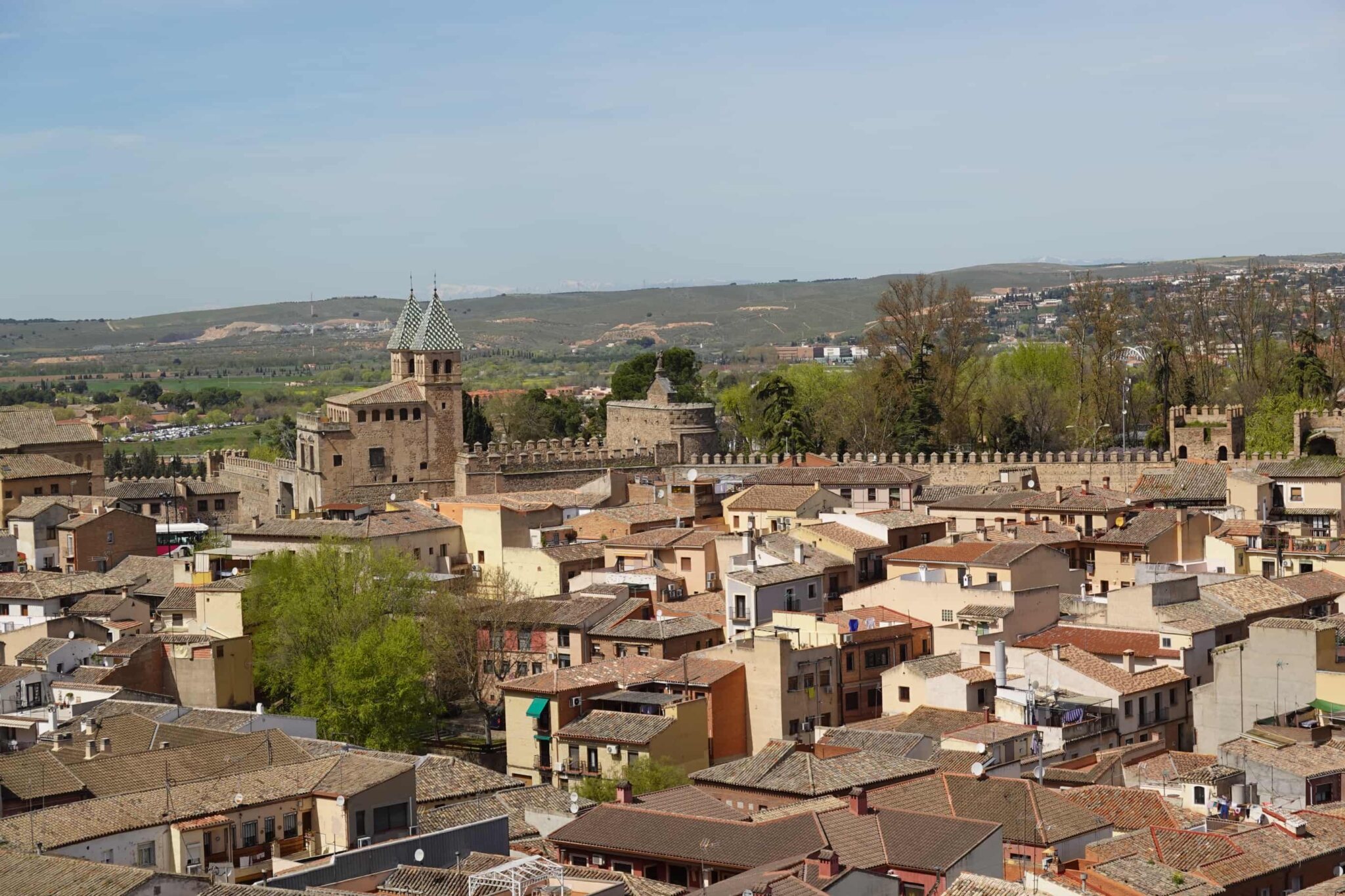
The city is remarkably well preserved and has been declared a national monument. Its history is layered: originally a Roman transportation hub with a thriving Jewish population, it later became the Visigothic capital in 554 A.D. In 711, the Moors transformed it into a regional center, and for a time, Jews, Muslims, and Christians coexisted relatively peacefully. In 1085, the city was reconquered by Christians, marking the beginning of the end of Muslim rule in Iberia. Toledo remained Spain’s political capital until 1561, when Philip II moved it to Madrid—though historians still debate exactly why.
We started with Rick Steves’ walking tour, which guided us through the winding streets and key sites of the city.
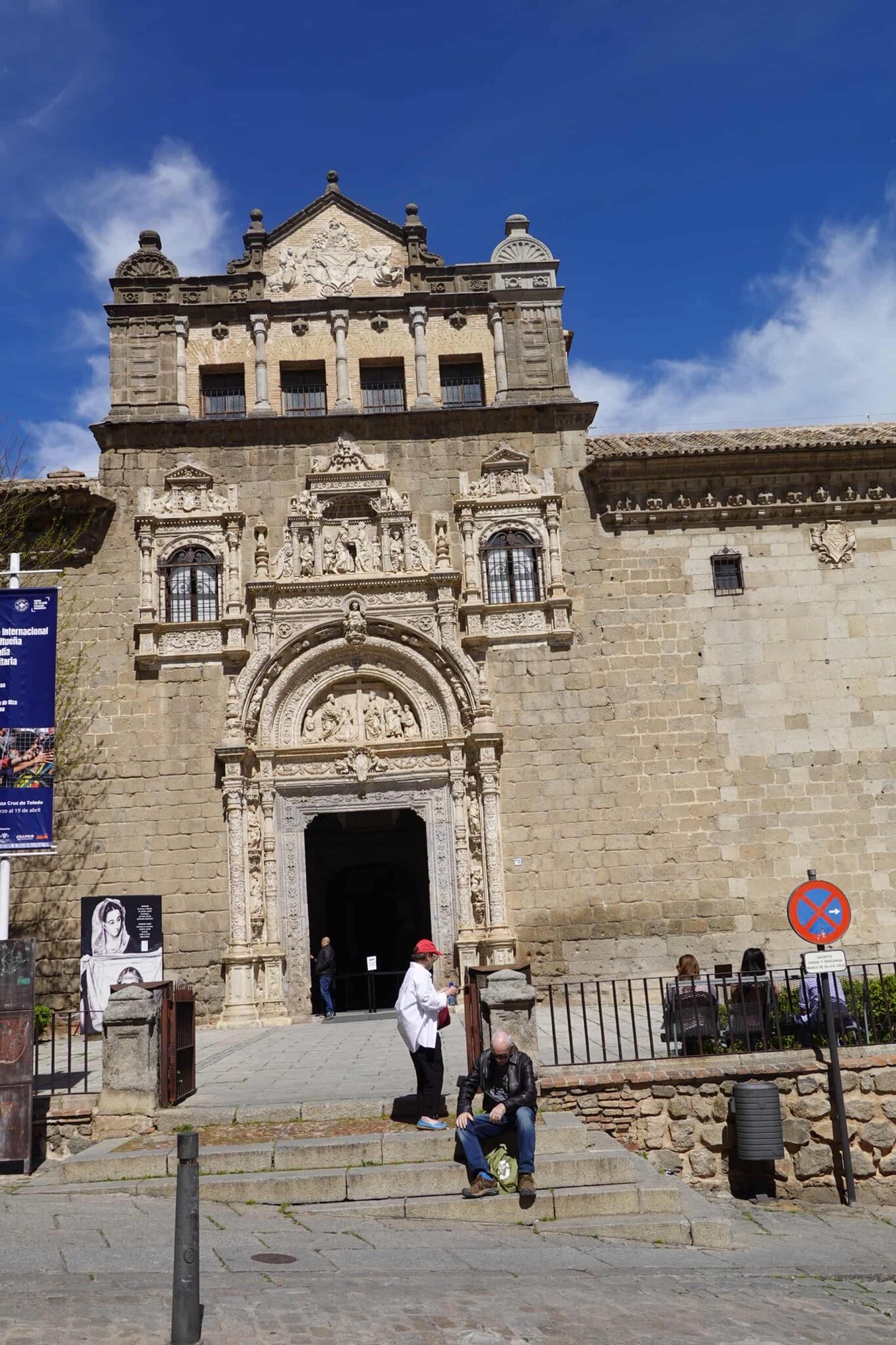
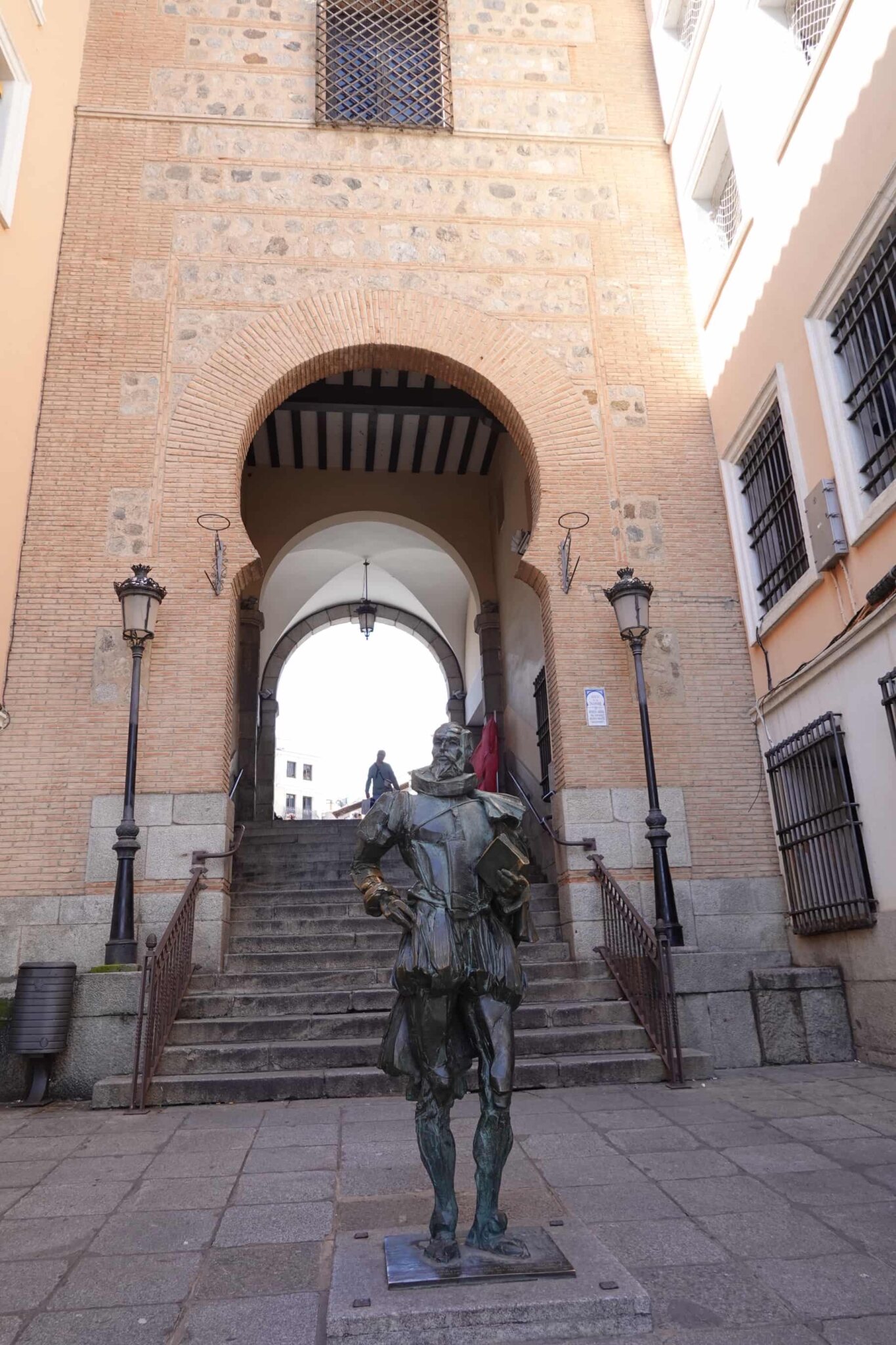
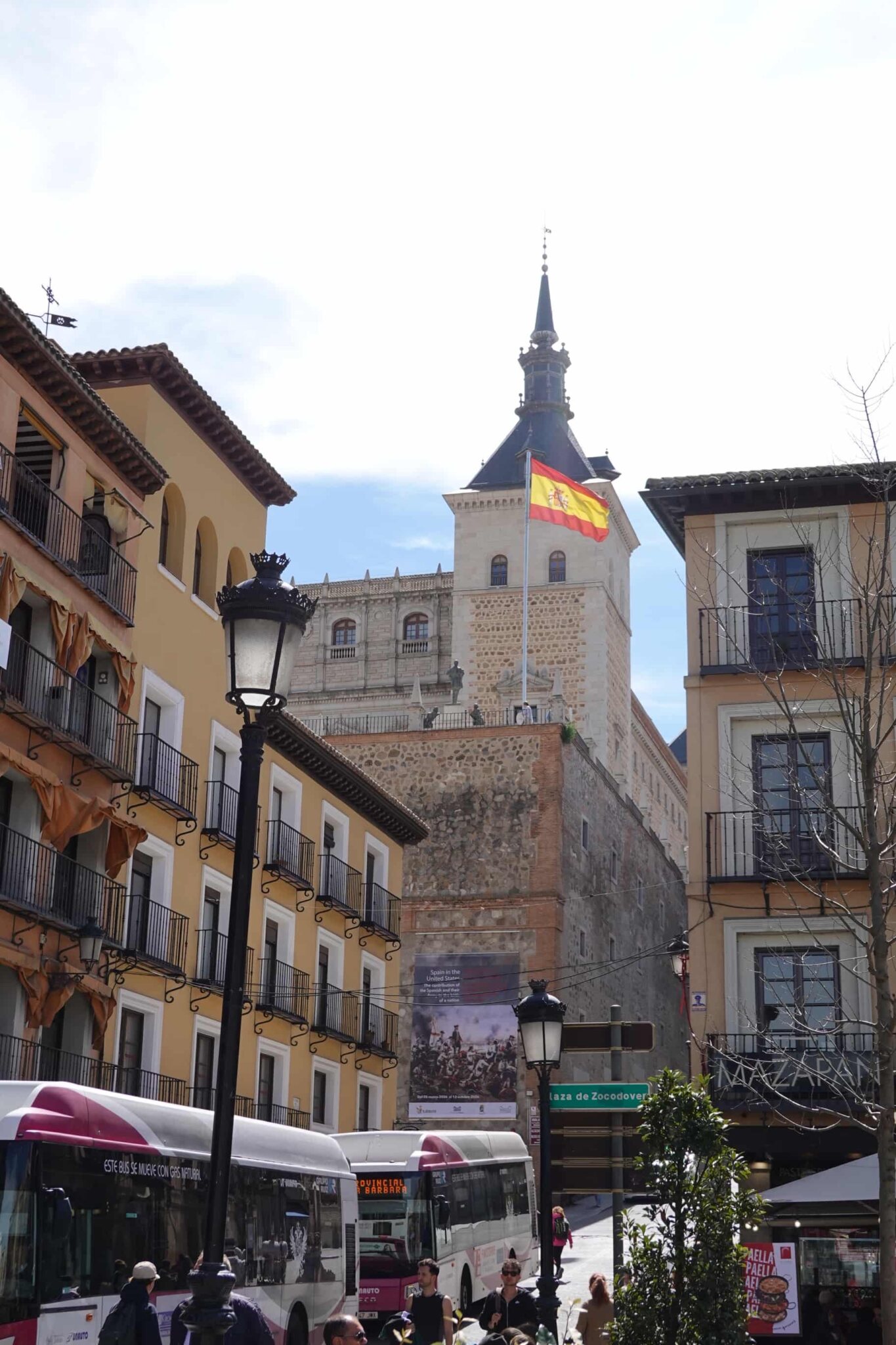
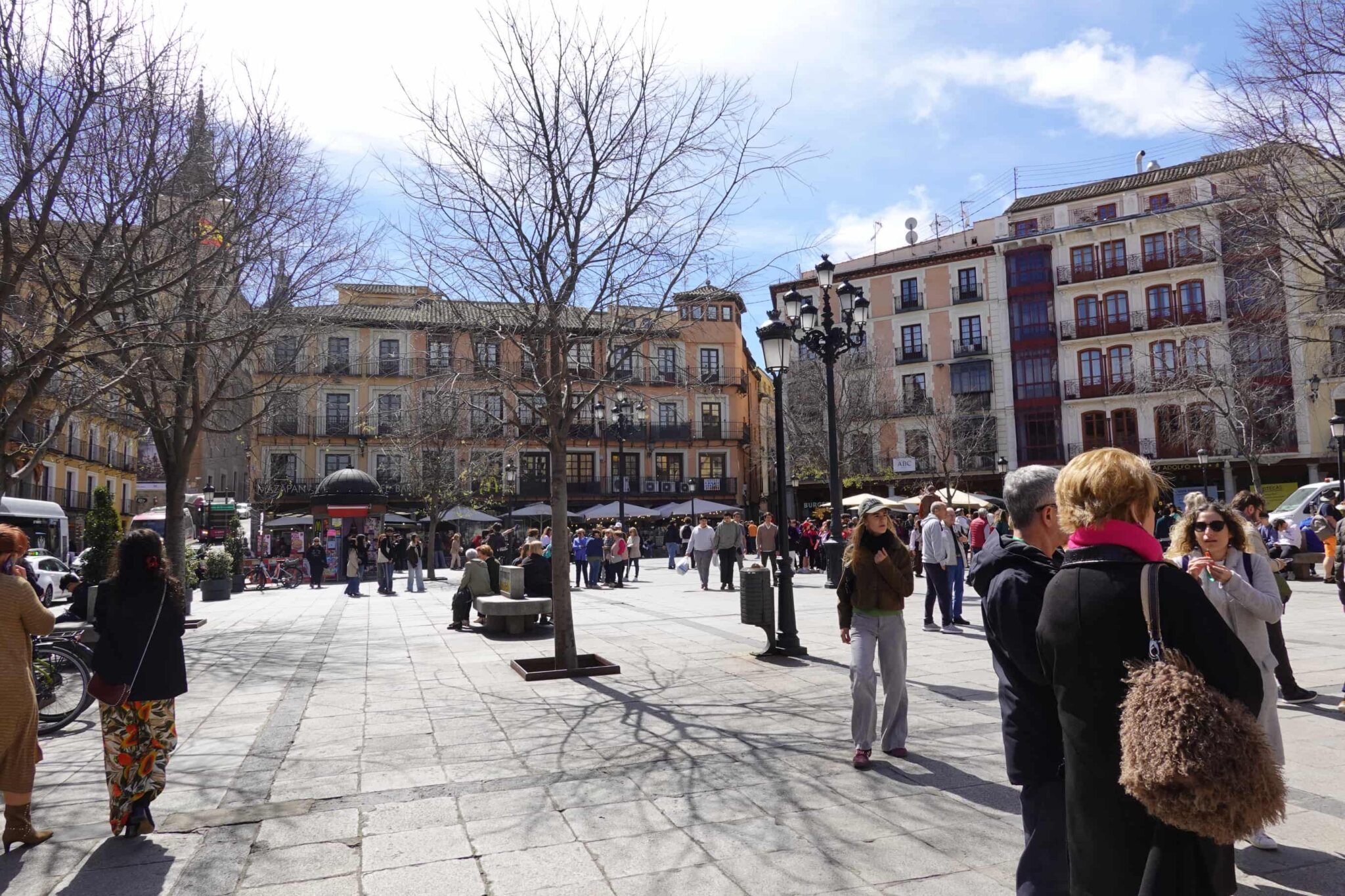
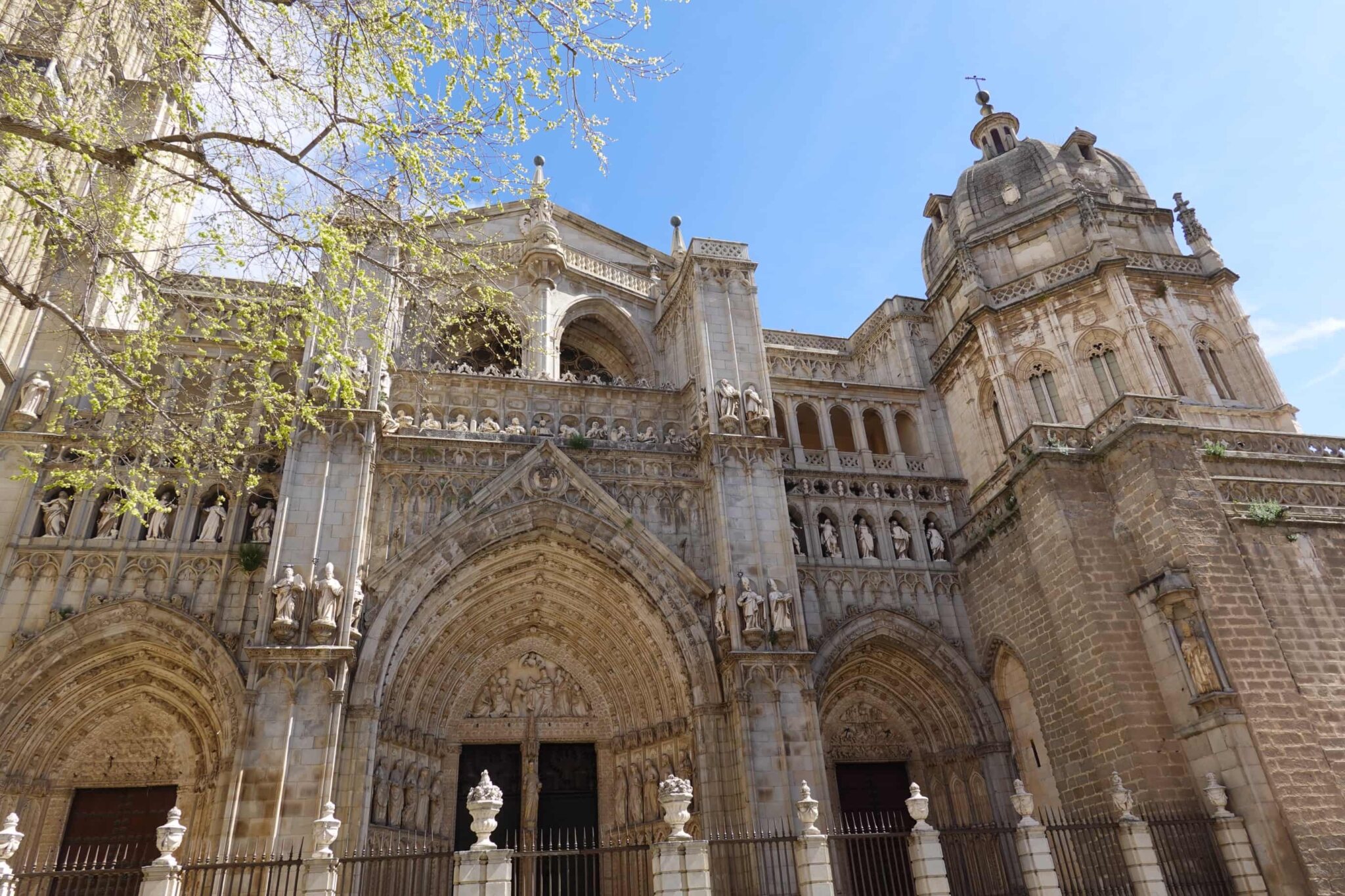
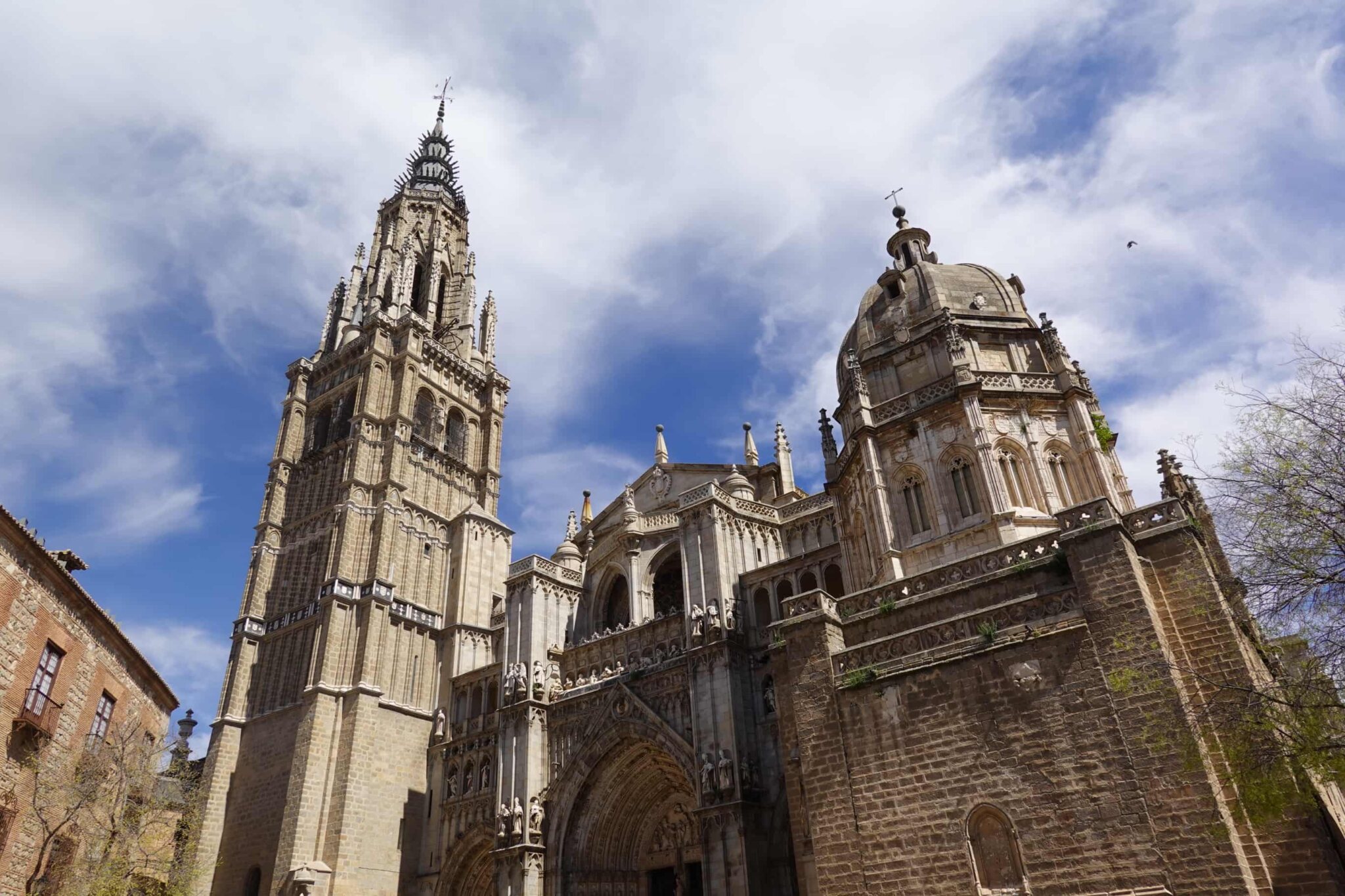
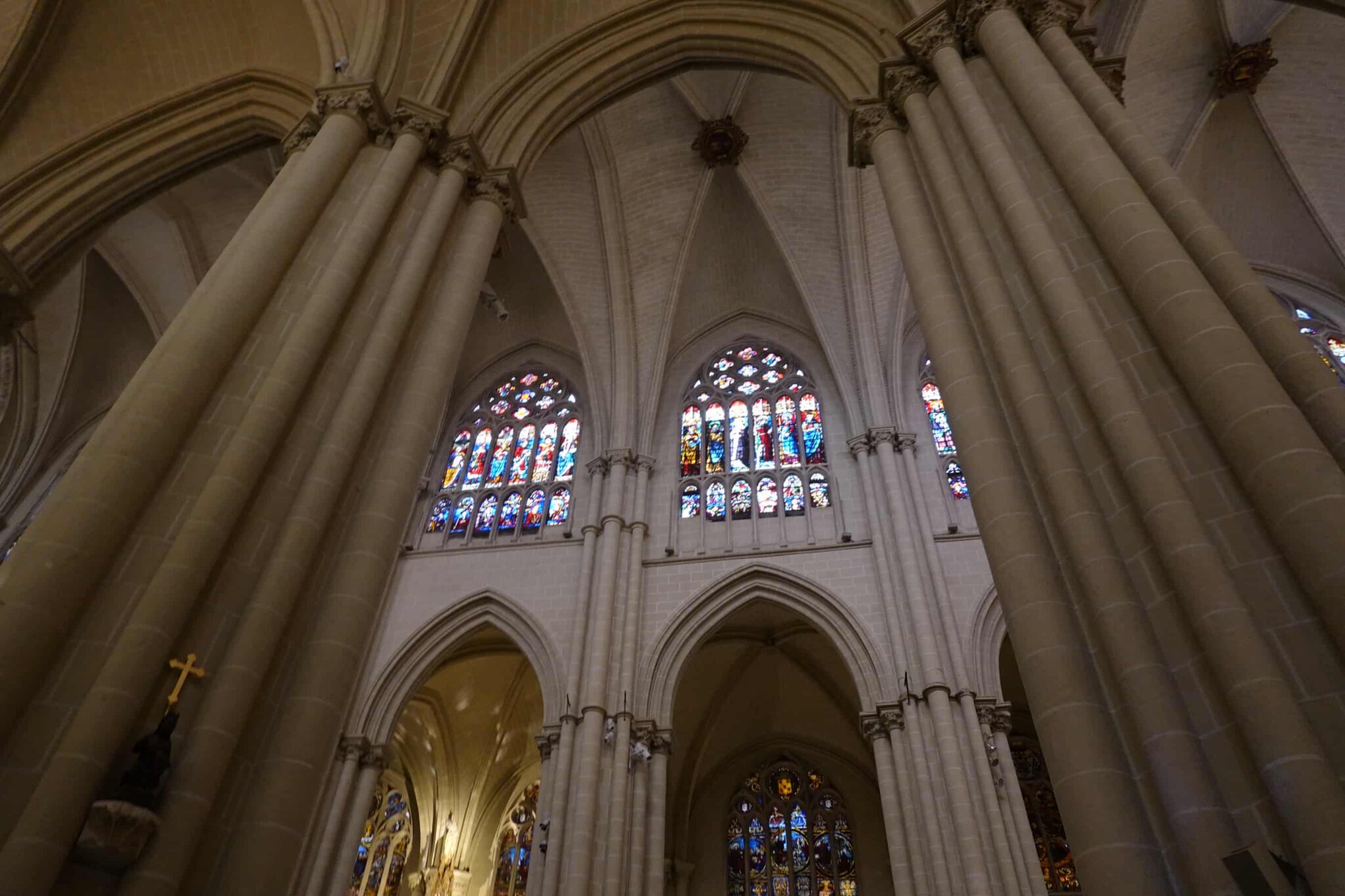
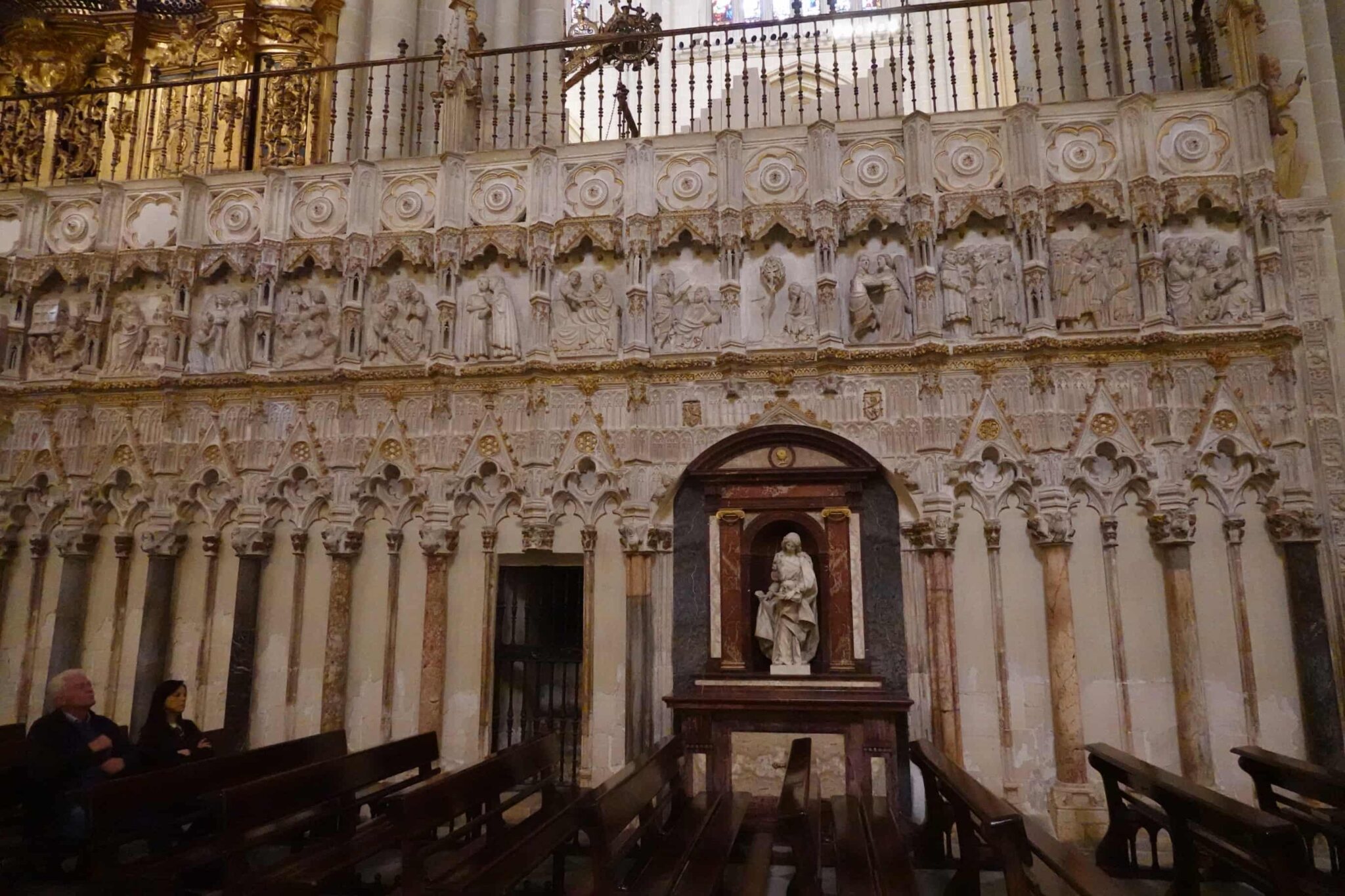
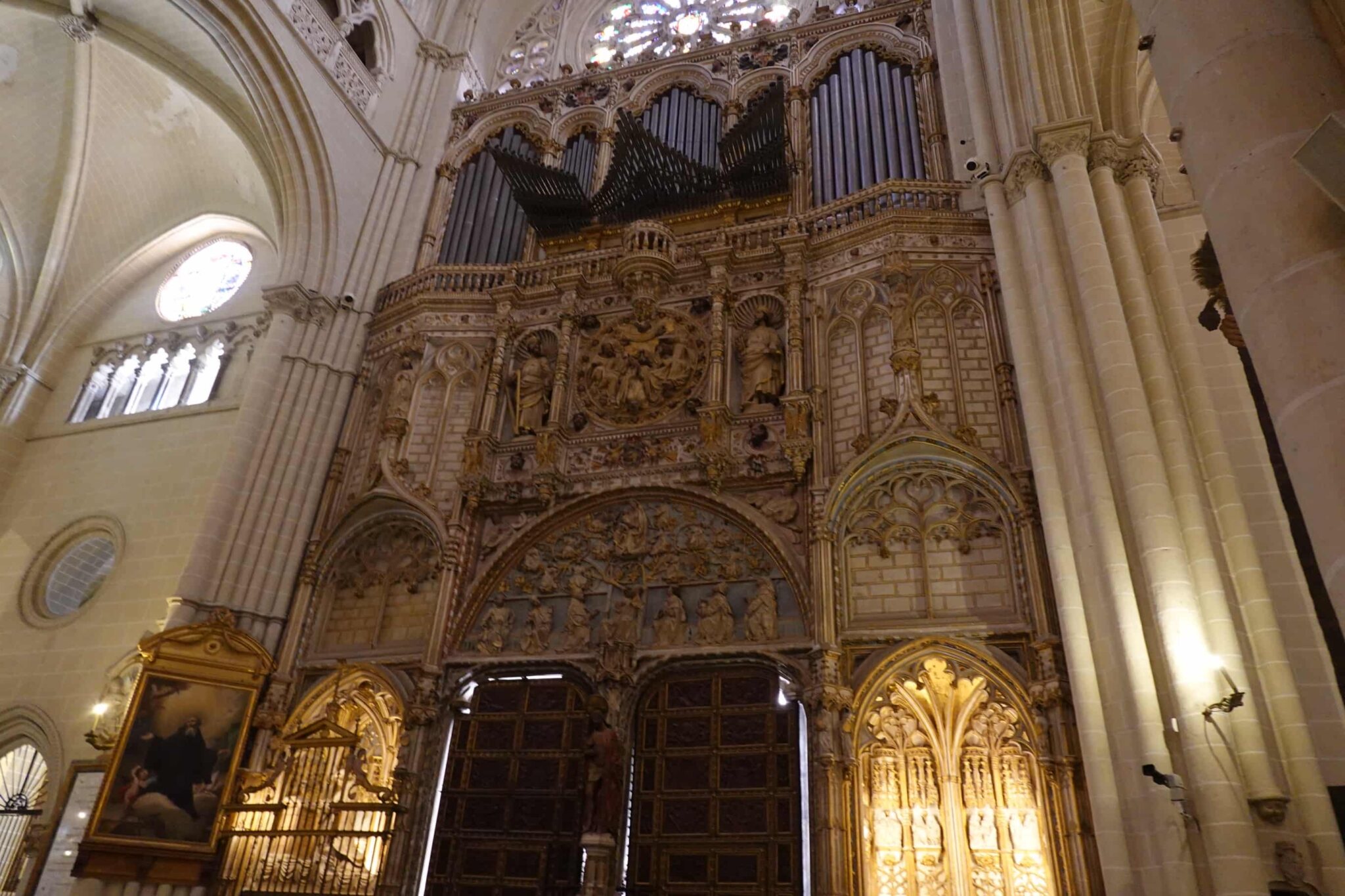
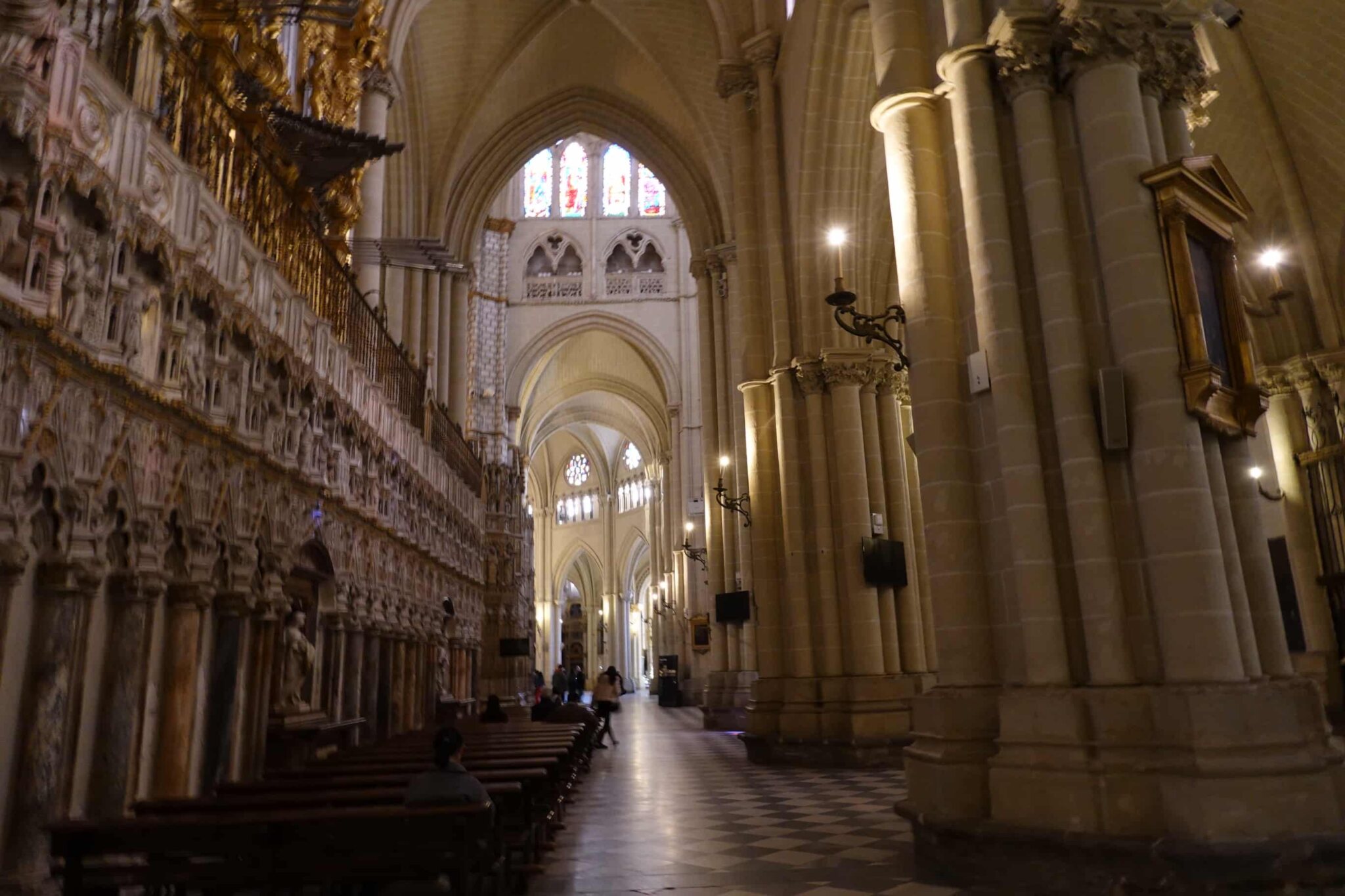
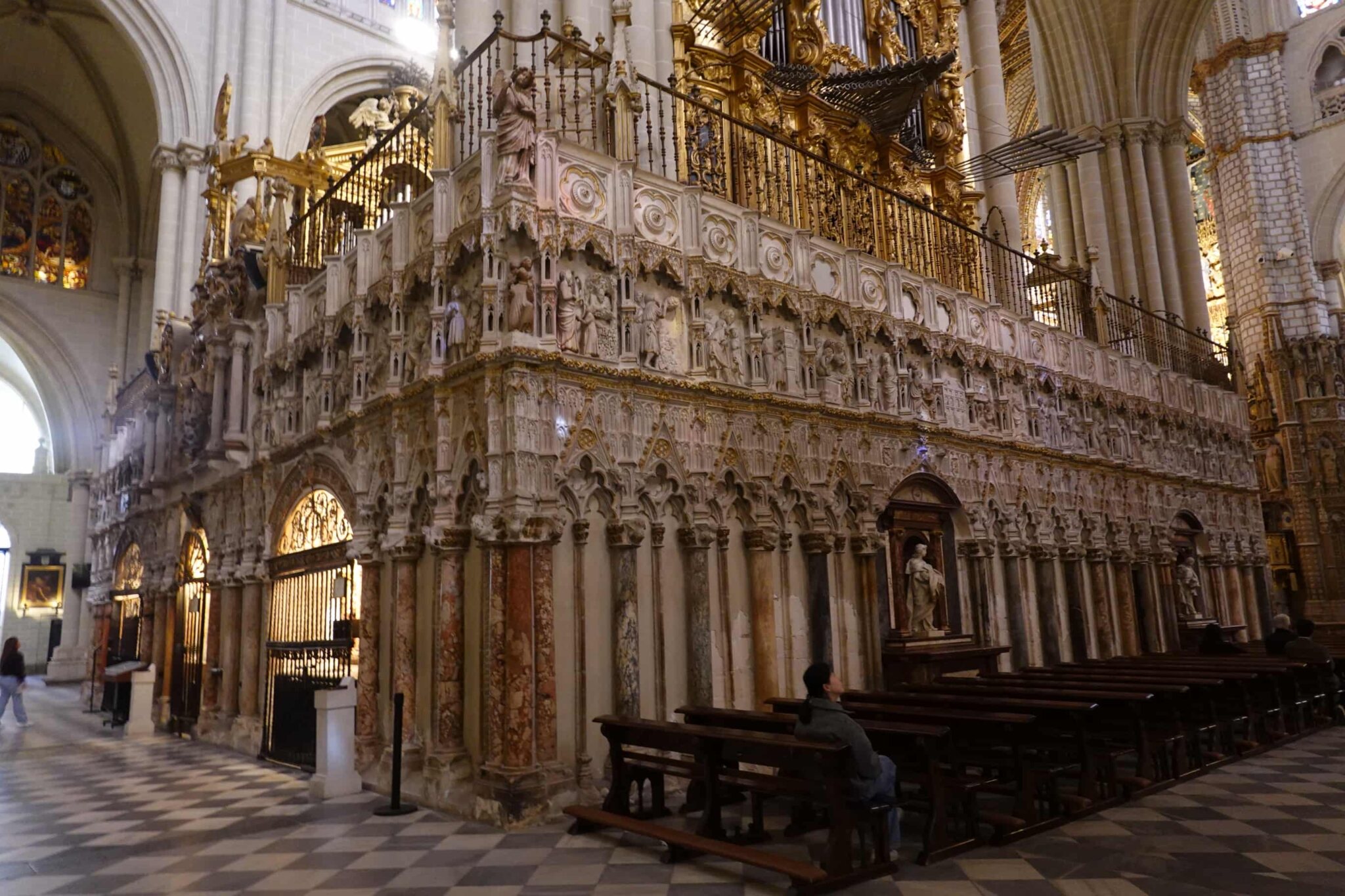
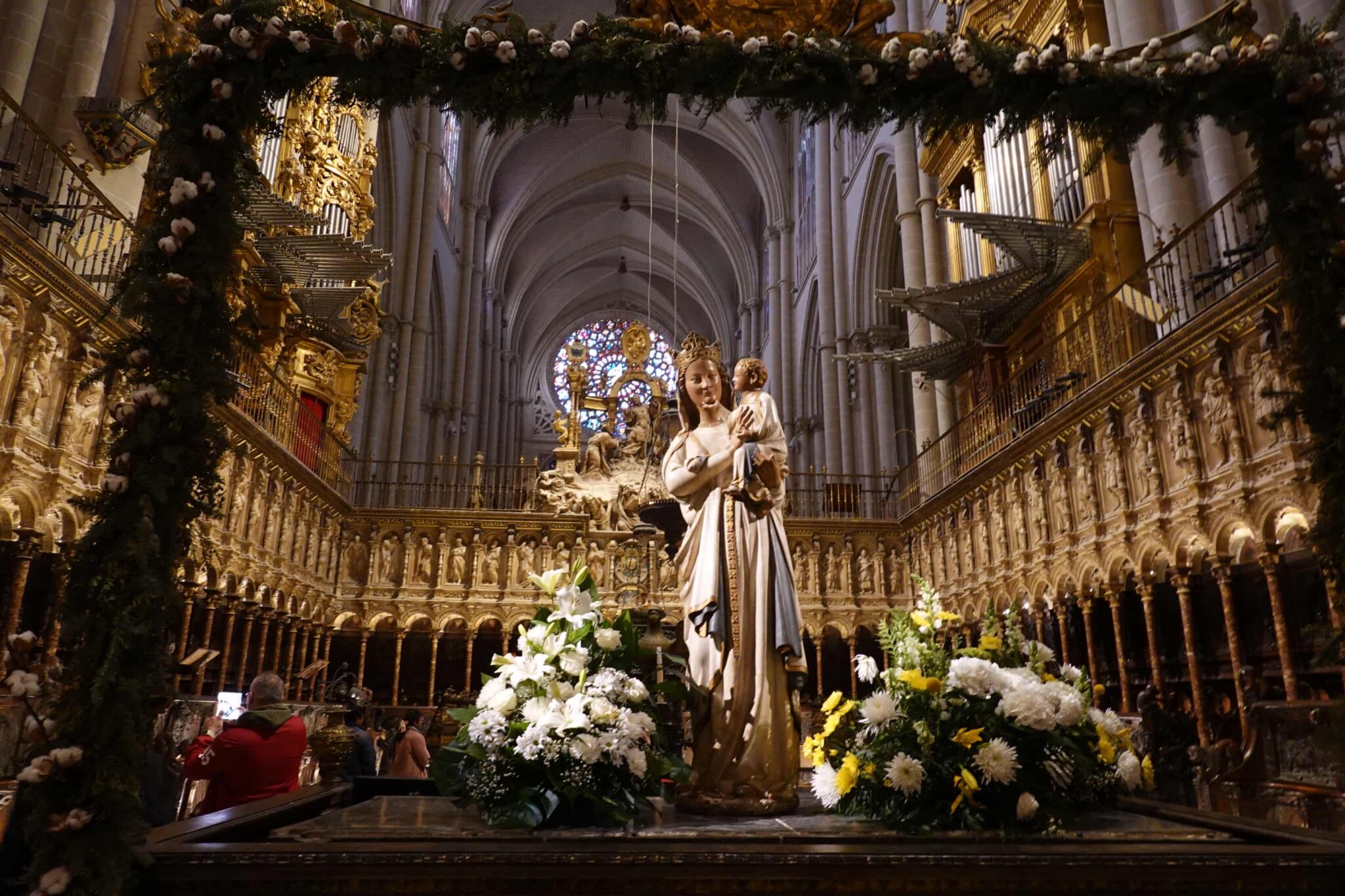
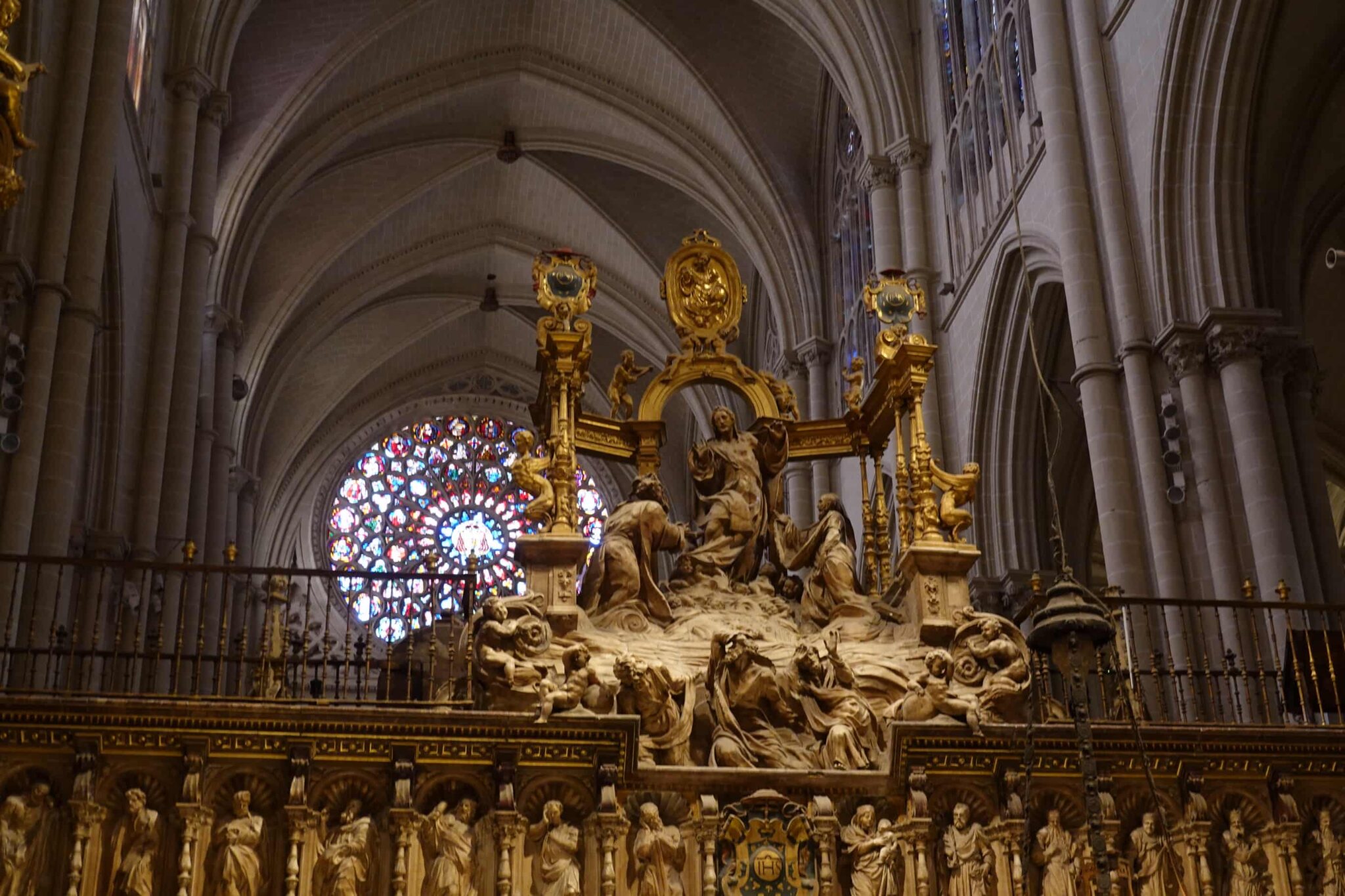
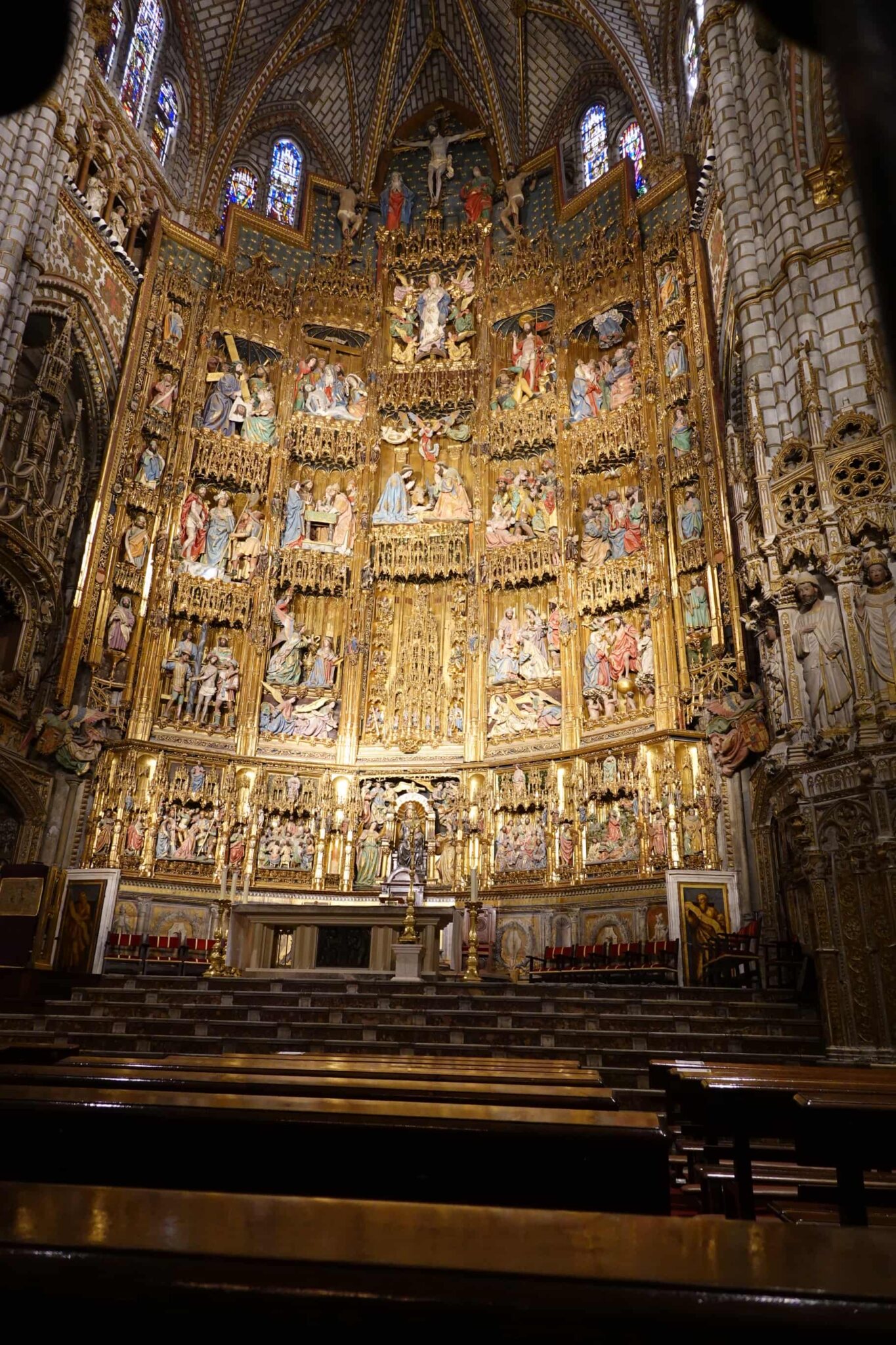
The cathedral is Toledo’s main highlight, so we made that a priority. Primarily Gothic in style, it reflects more than 250 years of construction (1226–1493), along with later additions, resulting in a mix of Gothic, Renaissance, Baroque, and Neoclassical elements. In short, it’s a lot—but in an impressive way. We used the audio guide to explore, which helped us fully appreciate just how ornate everything was.
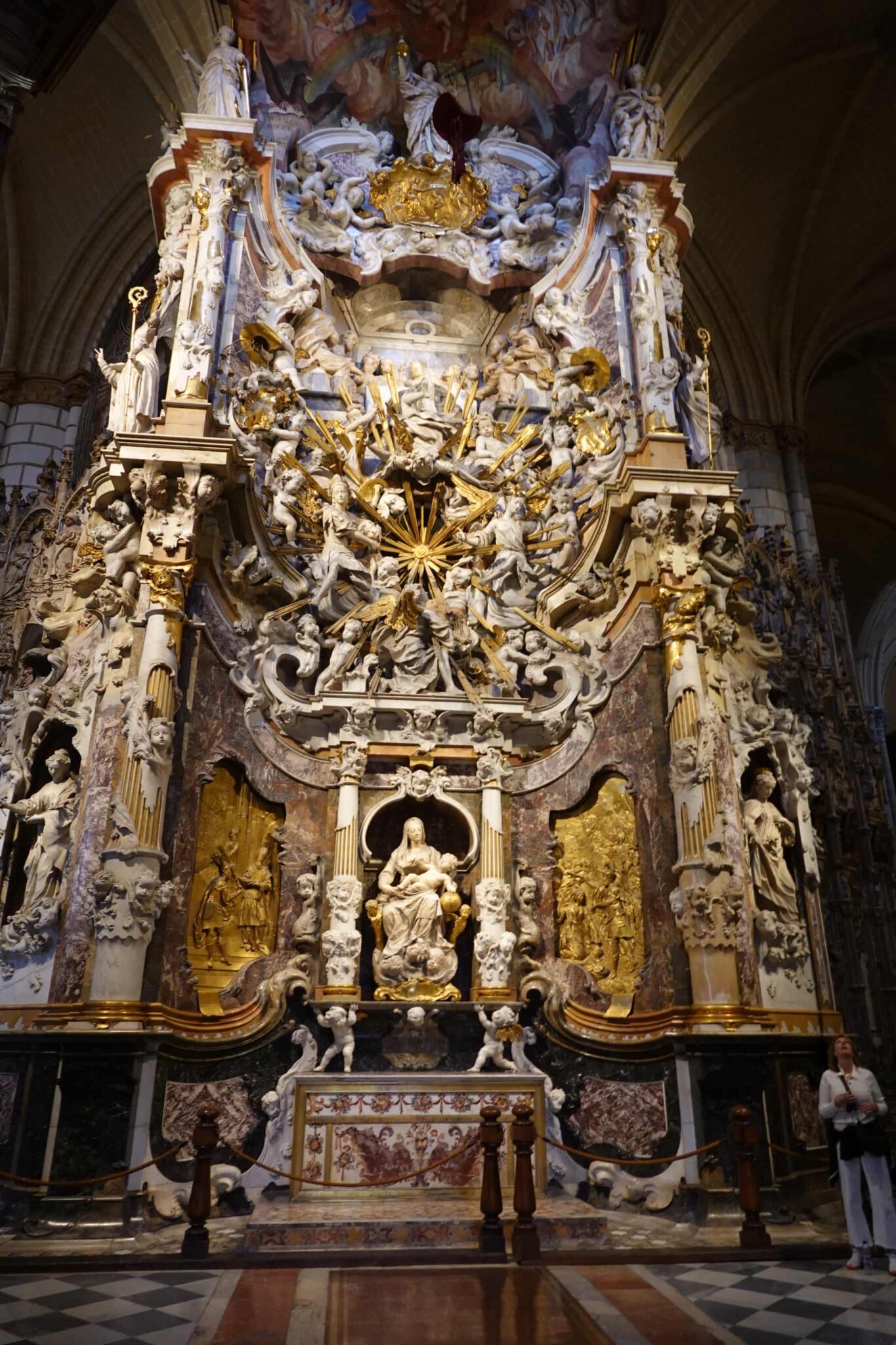
All that exploring worked up an appetite, so we had lunch at a small restaurant recommended by Rick Steves called El Trébol. Afterward, we picked up some marzipan, a local specialty. Properly refueled, we headed to the Jewish Quarter, where we wandered through quiet streets and eventually found a spot with sweeping views that reminded us a bit of Tuscany—unexpected, but not unwelcome.
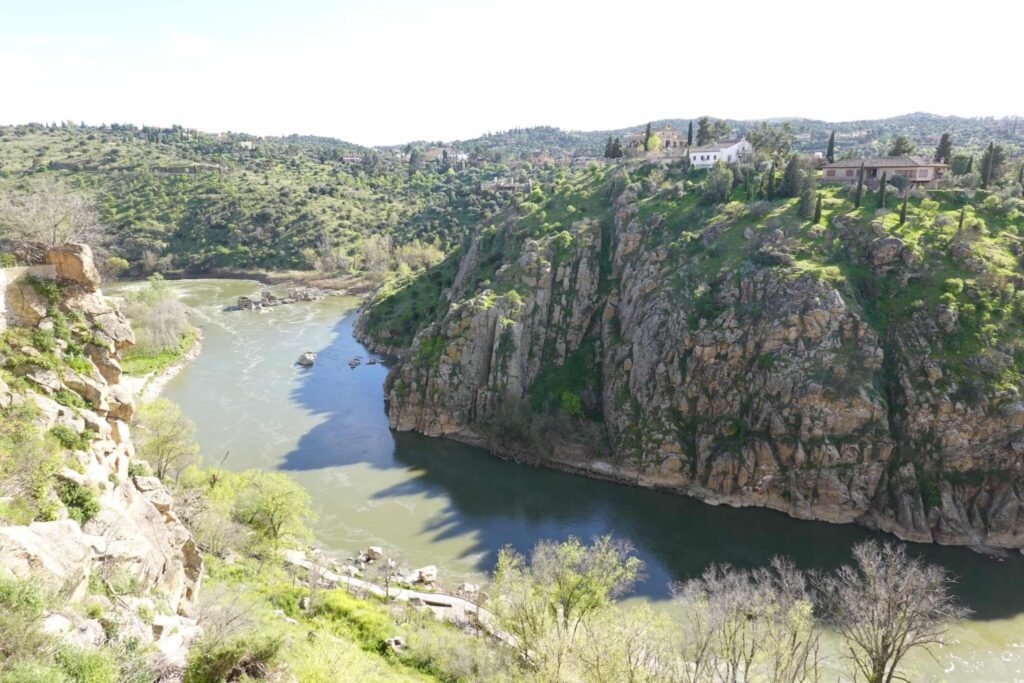
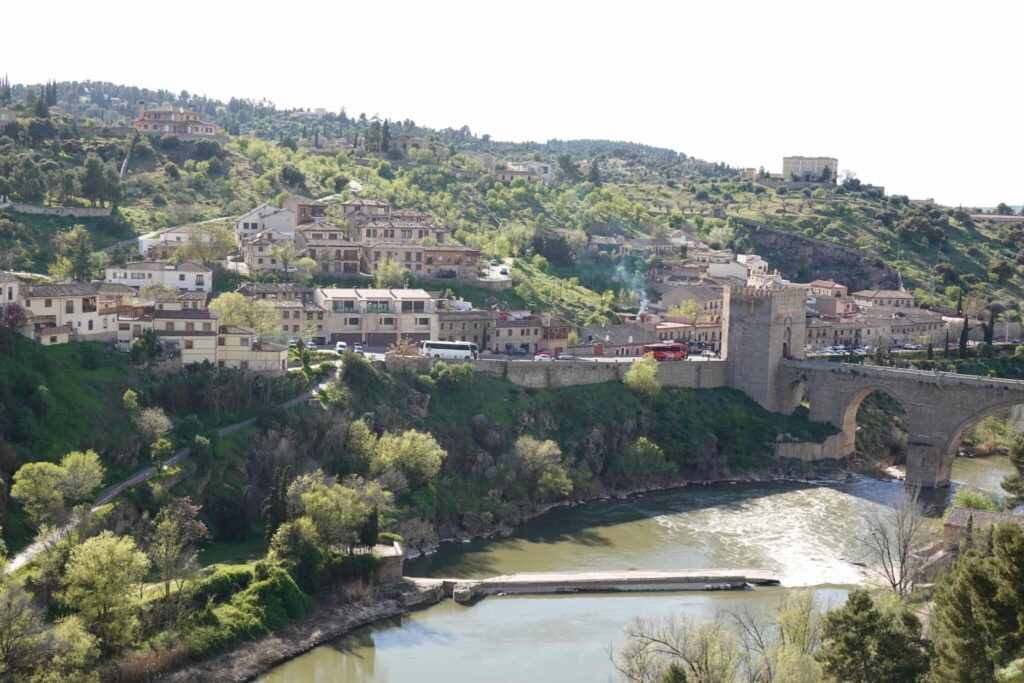
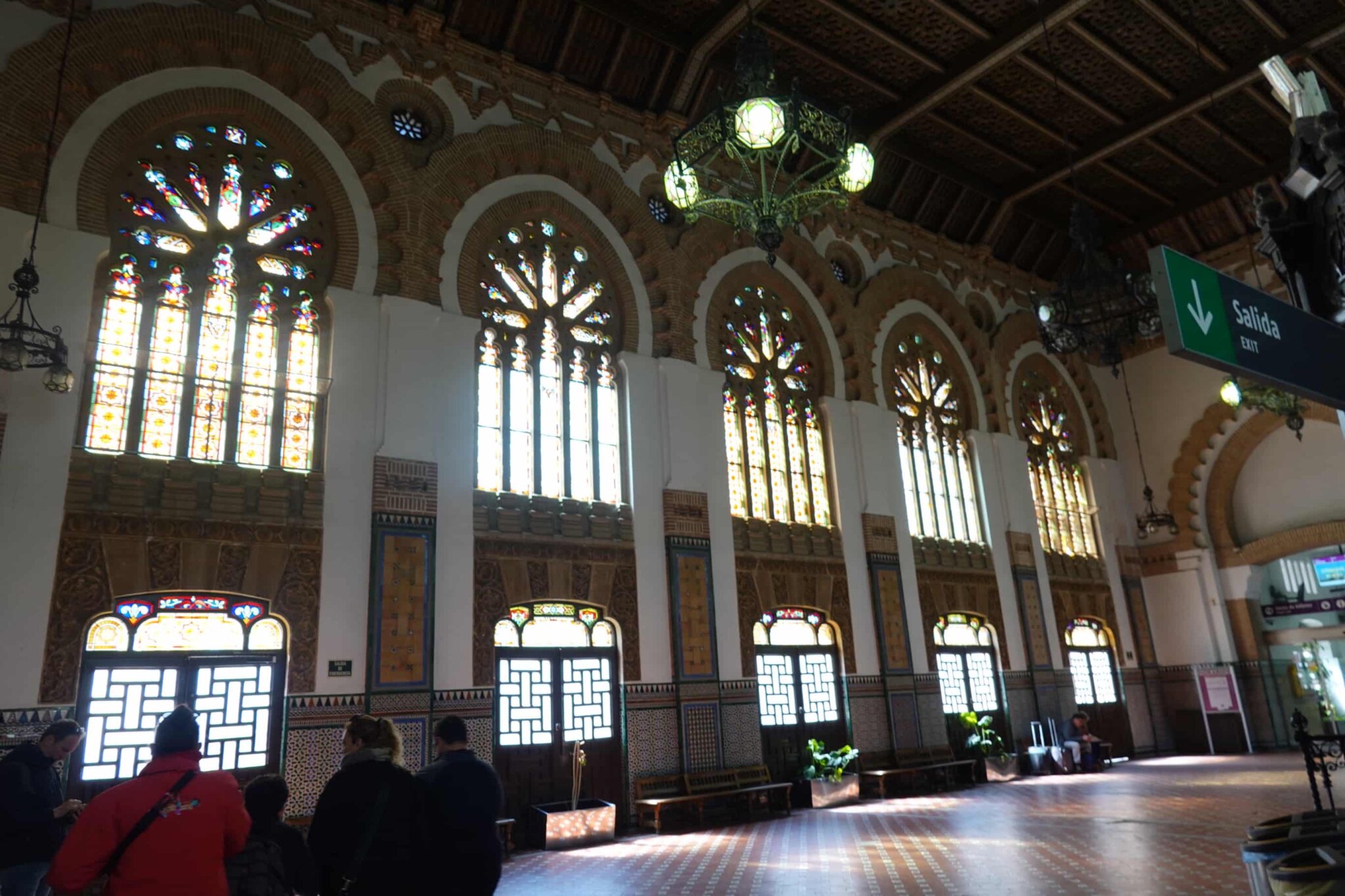
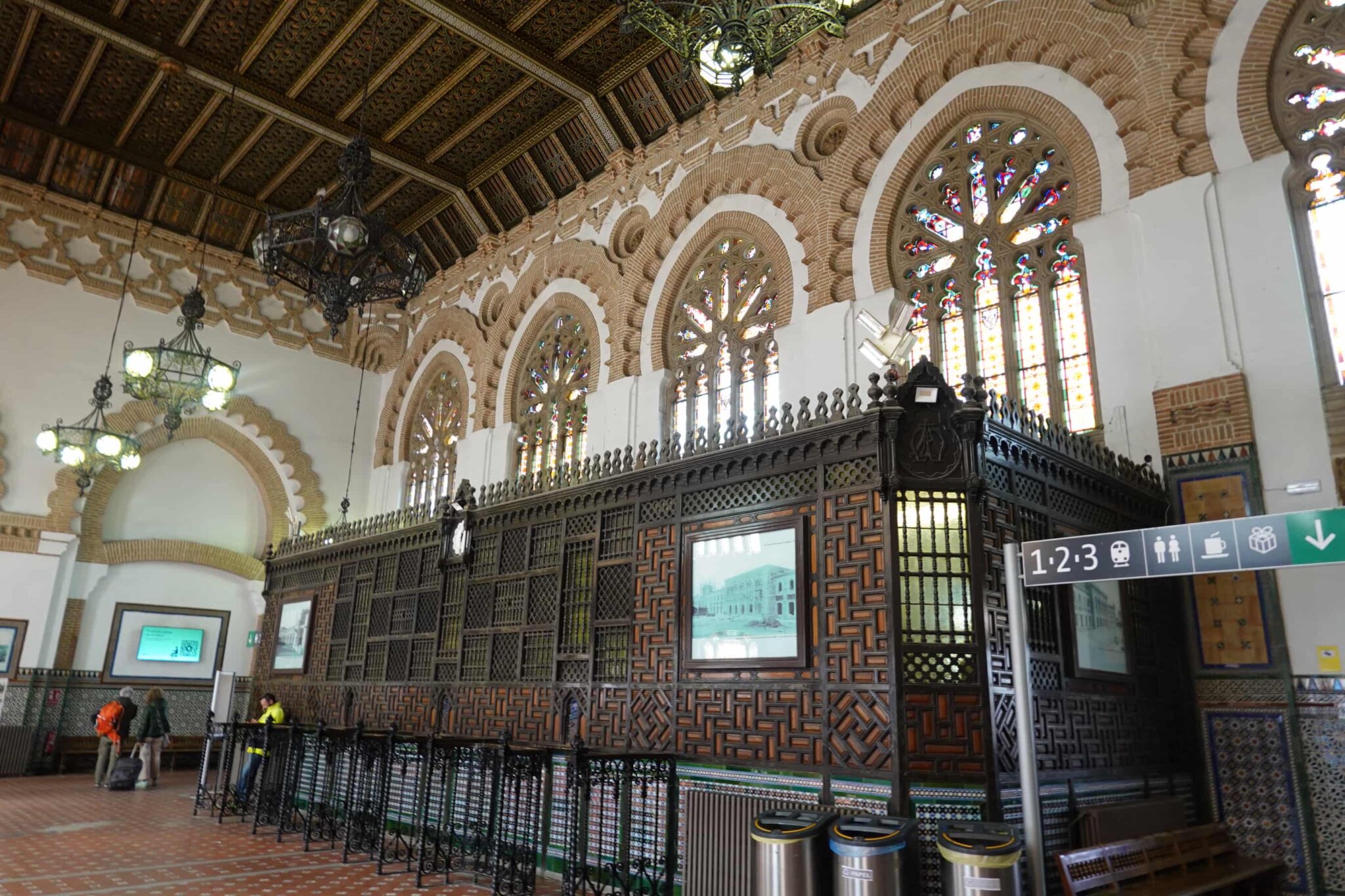
We made our way back to the train station, mostly walking along the outside of the old city walls. The Toledo train station itself is a destination in its own right, with beautiful Moorish-style architecture—intricate tilework, arches, and wood details that almost make you forget you’re there to catch a train.
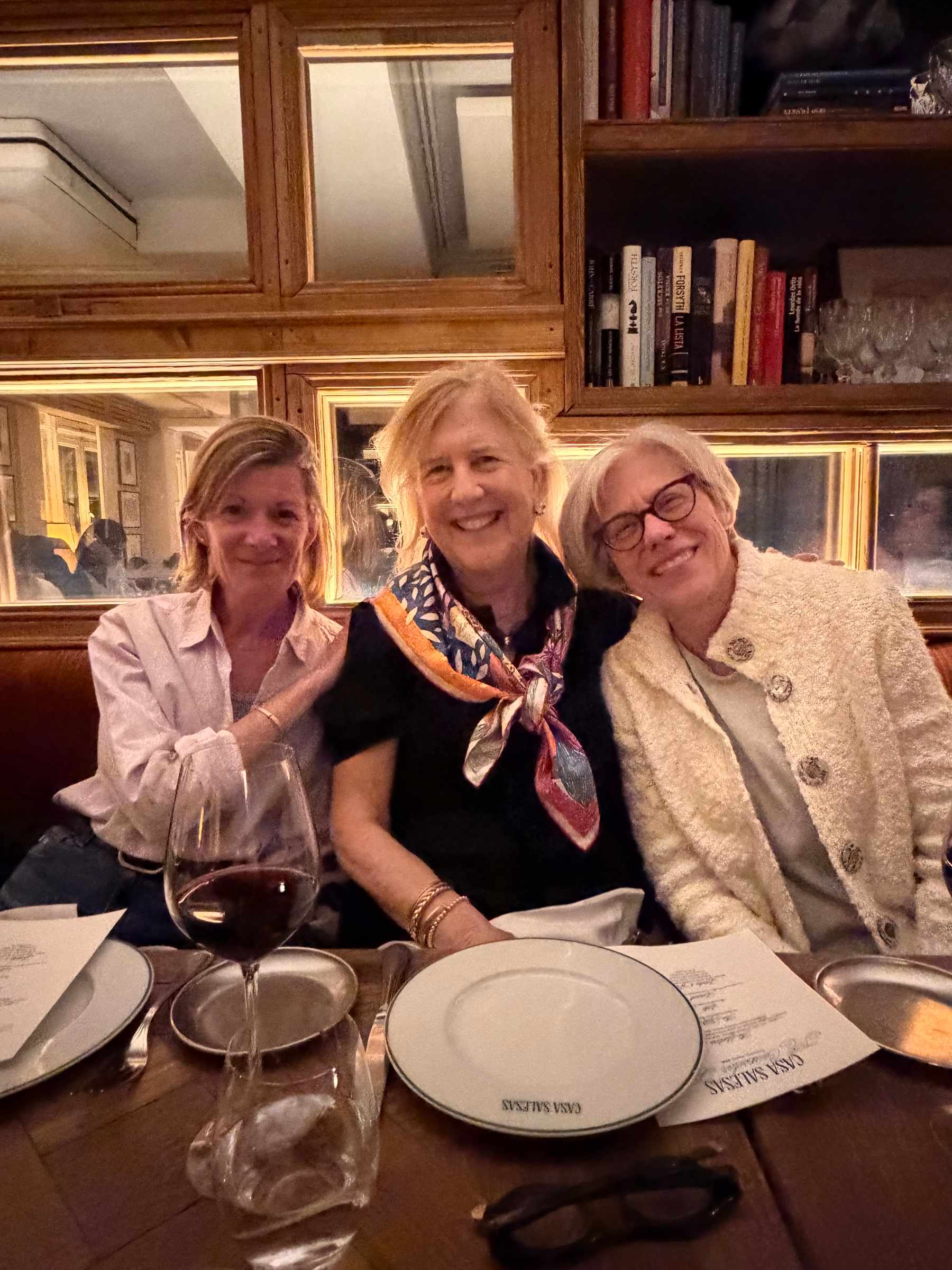
The return trip to Madrid was uneventful—always a small victory. From there, we walked to a restaurant where Gail and her colleagues were having their farewell dinner. The food was excellent, and the company even better, which made for a relaxed and enjoyable end to the day.
Back at the hotel, we skipped any further adventures and went straight to bed—no delays, no confusion, and no need for a backup plan.