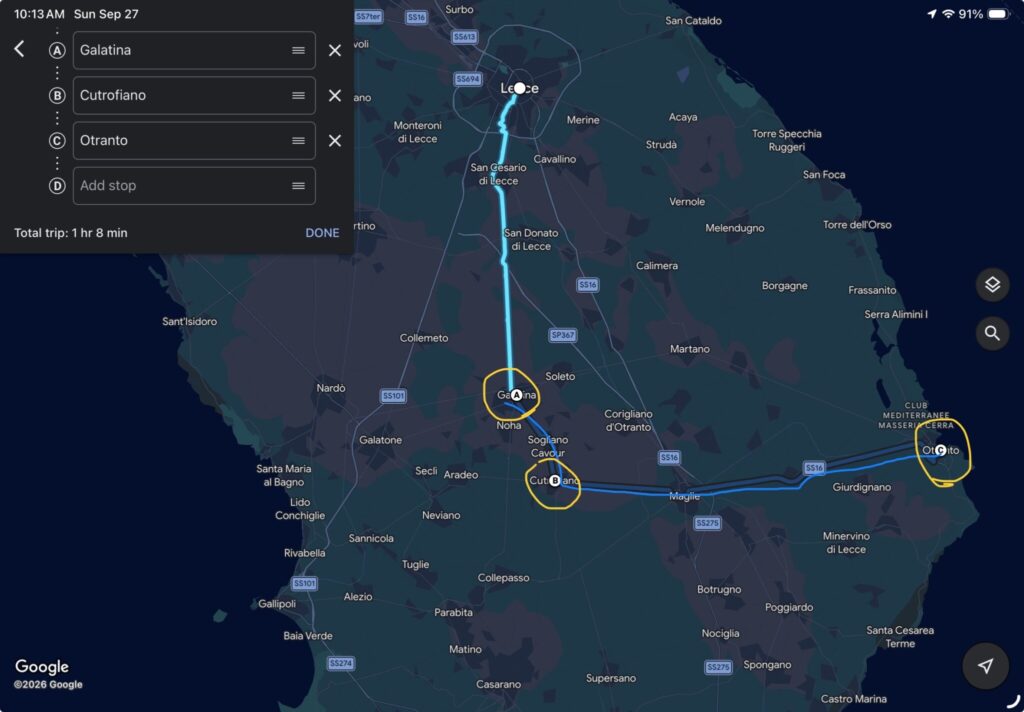
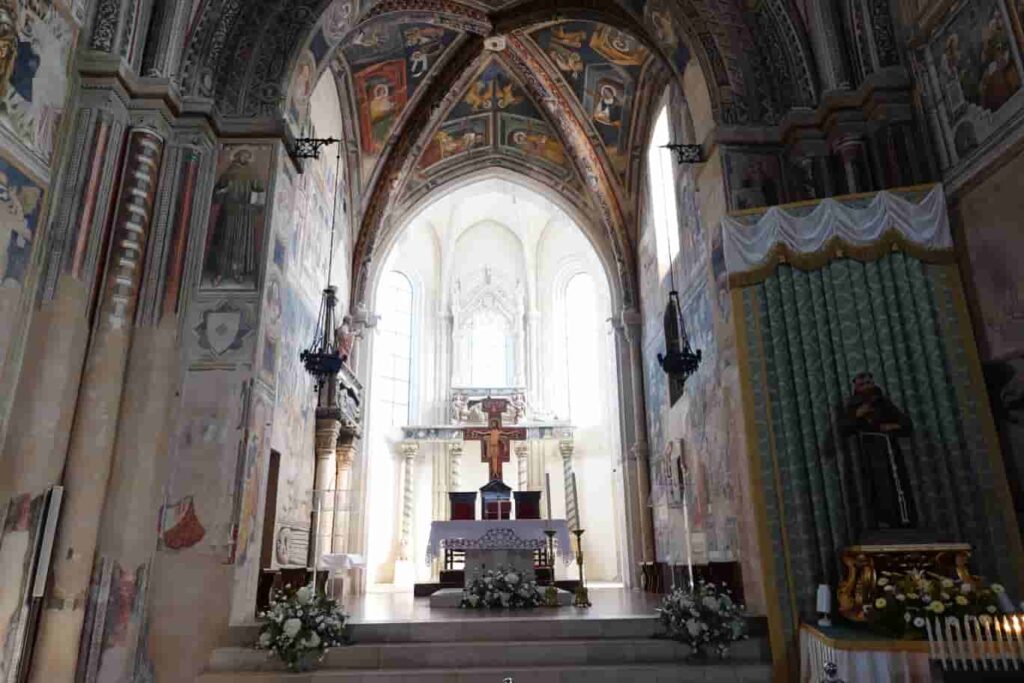
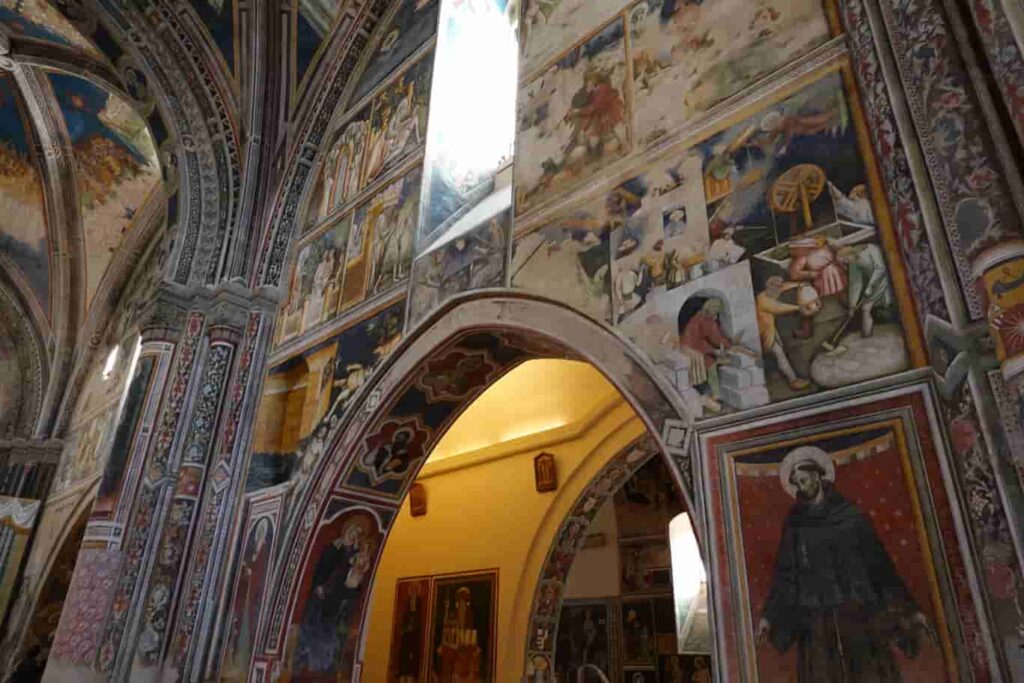
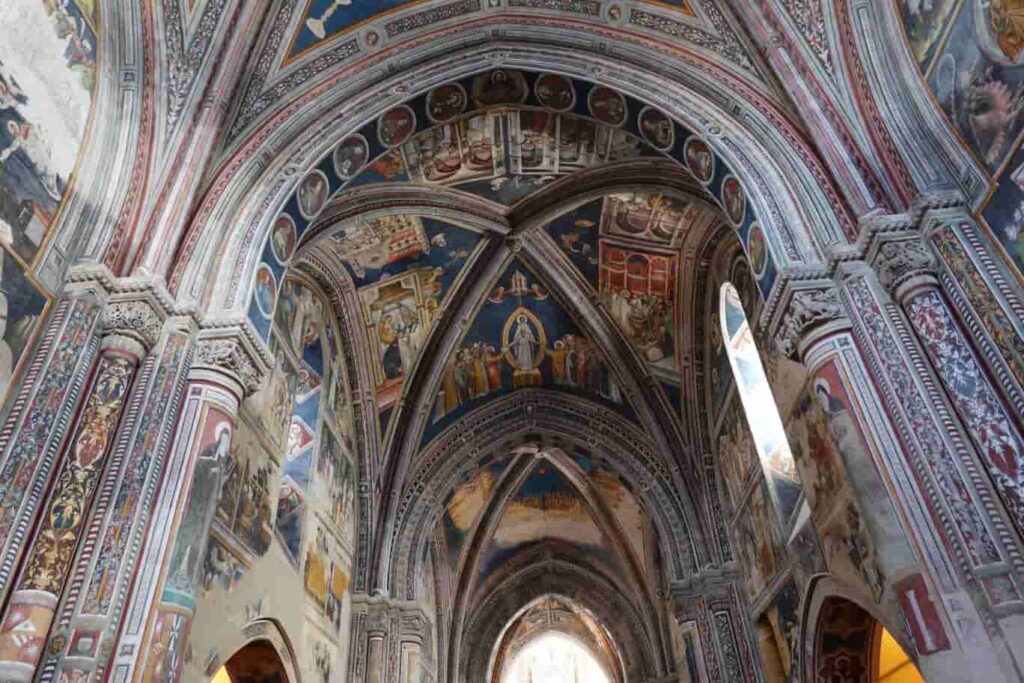
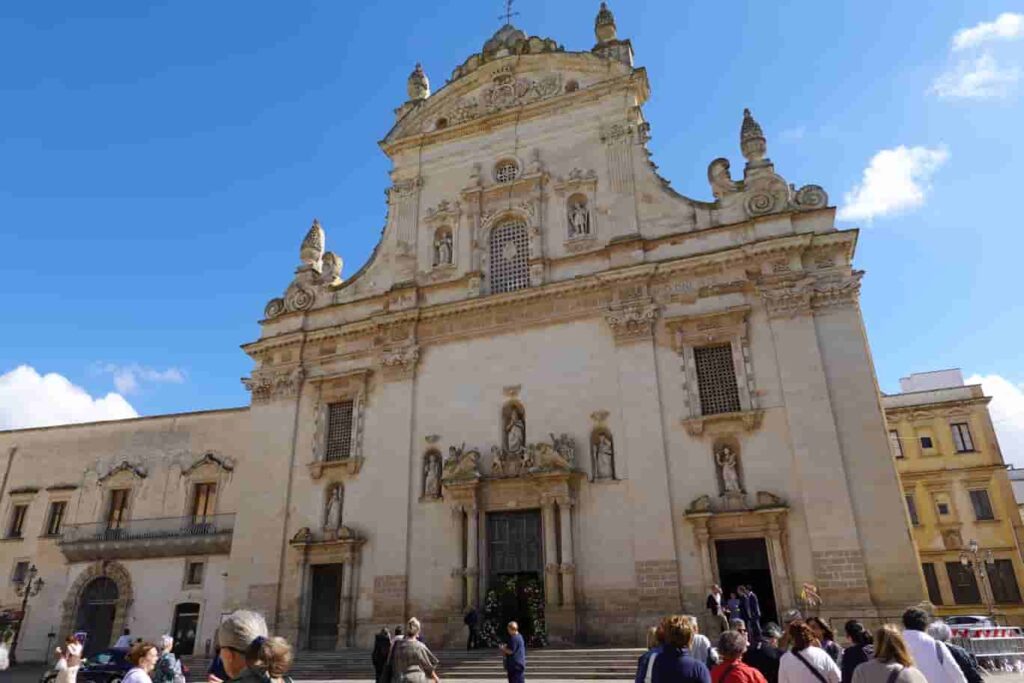
Today we explored Salento, the southern portion of Puglia. We left the hotel at 9:40 and drove about a half an hour to Galatina. The Basilica of Saint Catherine of Alexandria, a 14th-century Gothic-Romanesque church, famous for its medieval frescoes, is the main attraction in Galatina. The frescoes depict the Apocalypse, the Old Testament, the life of Jesus, and the life of Saint Catherine. The frescoes were breathtakingly beautiful. In addition to the frescoes, the church houses a relic—the finger of St. Catherine.
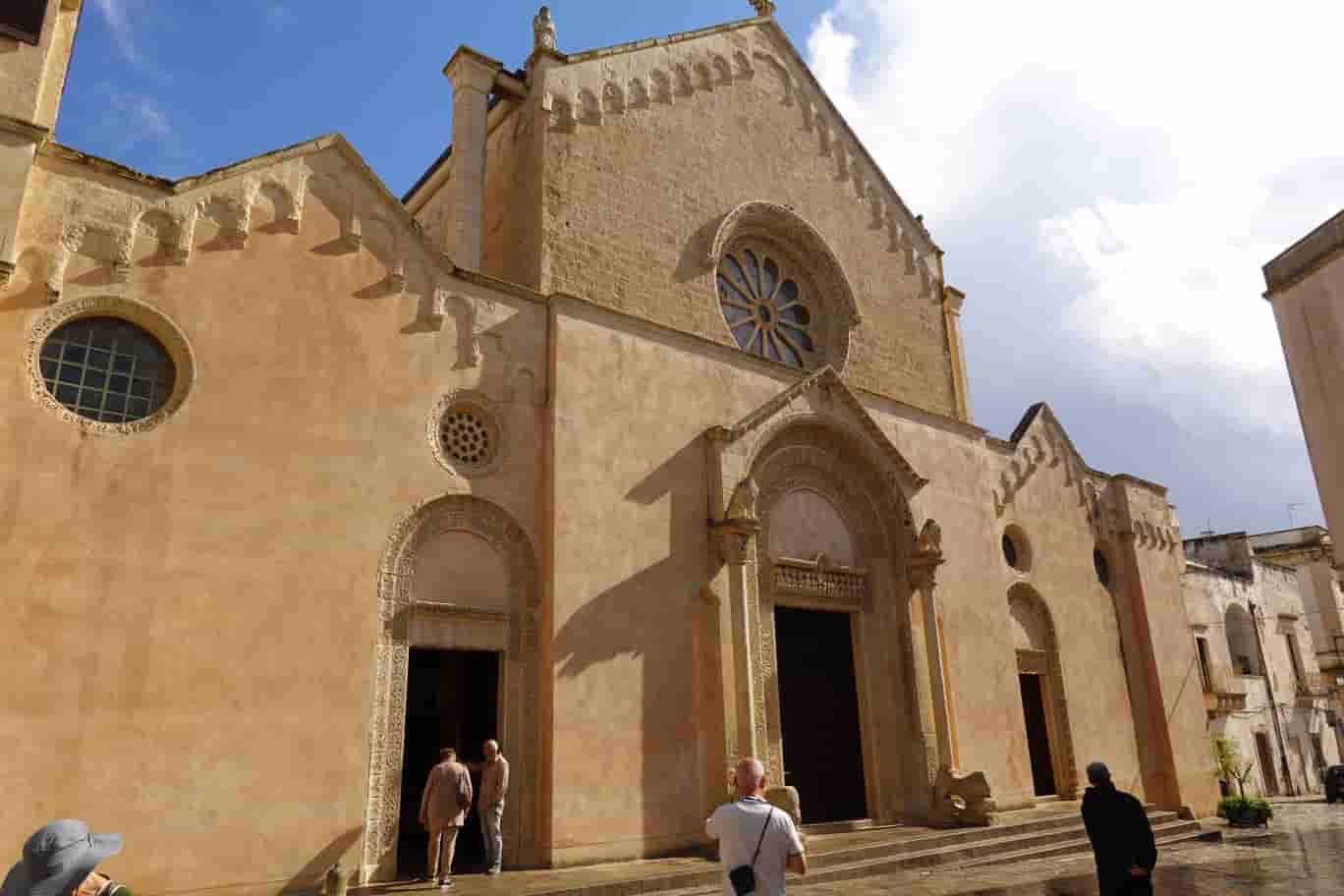
The other thing Galatina is famous for is the tarantello, a fast-paced traditional dance. We saw people dancing it in the square outside the church. Between the 15th and 17th centuries, it was widely believed that if a person, typically a woman, was bitten by a local wolf spider, they would fall into a hysterical, deathly stupor known as tarantism. The only suspected cure was a frenzied ritual in which musicians played fast-paced music while the victim danced for hours—or even days—to supposedly “sweat out” the venom.
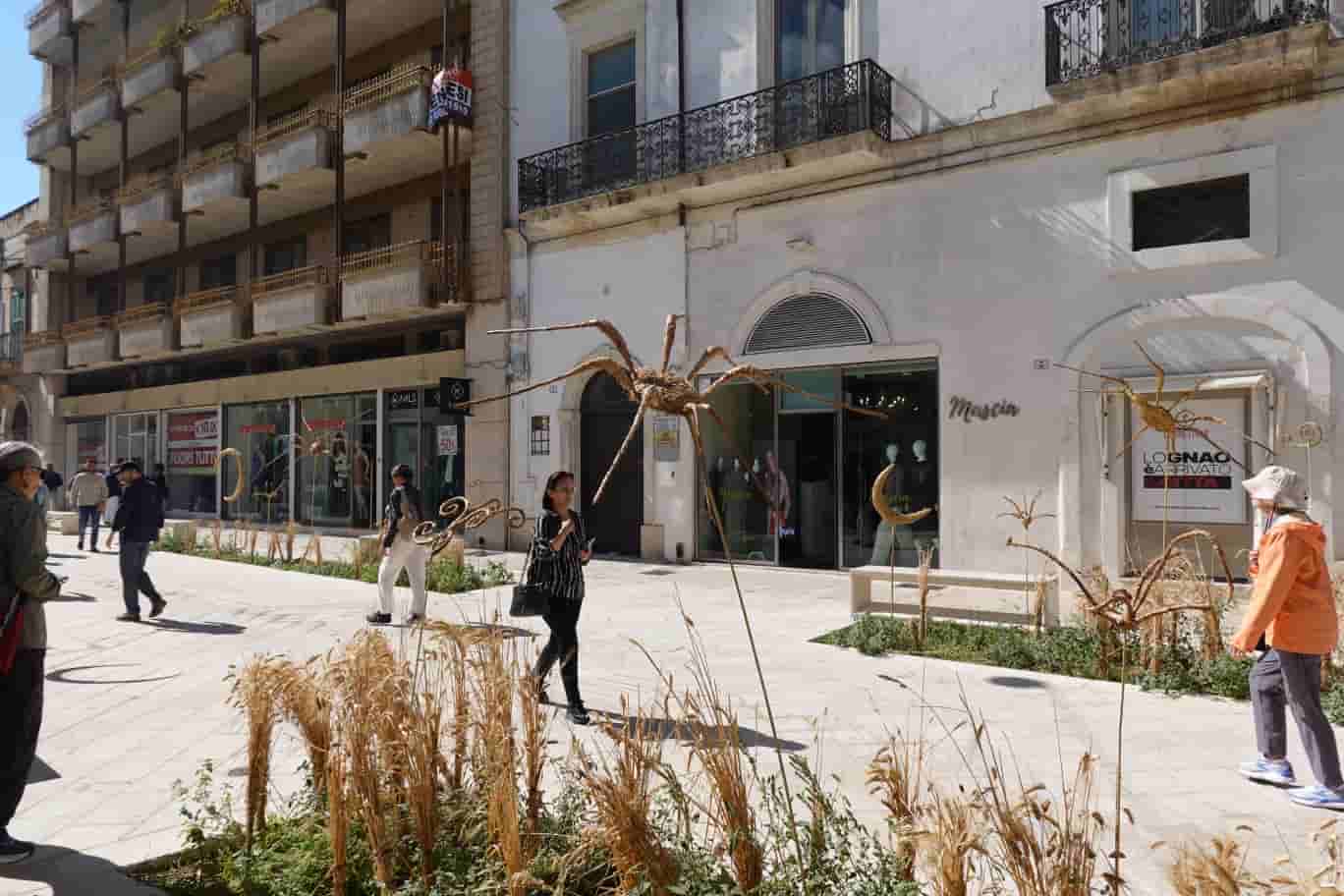
Over time, the medical myth faded, but the dance survived. Today, tarantello is celebrated as a lively couple or group dance and is part of local festivals, weddings, and cultural celebrations. Here is a picture of a sculpture garden memorializing the spider and therefore the dance.
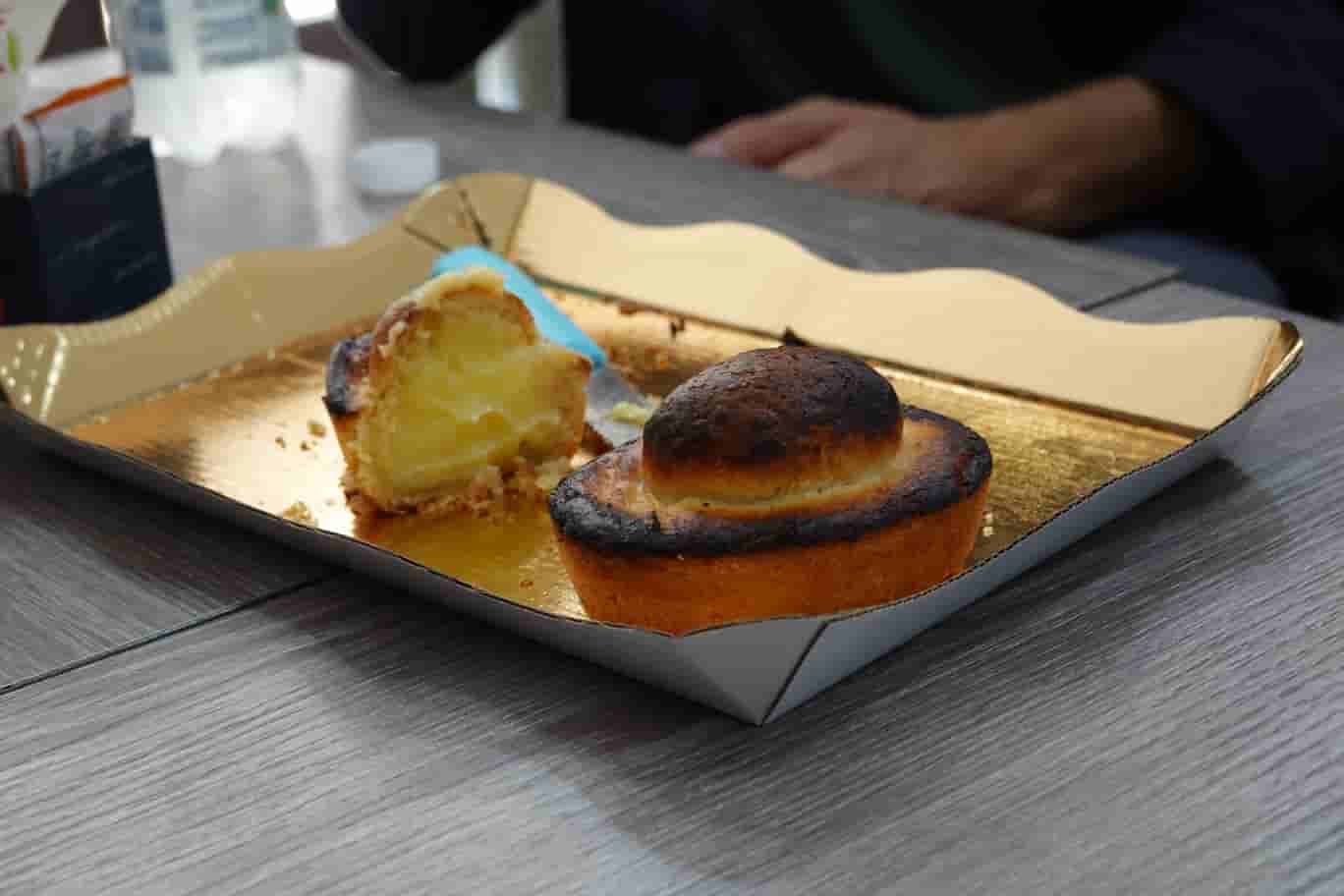
While in Galatina, we stopped for pasticciotto, a traditional oval-shaped Italian pastry made from crumbly shortcrust dough and filled with rich egg custard. It was invented in Galatina. It was tasty, but I’m not a big fan of custard.
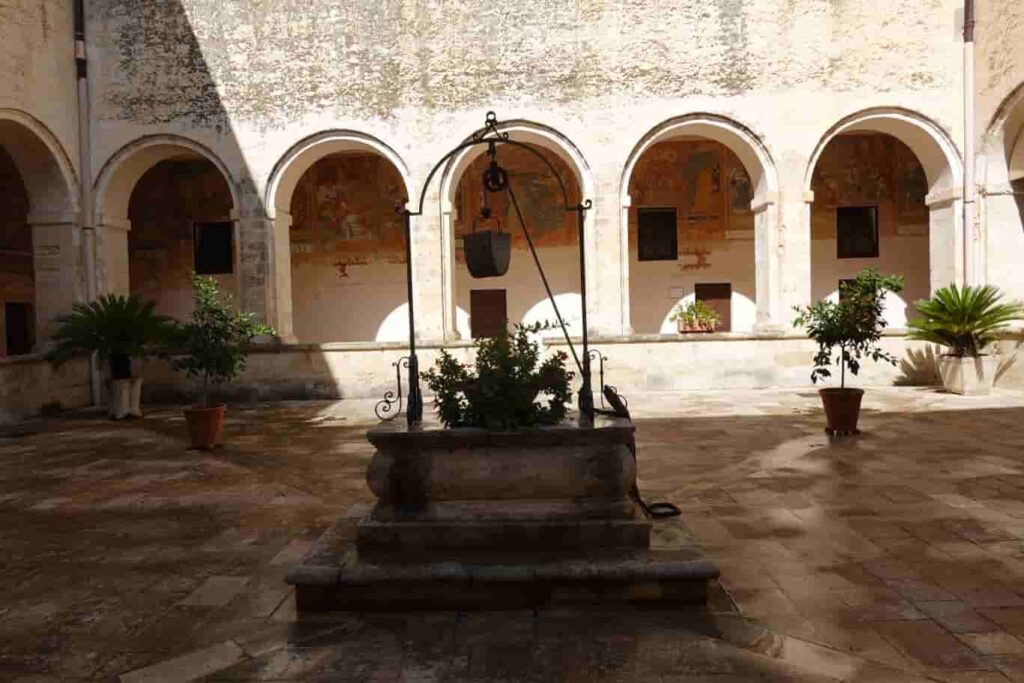
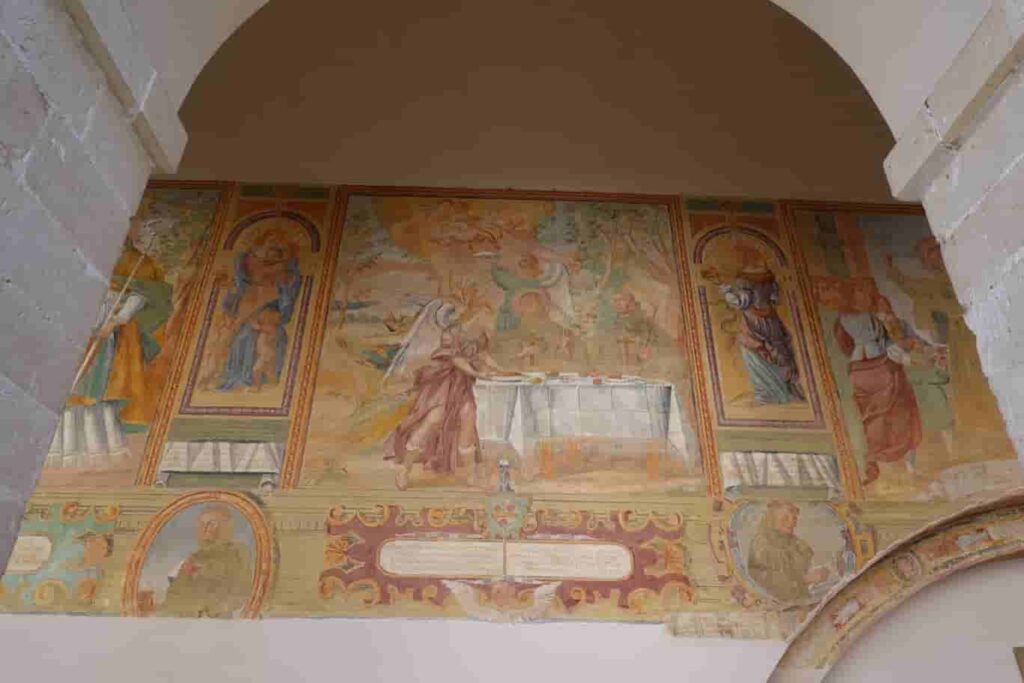
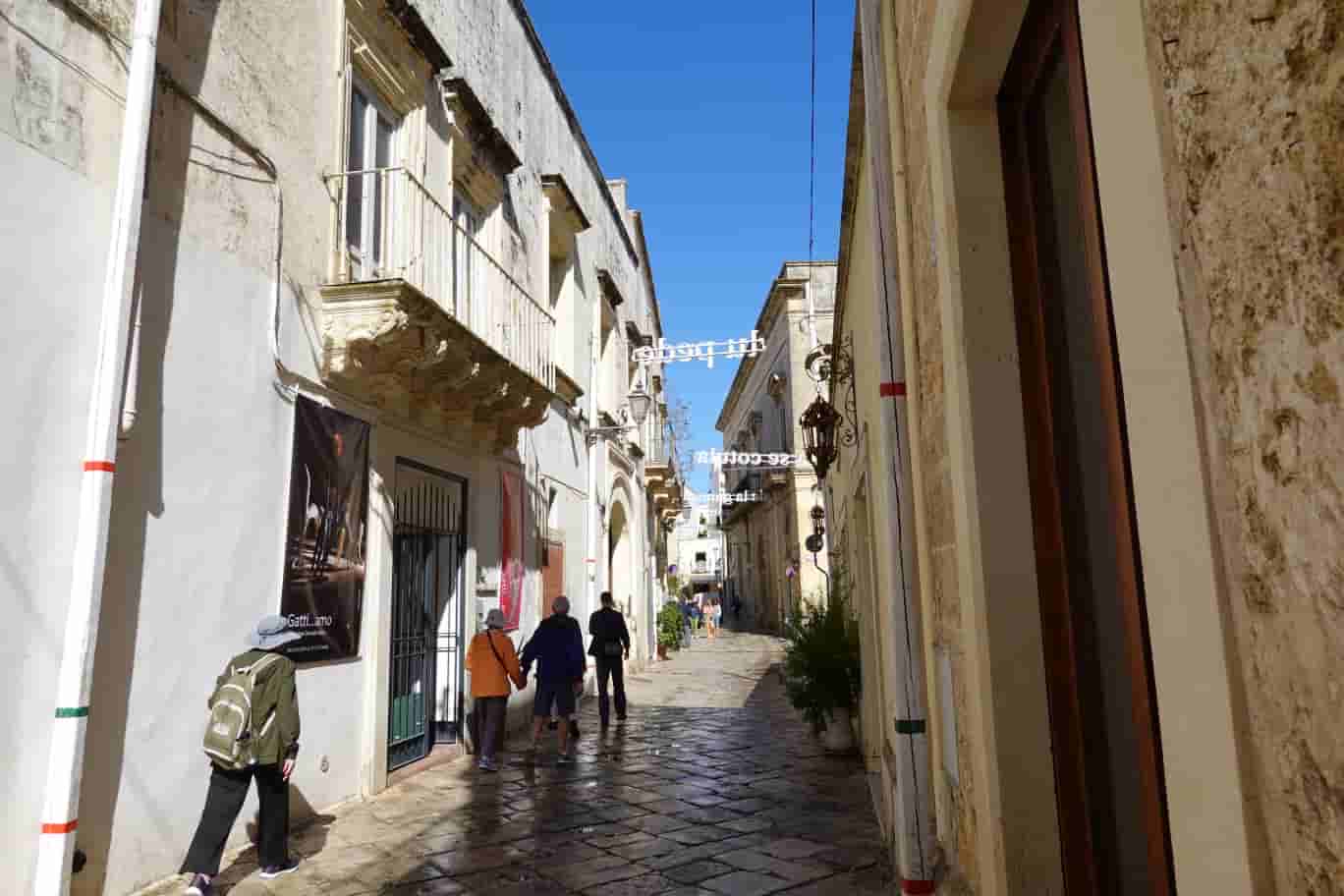
Here are some more pictures of Galatina
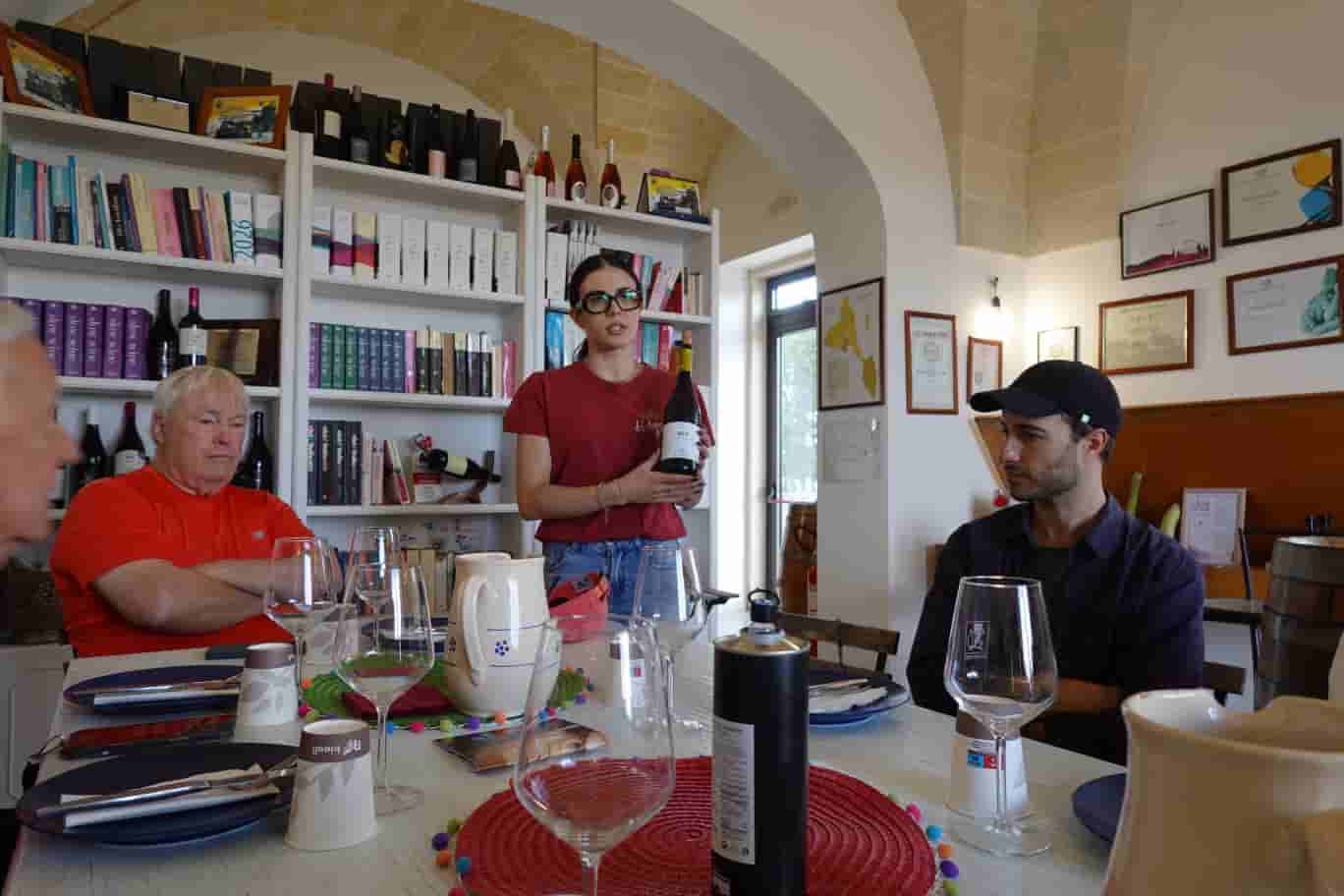
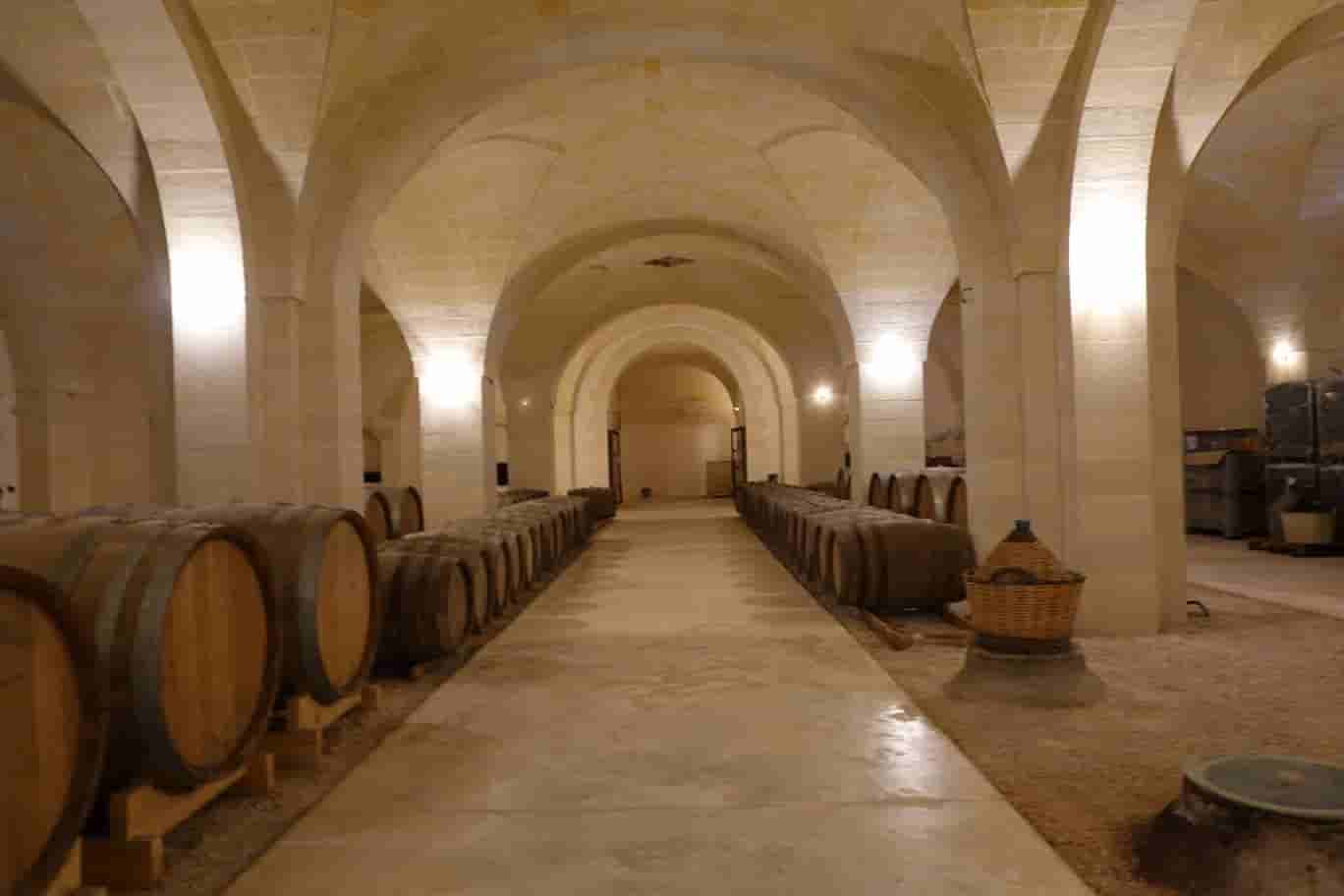
Back on the bus, we drove to a vineyard in Cutrofiano for a wine tasting and light lunch. The wine and lunch were quite good. After lunch, we got a short tour of the underground area that was once used to make olive oil and the wine cellars.
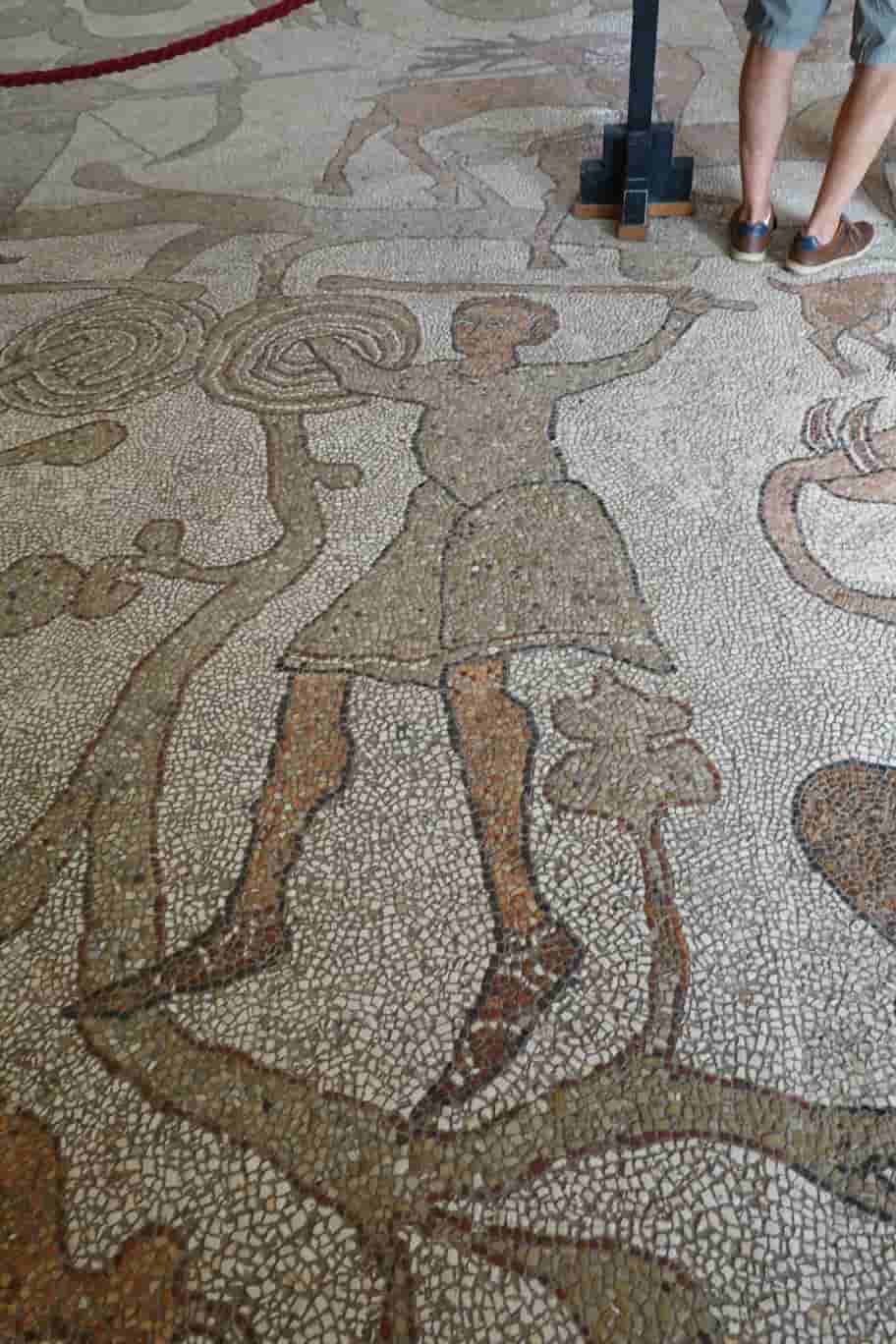
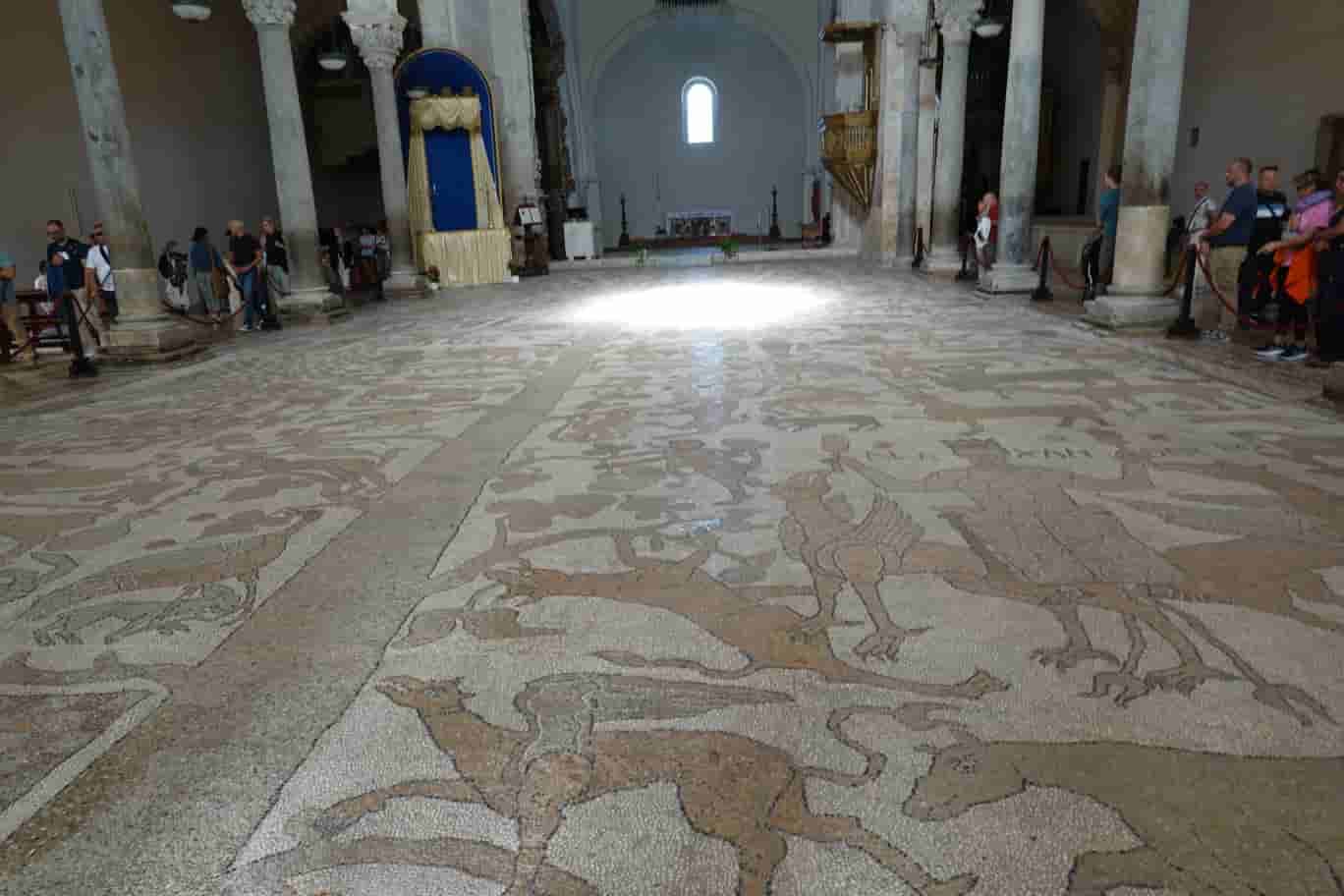
Otranto was our last stop of the day. Of course, there was another cathedral! This time it was Otranto Cathedral, which dates from the 11th century. Its most famous feature is the 12th-century mosaic floor, which is one of the largest medieval mosaic floors in Europe. The scenes include episodes from the Old Testament, medieval chivalric literature and bestiaries, and the Alexander Romance. The images are arranged around the Tree of Life.
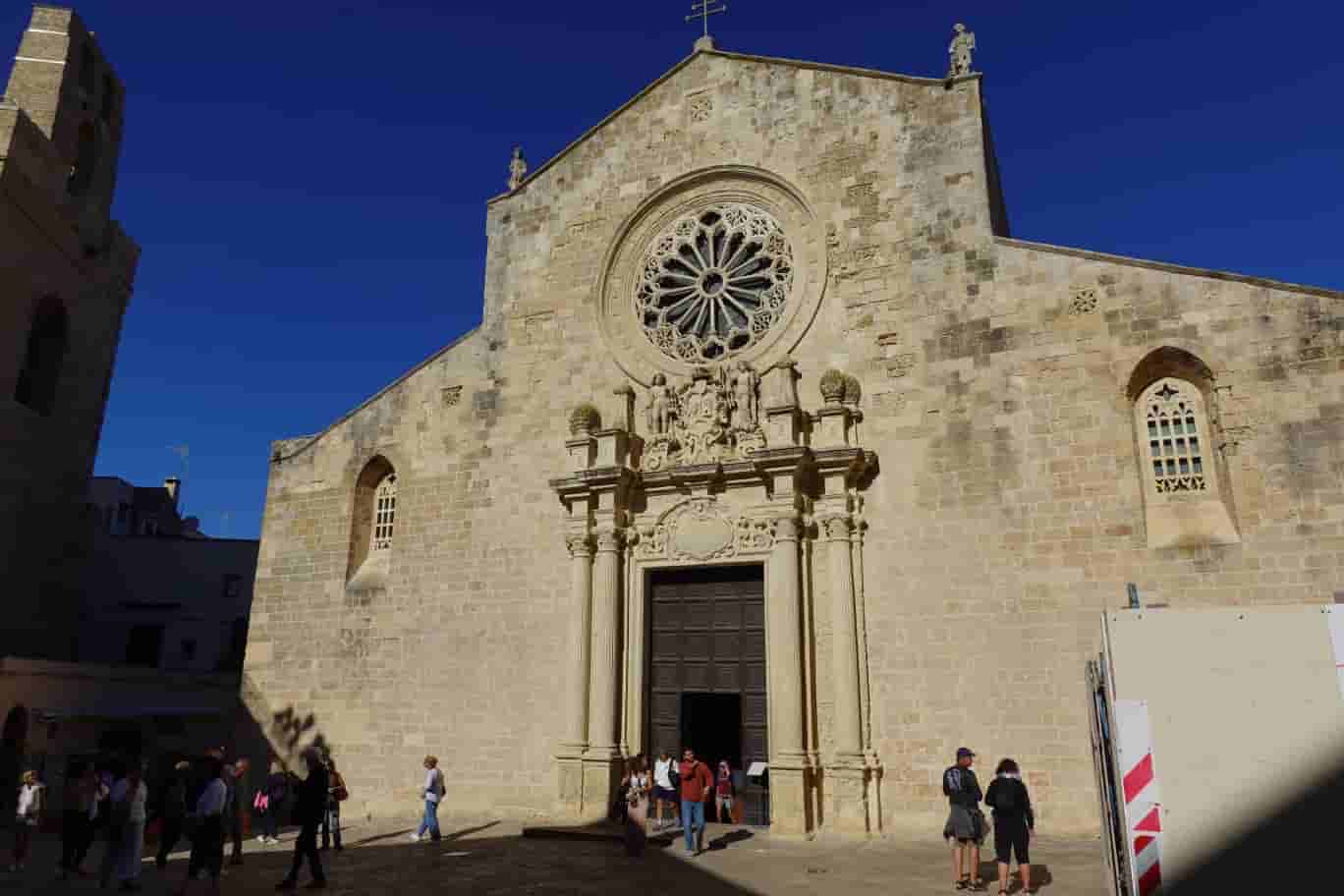
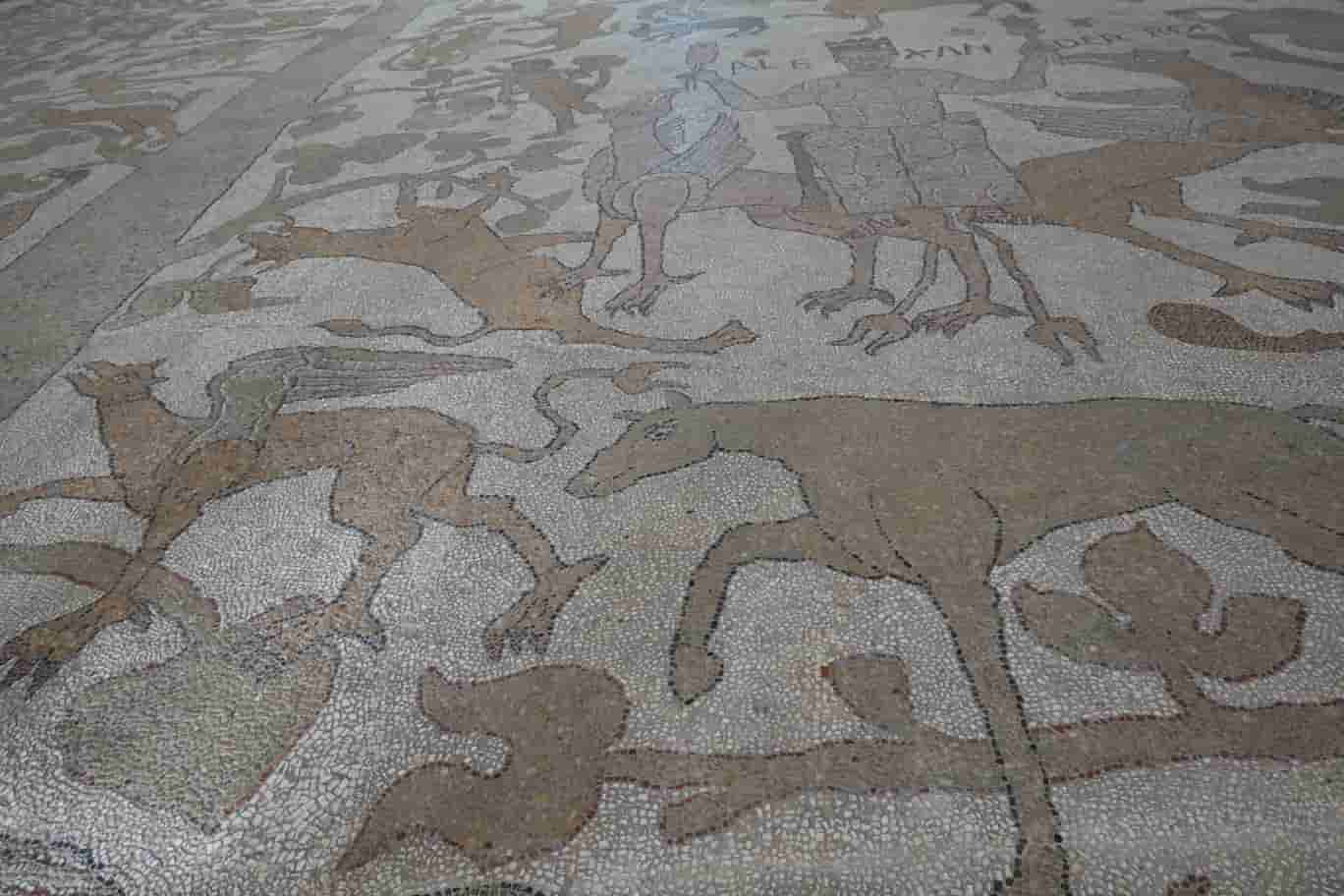
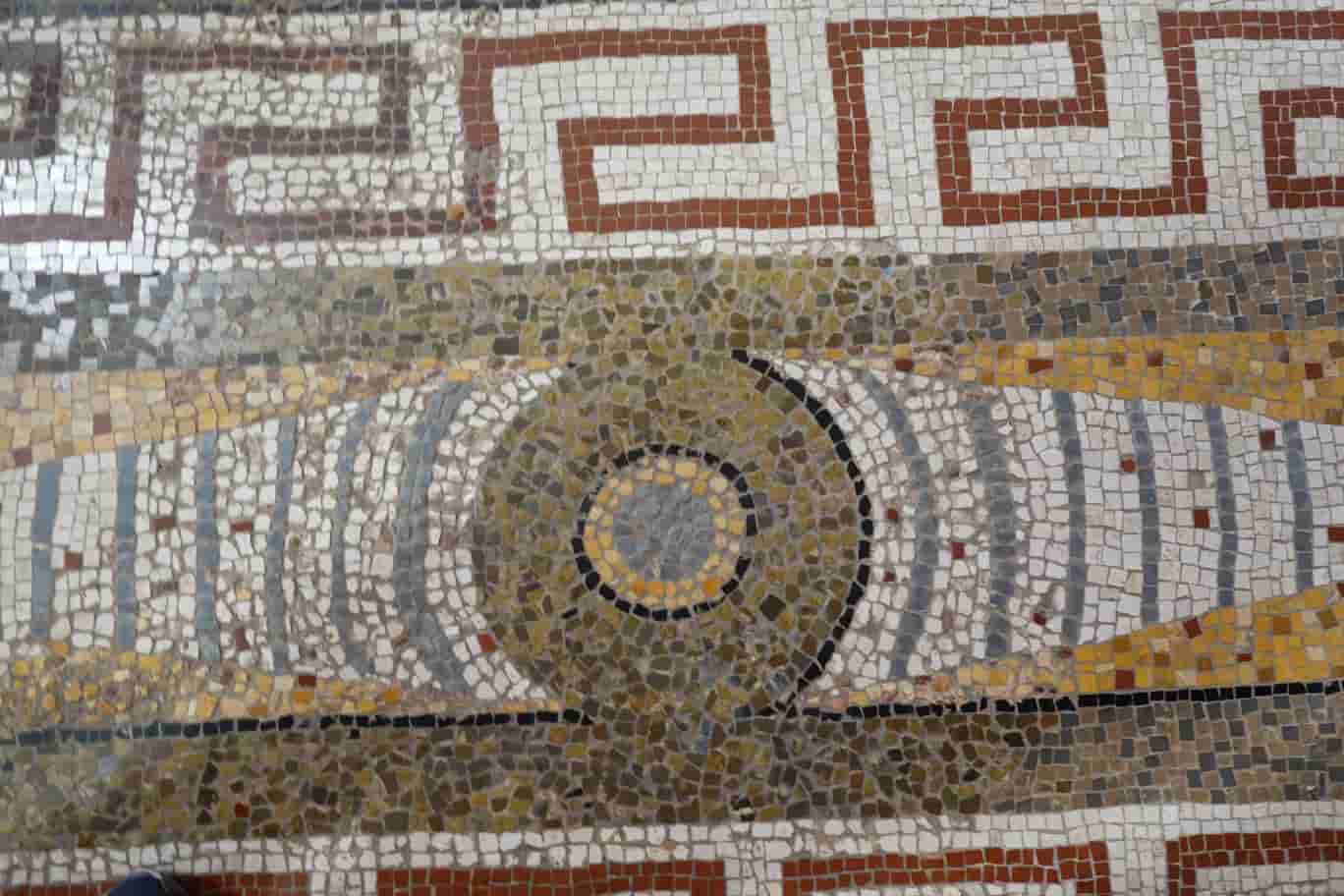
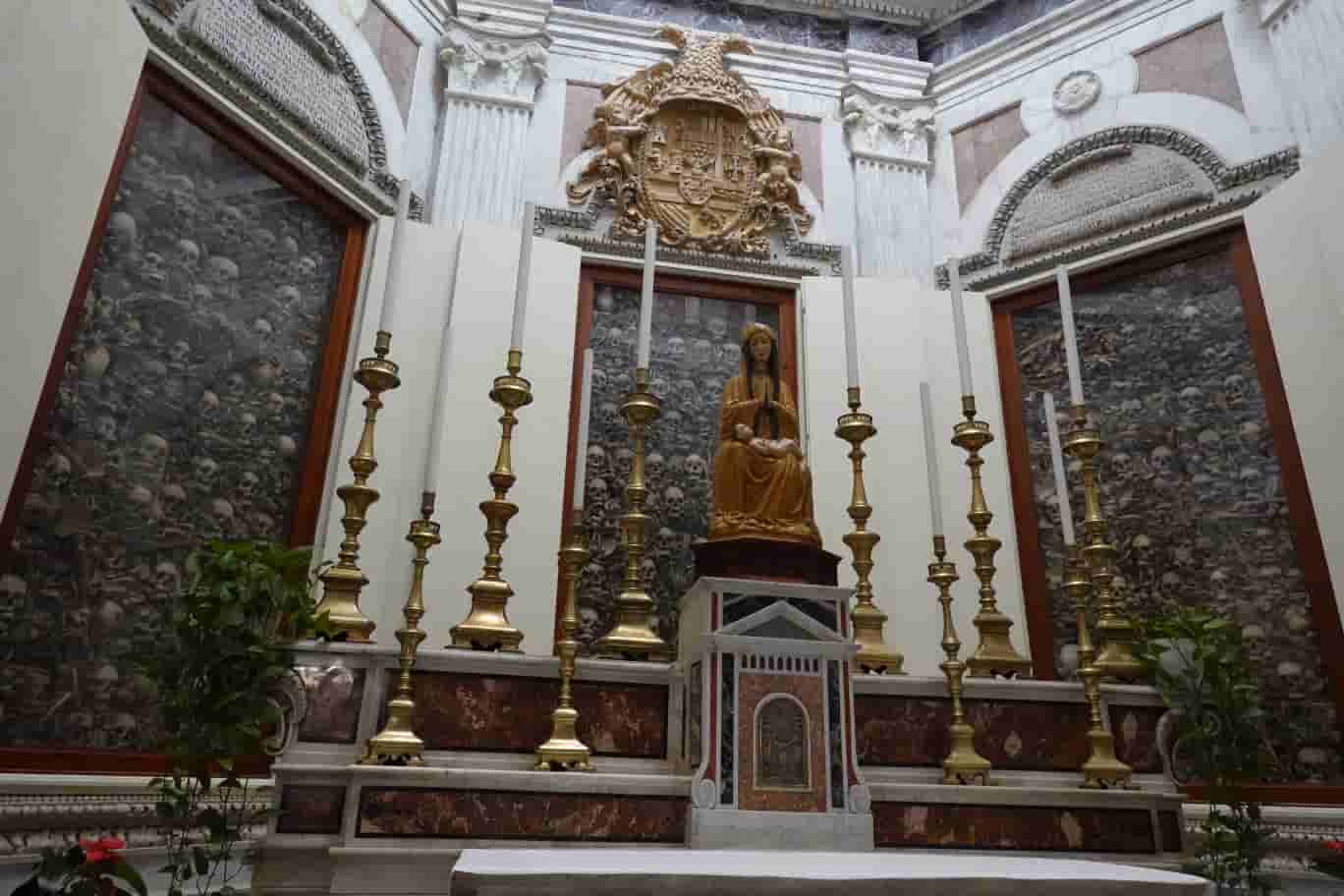
In August 1480, Otranto was attacked and besieged by an Ottoman force. Clergy and survivors took refuge in the cathedral, but the Ottoman forces eventually broke in and killed those inside. The relics of many of those who were killed are also housed in the cathedral.
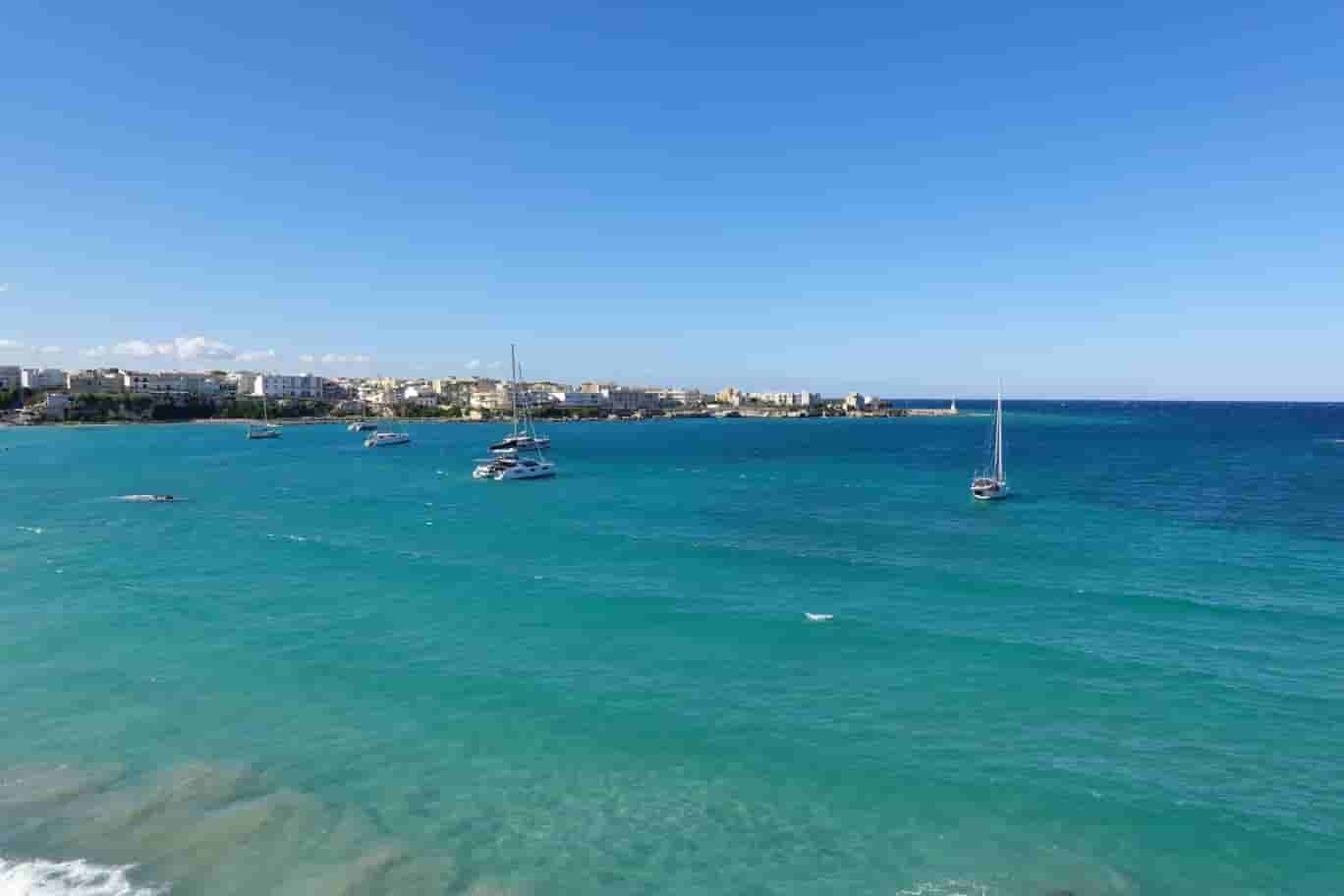
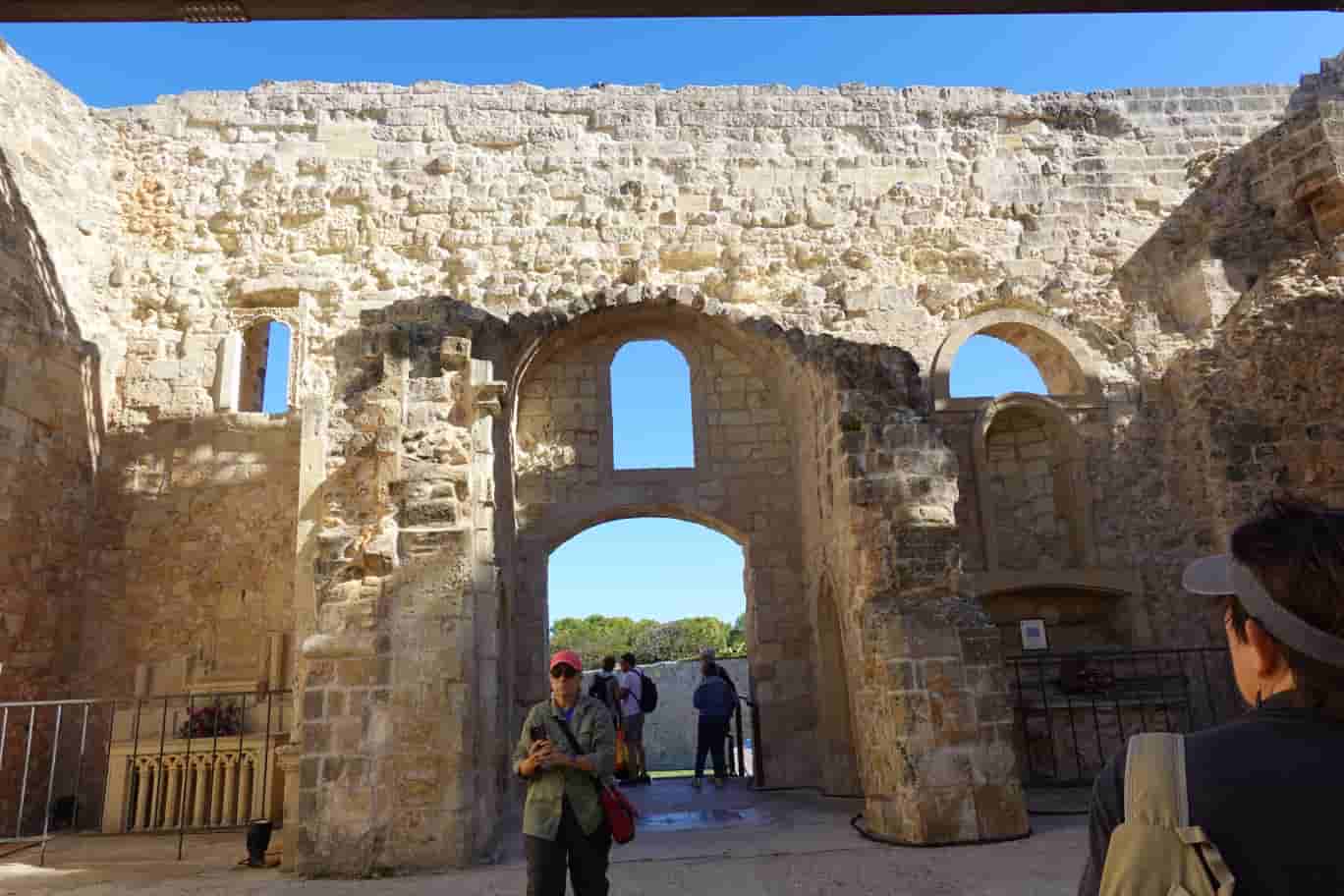
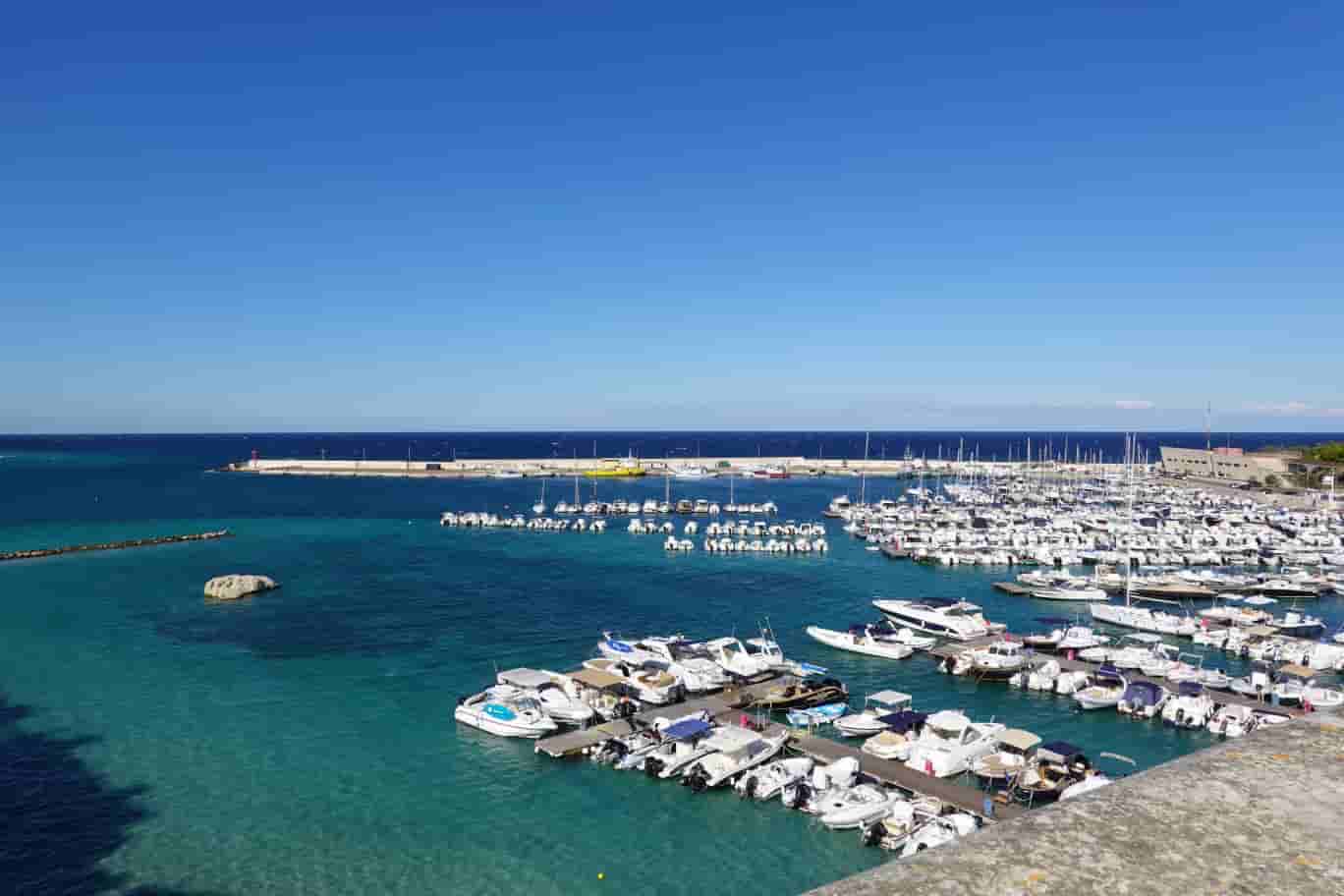
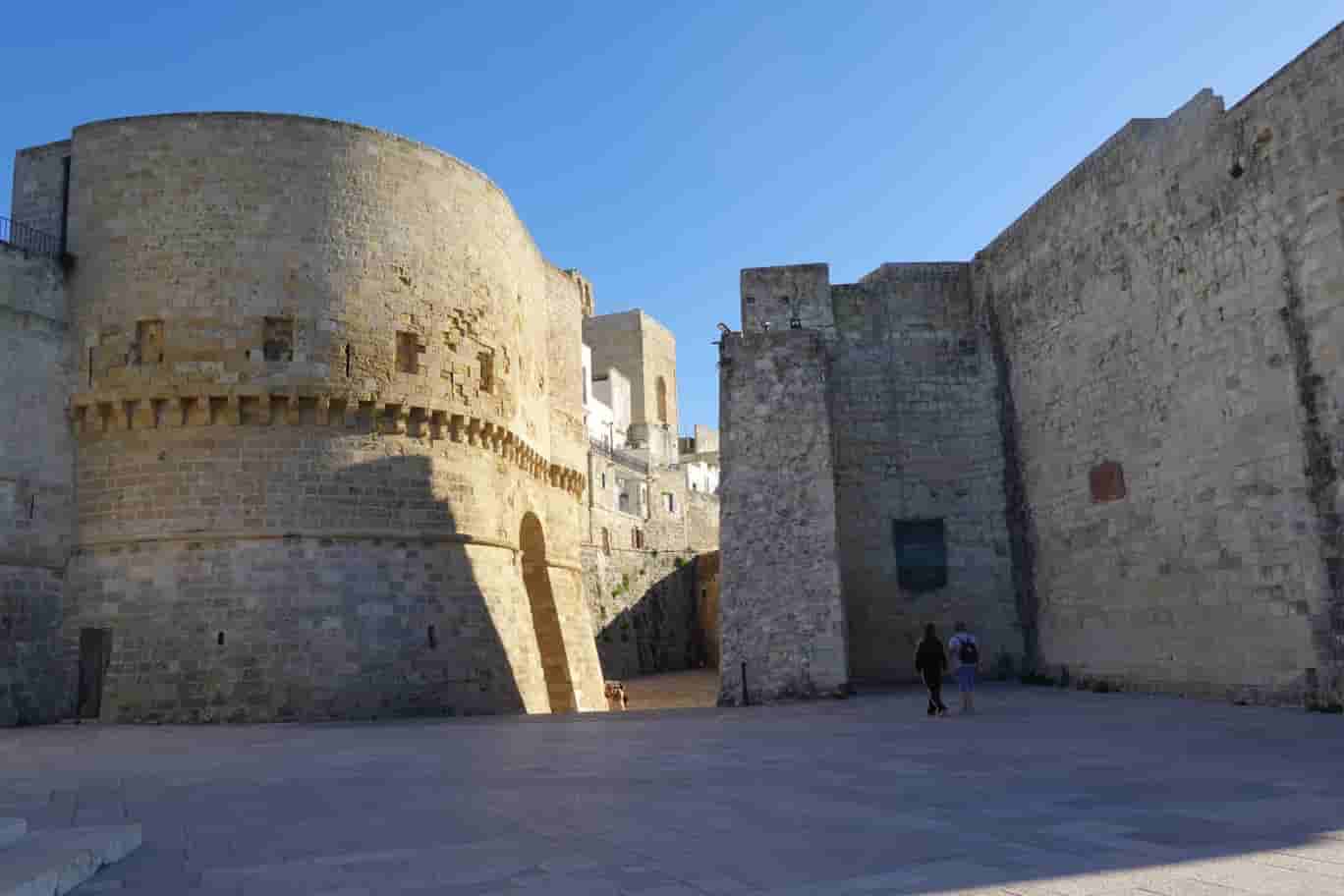
Here are some pictures of the town of Otranto
That evening was our pre-trip farewell dinner. Anne and I walked into town to do a little shopping before dinner. And since dinner was fish—which is not my favorite—we had gelato beforehand.
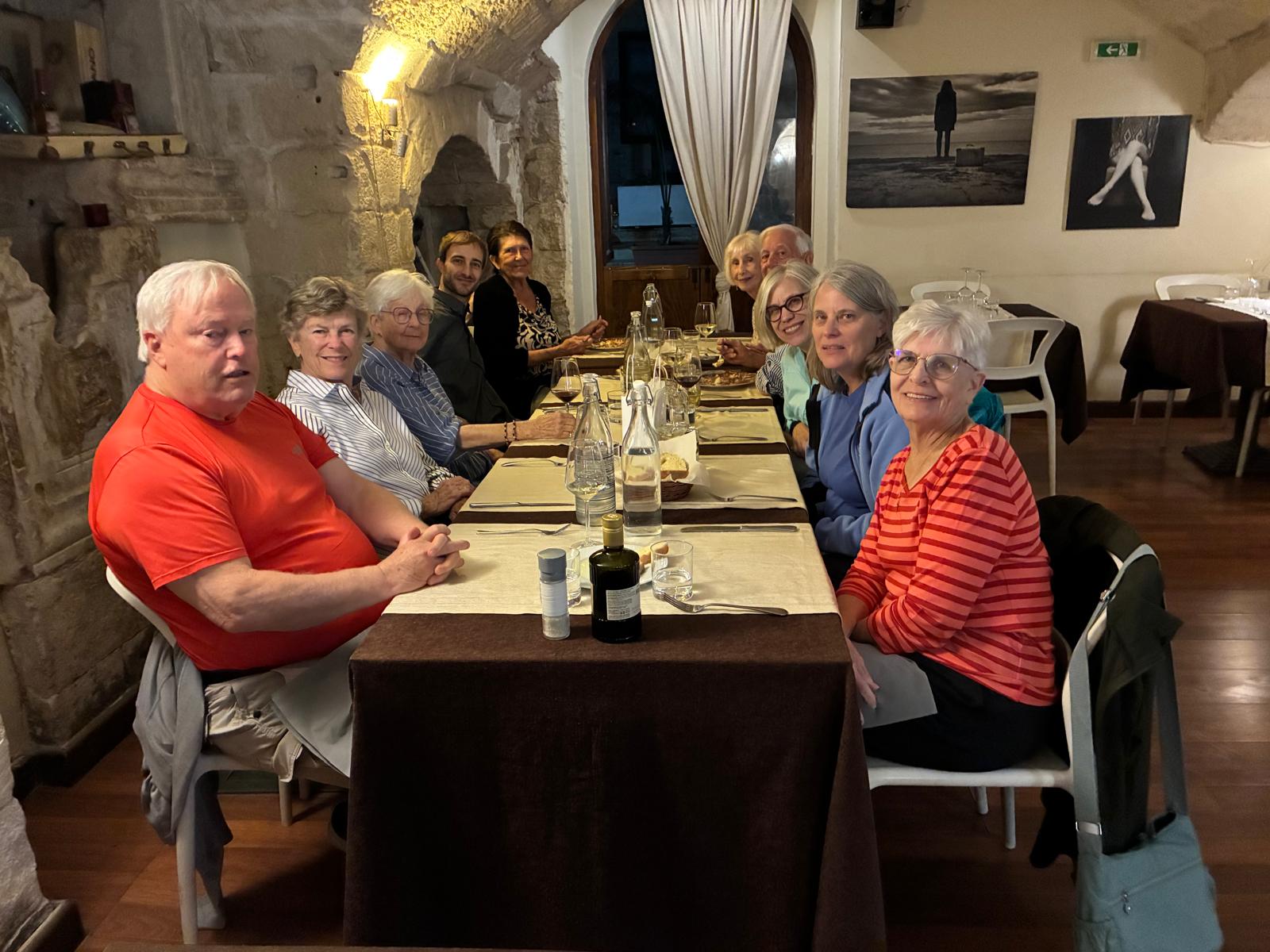
Here’s a picture from dinner.
Here’s a map of our journey