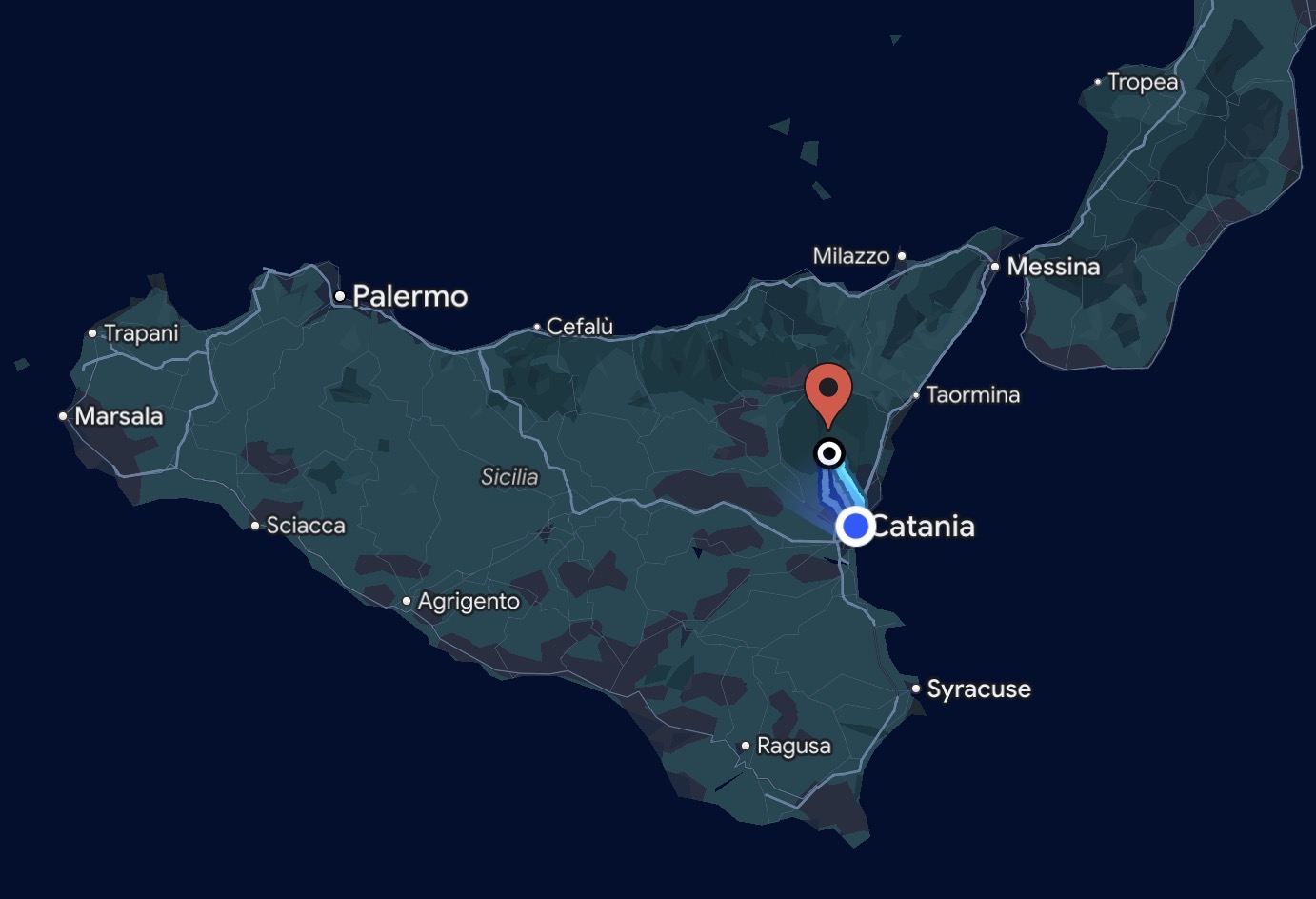
Today we visited Mount Etna, and the weather wasn’t exactly cooperating. The forecast called for rain, and I woke up to thunderstorms around 5:30 a.m. We had been told the excursion would go ahead even in the rain, although the schedule might need to be adjusted. And, of course, it was.
We met in the lobby at 8:20 and were assigned to our four-wheel-drive vehicles. Mount Etna has been particularly active lately, occasionally burping out ash. The eruptions themselves aren’t necessarily a big concern, but the ash can force the airport to close. Not exactly ideal when you’re trying to catch a flight!
Our guide explained that our driving tour would travel from the oldest lava flows to the newest. We started along the coast, where we saw lava formations dating back about 500,000 years, when this area was still underwater. Scientists can tell from the shape of the formations and the materials trapped in the basalt, including mud from the ancient seabed.
We also saw some striking hexagonal basalt columns. These form when lava cools and contracts slowly, creating the distinctive column shapes. Here are some pictures of the ancient lava formations.
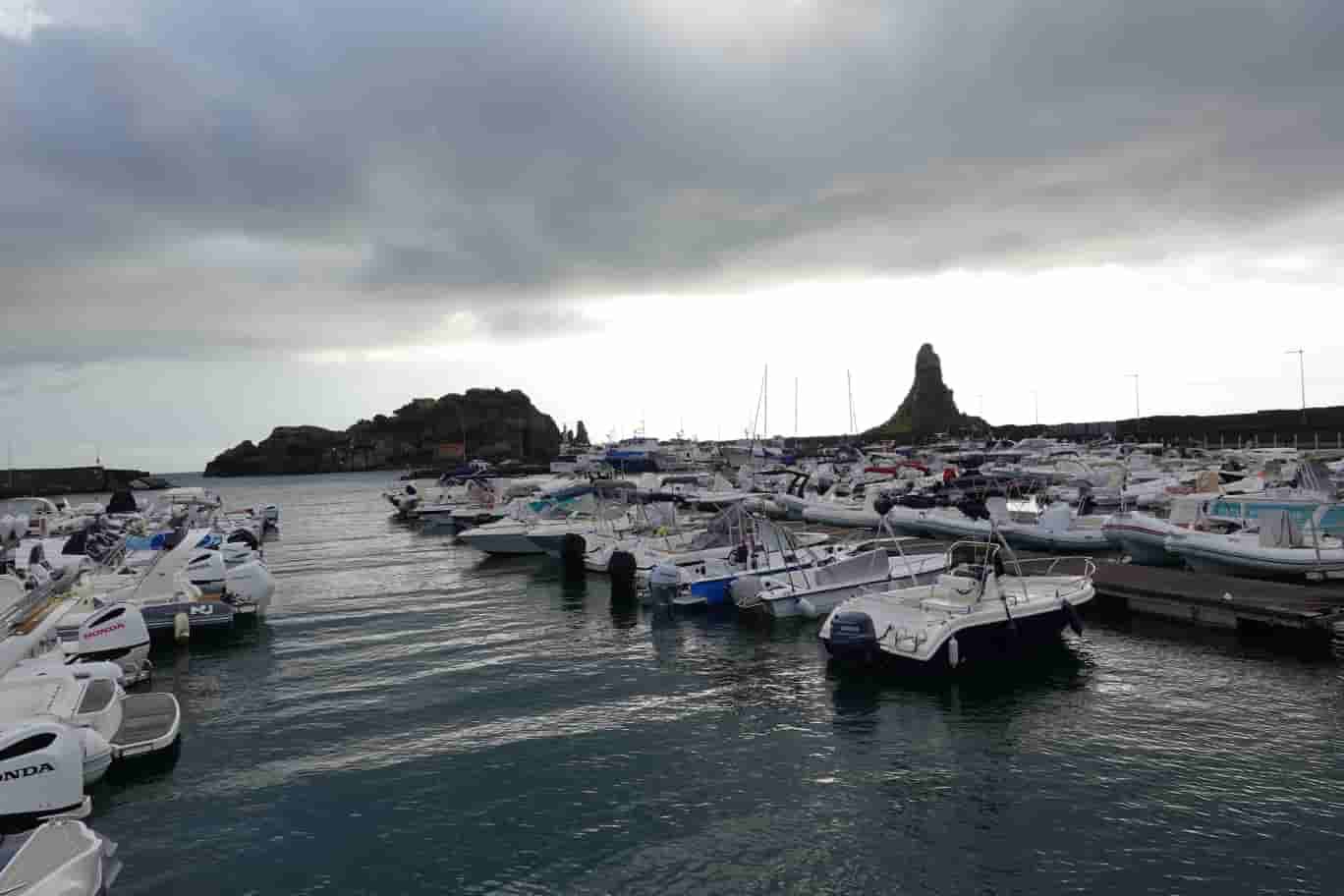
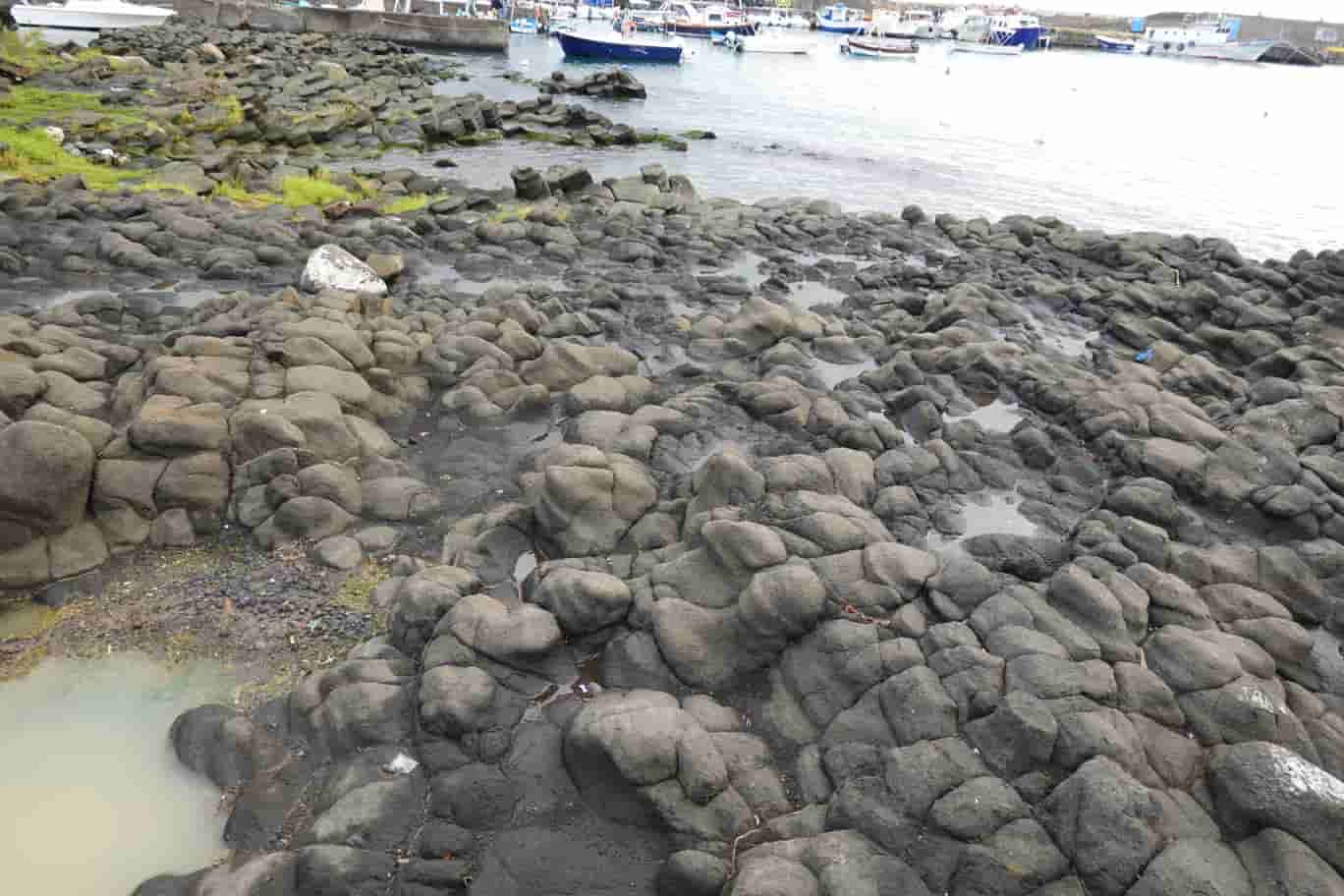
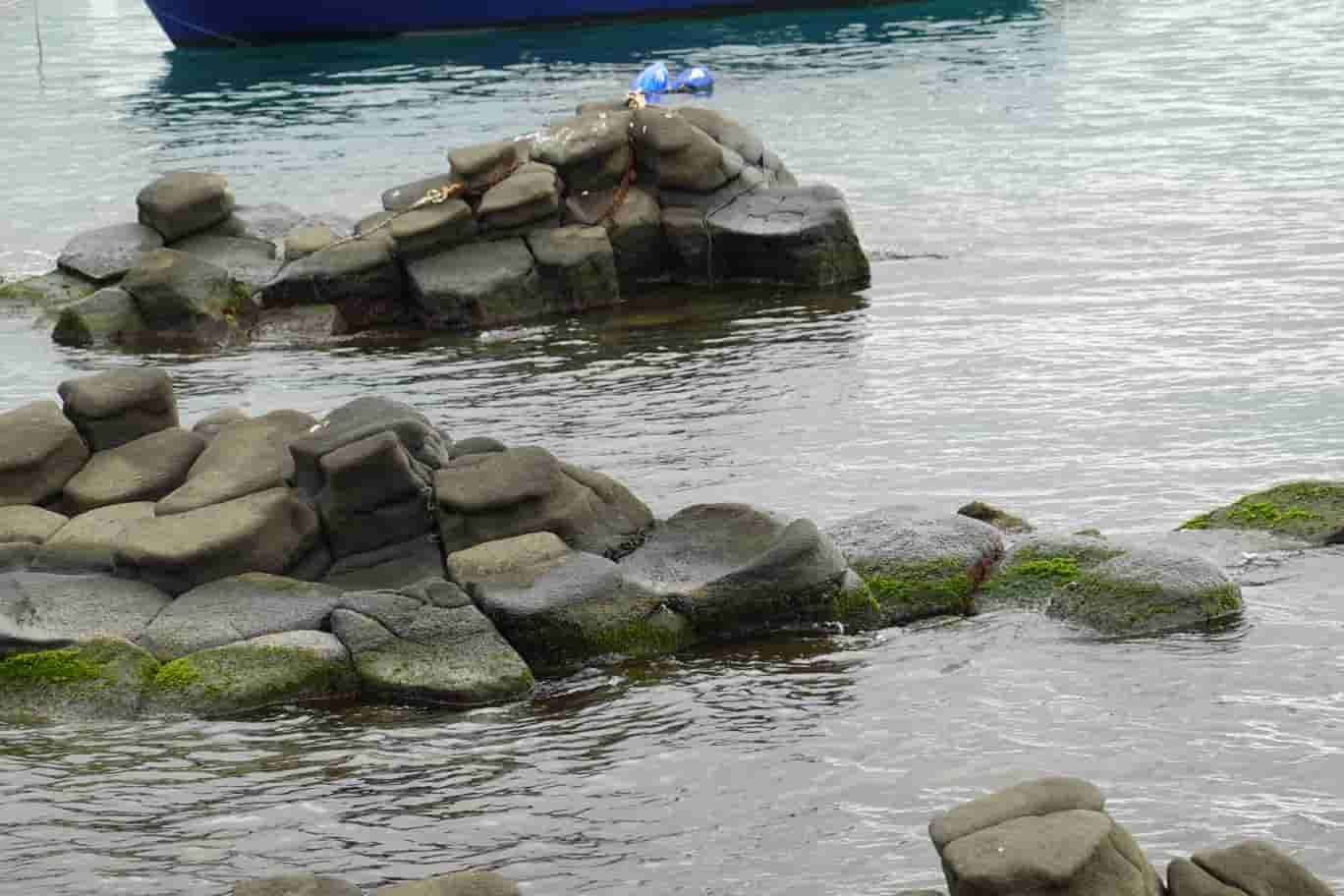
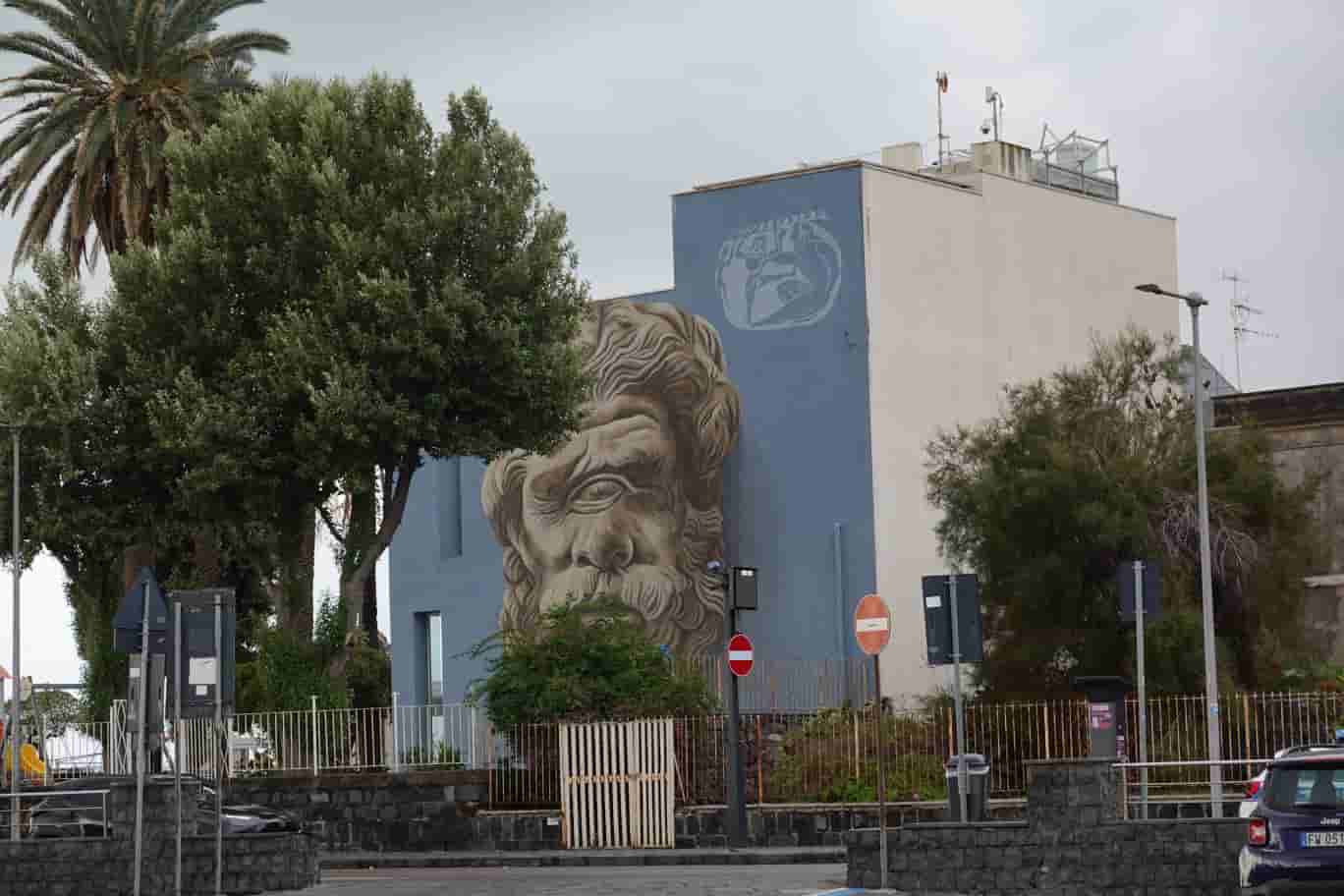
We also came across some graffiti depicting a Cyclops, which reminded us of a story we had heard earlier in the trip. Long ago, dwarf elephants lived in Sicily. Their skulls have a large opening for the trunk, but ancient people apparently mistook that opening for the single eye socket of a giant Cyclops. And just like that, a fossil became the inspiration for mythology.
One of Sicily’s best-known myths involves Polyphemus, the one-eyed giant who lived on Mount Etna. According to the story, he fell in love with a beautiful sea nymph named Galatea, but she loved a young shepherd named Acis instead. Enraged by jealousy, Polyphemus hurled a huge boulder at Acis, killing him. Galatea, overcome with grief, transformed his blood into a river so that he could flow eternally toward the sea.
We continued to the Mount Etna museum, where we watched a film and learned more about the volcano and volcanic activity in general. We learned that Mt Etna is the result of the Eurasia and Africa tectonic plates crashing into each other. The Eurasian plate is pushing the African plate down and that gap allows for magna to push up and out. Interestingly Catania is on the African plate and Taormina where we were yesterday is on the Eurasian plate. Yesterday we were intercontinental travelers! It poured rain while we were in the museum.
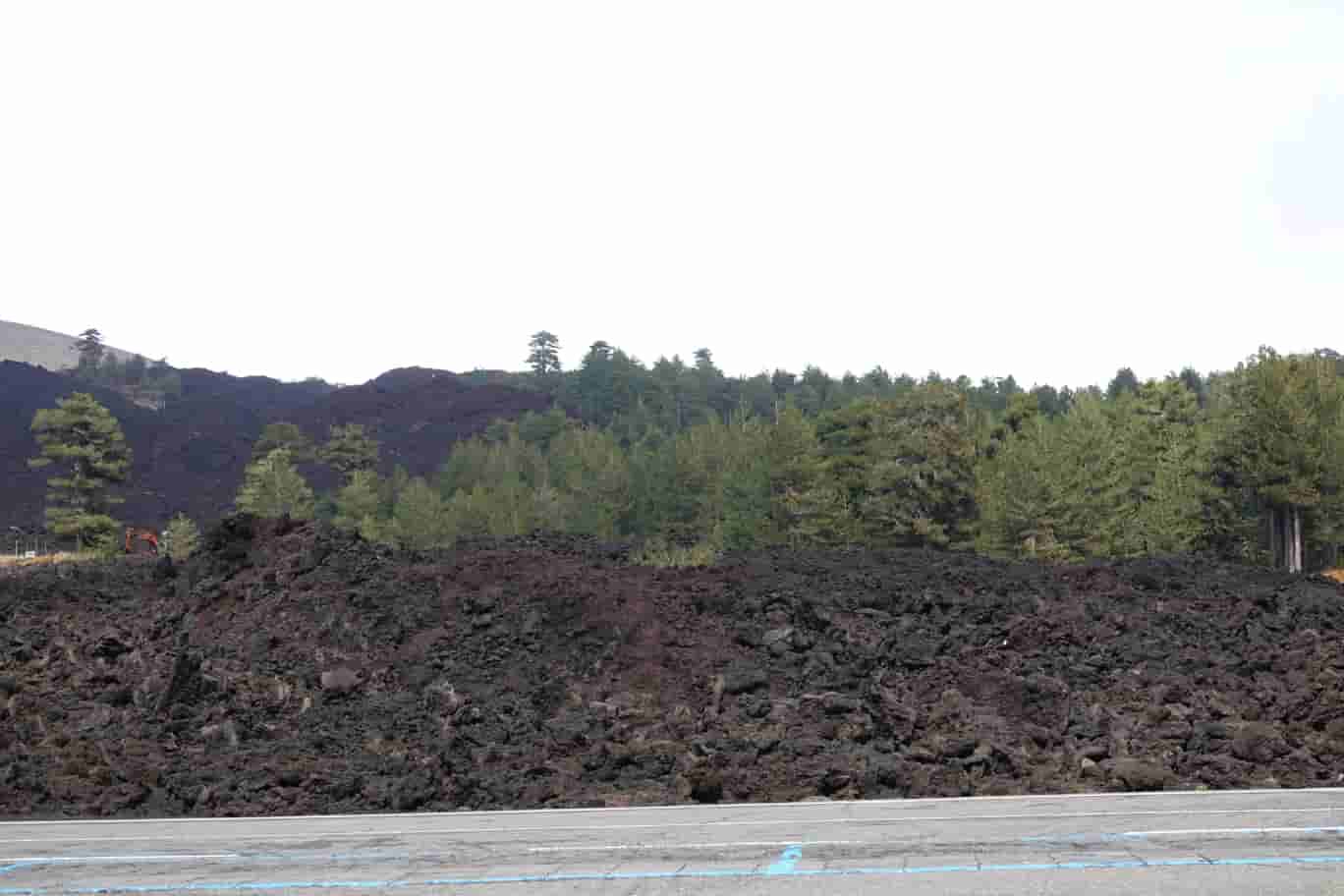
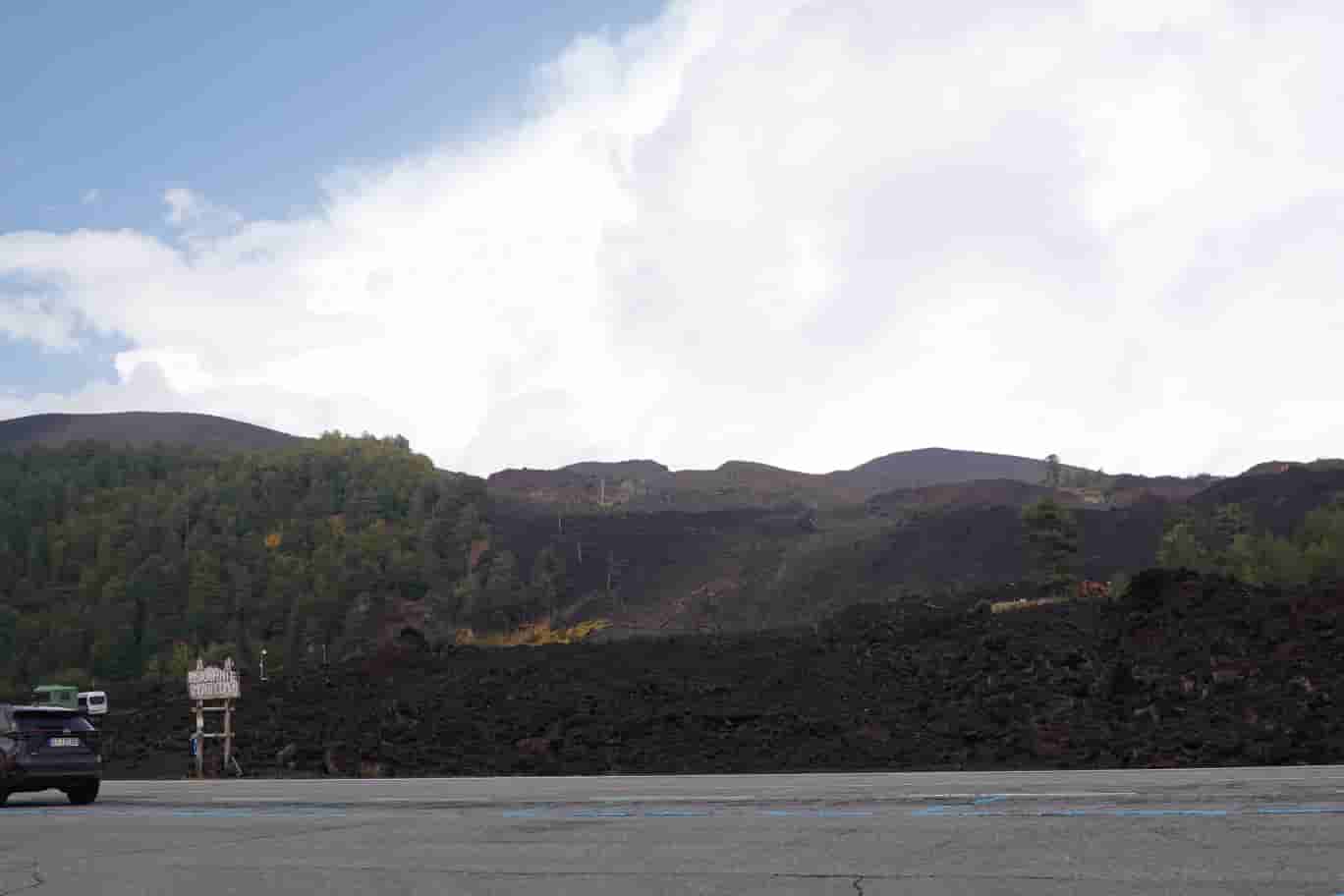
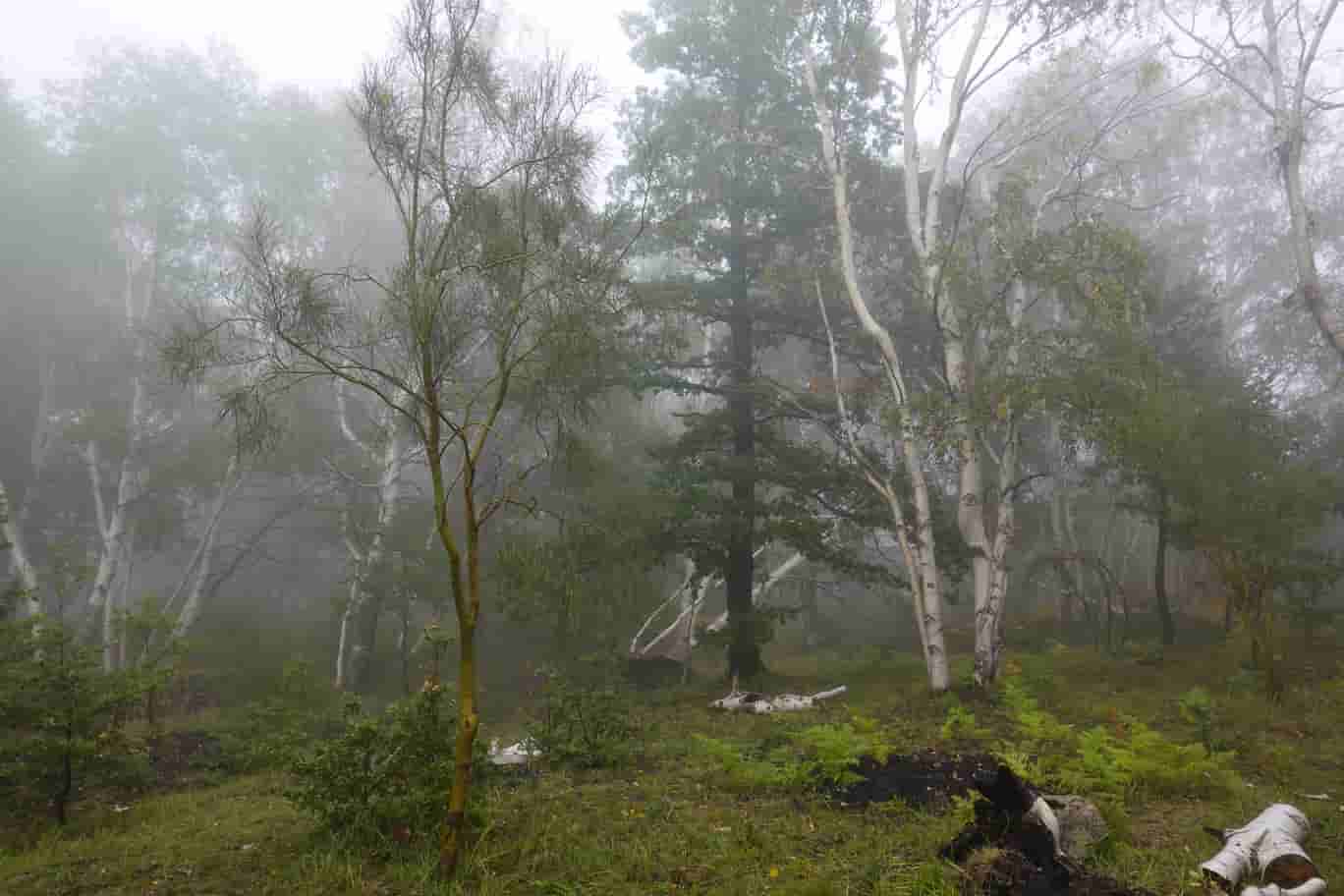
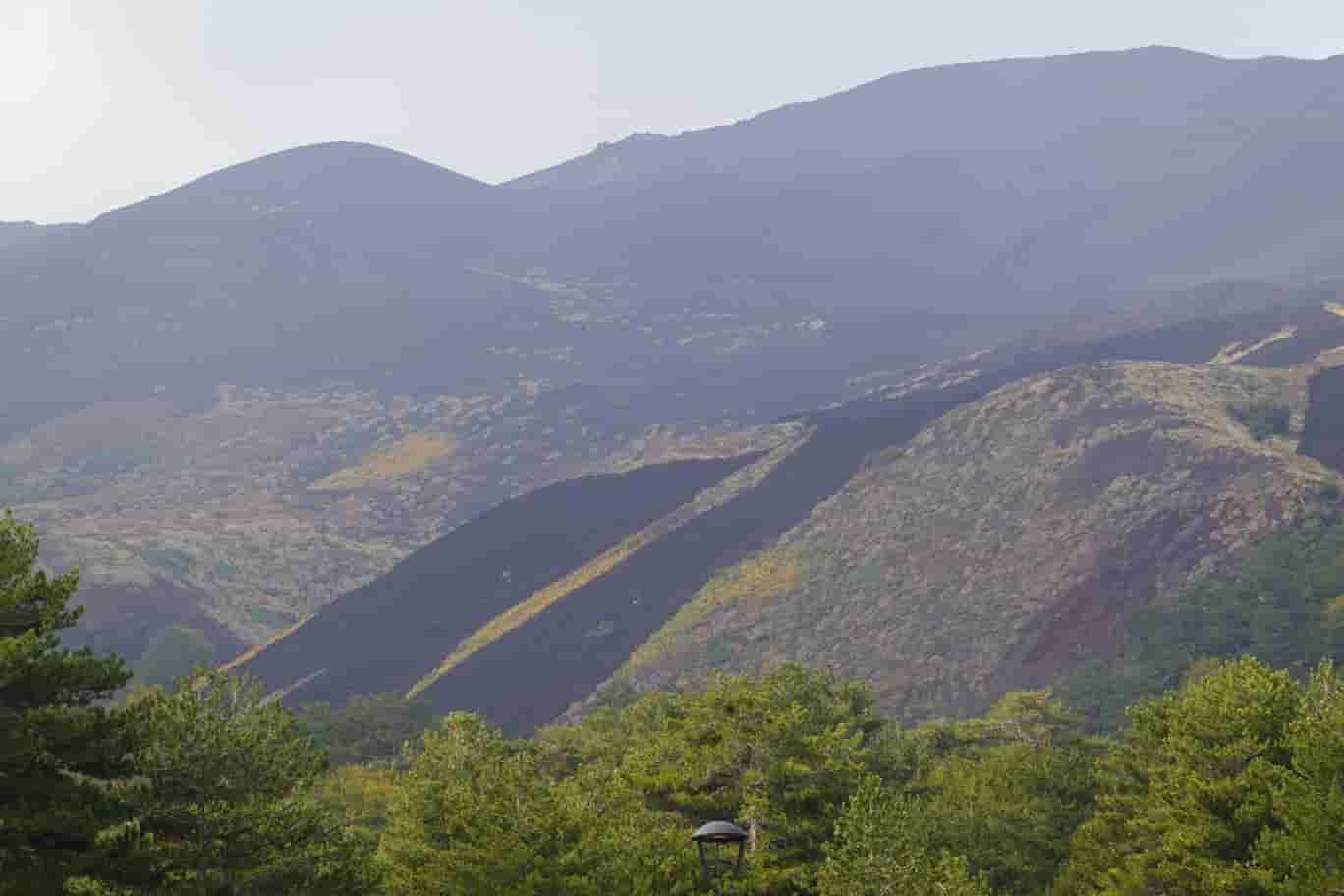
Our final stop was the site of the major lava flow from 2002–2003. It was very foggy as we drove through Mt Etna national park. The landscape was stark and rocky where the lava had relatively recently flowed, with black basalt stretching across the mountainside. The rock is extremely hard and takes a long time to break down. According to our guide, it can take about 50 years for conditions to support lichen growth and around 800 years for a forest to return. That certainly puts the pace of nature into perspective!
Here are some pictures.
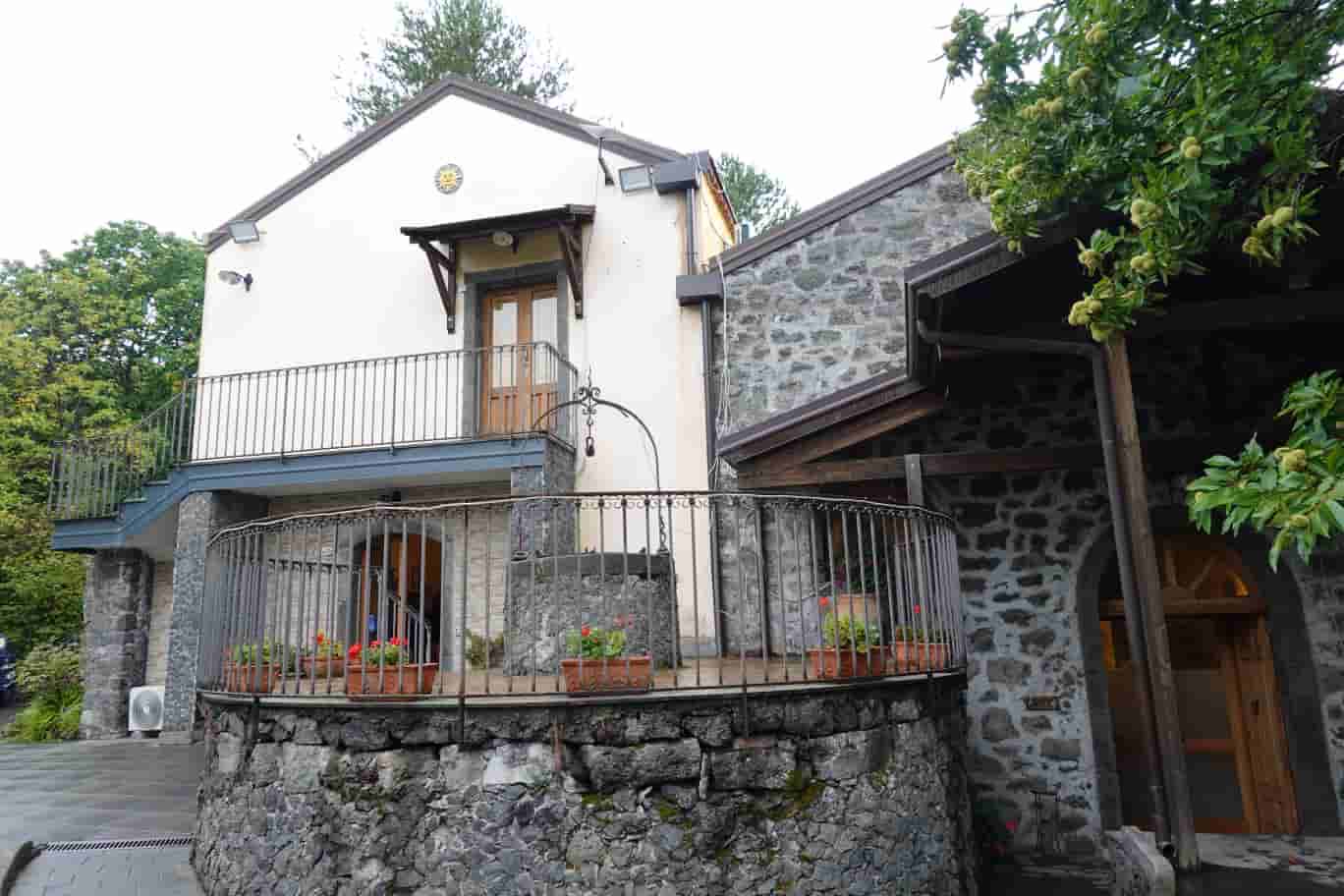
Our next stop was an agriturismo for lunch, after which we returned to the hotel.
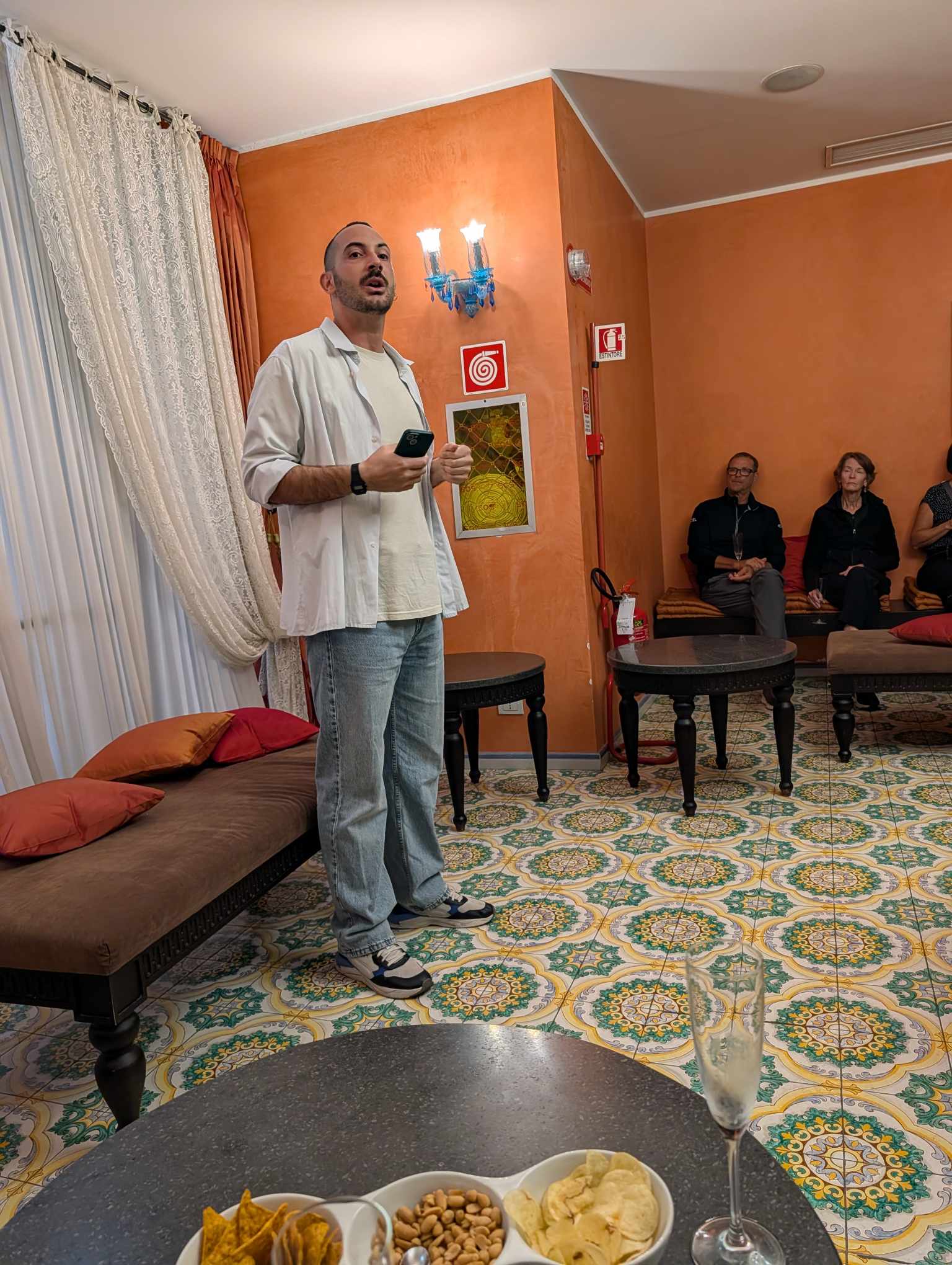
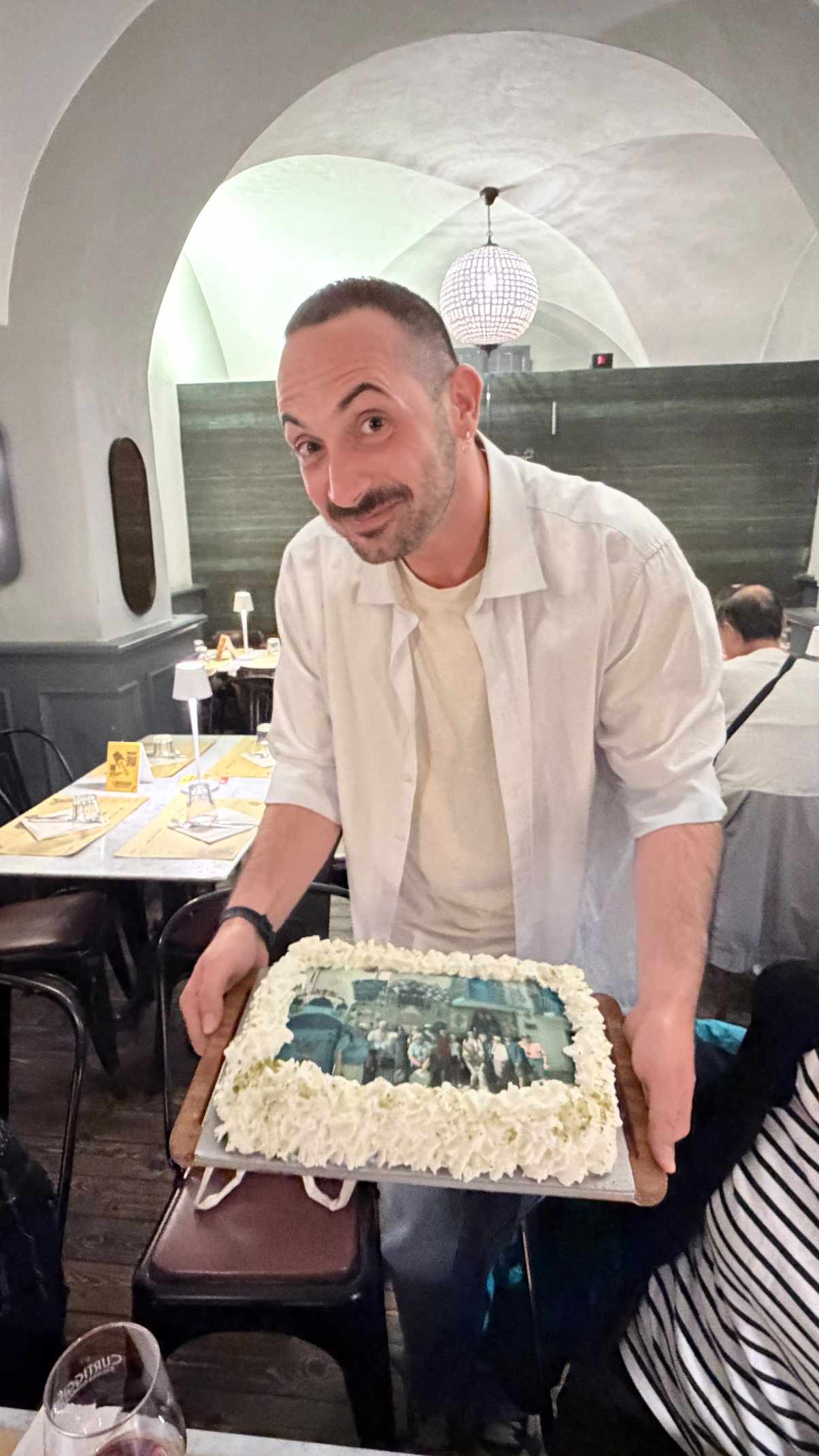
That evening, we gathered for a farewell drink at the hotel, followed by a farewell dinner at a local restaurant.
Most of the people are going on to the post trip but Anne and I are not. It’s hard to believe that three weeks have gone by so quickly. As always with these trips, we’ve met some terrific people and formed some special friendships along the way.
I’m going to miss everyone, but most of all, I’m going to miss spending every day with my sister. Sharing these experiences, laughing over the day’s adventures, and having all that time together has been a real gift.
Tomorrow, it’s time to head home. Sicily has given us a lot to remember—and I’m not quite ready for the adventure to end.