After a fairly good night’s sleep, I met Deb for breakfast, where we finalized our plan to visit Segovia, a UNESCO World Heritage Site. The weather was beautiful—perfect for an adventure and, as it turned out, a test of patience.
We made our way to the train station, about a 10-minute walk from the hotel, but quickly ran into some confusion about where and how to buy tickets. After a bit of wandering and looking like we absolutely did not know what we were doing (which we didn’t), I found someone who pointed us in the right direction. We purchased round-trip tickets from a gentleman who spoke very little English, which, in hindsight, should have felt like a warning sign.
We made it through security easily, but then the train was delayed and the track number never appeared on the board. We compared notes with an American couple nearby, and together formed a small but determined committee of confused travelers. Eventually, we figured it out and boarded the train. About 30 minutes later, we arrived in Segovia, where we ran into the same couple again and shared a cab into the center of town—clearly, we were all in this together.
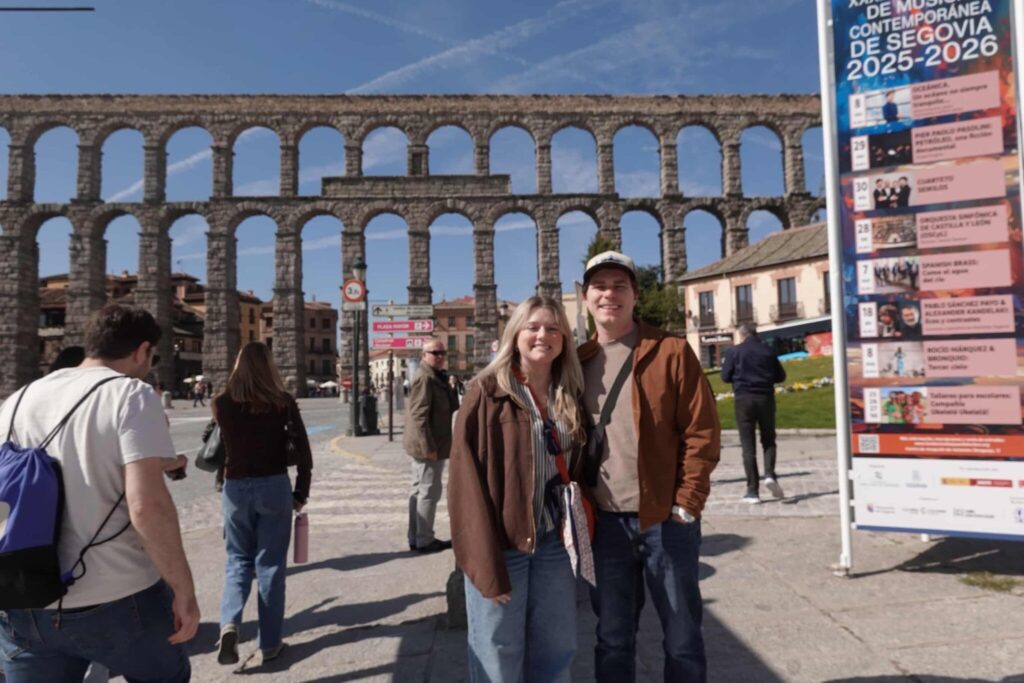
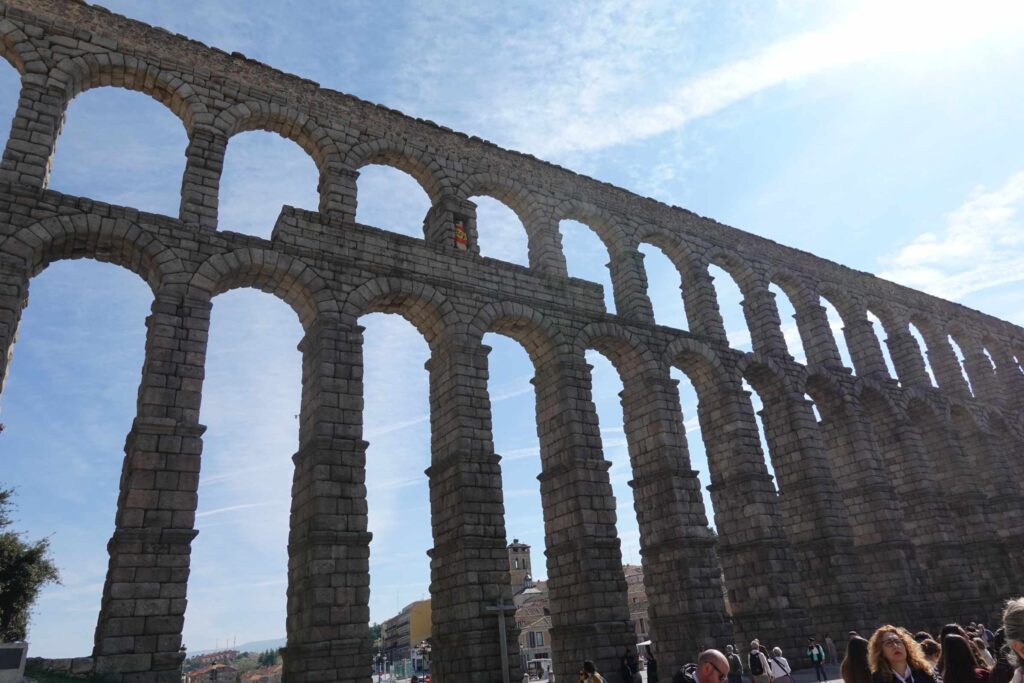
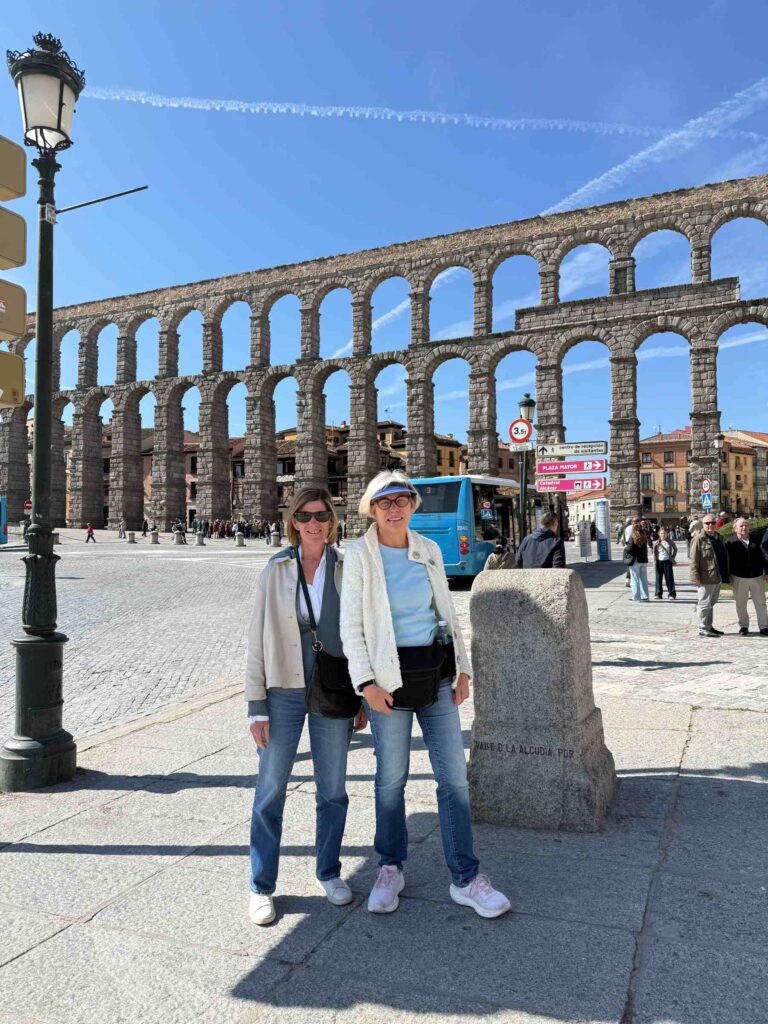
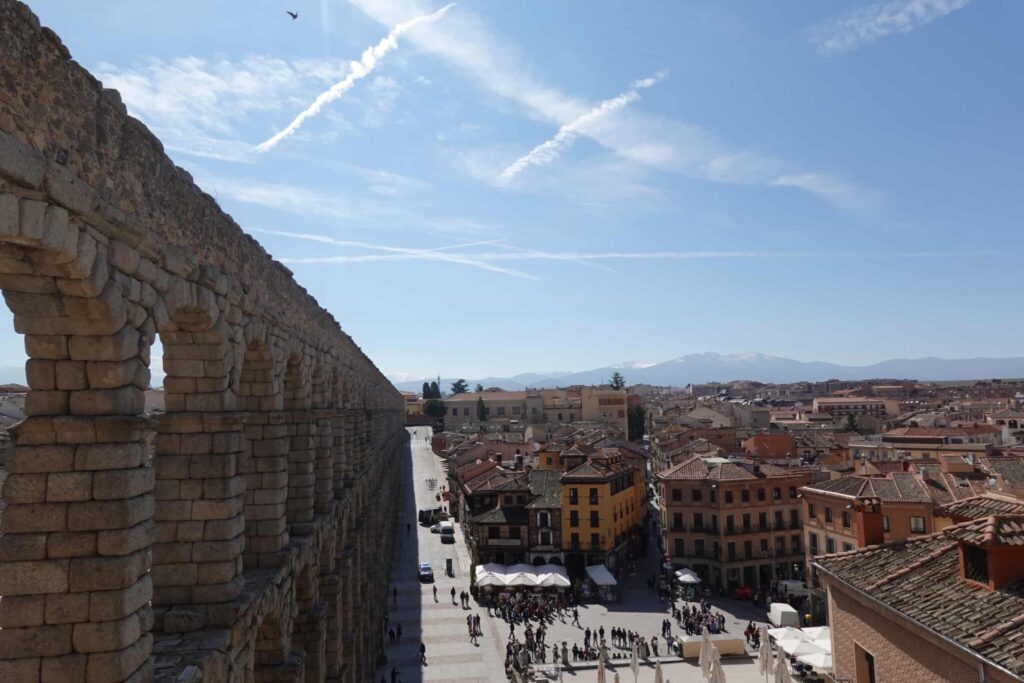
Our first stop was the 2,000-year-old Roman aqueduct, built in the first century AD to carry water from mountain springs 17 kilometers (11 miles) into Segovia. Remarkably, it remained in use until 1973, which feels like a strong endorsement of Roman engineering—and a mild critique of modern infrastructure. We took plenty of photos and climbed several flights of stairs to get a closer look.
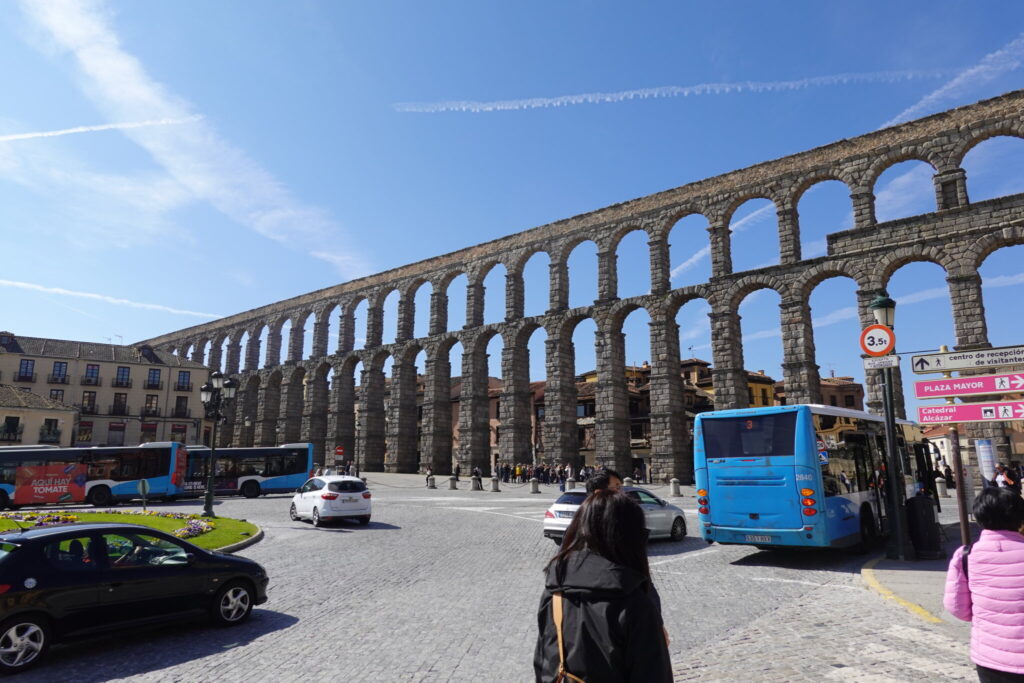
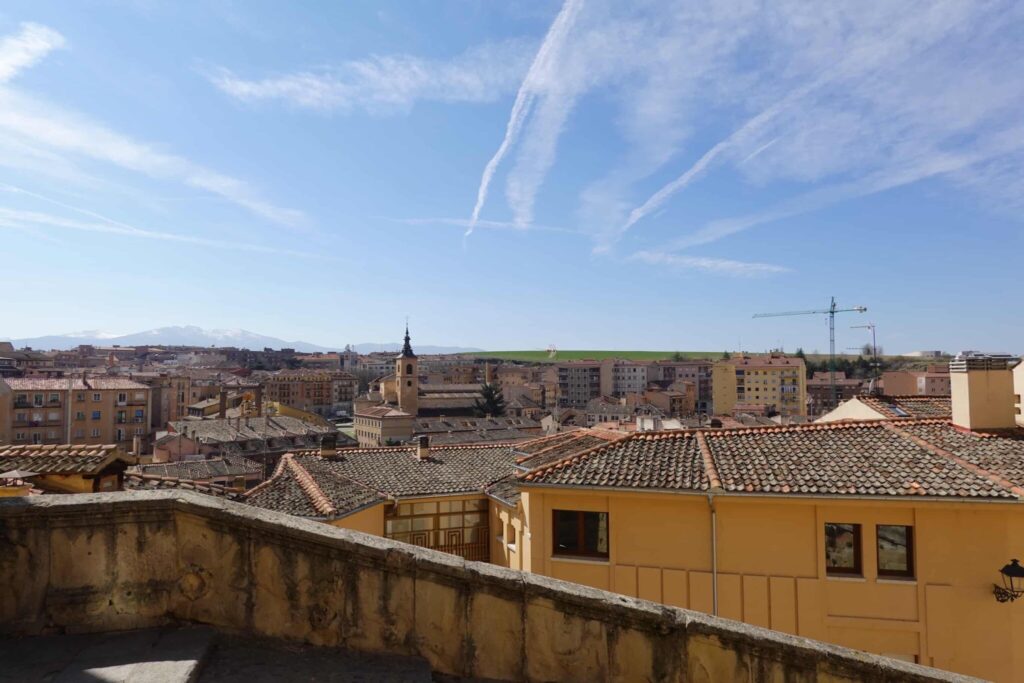
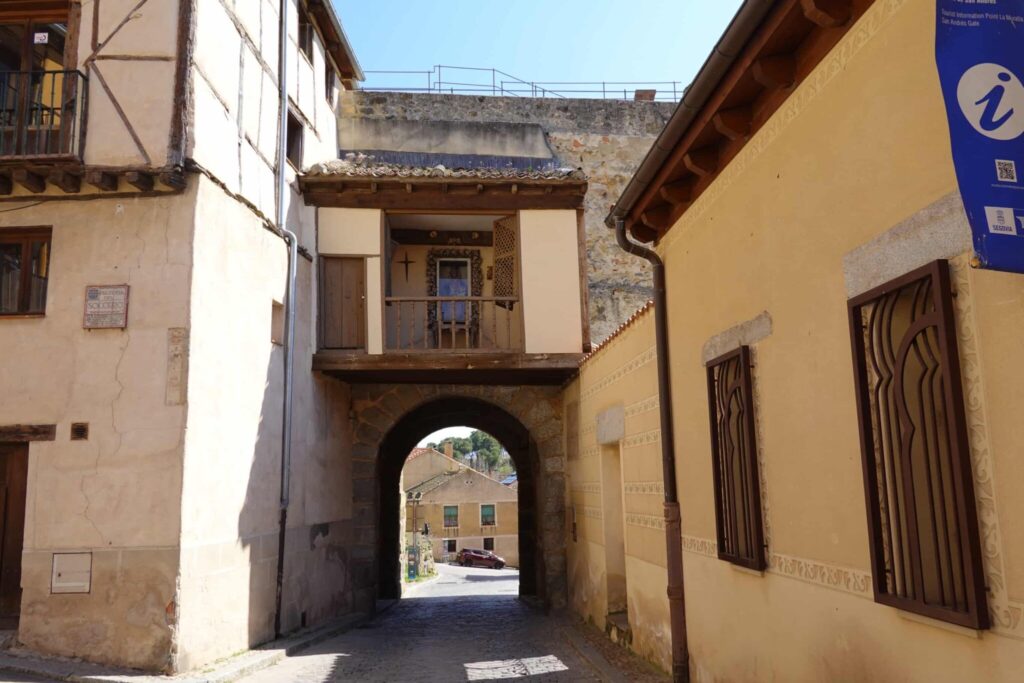
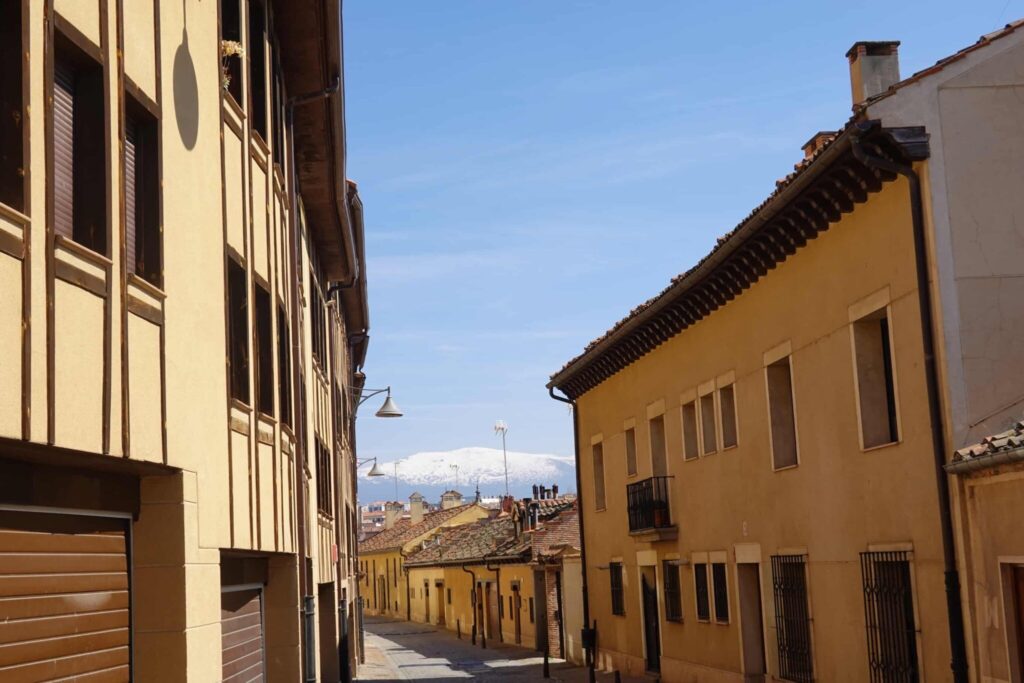
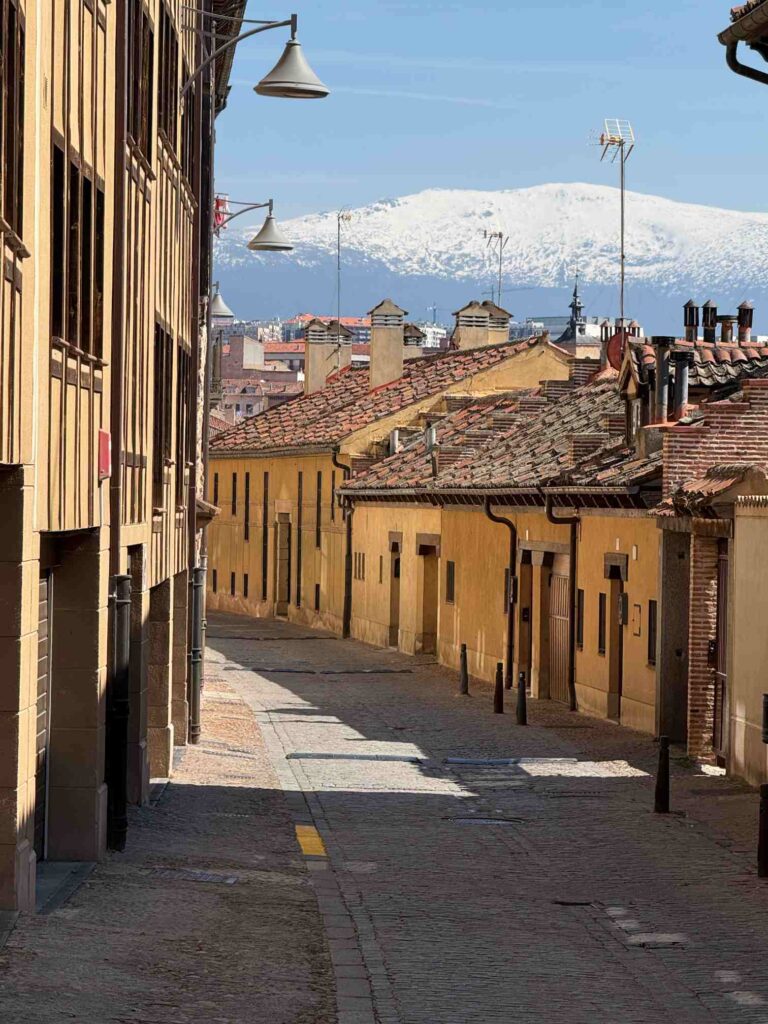
From there, we followed Rick Steves’ walking tour through the city. Along the way, we passed Moorish-style homes and wandered through several plazas. Many houses feature truncated towers that once belonged to feuding noble families. In the 15th century, as Ferdinand and Isabella centralized power, these families were required to cut down their towers—a subtle but effective way of keeping egos in check. The result is a skyline that looks like a collection of slightly unfinished projects.
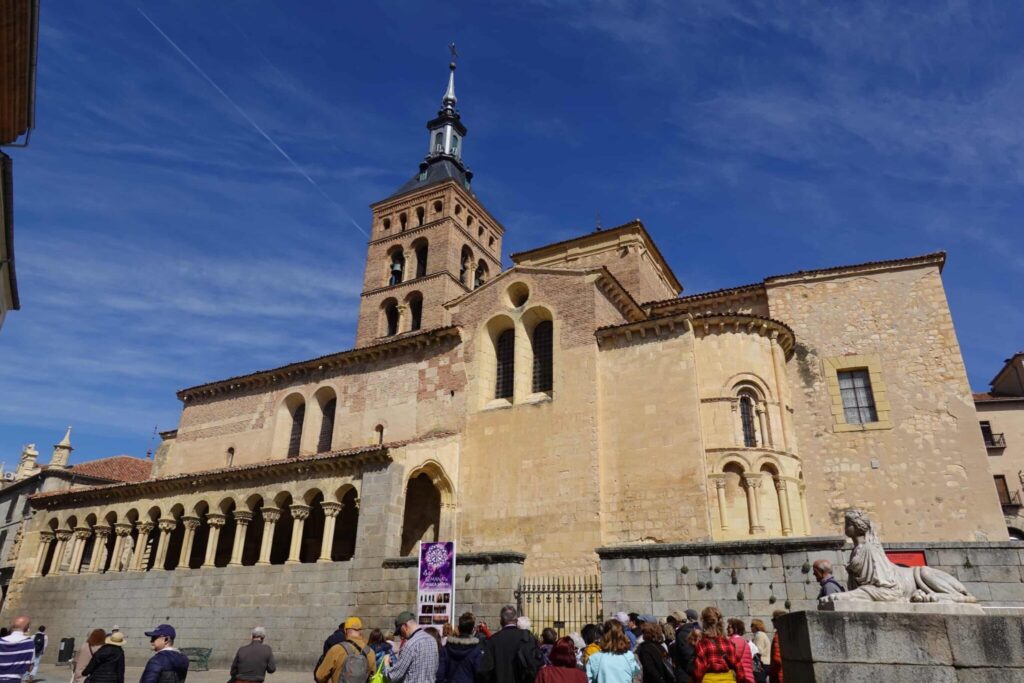
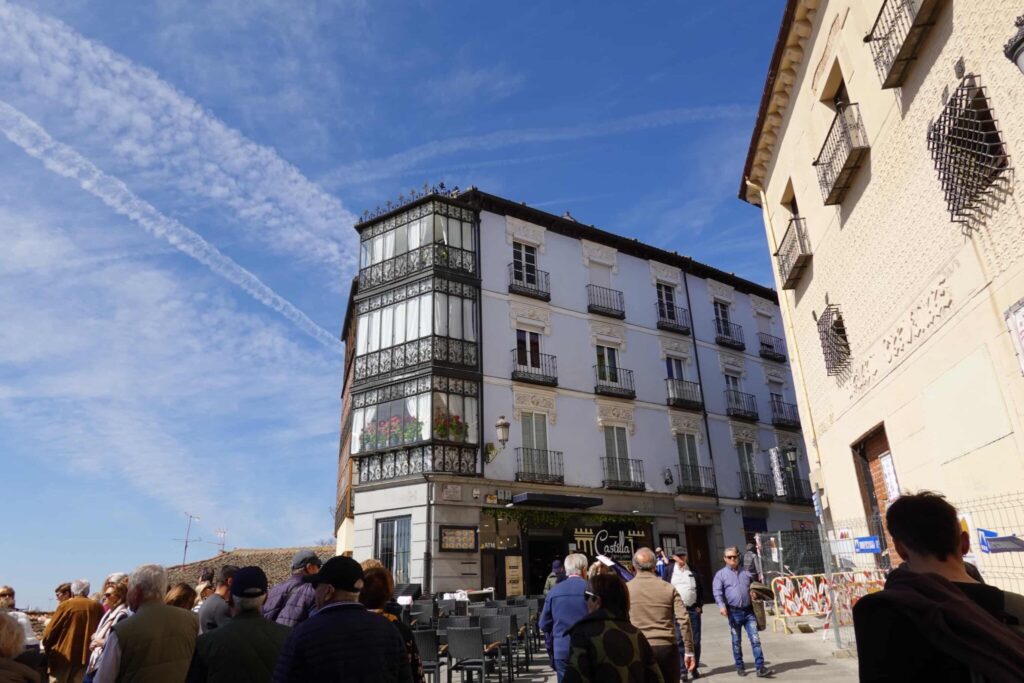
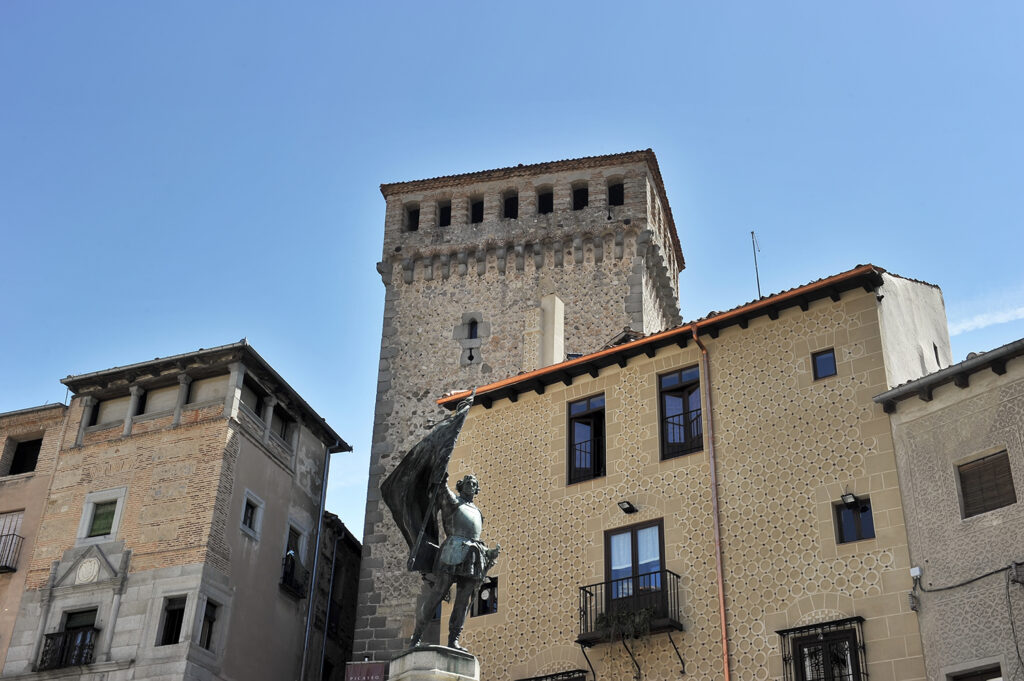
We ended the walk in the Plaza Mayor, then continued on to the cathedral. Construction began in 1525, with completion stretching into the late 17th century and consecration in 1768. It was the third cathedral on the site and the last Gothic cathedral built in Spain. With its elaborate pinnacles and flying buttresses, it represents the final, highly ornate phase of Gothic architecture known as Flamboyant—which feels like an appropriately dramatic name.
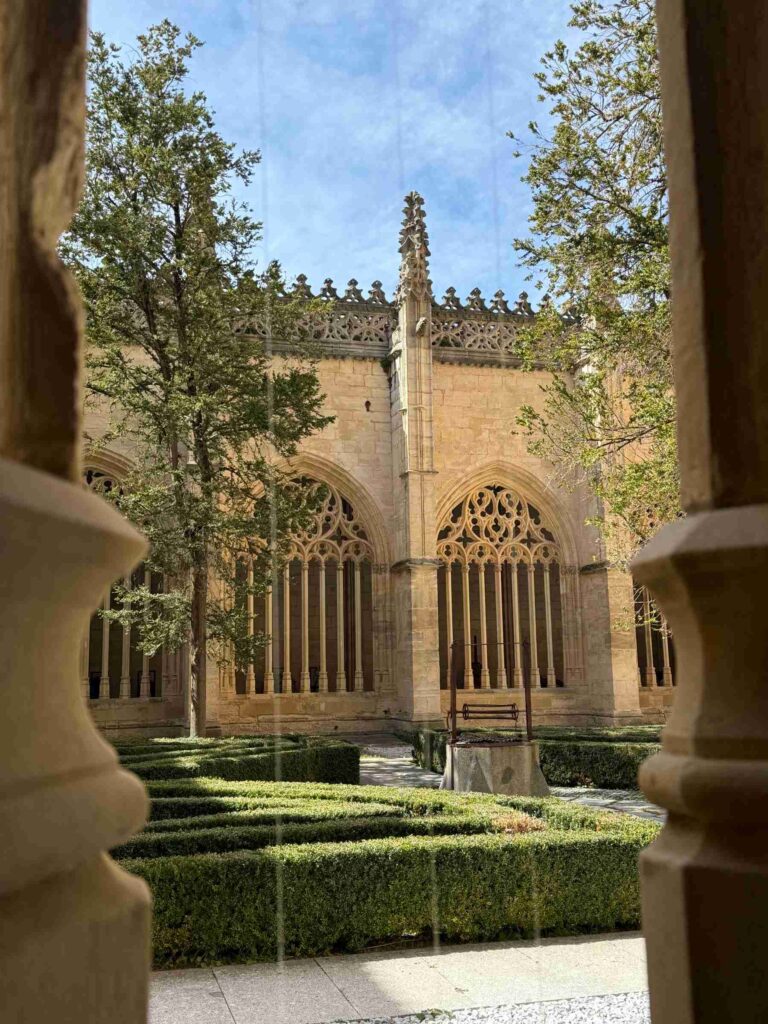
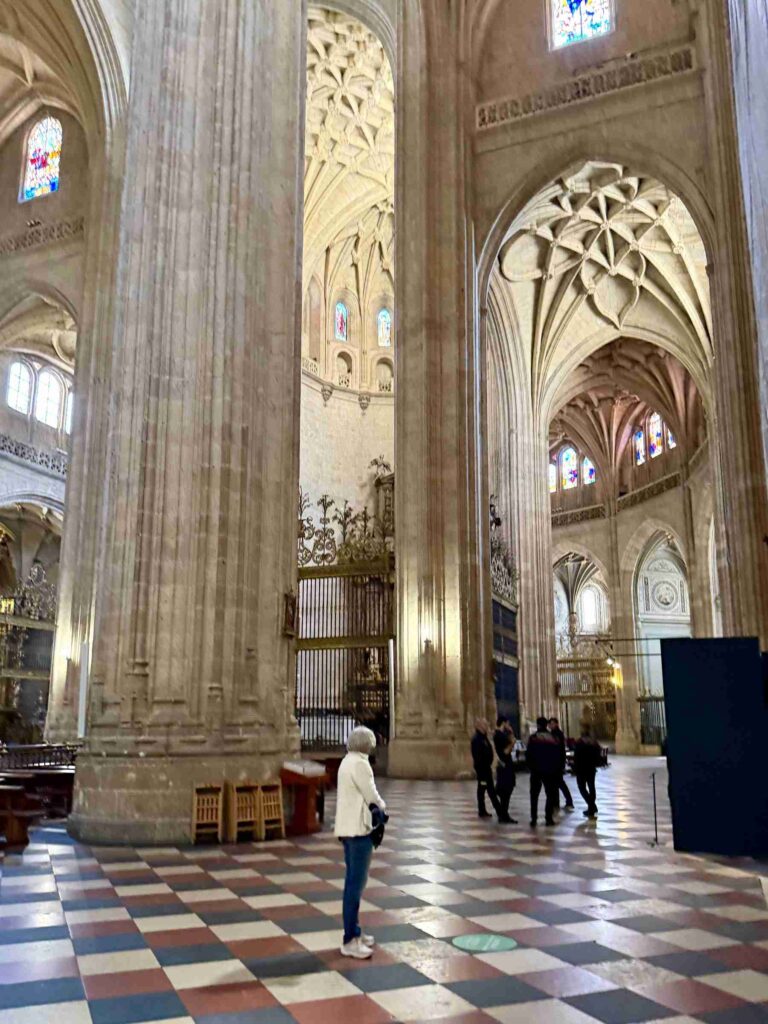
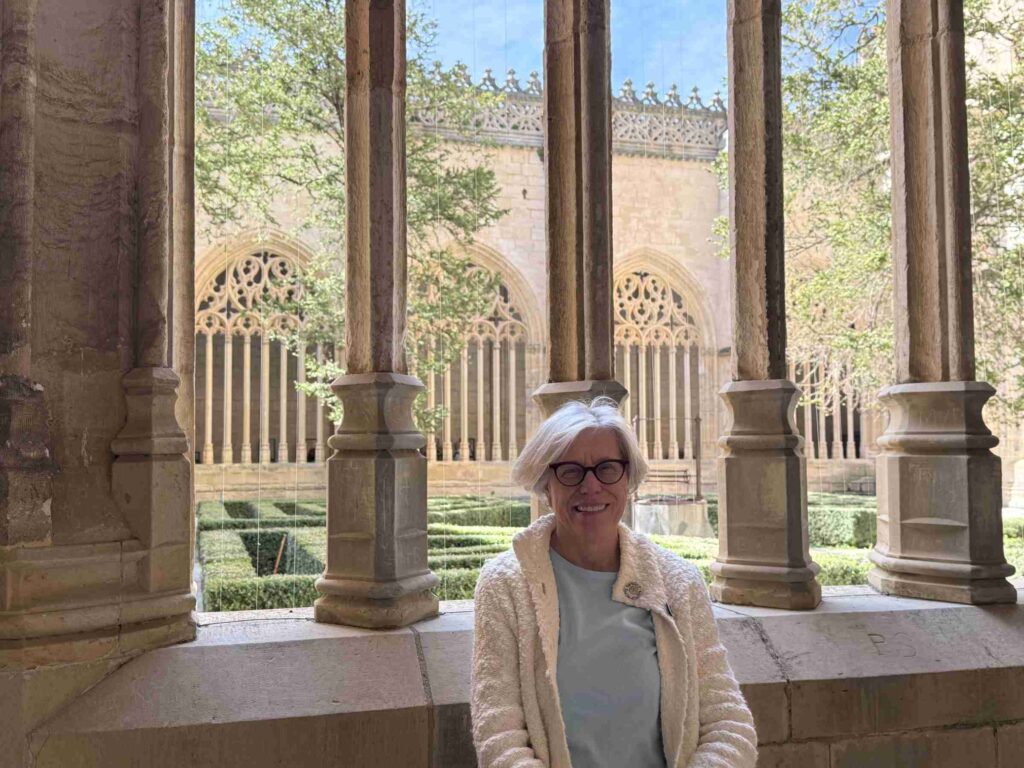
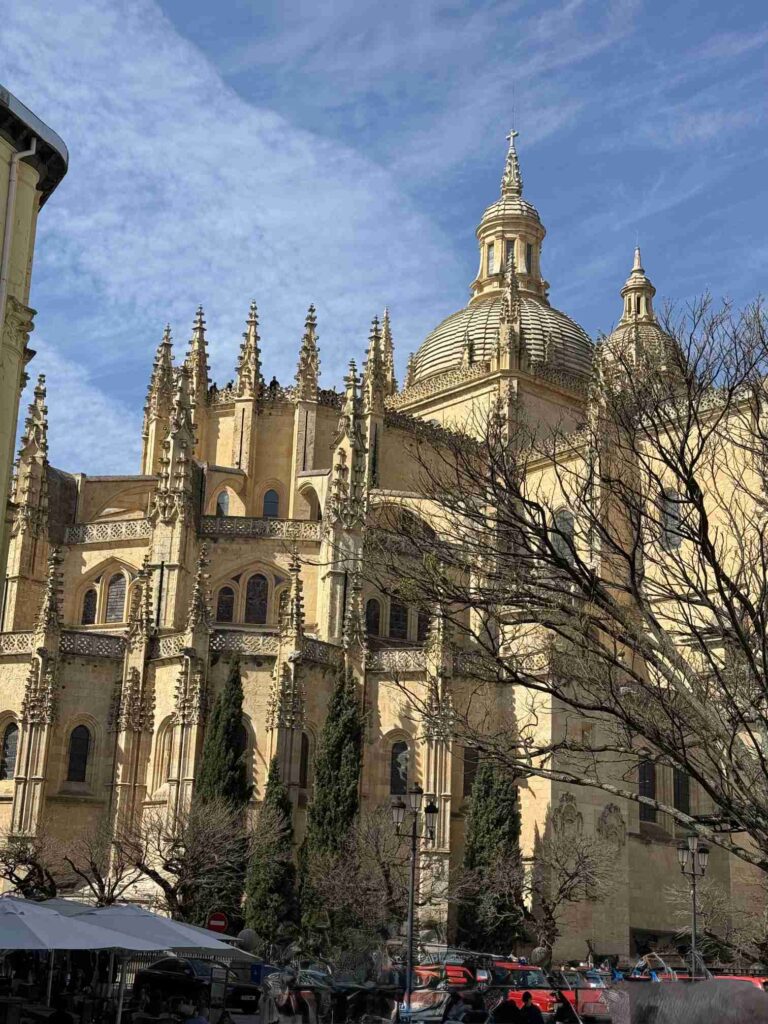
After exploring the cathedral, we had lunch in the Plaza Mayor at a charming spot recommended by one of Gail’s students from the previous evening’s reception—a recommendation that did not disappoint.
Refueled, we headed to our final stop: the Alcázar. Dating back to at least the 12th century, the fortress sits dramatically on a rocky outcrop above the confluence of the Eresma and Clamores rivers. It served as a key stronghold for the Castilian royal family and played an important role in controlling the region. It also looks exactly like what you’d expect a castle in Spain to look like, which somehow still feels surprising in person.
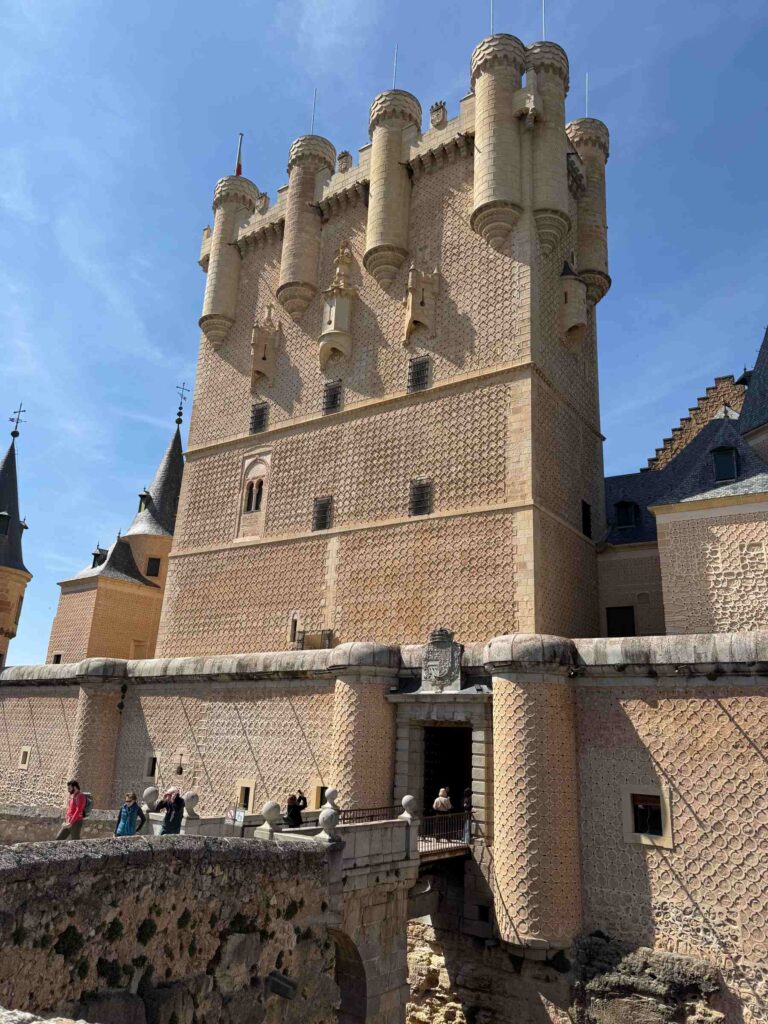
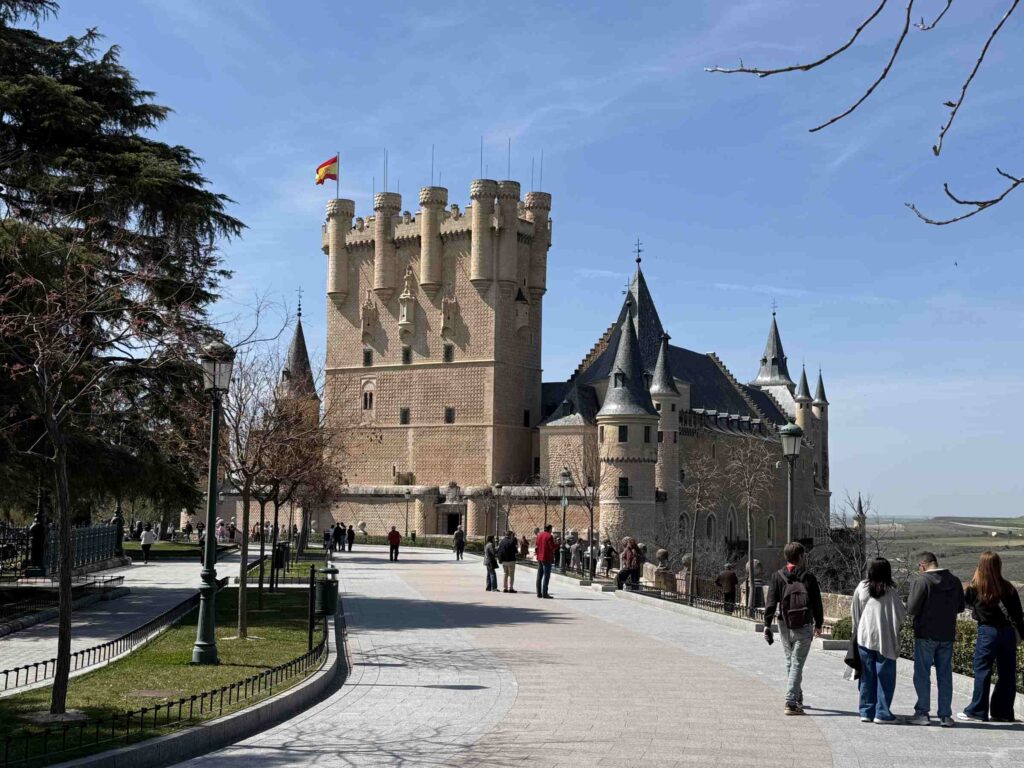
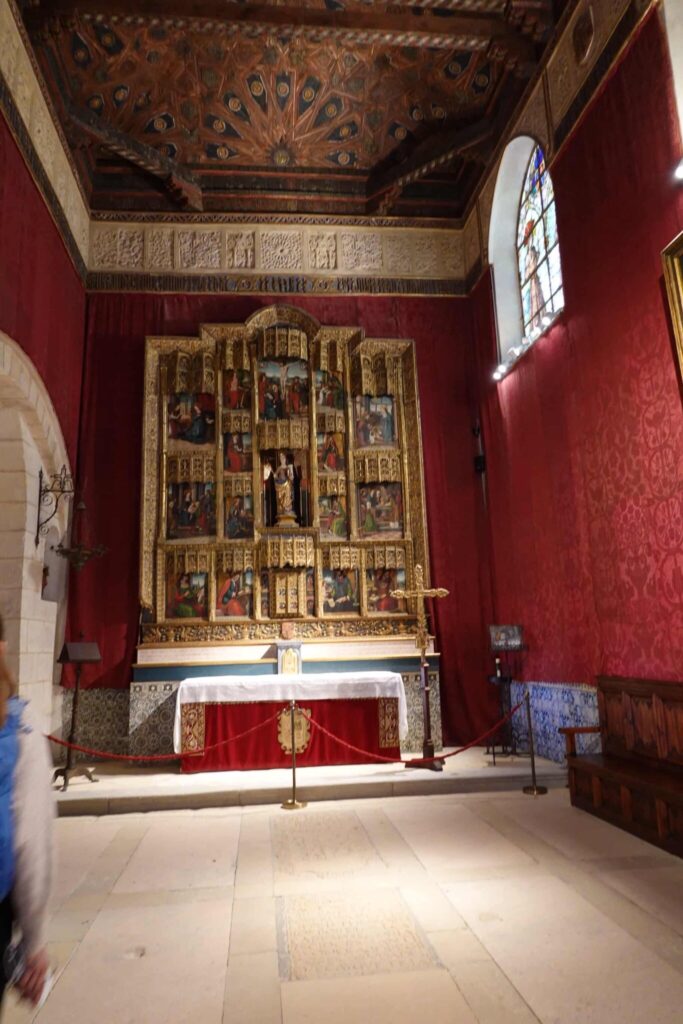
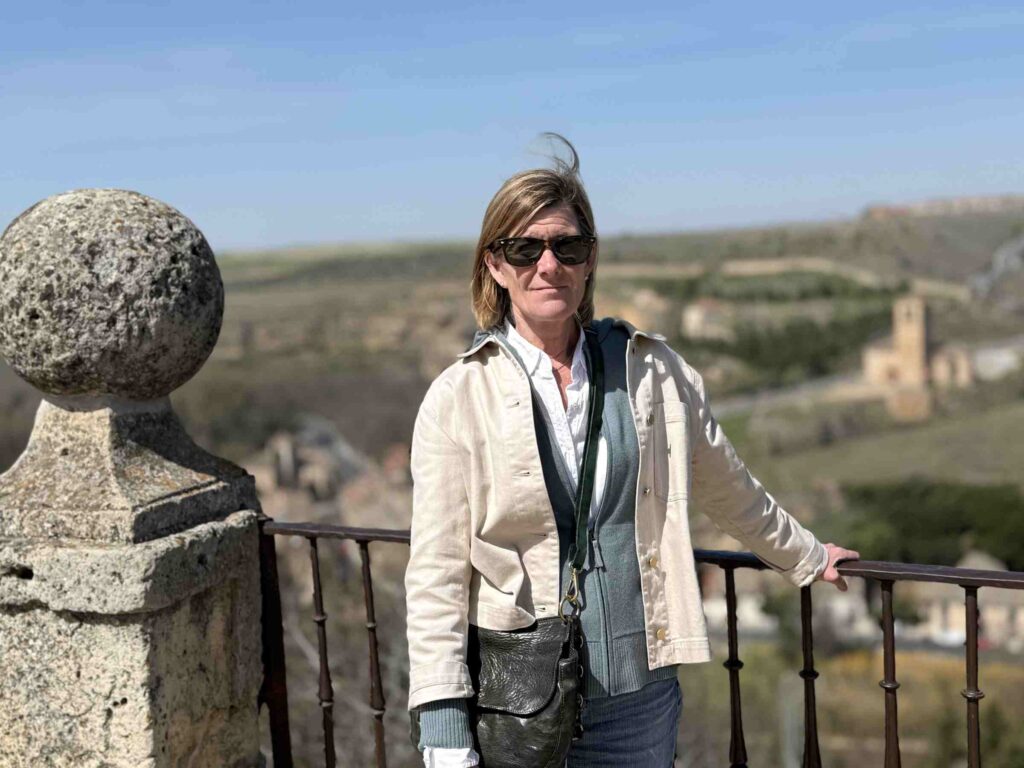
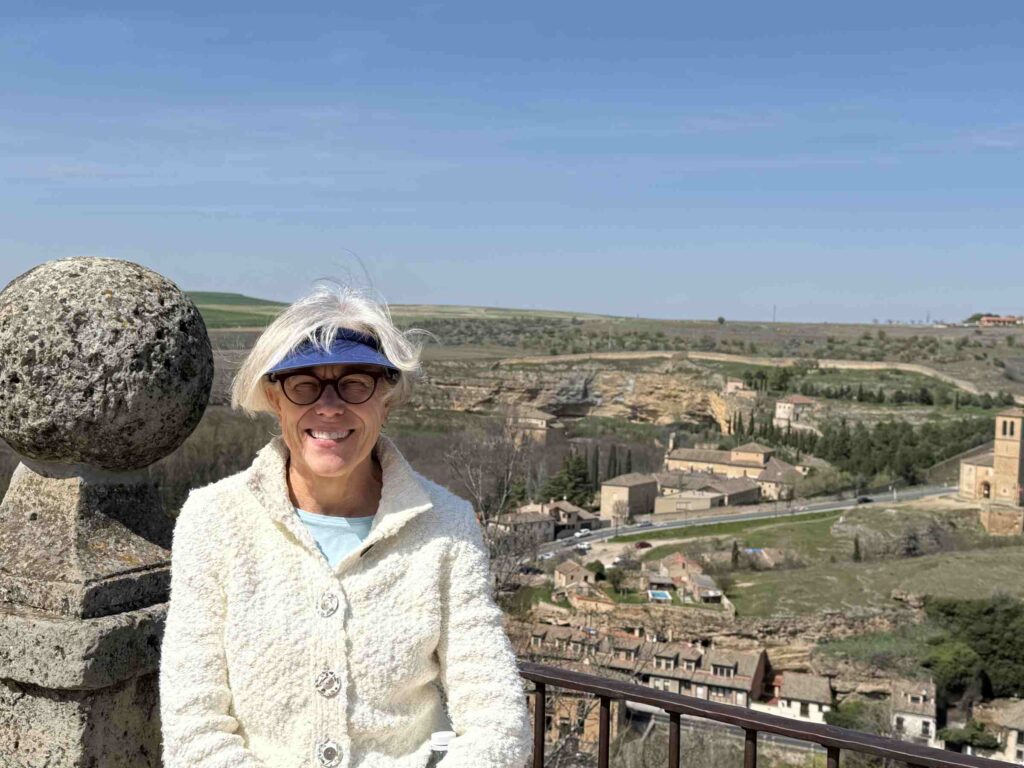
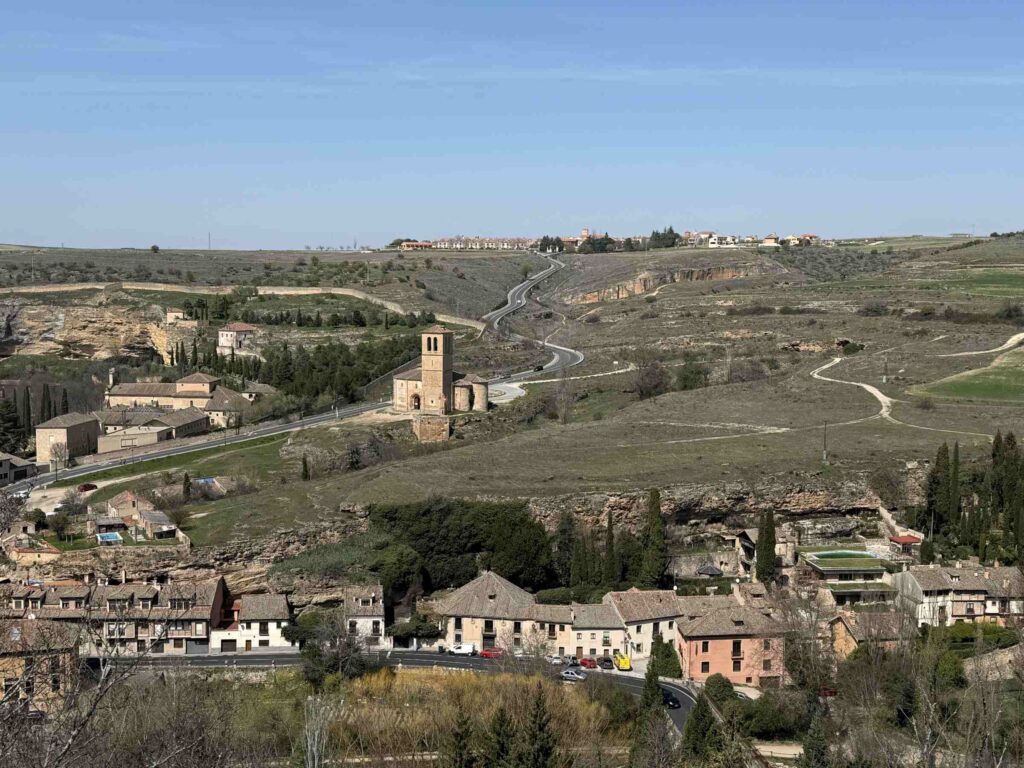
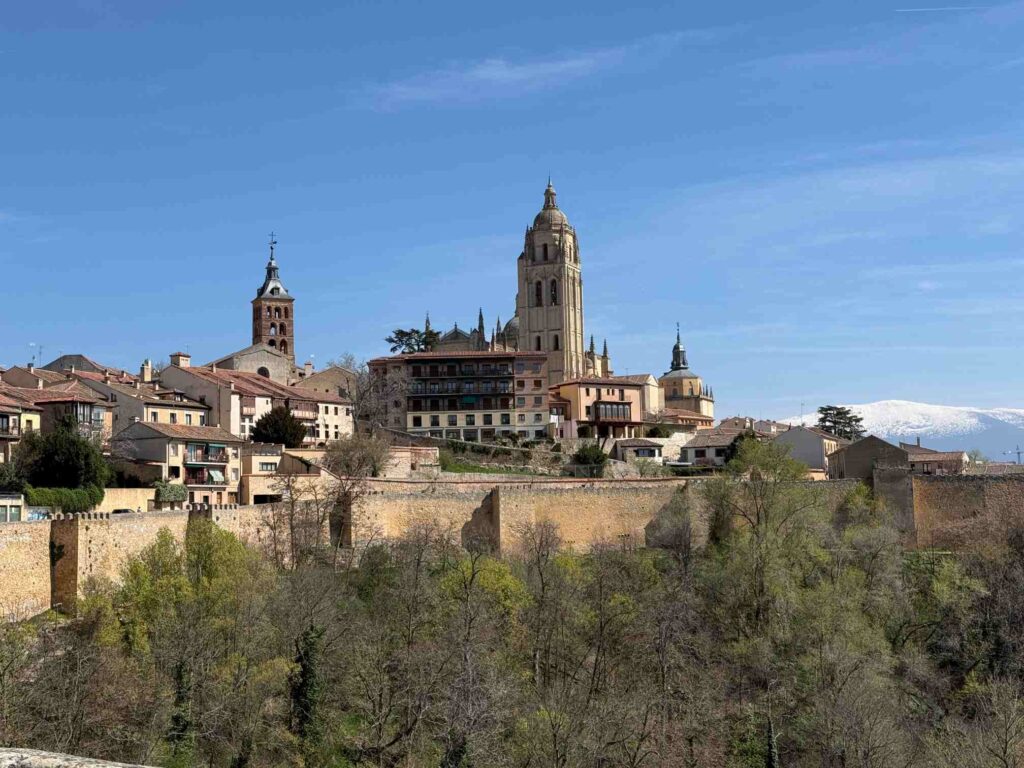
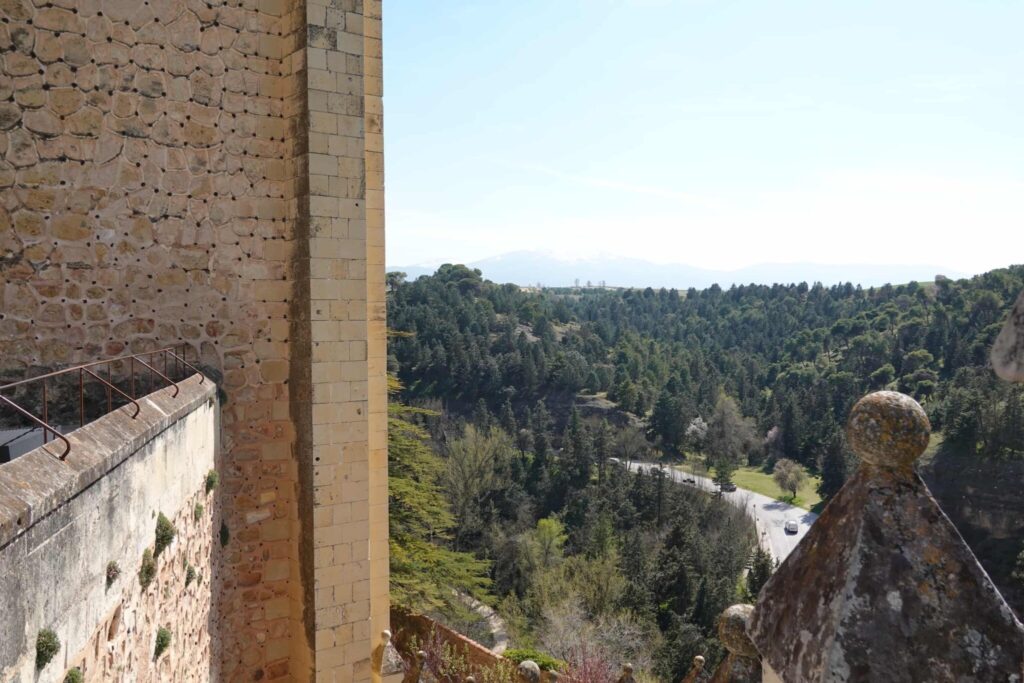
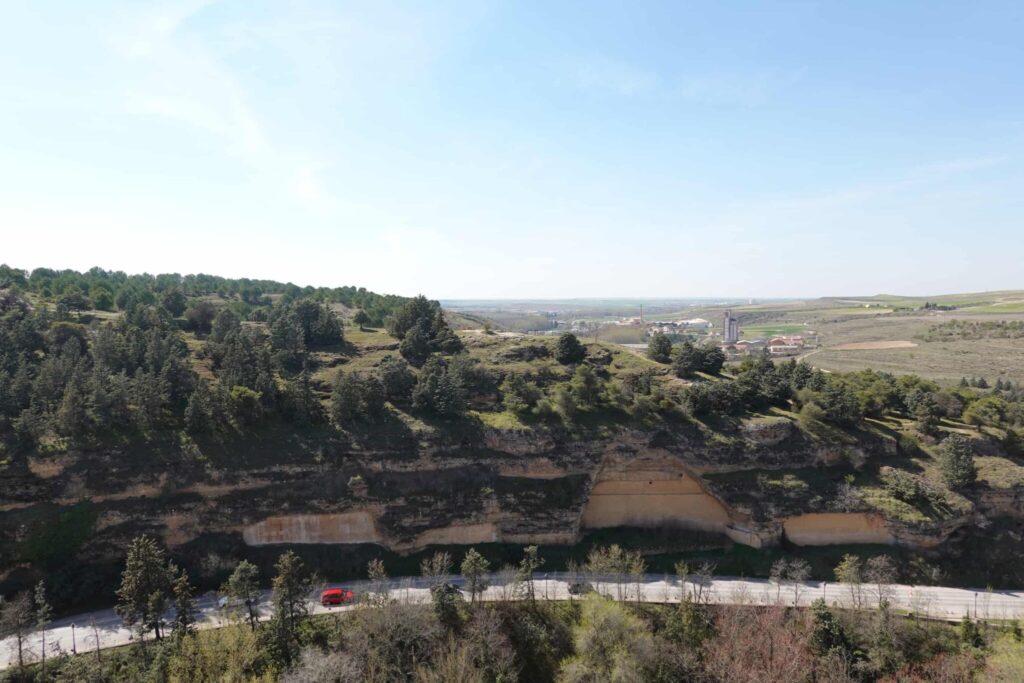
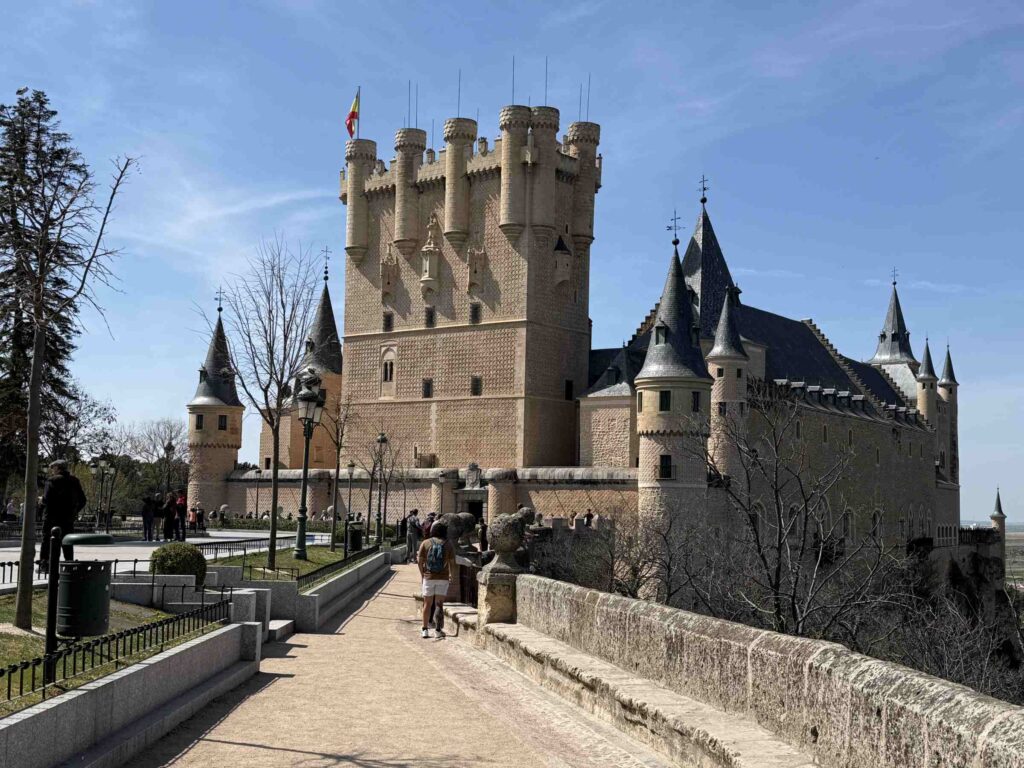
After visiting the Alcázar, we took a leisurely route back toward the aqueduct.
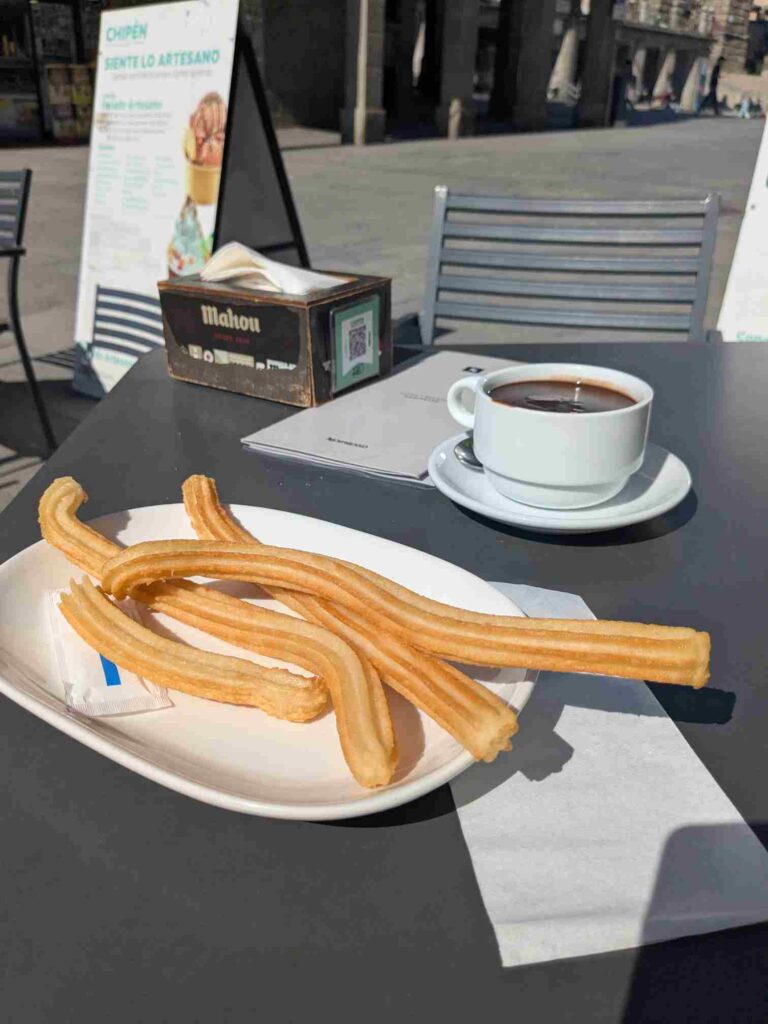
We had been talking about churros and chocolate all day, so we found a small café and enjoyed both while sitting in the sun—arguably the most successful part of the day.
That’s when things took a turn. Deb checked our return tickets and realized we had been booked on an earlier train than we intended. It was about 3:30, the train was leaving at 3:57, and we had a 20-minute bus ride back to the station. We looked for a taxi without success, took the bus, and—right on schedule—missed the train.
At the station, we learned that the next available train wasn’t for another two and a half hours. It became clear that when we purchased our tickets that morning, the agent had put us on a different train because the one we wanted was fully booked without explaining it—likely due to the language barrier, though we briefly considered the possibility that he simply wanted to keep things interesting. With limited options, we bought new tickets and settled in to wait.
Fortunately, Deb messaged Gail to let her know we’d be delayed. As luck would have it, Gail was in Segovia with her work group and offered us seats on their bus back to Madrid—an unexpectedly efficient rescue.
We arrived back at the hotel around 7:00 and had just enough time to regroup before heading out again at 8:00 for dinner. The plan was to meet Gail and one of her colleagues at a Michelin-starred restaurant in central Madrid, but the evening stayed true to form. The colleague opted out, and when we arrived, we discovered the reservation had been made for the wrong night. The hostess assured us she could seat us shortly—“10 minutes,” which became 30, followed by “just five more minutes”. We gave it 5 more minute and at that point, we decided to move on.
We returned to the hotel and went to the bar for something to eat. A large party had just been seated, and we were warned the kitchen would be slow, so we opted for a cheese platter—which, in keeping with the theme of the day, took longer than expected. Adding to the atmosphere, the Moroccan national soccer team was staying at the hotel and was receiving most of the staff’s attention. We briefly considered whether we might get faster service if we looked more athletic.
By the end of the night, we were exhausted and a bit cranky. It was a long day with more than a few mishaps, but we managed to roll with them—and, at the very least, we earned the churros.