
I somehow slept until 8:30—an absolute miracle. I met Deb for breakfast at the hotel, where she appeared fully functional and far too put-together for someone who had also taken a red-eye. After a leisurely and much-needed meal, we set off on Rick Steve’s Barcelona walking tour. By “we,” I mean I listened attentively while Deb nodded supportively, occasionally humored me with interest and made sure I didn’t get hit by oncoming traffic.
We wandered down La Rambla, which is getting a facelift and is largely under construction. It is basically the main artery of the city—a mile-long pedestrian street that never seems to sleep and, according to one poet, is “the only street in the world which I wish would never end.”
We passed Els Quatre Gats, Picasso’s old hangout, back when he was just a young artist trying to make it. It opened in 1897 and was basically the place to see and be seen if you were an aspiring bohemian.
From there we stopped at the Church of Santa Anna (over 800 years old, casually), and then made our way to the Barcelona Cathedral. Parts of it date back to the 1200s, although the dramatic façade is actually much newer—because apparently even cathedrals get glow-ups.
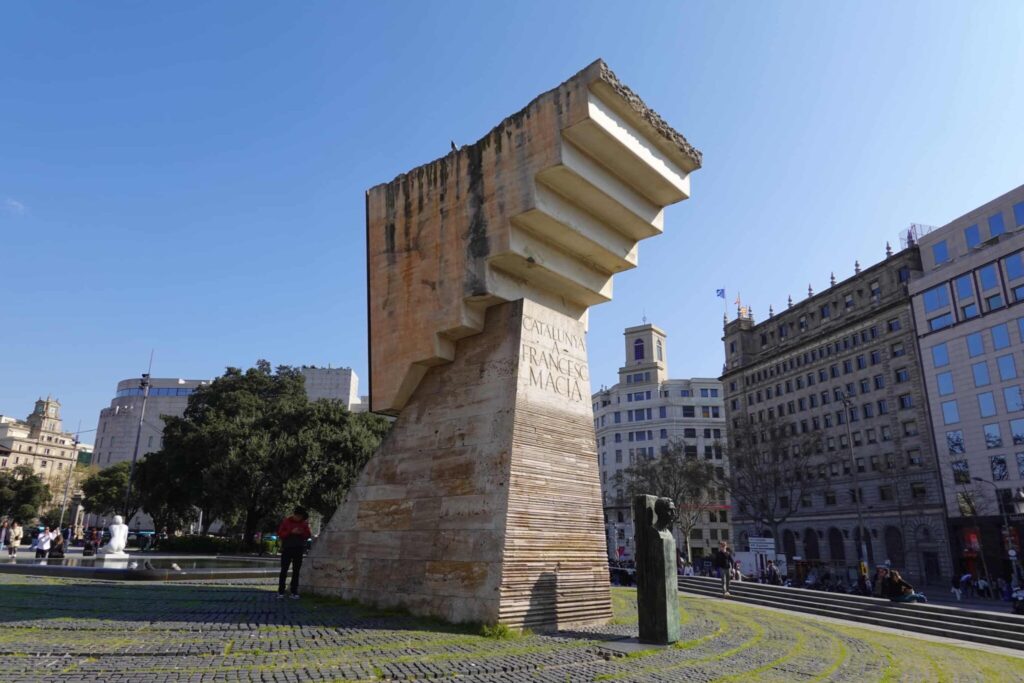
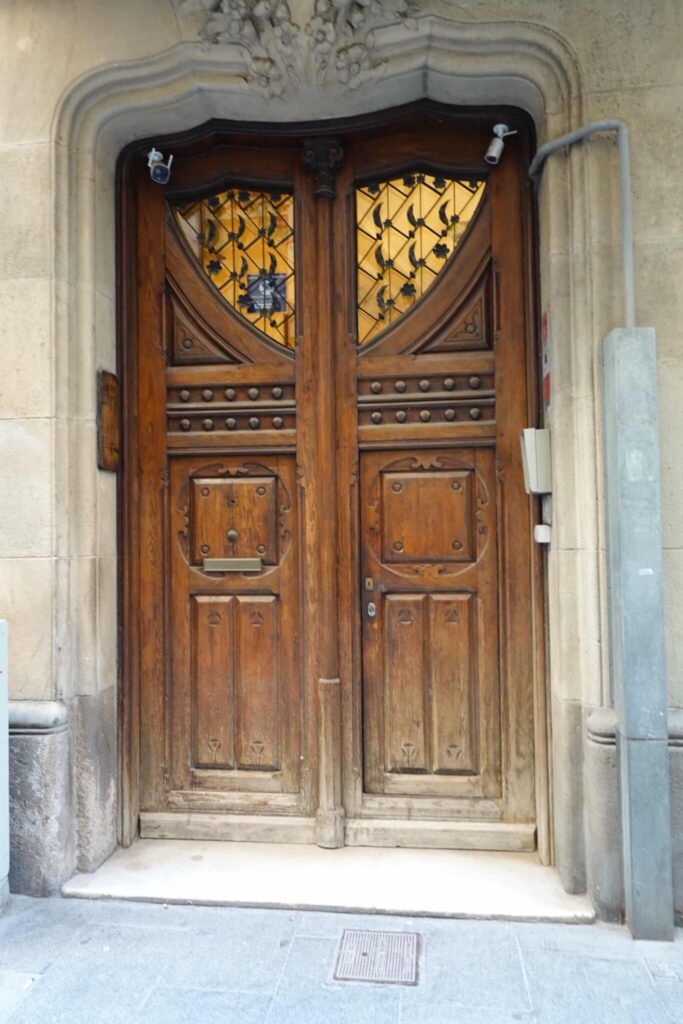
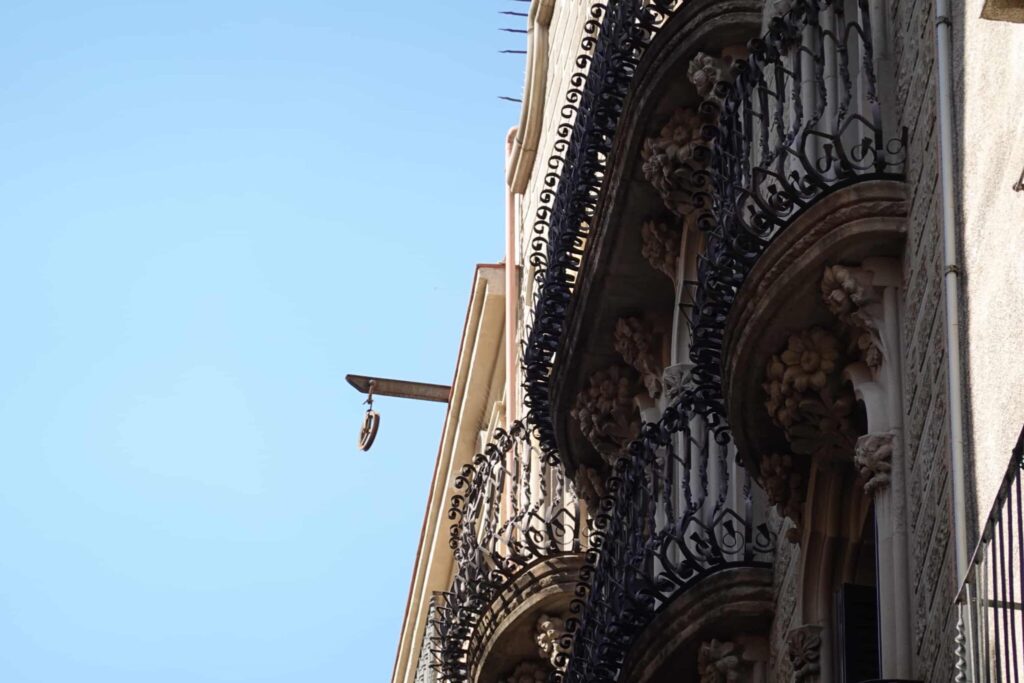
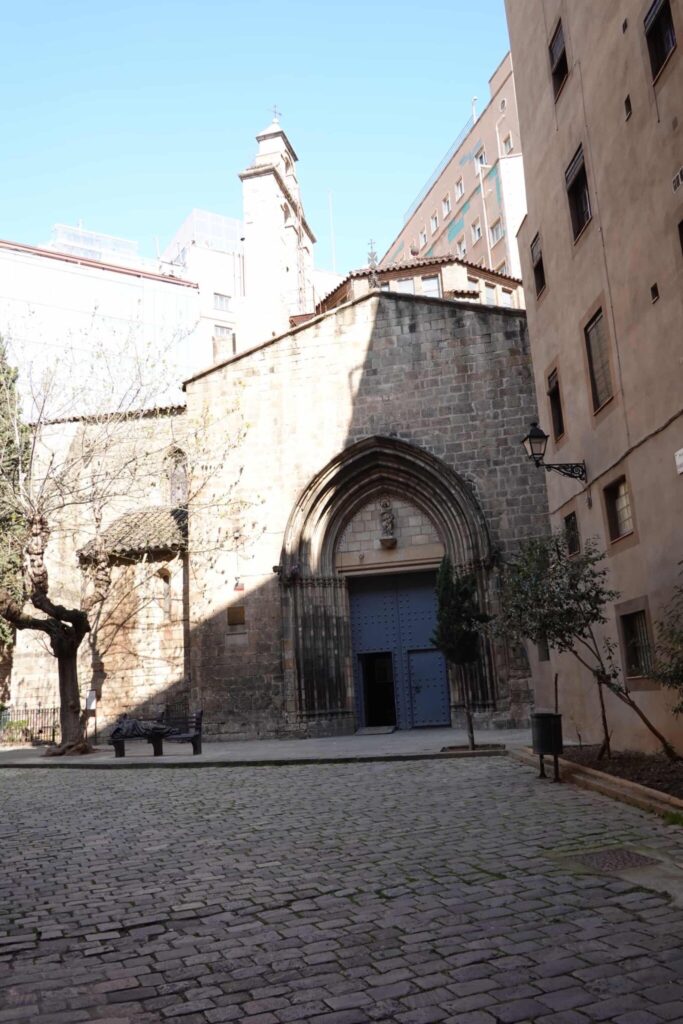
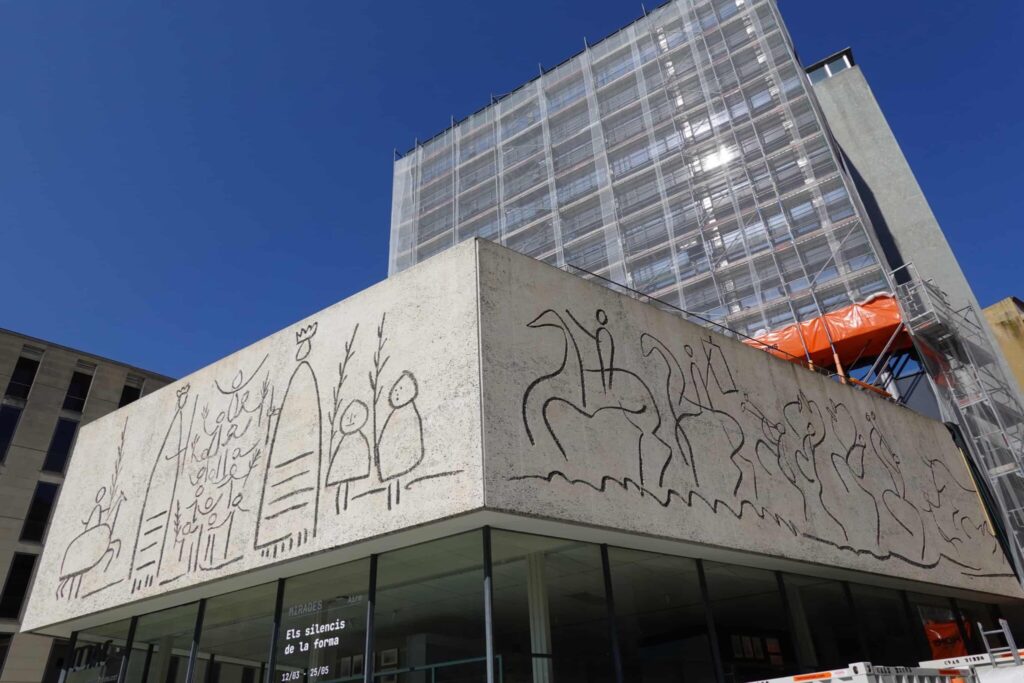
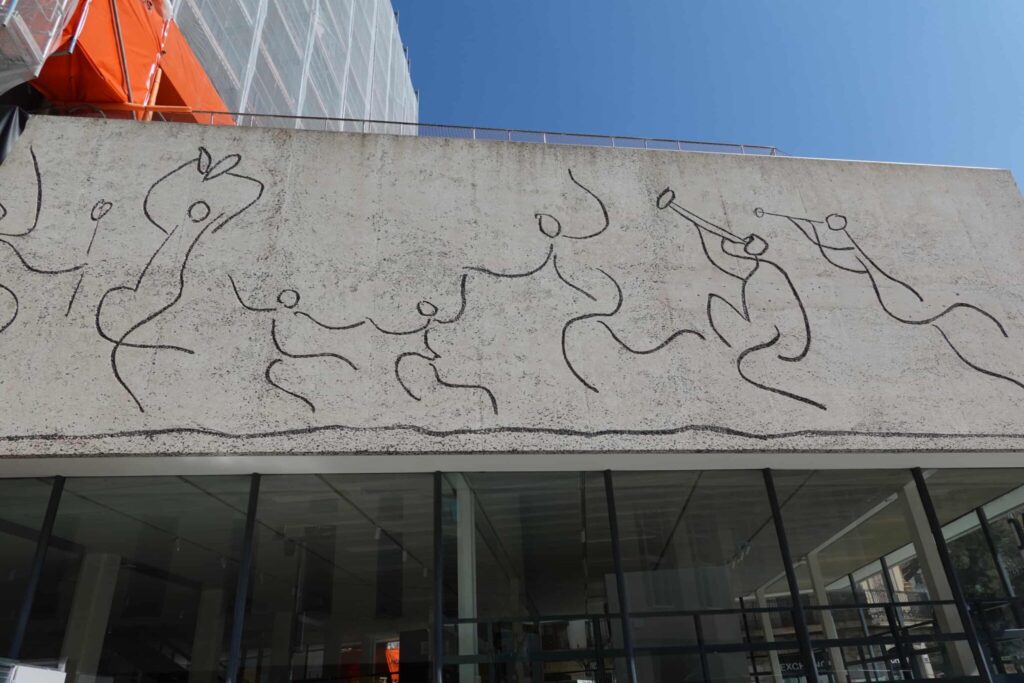
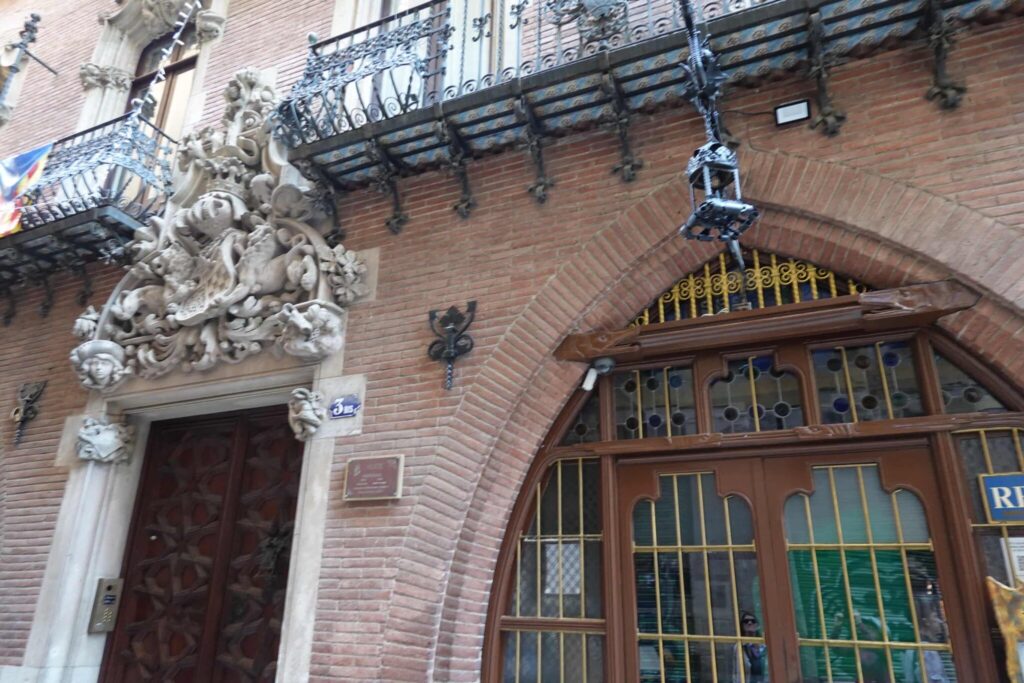
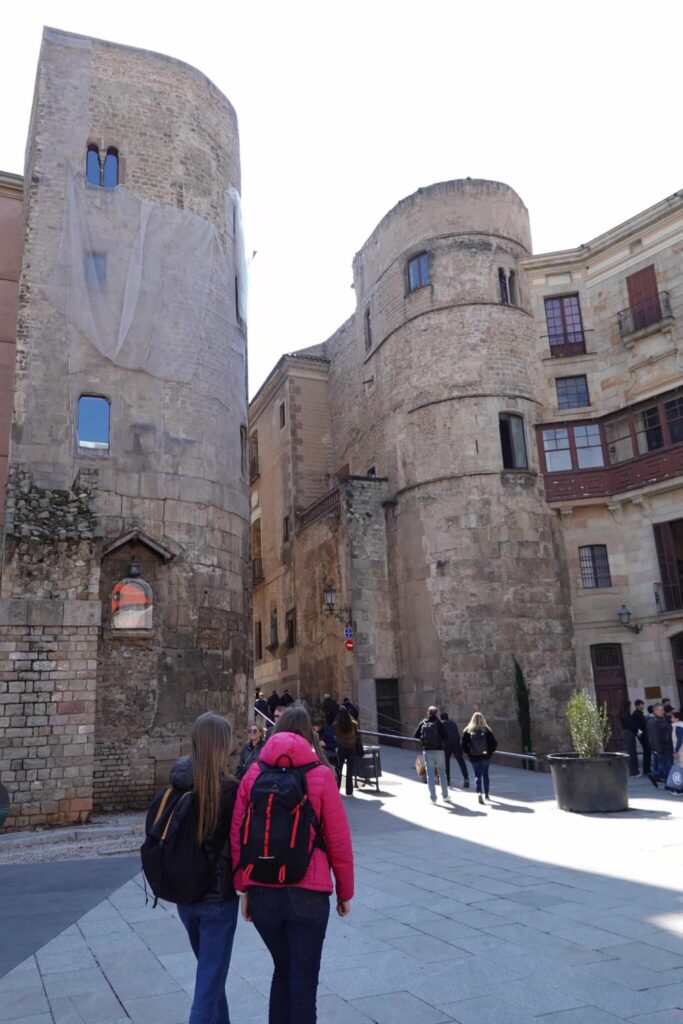
We stepped inside, and it was every bit as impressive as you’d expect. The cathedral is dedicated to the Holy Cross and Saint Eulalia, a young martyr and co-patron saint of Barcelona. According to tradition, she suffered her fate here during Roman times, which gives the whole place an even deeper sense of history. We also went up on the roof for great views of Barcelona. Pictures below, though they barely do it justice.
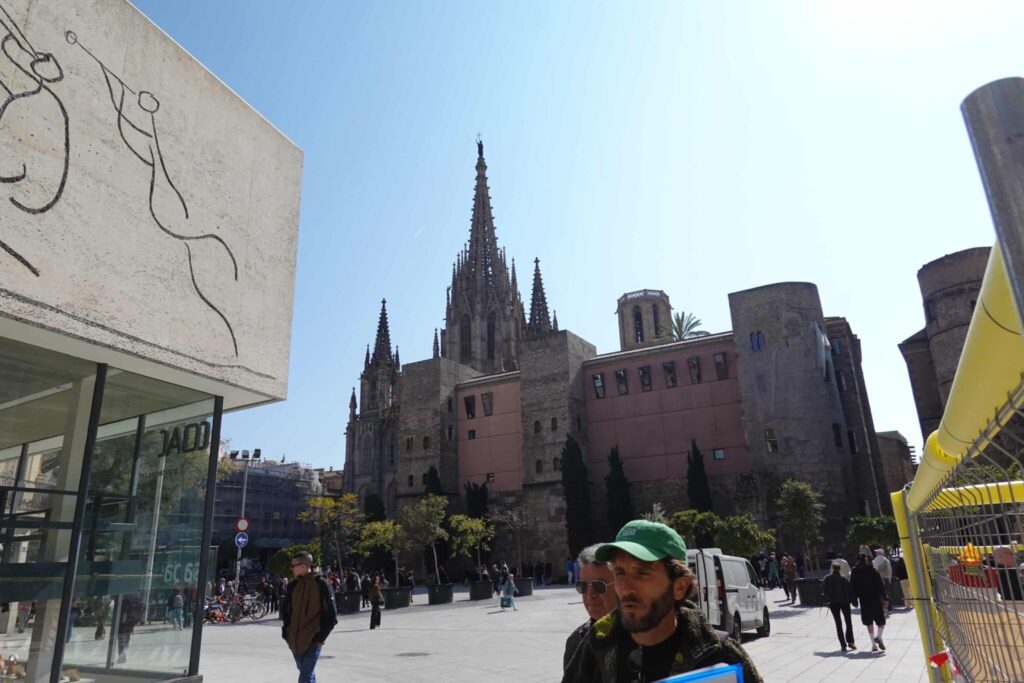
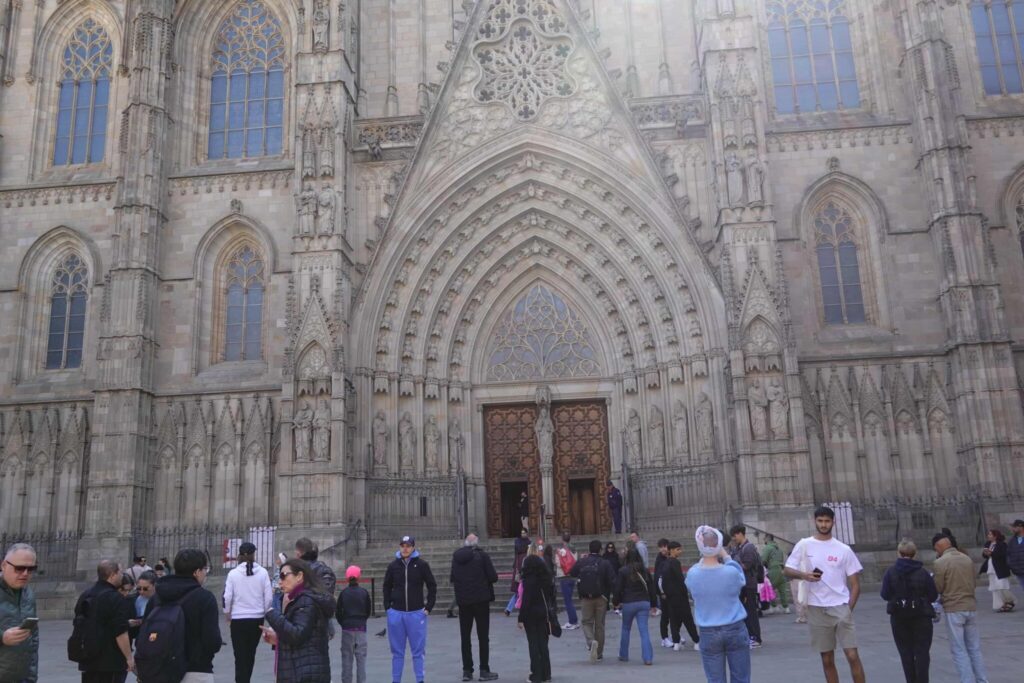
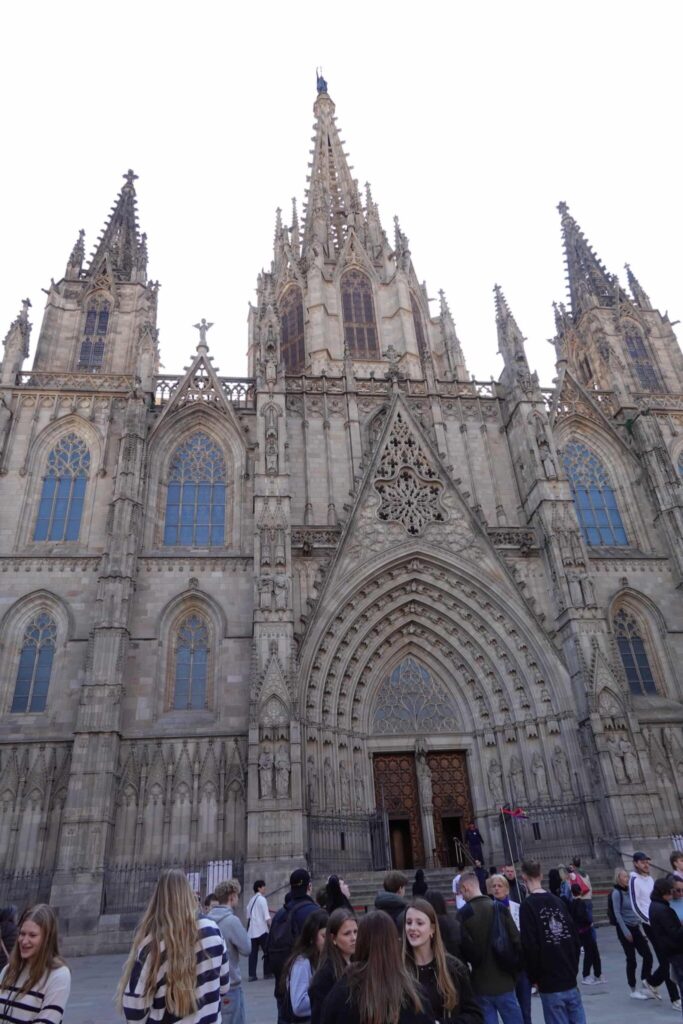
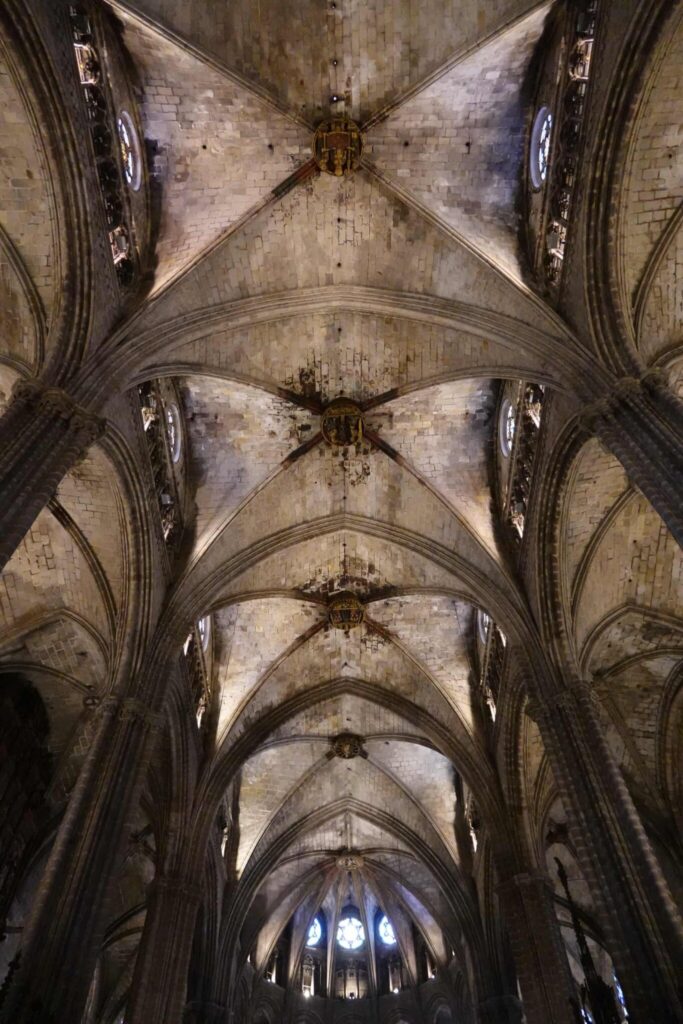
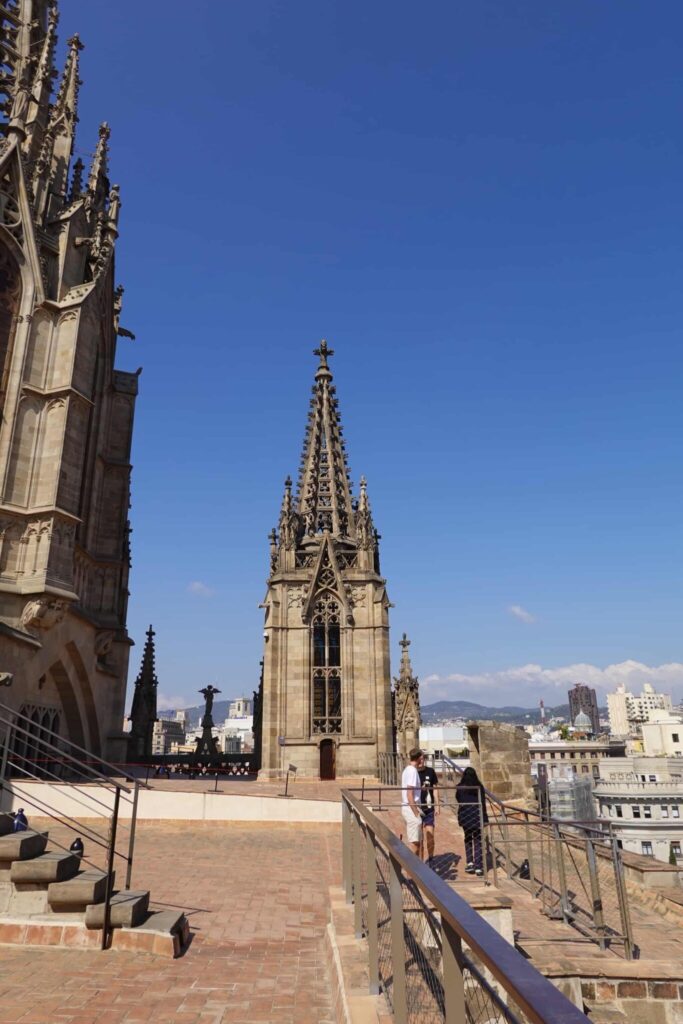
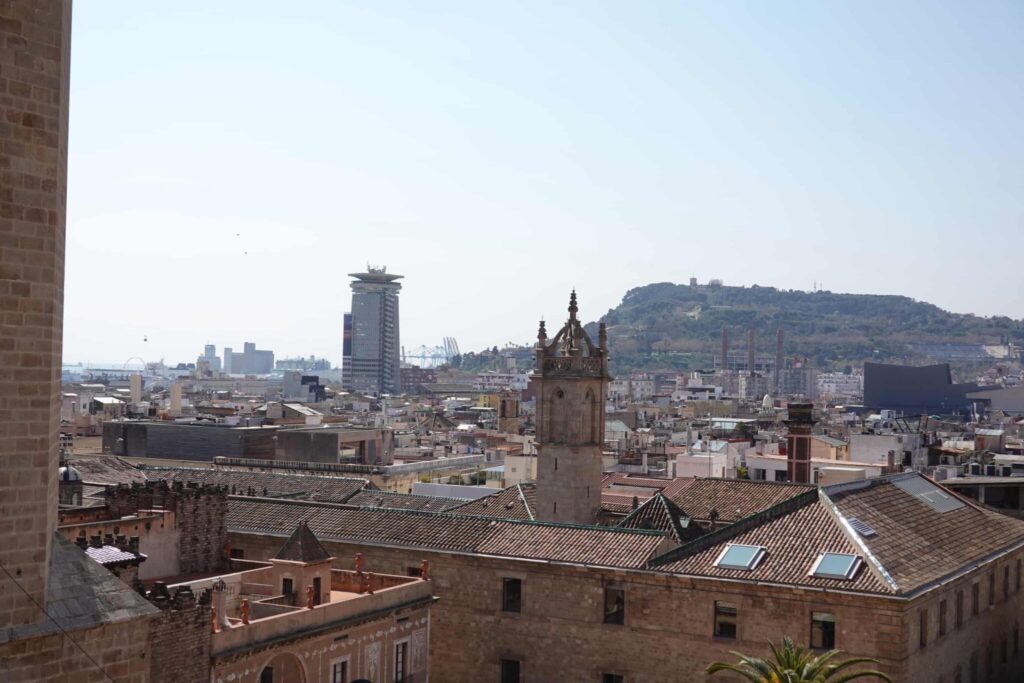
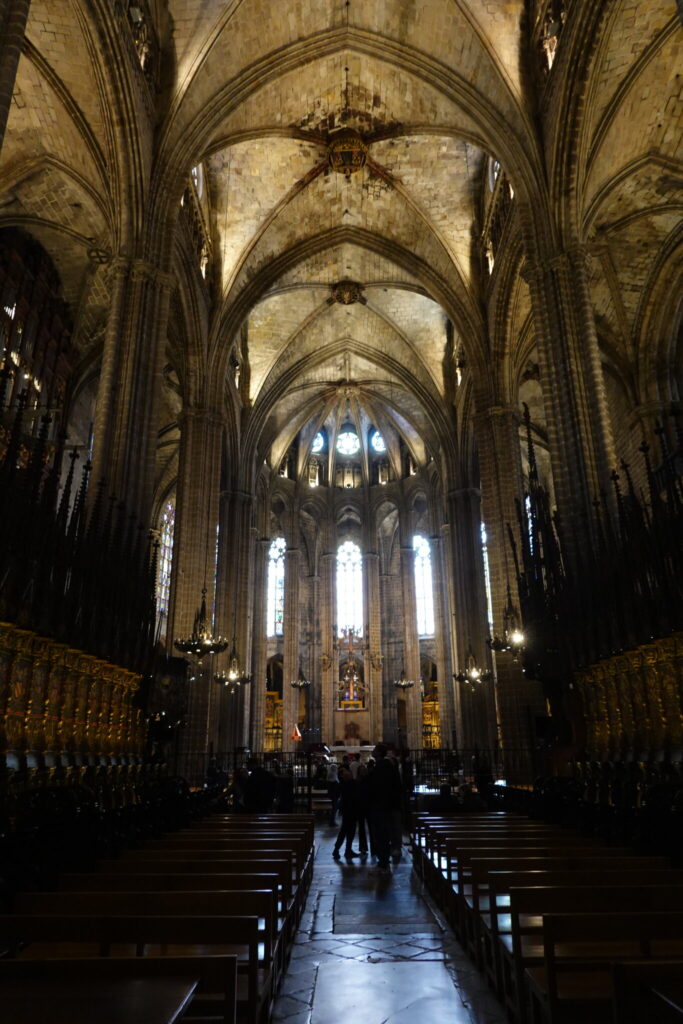
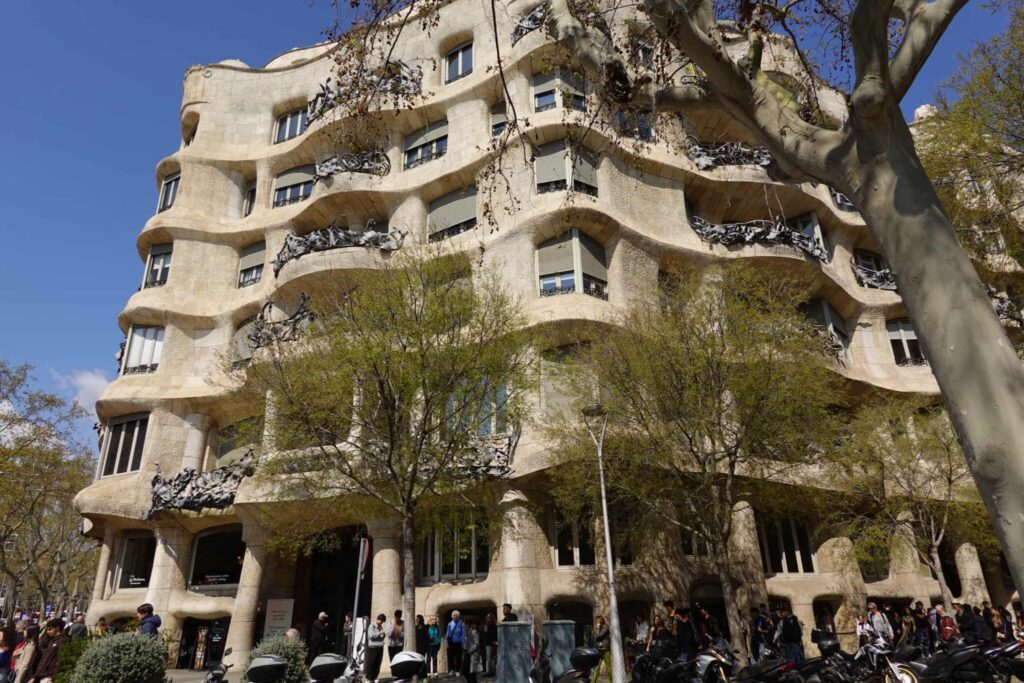
Next up: more cathedral-ing. We headed toward La Sagrada Família, passing La Pedrera along the way—another one of Gaudí’s “why build straight lines when you can build waves” masterpieces.
At La Sagrada Familila we did have a brief moment of panic when we couldn’t find our very responsibly purchased tickets. Thankfully, a very kind young man stepped in to help, instantly becoming one of our favorite people in Spain.
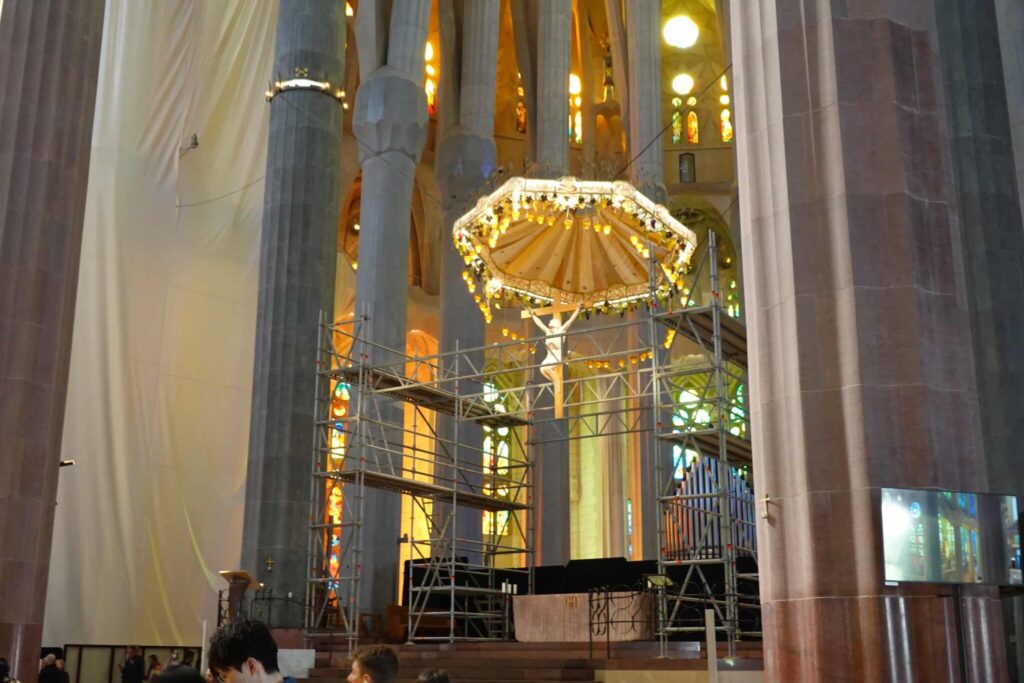
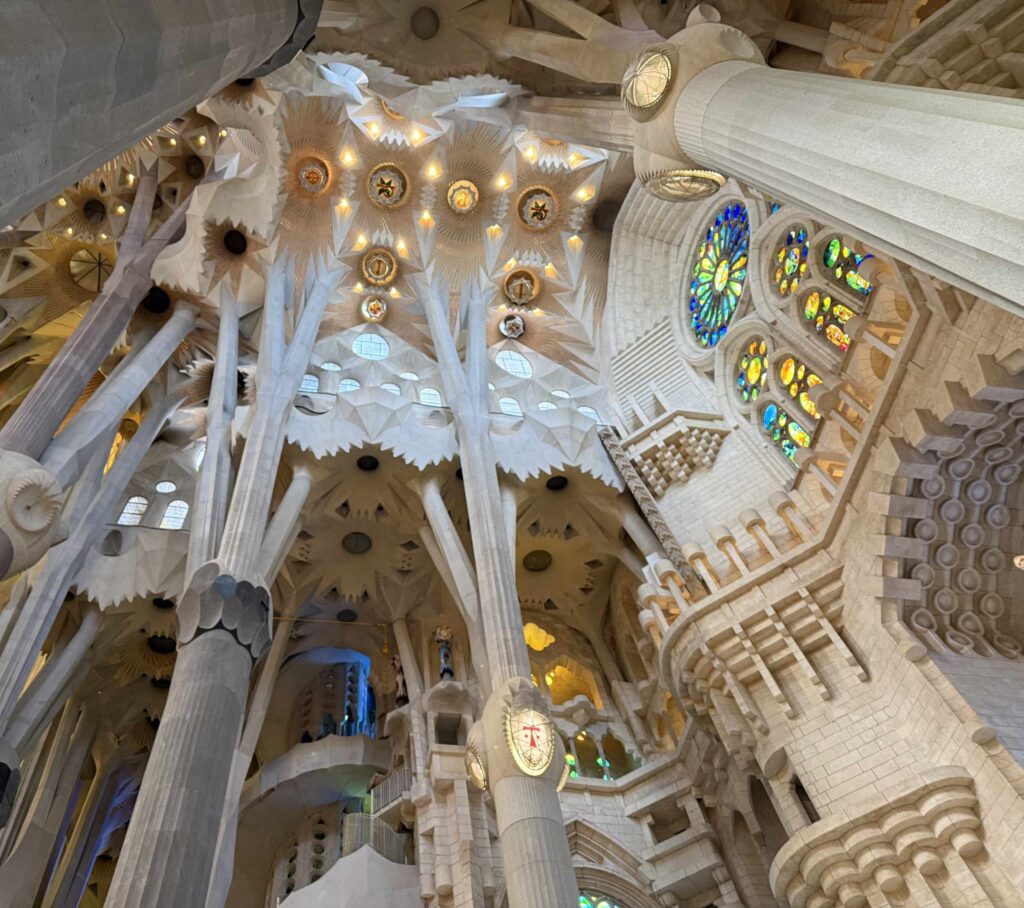
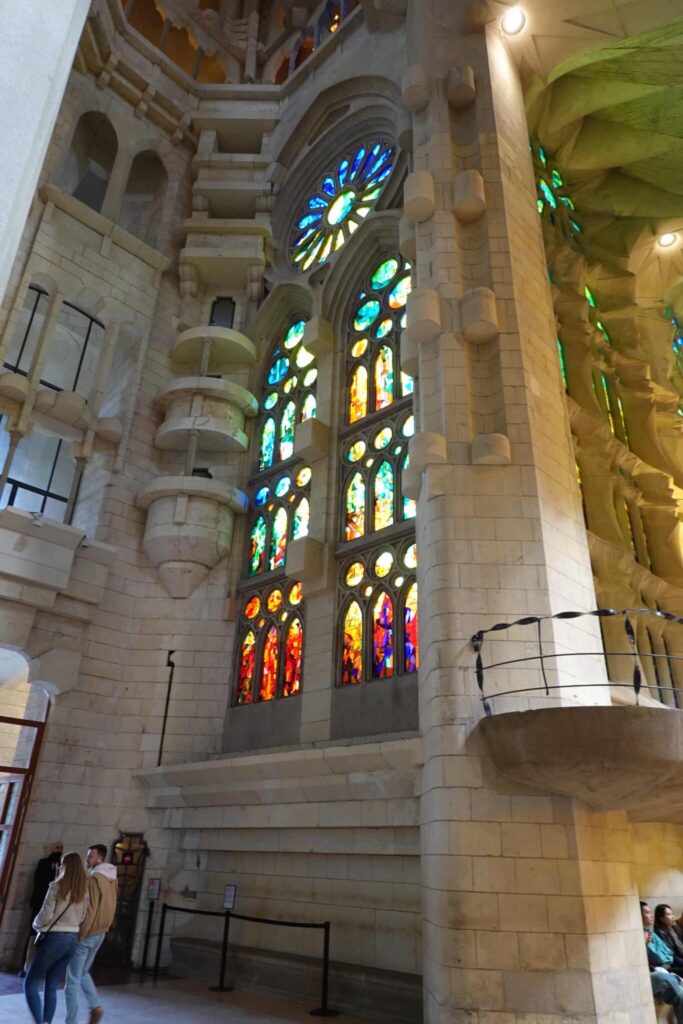
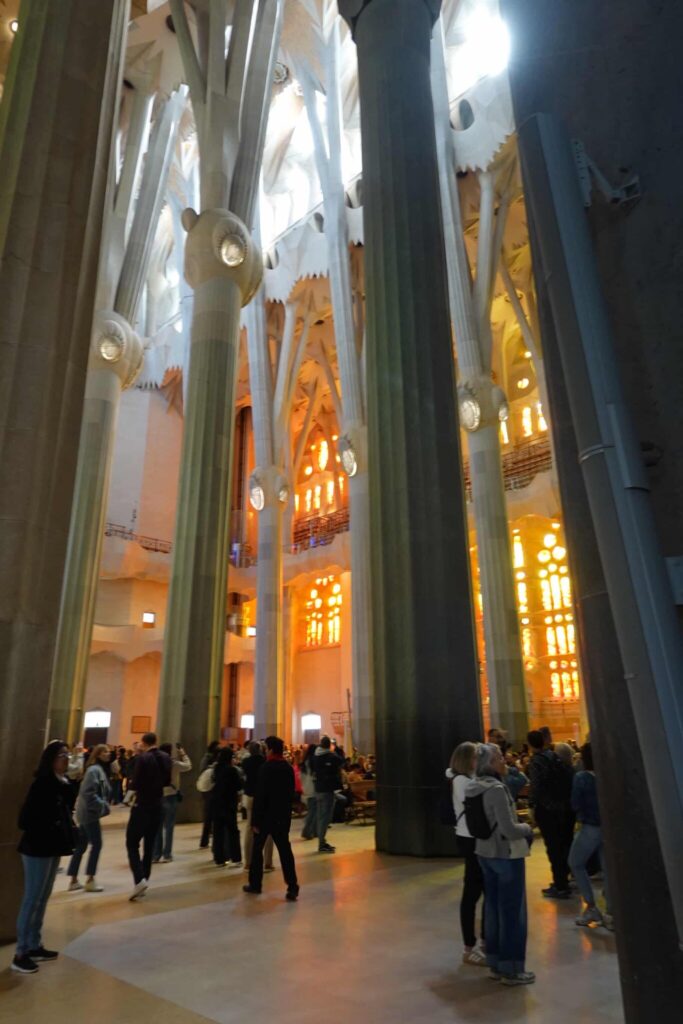
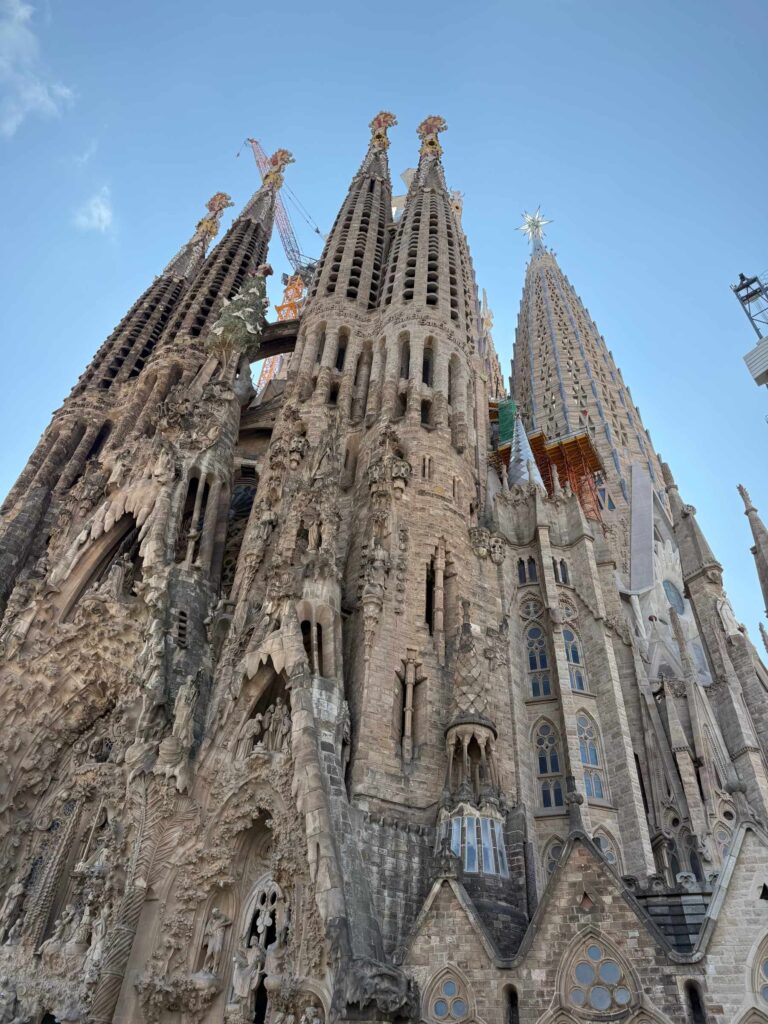
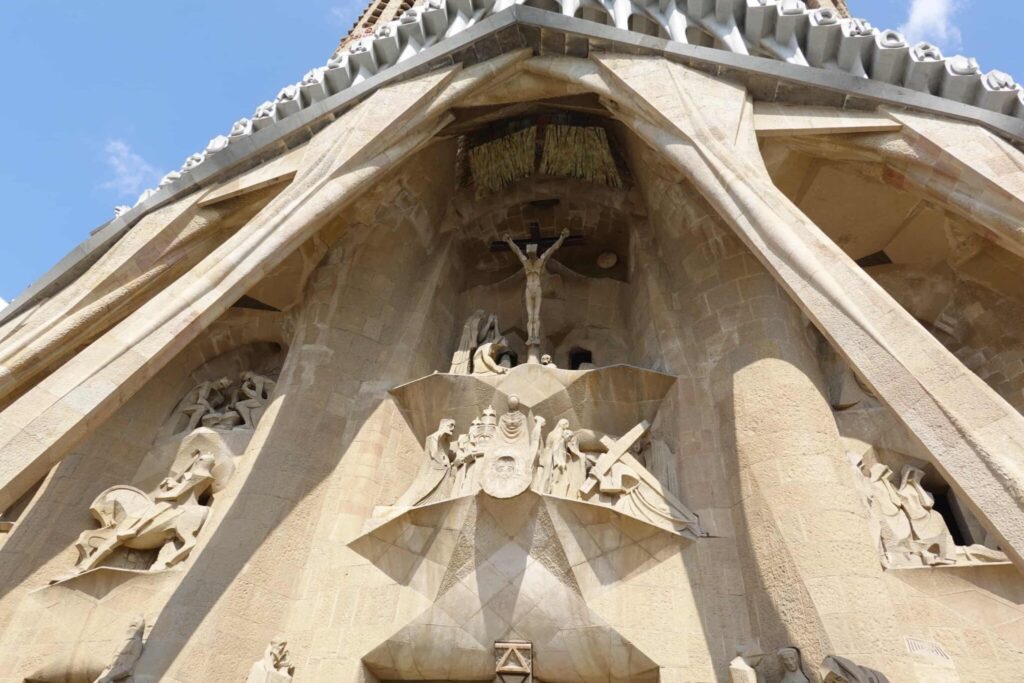
And then we walked inside… and it’s one of those places that actually makes you stop talking for a minute. Construction started in 1882 and is still going.
Gaudí, who took over the project in 1883, knew he wouldn’t live to see it finished and reportedly said, “My client is not in a hurry.” Honestly, fair. He left behind many drawings and models for future architects to follow.
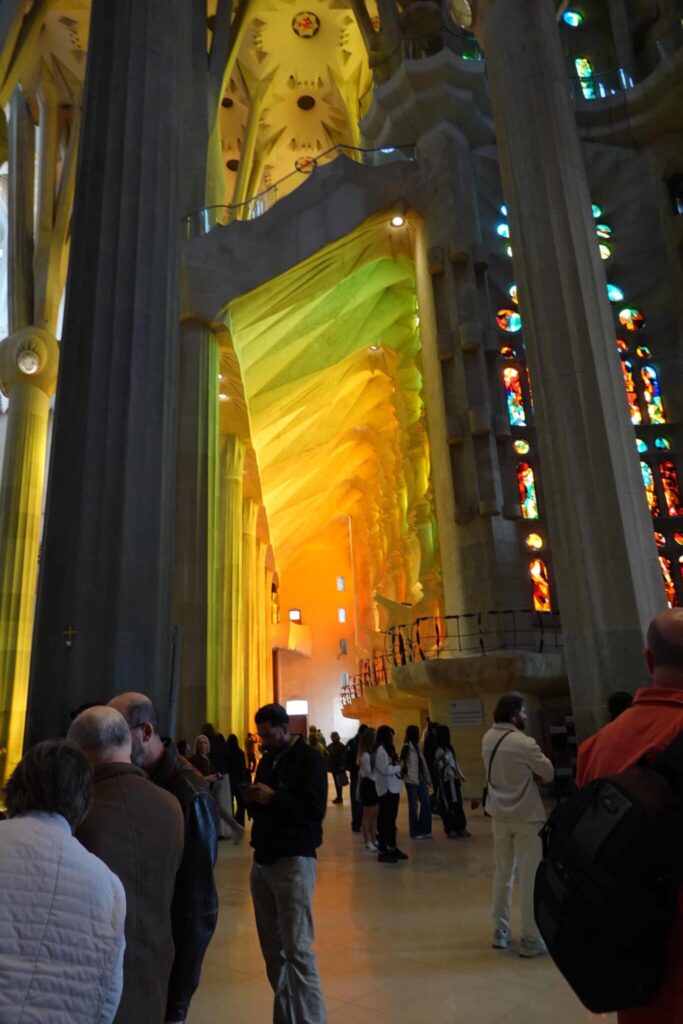
The whole place is filled with symbolism—the towers represent biblical figures, and the design is meant to feel like a forest, with columns branching like trees. One of my favorite details: the tallest tower (for Jesus) is intentionally just slightly shorter than the nearby mountain, because Gaudí believed nothing man-made should surpass God’s creations. Subtle, but also kind of brilliant.
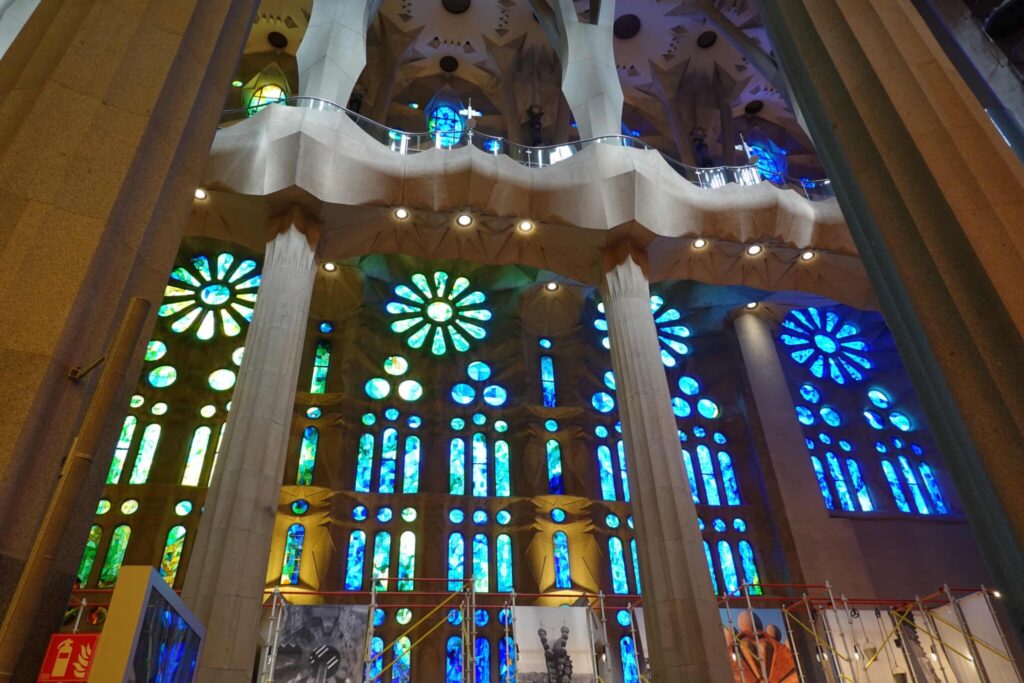
The stained glass windows are absolutely breathtaking—and also completely unwilling to be photographed properly. So just imagine something spectacular and glowing, and that’s about right.
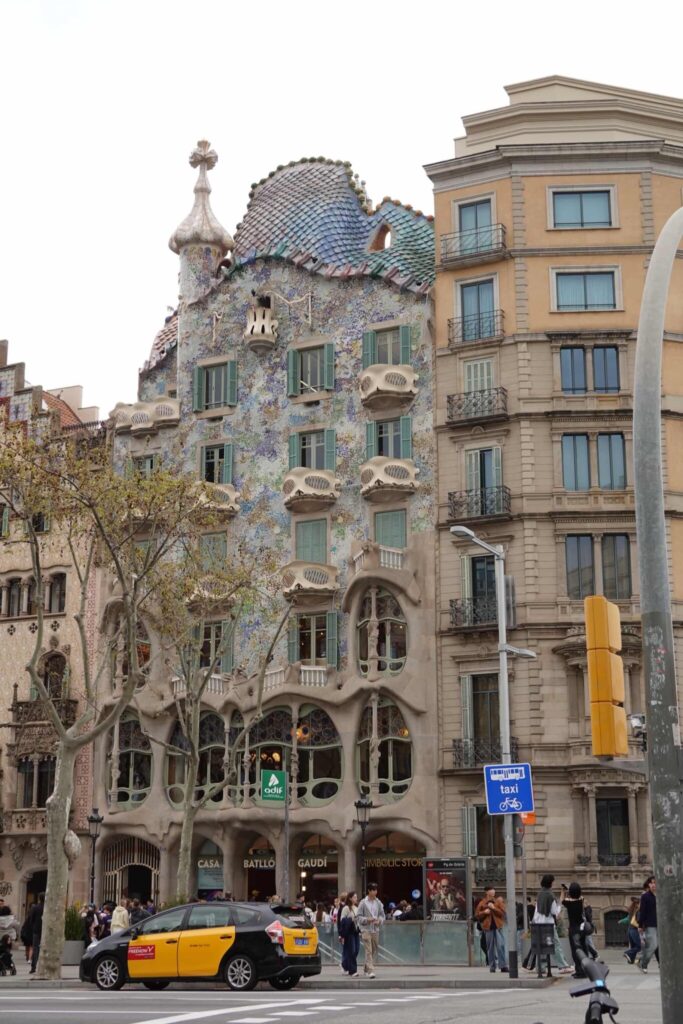
After all that, we walked back to the hotel and passed another Gaudi house called Casa Batlló.
Back at the hotel had a very well-earned glass of cava on the rooftop bar (hydration is important). The bartender recommended a great local spot for Catalan food, so we made a reservation. Our dinner was good but not as good as last night.