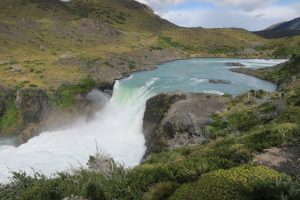
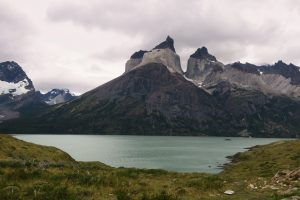
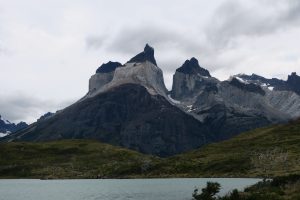
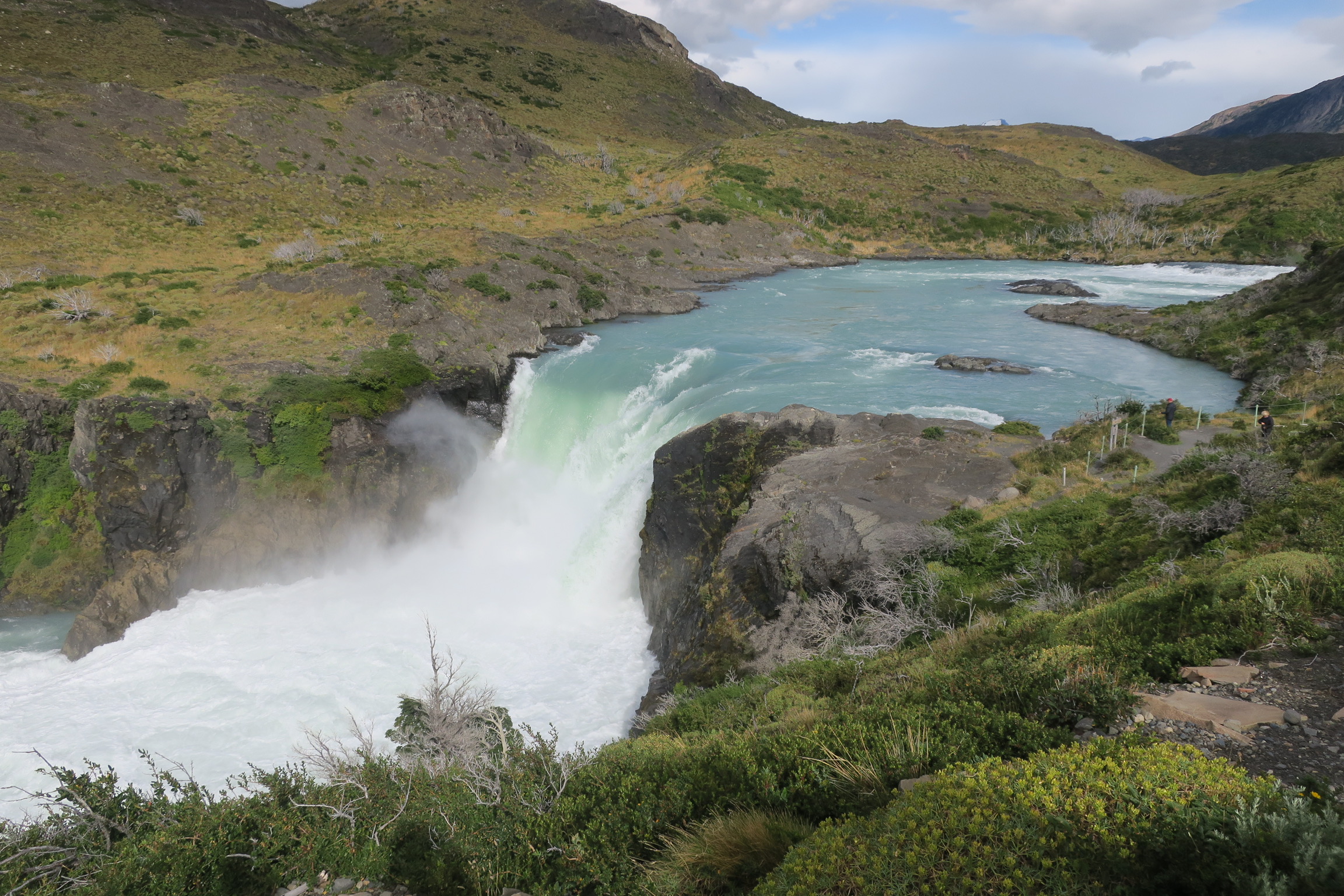
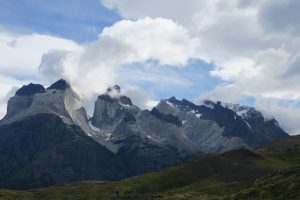
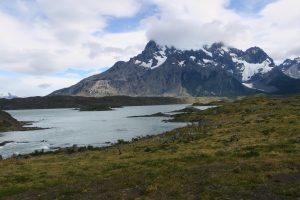
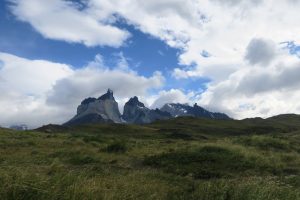
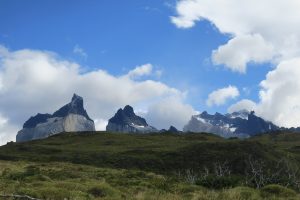
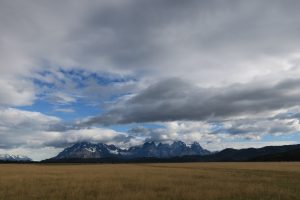
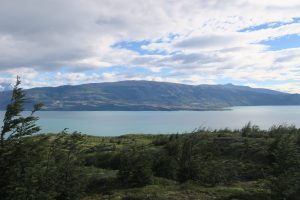
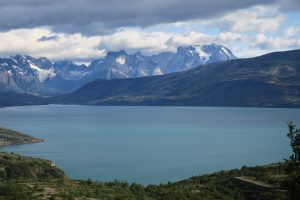
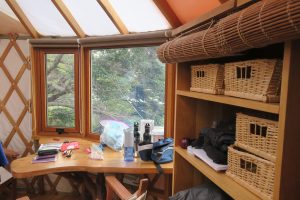
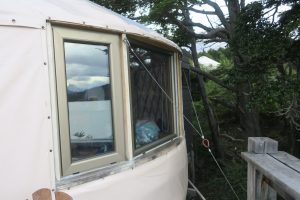
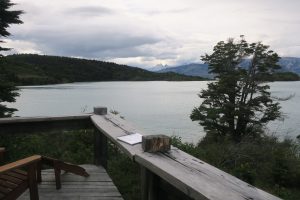
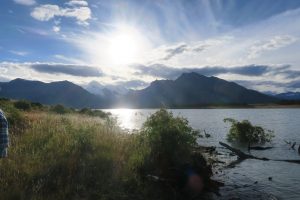
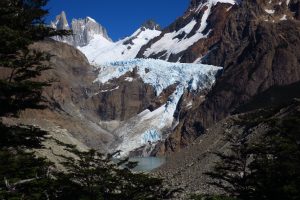
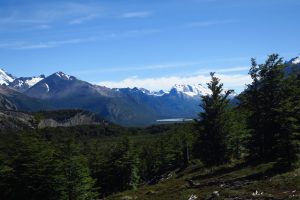
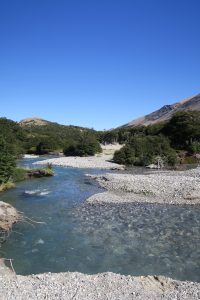
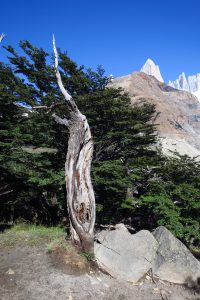
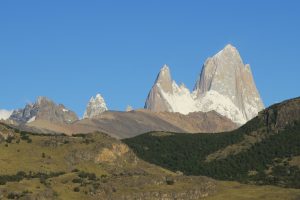
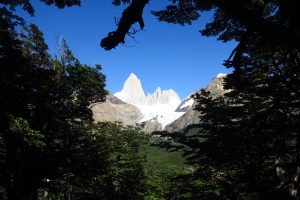
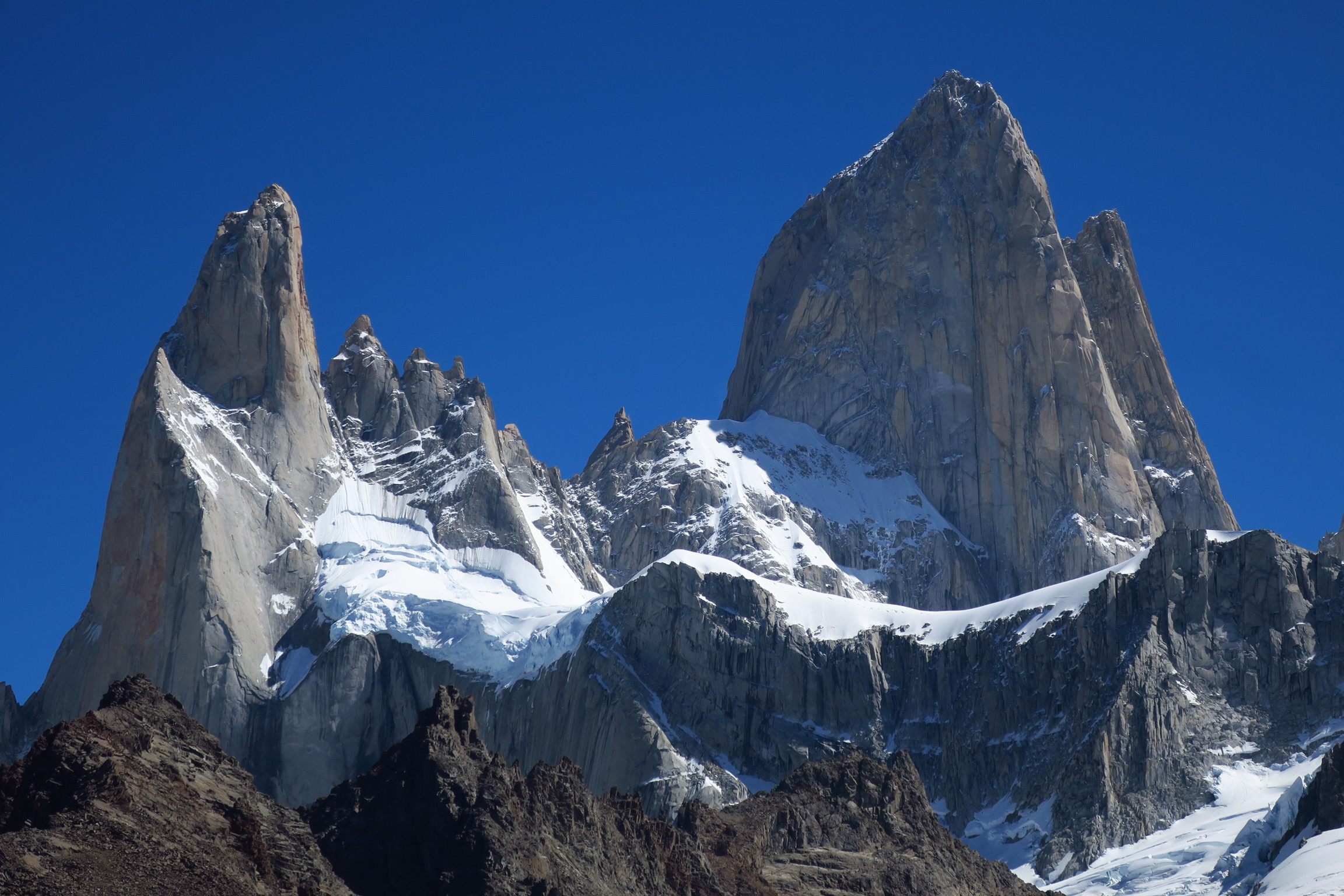
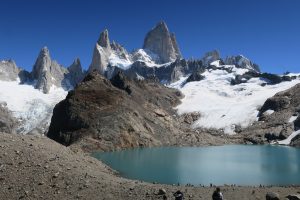
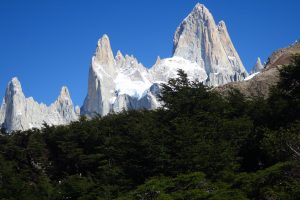
Here are pictures from our yurt window of the sun rising on the towers.
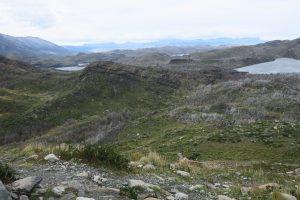
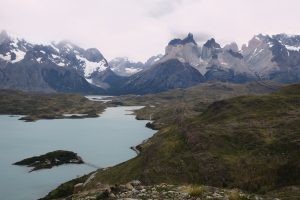
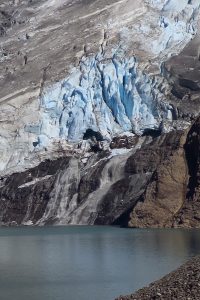
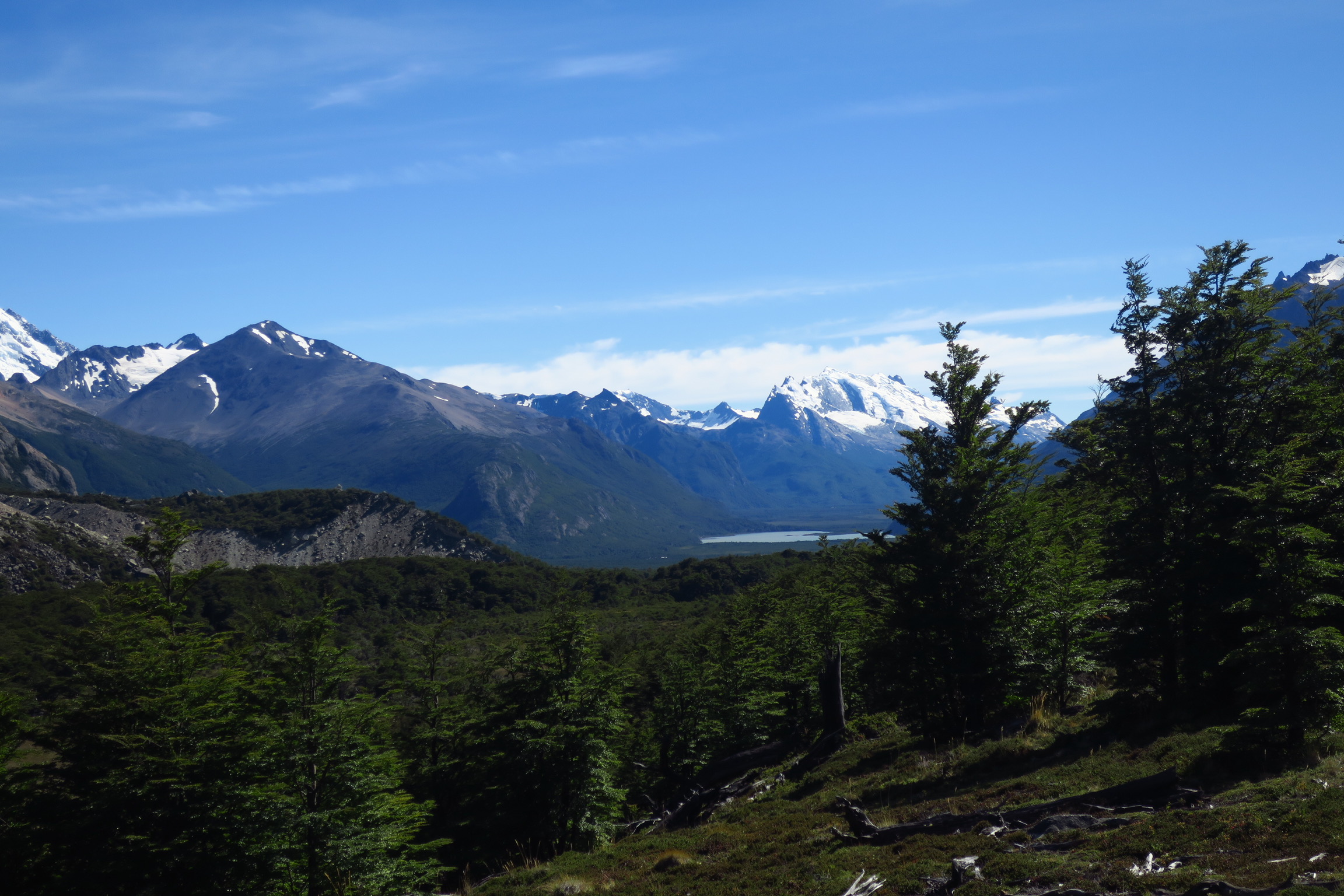
Our excursions today are the mirador and condor walks. The first hike was considered easy and the second was medium. Here are some pictures from the first hike.
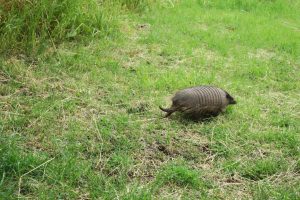
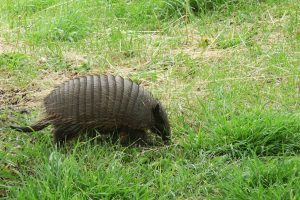
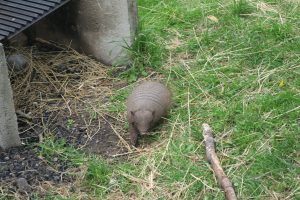
After the first hike we went to a picnic area for lunch. We had selected our lunch at the briefing the previous night. At the lunch site there was an armadillo who was very cute. Here are pictures
The second hike was steeper than the first but not too bad. We saw a couple of condors while hiking. Here are pictures from the second walk.
We returned to the hotel and had a drink with Jim and Chris. The hotel had a lamb tasting before dinner. Similar to the lamb roasted at the ranch, they seem to rub salt on the meat before they grill it so it’s too salty in my opinion. We also had dinner with Jim and Chris. It was a great day.
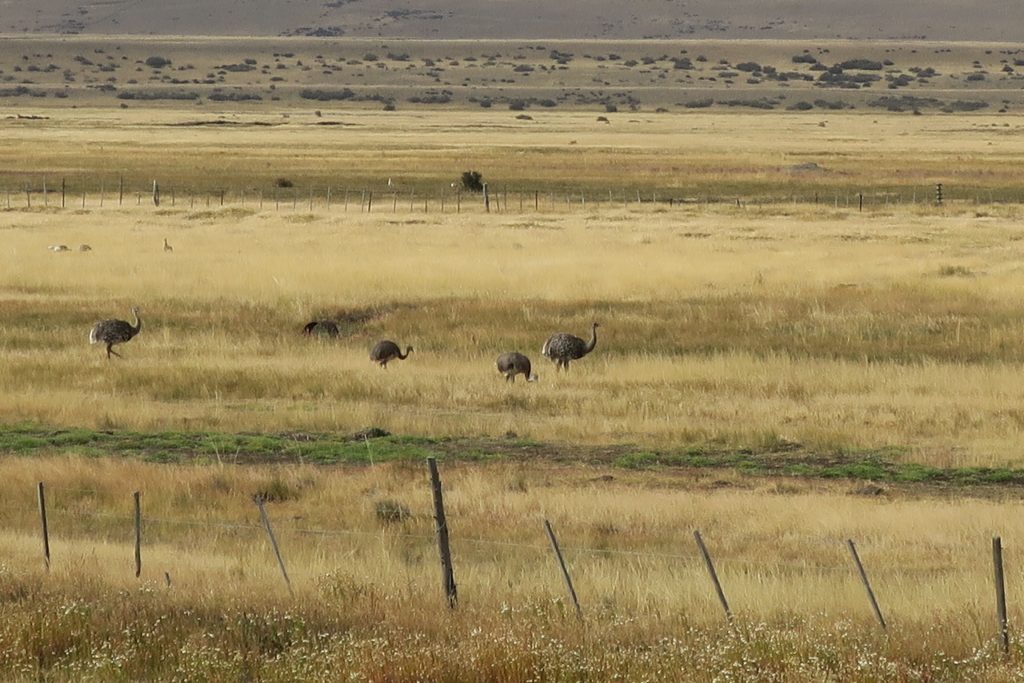
Today is a travel day. We are headed to Patagonia Camp in Torres Del Paine. We met another couple, Jim and Chris, at our hotel that are also headed to Patagonia Camp. They left at 8 while our car was scheduled for 9. We had a very nice driver and a very nice car. It took about 3 hours. We saw lots of guanacos and rhea on the way. I didn’t get a picture of the guanacos but here’s a picture of the rhea
We had to show our passports at the Argentinian border and then again at the Chilean border. We had heard horror stories that it took 4 hours at the Chilean border so we were glad it only took us about 45 minutes.
After we cleared the border who did we meet but Jim and Chris. We were all transferred to a Patagonia Camp van. None of us could figure out why they left an hour before us. We drove about another hour and a half to the camp. Much of road was rough and unpaved.
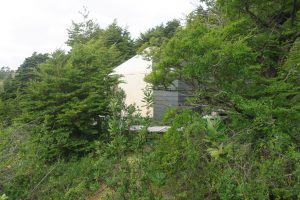
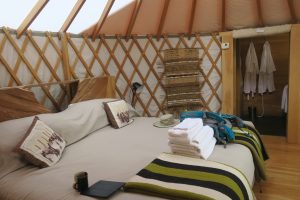
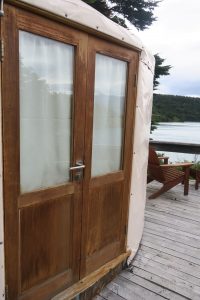
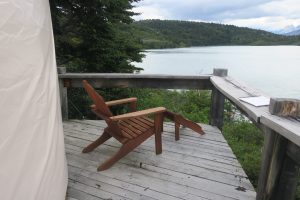
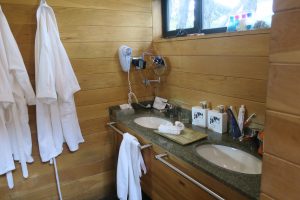
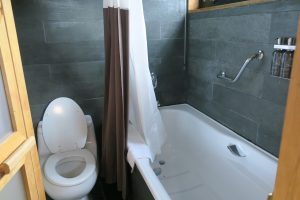
We had lunch and then were ushered to our yurt. The view from our yurt is fantastic. Here are pictures of our yurt.
That evening there was a briefing about the excursions for the next day. We had dinner after selecting our excursion.
We were up early to catch the 7:30 bus back to El Calafate. We just had to walk across the street to the bus station so it was very easy. The bus was large and very comfortable. We stopped at the same rest stop and arrived at El Calafate bus station at about 10:30. From there we took a taxi to the hotel. I always feel quite accomplished when I successfully take local transportation.
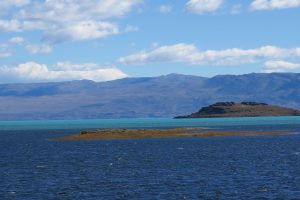
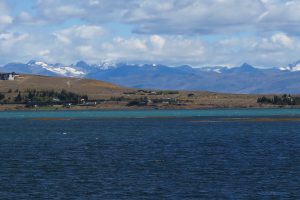
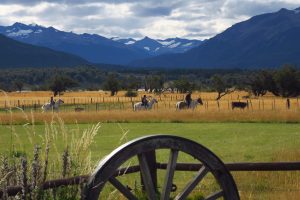
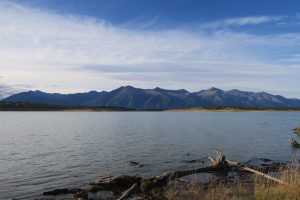
The hotel proprietor took us about things to do in El Calafate. We did not go to the famous glacier called Perito Moreno because we thought we had seen enough glaciers. In hindsight that was probably a mistake because we saw others’ pictures and it looked amazing. Oh well! We walked down to the lake. Here are pictures of the lake.
Then we walked downtown and had a really great lunch at a little place called Vivre la Pepo recommended by the hotel. We took a leisurely walk around town which was very cute. Rick got a couple of t shirts.
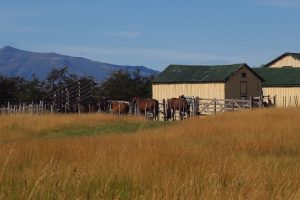
We need to be back at the hotel in order to be picked up for our dinner trip to the ranch, Nibepo Aike. We wanted to do this to see some of the local culture. We were picked up by a taxi that was in rough shape. It needed a muffler, had a cracked windshield, and had rugs in the backseat doors to keep them sealed. It took about an hour to get out to the Estancia and over an unpaved, rocky and dusty road. Located in the Los Glaciares National Park, the estancia was beautiful.
The farm was established before the park was created. However since they are inside the park, the park authorities limited the number of animals they can have on the estancia. Today most of their revenue comes from tourism. They offer two tours/meals every day and they run a small bed and breakfast on the estancia.
Once the rest of the people had arrived we took a walk down to the southern arm of the lake, Lago Argentina. It was extra high because the glacier is blocking the water. Here are some pictures.
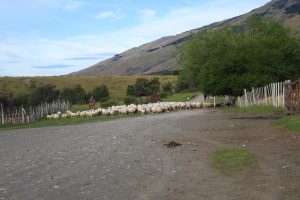
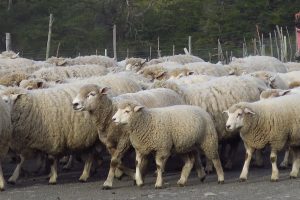
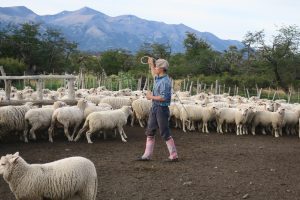
After the walk they herded the sheep into the corral to protect them at night from the pumas.
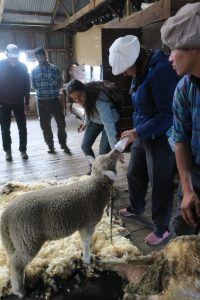
Then they caught one sheep and gave a sheep shearing demonstration.
Additionally there was a lamb whose mom was killed by a puma so we bottle fed her.
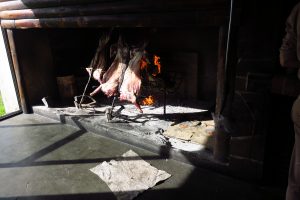
We returned to the dining room for lamb. Here are pictures of the lamb cooking.
It was delicious. After dinner we returned to our hotel via the bad roads and broken taxi. It was a fabulous evening.
We are hurting from our long walk yesterday so we took it easy. We slept in and after breakfast we walked through town along the main street. We bought a map of the park.
Then we went for a short hike to a condor viewing area. It was very, very windy and a couple of times I thought I was going to be blown off the trail. Rick estimates we were having 60 mile an hour gusts. We got up to the top and saw no condors, even though several people have told us that they saw lots of them yesterday. Here are some pictures from the top.
We came back down, stopped at the hotel to change our shoes and then went out to lunch. After lunch we came back to the hotel to work on the blog but the internet is actually worse than the internet was on the ship so we will have to wait to upload all of our entries.
While we were hangIng around the hotel we saw several condors, flying along the cliff face outside our hotel.
That night neither of us was very hungry so Rick went to the bakery and got sandwiches. We packed up because we need to leave El Chalten early tomorrow morning.
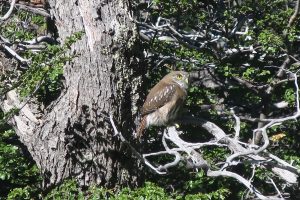
We were up early because we had booked a bus to take us to the trail head at El Pillar, 17 km north of El Chalten. Before the bus picked us up, we walked to the local bakery and got sandwiches and water for lunch. While on the bus we panicked because we didn’t have a map. We went in to a hotel near where we were dropped off and they had a map that we took a picture of. We walked for the morning and stopped often to take pictures of many beautiful views, including views of mt. Fitz Roy and glaciers. It was a beautiful day, blue skies, no clouds, no winds, and no rain. Around noon we arrived at the split up to Laguna de Los Tres. This is where the climbing got more difficult. It reminded us of our walk in the Himalayas from Phakdink to Namache. We went up 400m in 1km. It was worth it because the view of the glacier lake at the top was beautiful. Then we had a walk back down which was difficult to say the least. Everyone was passing us because we went quite slow. Then we had a long walk back to El Chalten. Luckily the terrain was gentle. We saw an pygmy owl on the way back.
Otherwise we saw no wildlife, including birds.
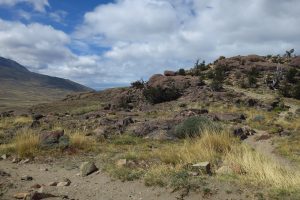
Here are pictures from our walk.
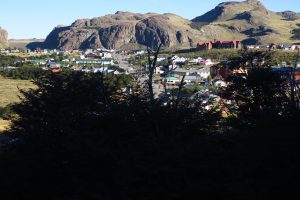
This is a picture of El Chalten as we walked back into town.
We didn’t get back until 7:00 that evening. We were SO tired. We stopped at the pizza restaurant, had a little dinner, hobbled back to our hotel, and collapsed into bed. We walked 39,067 STEPS, 15.13 MILES. Yikes!
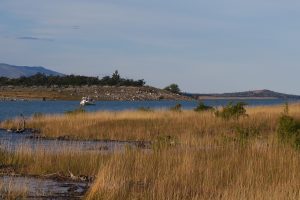
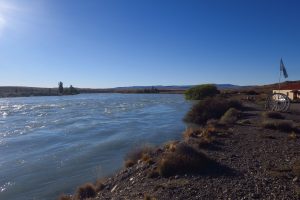
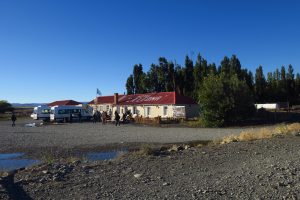
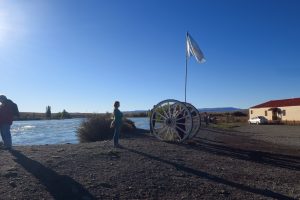
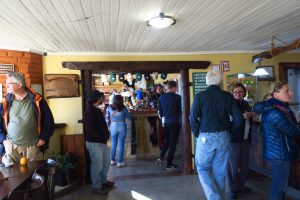
We were up early to finish packing. We were loaded onto a bus to go to the airport. We flew from Ushuaia to El Calafate. Once in El Calafate we got on a bus for El Chalten. All very easy. El Calafate is on the south end of the Parque Nacional Los Glaciares and El Chalten is on the north side of the park. It was a three hour bus ride from El Calafate to El Chalten with a 10 minute stop at an Argentinian rest stop. There are pictures of the rest stop.
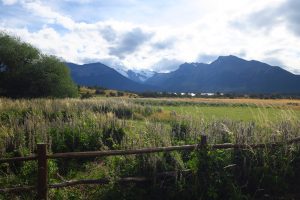
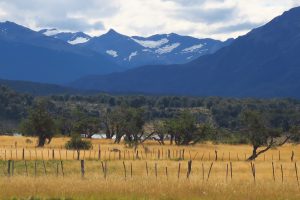
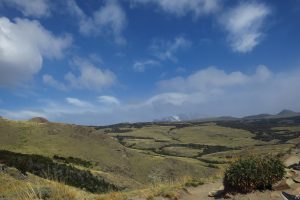
The landscape was really barren. Lots of scrub grass and small bushes. It almost looked like a desert but there would be a glacier river running beside it. We could feel the wind blowing the van.
We were dropped at our hotel which is very nice. By now it was about 4:30.
We got settled in our room and then headed out to explore the town. It was raining, very windy, and overcast. There were not a lot of people out and about. El Chalten is quite small. We stopped at a restuarant and Rick had a beer, a locally brewed red ale, and I had a Diet Coke. That evening we went to a great restaurant called La Tapera. We both had big Argentinian steak which was delicious.
As I mentioned in yesterday’s post, nobody slept well last night. This morning we continue to have large 6-8 meter swells, that’s higher than anything we have seen so far, and 45 kn of wind.
We had breakfast with Adam, the bird naturalist. He has been down here for about 15 seasons and has run diving programs on several trips (our trip does not have a diving program). He was telling us about a season in which he did four trips. On the first trip a 38 year old man with a heart condition died while diving, on the second trip a man fell down the stairs and fractured his skull (he didn’t die) and on the last trip someone committed suicide by jumping off the boat. Surprisingly Adam came back.
Again we had two talks in the morning
1. The history of Ushuaia and Tierra Del Fuego. I started out at the talk but had to leave to come back to our cabin and take a nap.
2. Our expedition leader, Hayley Shepard, attempted to kayak around S. Georgia to raise awareness for the albatross. She showed a documentary entitled Soul of the Sea about her trip. It was very moving and I recommend you try to watch it.
During the lectures the waves were up to the windows on the third deck. Just to give you a sense of how high that is, the portholes in the cabins on the second deck are above the water line.
In the afternoon the doctor on the ship gave a talk on how to live until you are 100. The basic message was be mindful and avoid stress. Then we had a meeting about disembarking. During the meeting we entered the beagle channel and a pilot came aboard to guide us to the dock.
That night there was a captain’s reception with champagne and a special dinner. It was bittersweet because we have made many friends on our trip.
We spent the night tied up to the dock. No more rocking and rolling.
We slept in at least a little bit this morning. The sea has flatten out quite a bit. We had two lectures before lunch:
1. Diving in sub zero waters-very interesting but no thank you for me
2. ICEolation- 4 years ago, our kayak guides, Sophie and Ewan, spent two weeks kayaking for 100 miles along the peninsula. They filmed their journey and it is being made into a film entitled ICEolation. Information about it can be found at ICEolationfilms.com.
And one lecture about the Antarctic climate after lunch.
In the evening, we played balderdash with the crew. They selected five scientific terms and then six of the staff gave definitions and we had to pick the right one. All of the staff have wonderful senses of humor so it was really quite funny.
We are going through the Drake passage so the seas were quite rough and everybody had trouble sleeping. You would roll across the bed with the seas. Also the boat would slap the water which would wake us up. Nobody had a good night sleep.
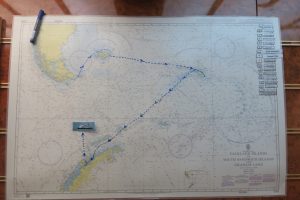
The ship moved overnight. We moved 61 kn in 11 hours so we were going very slowly to avoid hitting any ice. Our destination was Danco Island. Danco Island lies in the southern end of the Errera channel. It is relatively small, 1.6 km long, but quite high (180 m or 590 ft). The view from the top of the island is spectacular due to the heavily crevasses glaciers in the surrounding mountains. Beautiful rolled iceberg also tend of collect in this area of the channel. It is also home to 1,600 breeding pairs of gentoo penguins which breed quite high on the slopes.
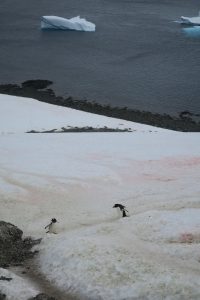
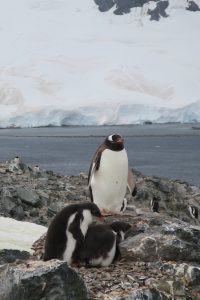
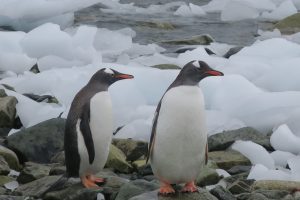
We were hoping to kayak but it was too windy. So we went ashore. There were lots of gentoo penguins. We could get a sense of the “penguin highways” that the penguins use to get to the water. We learned that penguins nest on land so the penguins who arrive at the island early to build their nest have to go quite high where the wind has blown the snow off the rock. This means they have to walk quite a way to get to the water to feed. Gentoo penguins lay two eggs so many of the penguins had two chicks. You can get quite close to them. They will start to walk away from you if they feel uncomfortable by your presence. Sometimes they are walking and will stop until you cross their path. While we were waiting for the zodiac there were three penguins who came ashore and just hung around for awhile because they felt like they had no where to go. Eventually they got back in the water and swam to another spot. Here are more penguin pictures.
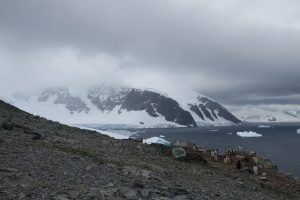
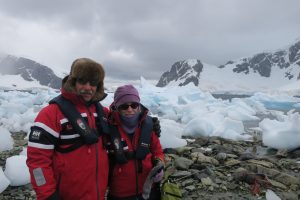
We walked up to the top of the island. It was about a 30 minute walk over rocks. The view from the top was pretty good, even though it was a little overcast. Here are some pictures.
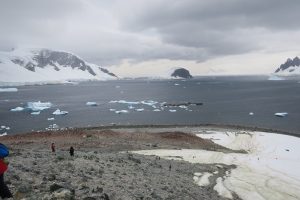
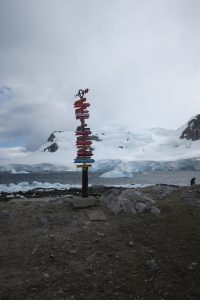
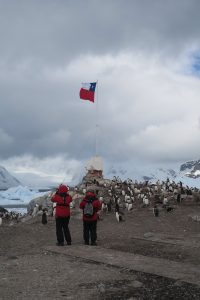
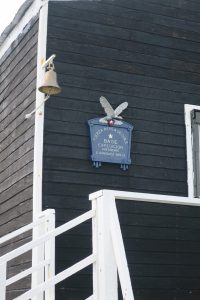
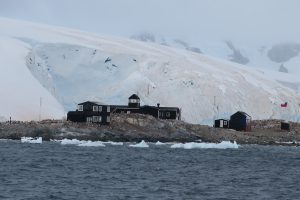
After lunch we went to Waterboat Point the location of a Chilean research station. I think we went there mostly because everyone wanted to actually stand on the continent. Thus far we had been on islands but not yet been on the continent. The research station has 11 Chilean military personnel and they do some meteorological and penguin research. There were loads of gentoo penguins there. Here are some pictures of the research station.
We were going to stop in paradise harbor or at least zodiac cruise but it was too windy so that was scrapped. At that point we had to start back for Ushuaia. The seas were pretty rough but Rick and I felt fine.
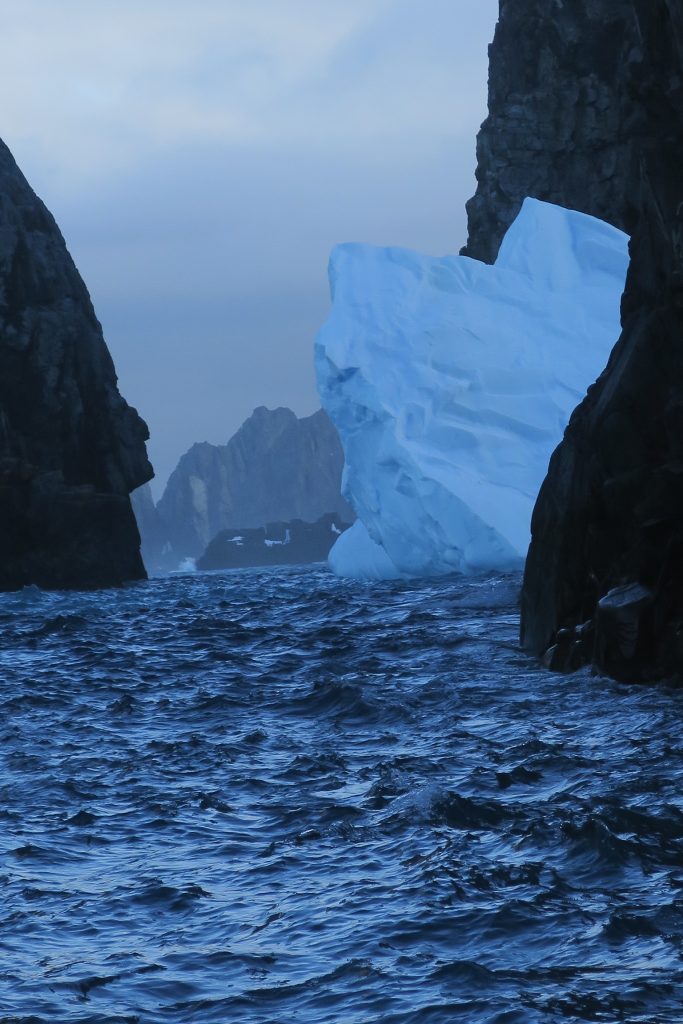
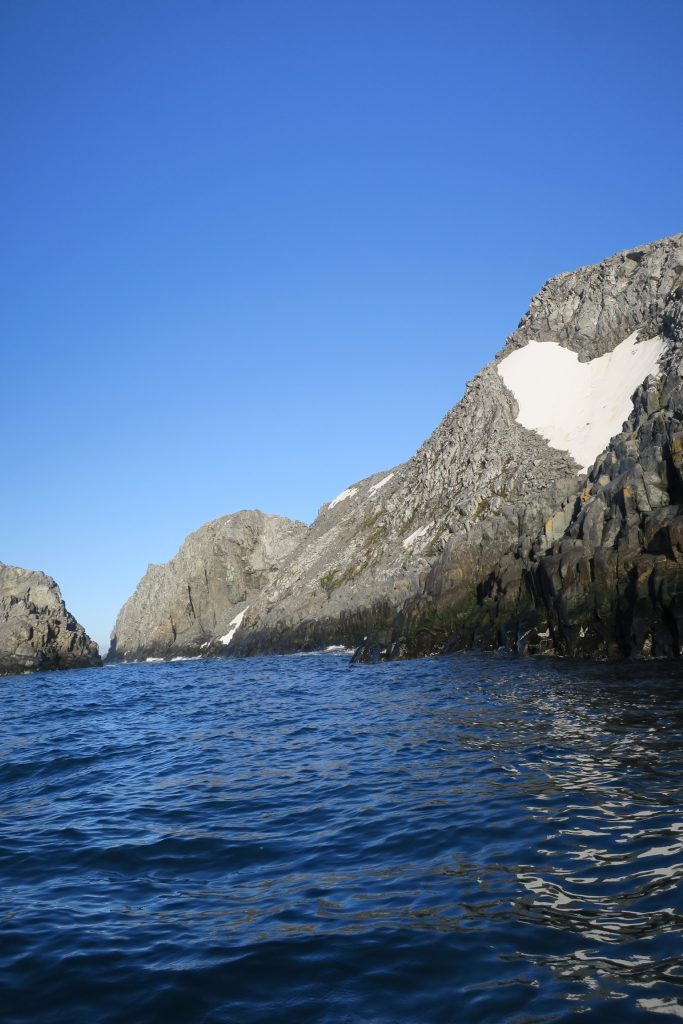
We had an early morning wake up, 5:00 am. We were going zodiac cruising along Spert Island, an Island lying off the western extremity of Trinity Island, in the Palmer Archipelago. It had many channels through the island. Interestedly there were icebergs that had gotten stuck in the channels.
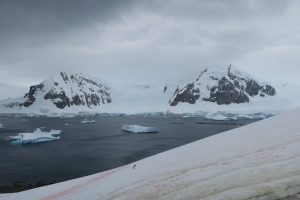
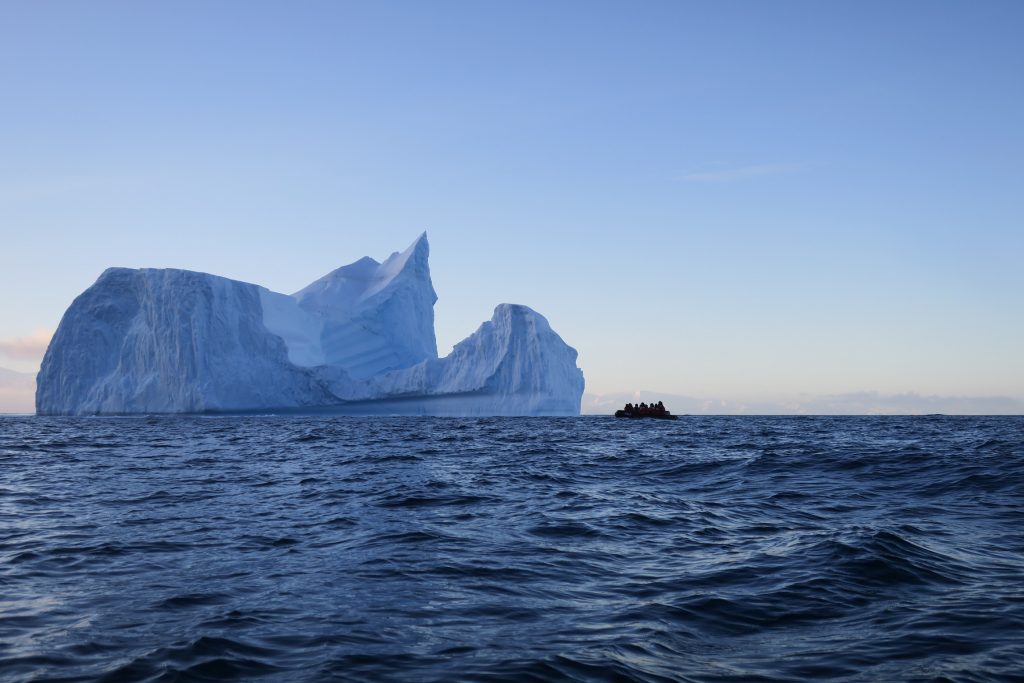
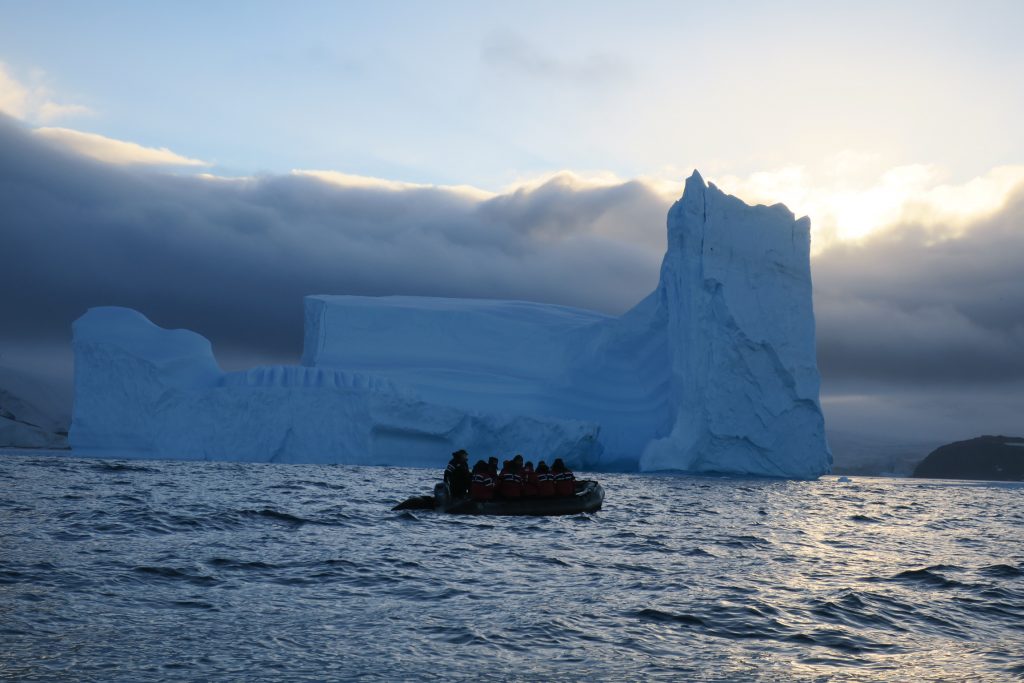
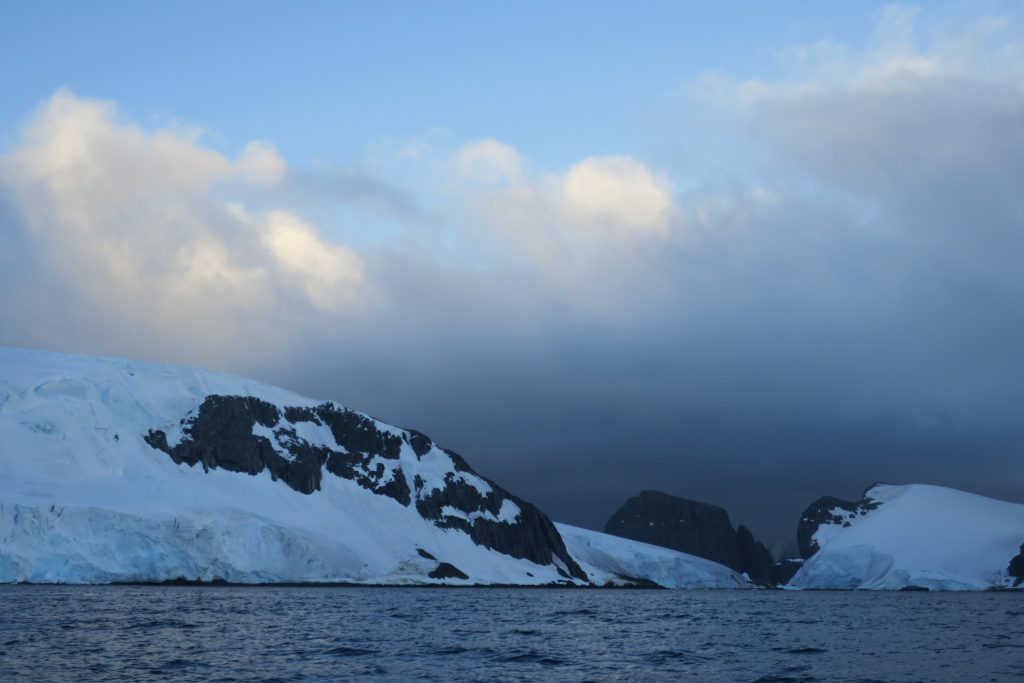
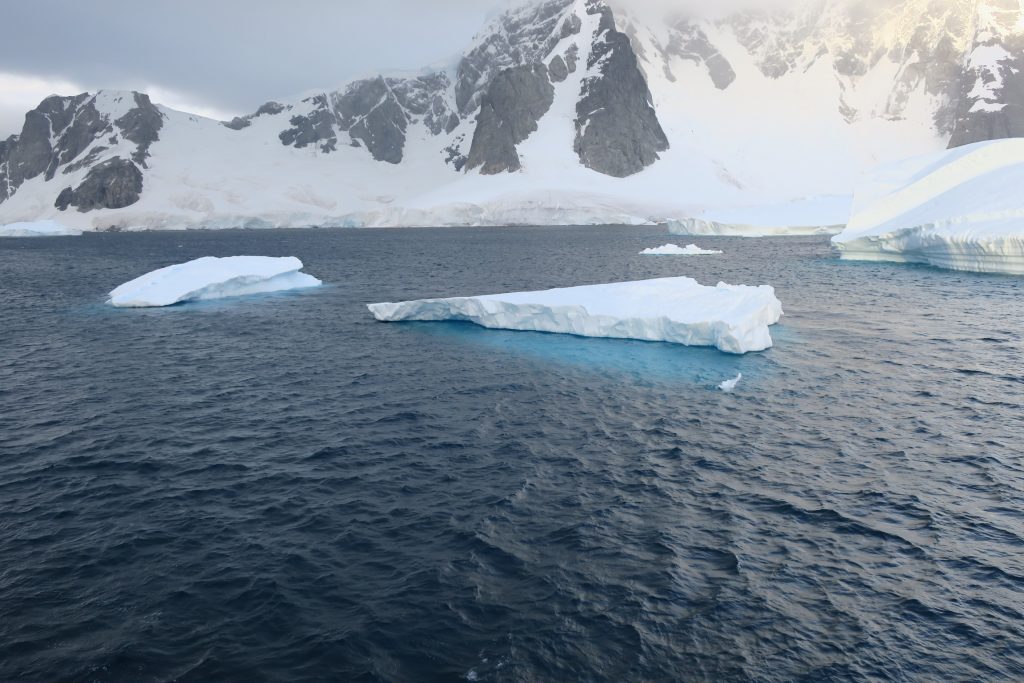
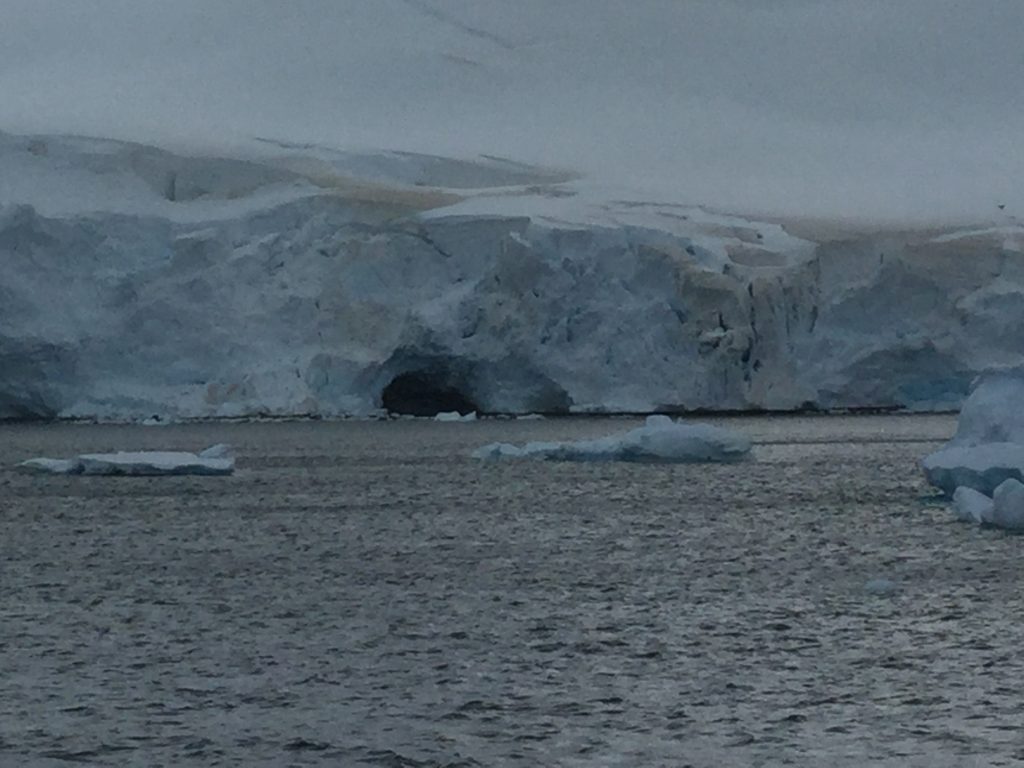
There was also a huge iceberg that was grounded and had evidence that it had rolled. Clearly it was not from the immediate shoreline because it was much taller than the glaciers on the island. Here are a couple of pictures of the island and icebergs.
Here’s a picture of the Antartica and our ship.
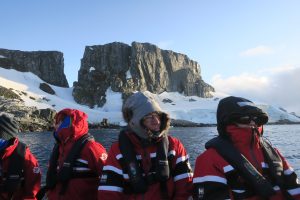
Here is a picture showing how bundled up everyone is on the zodiac.
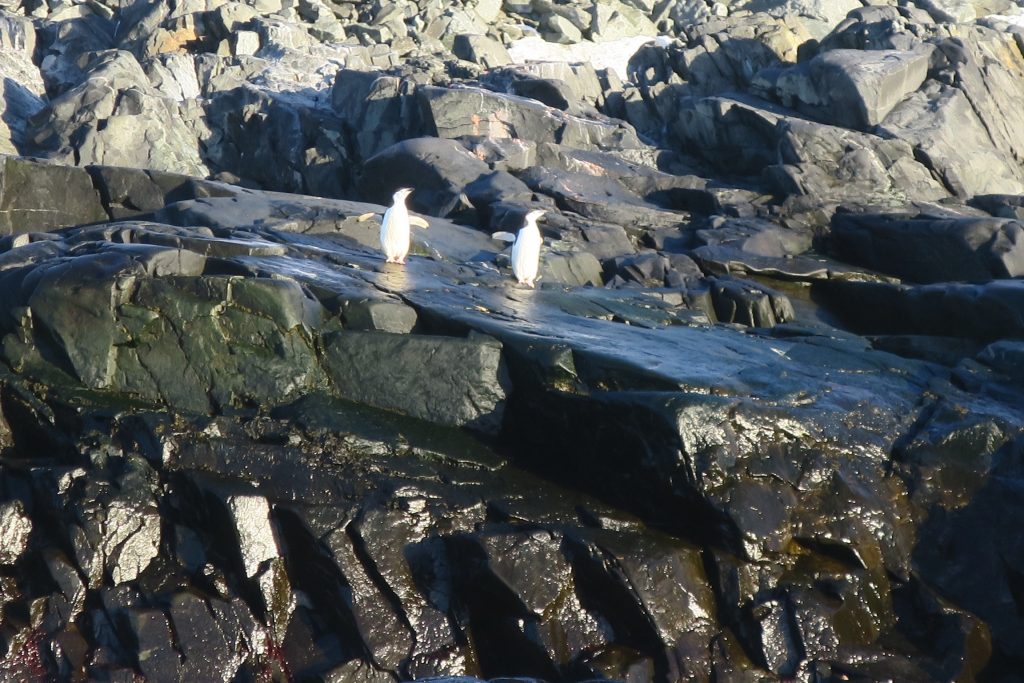
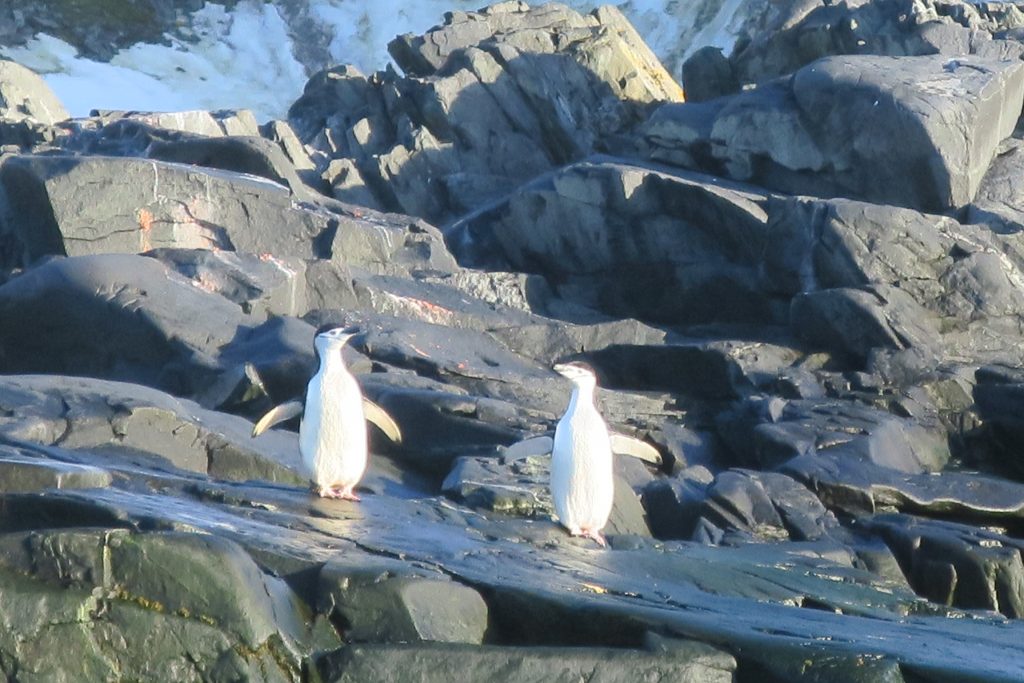
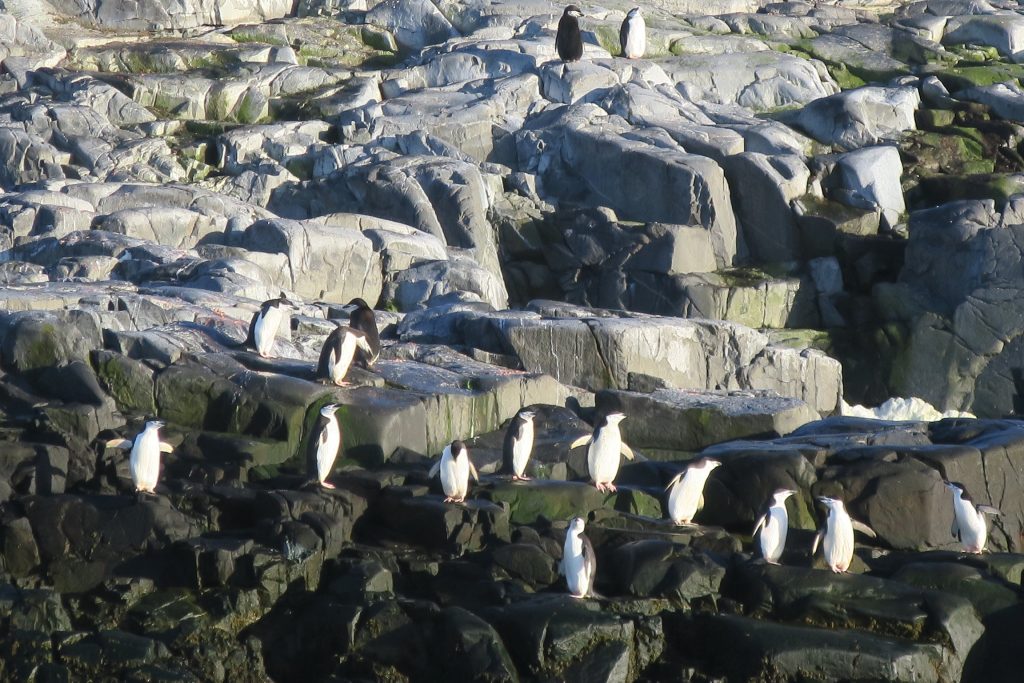
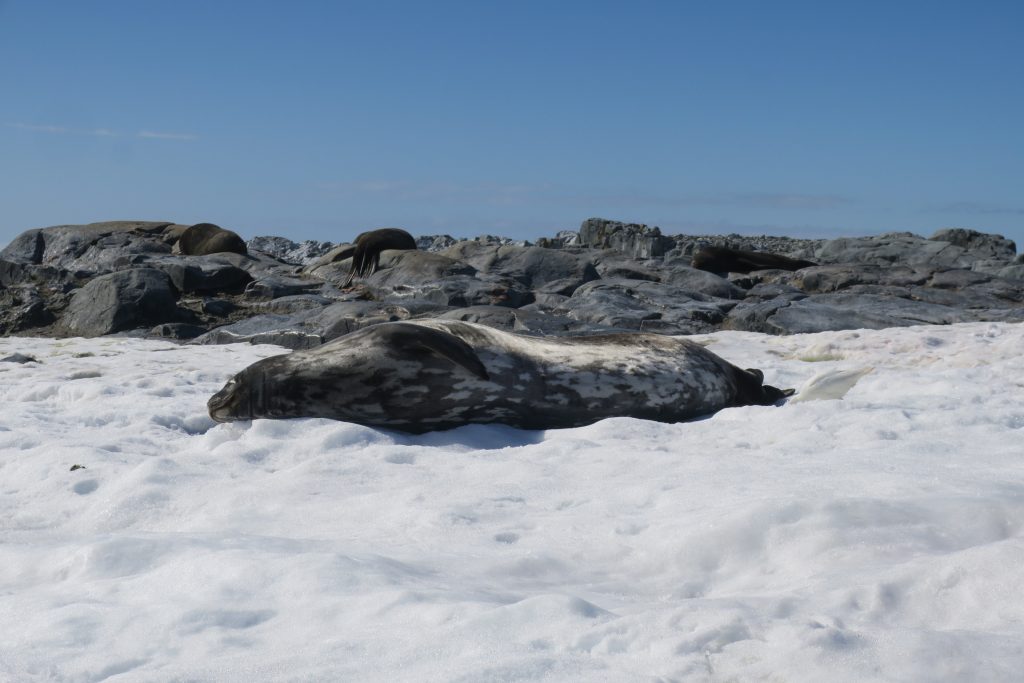
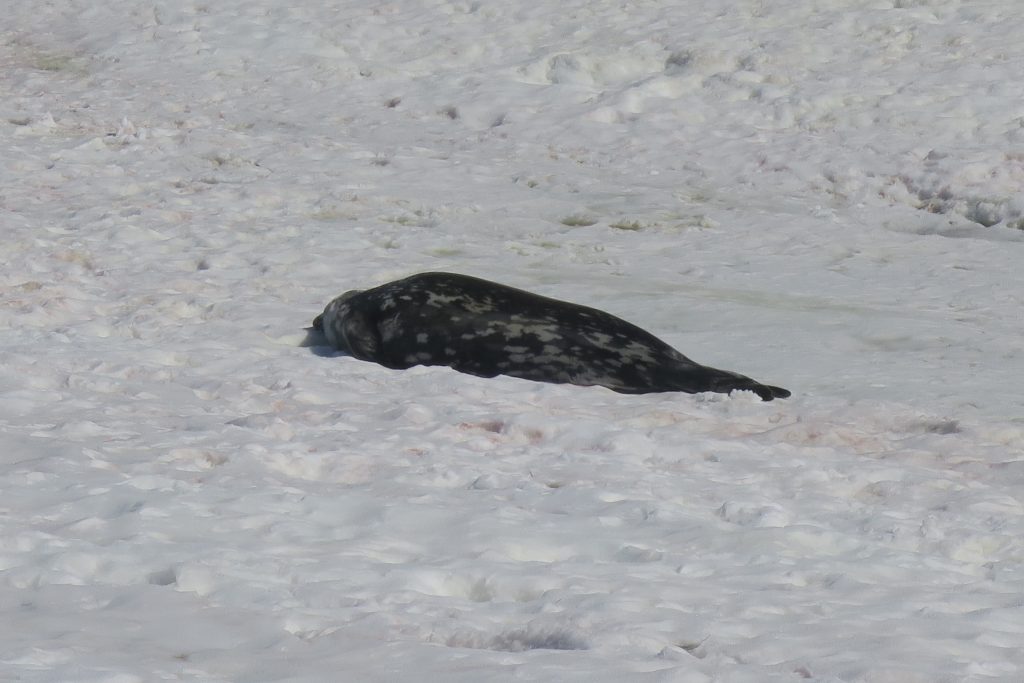
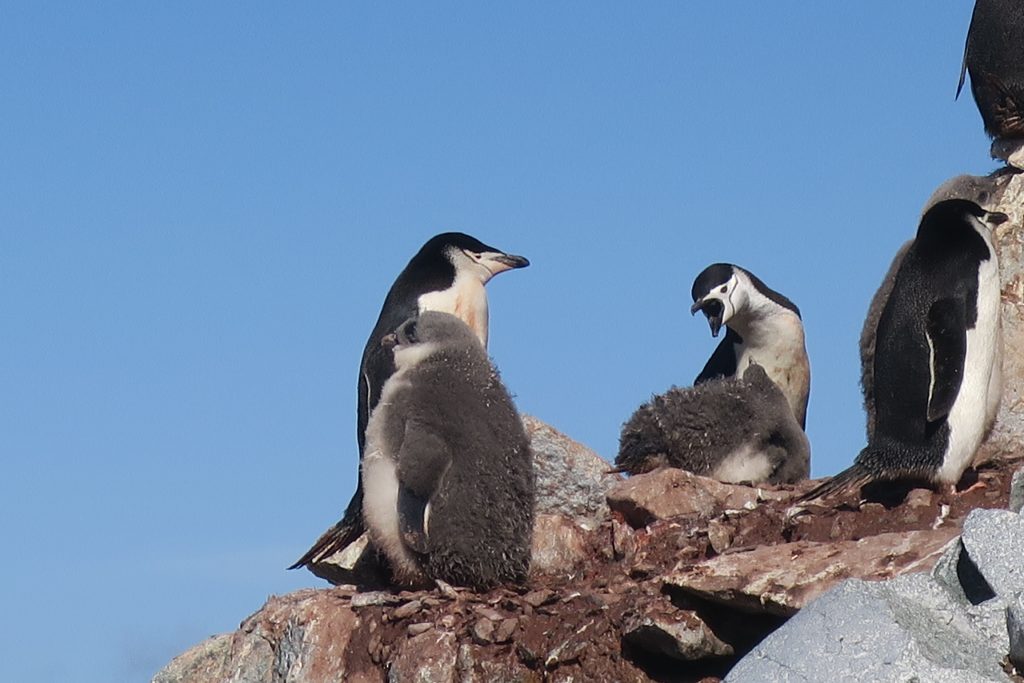
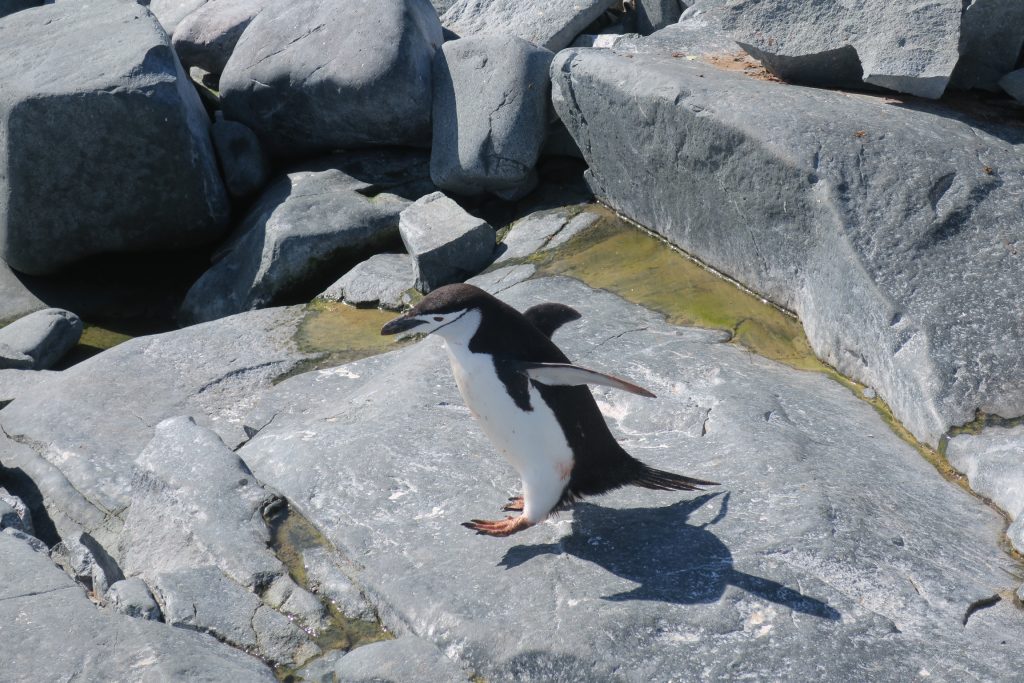
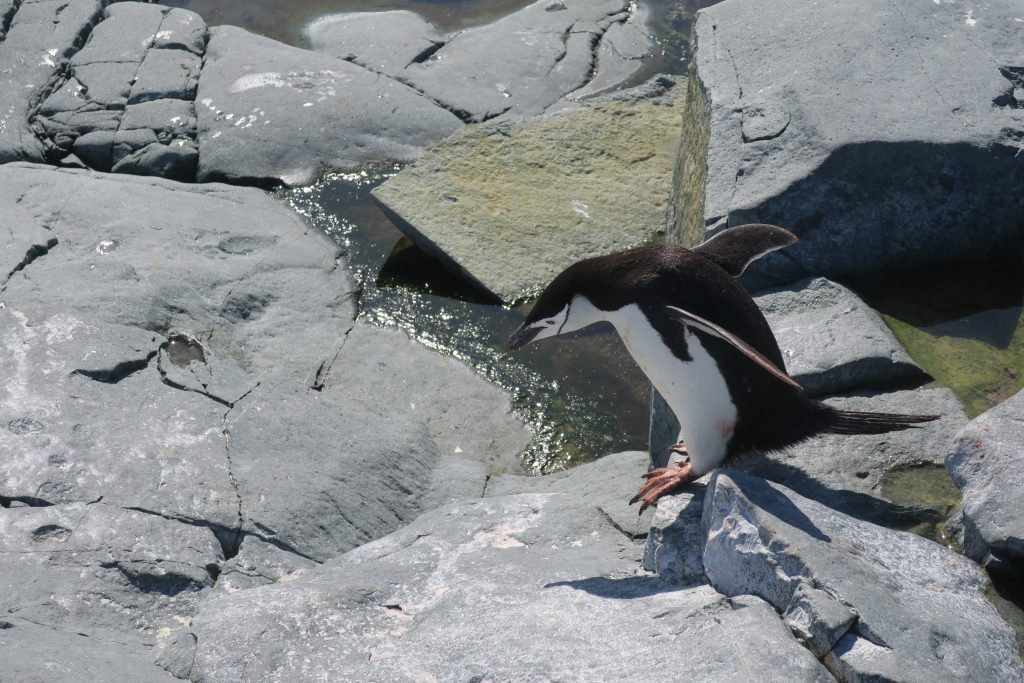
We saw some Wedell seals but they just looked like slugs on the rocks. We stopped and watched some chinstrap penguins, waddle down the rocks. Quite often they lost their balance and would slip and slide into other penguins. The video is shaky because we were in the zodiac.
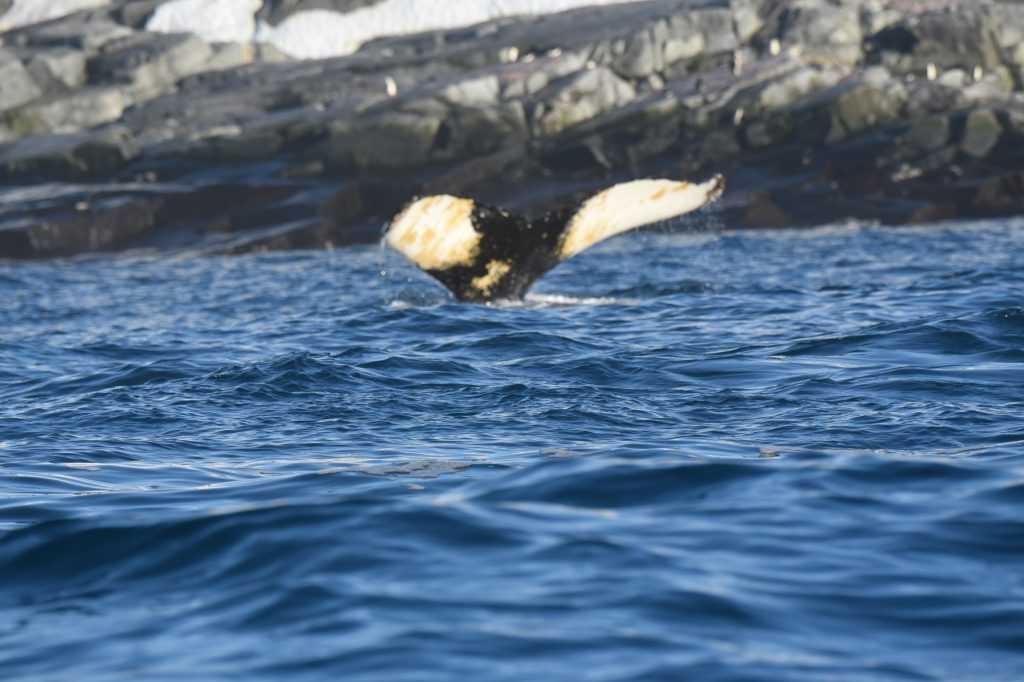
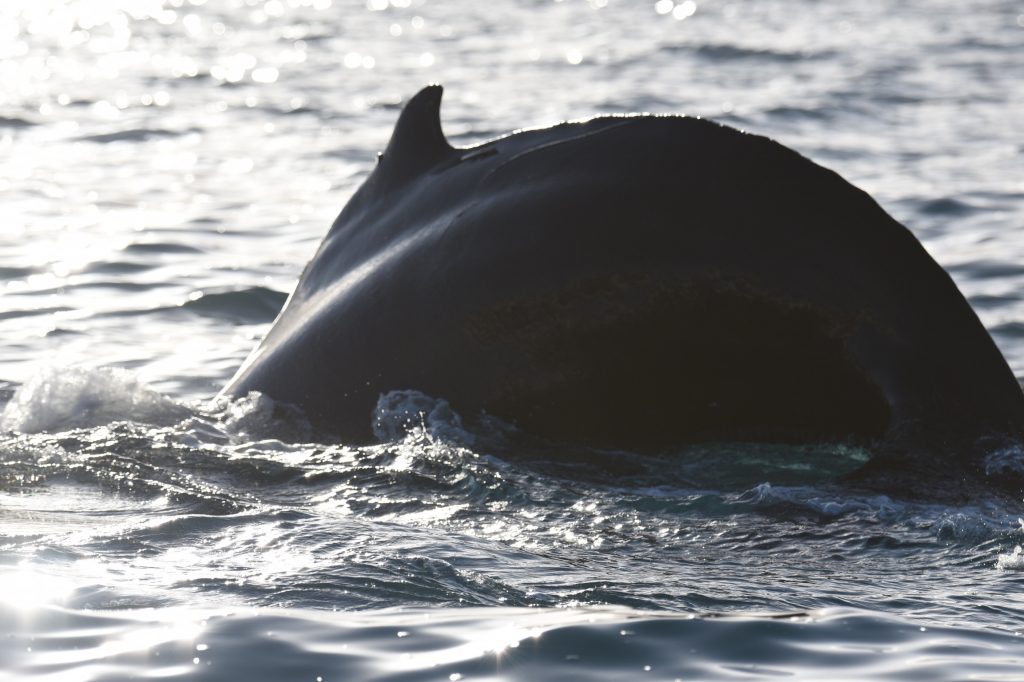
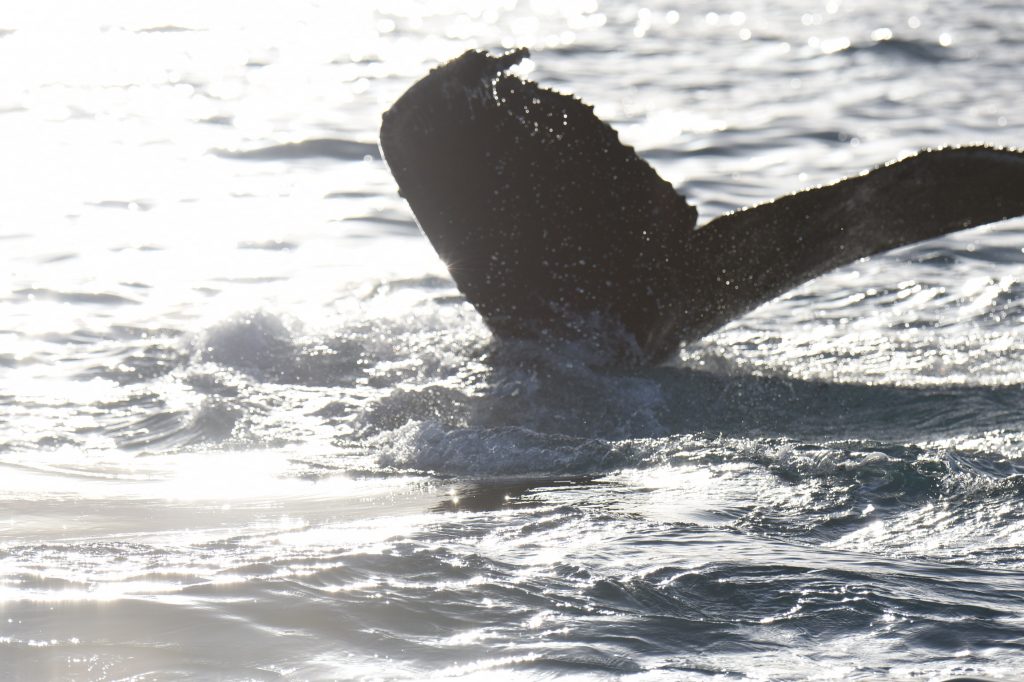
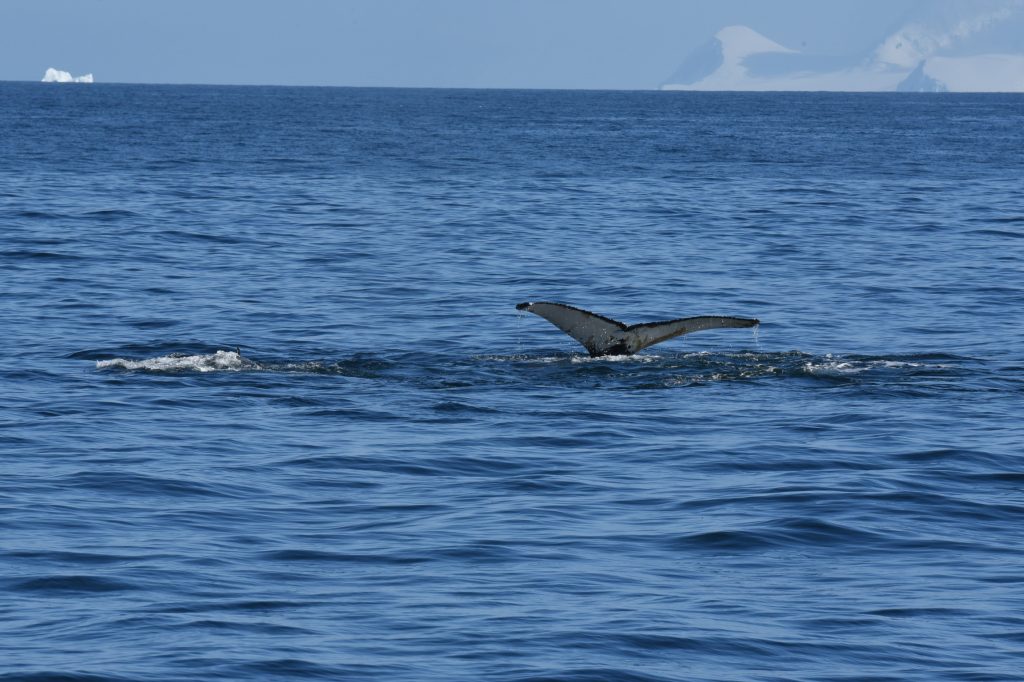
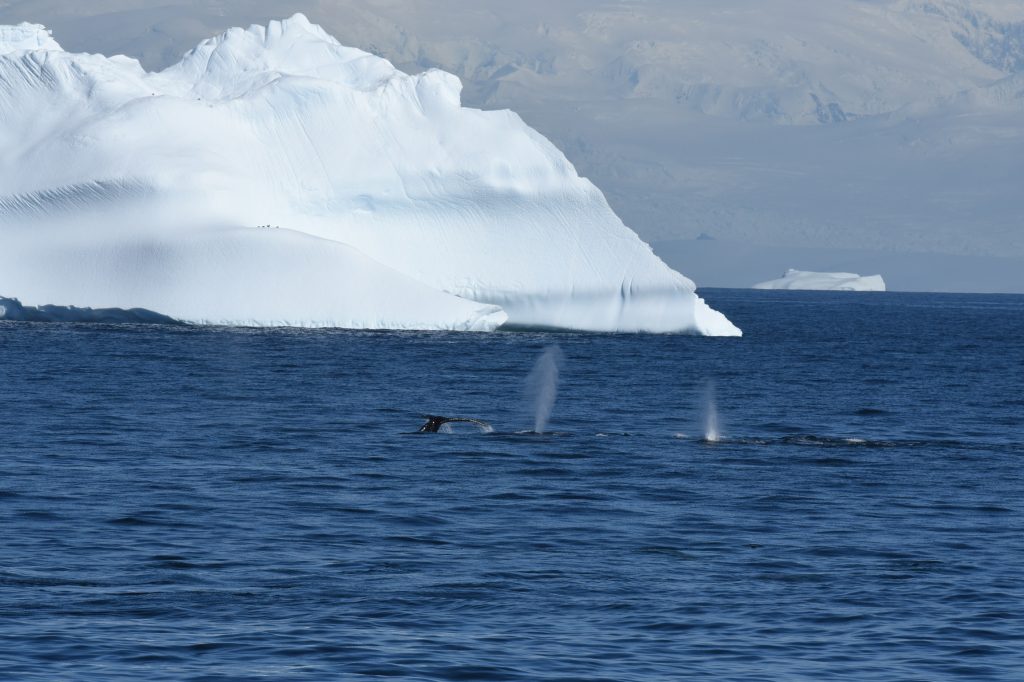
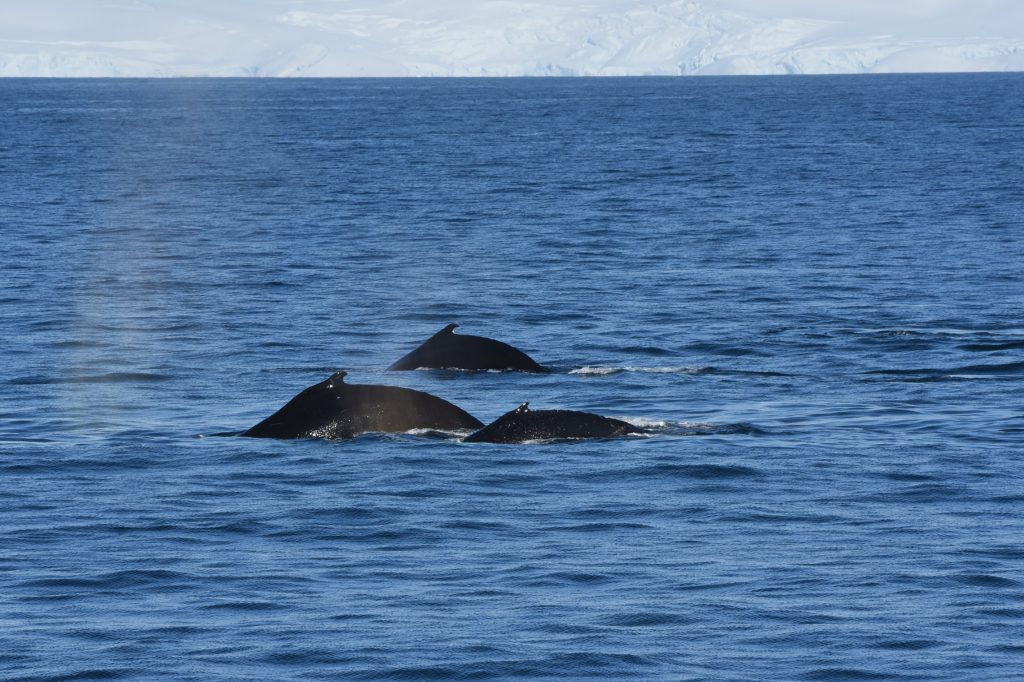
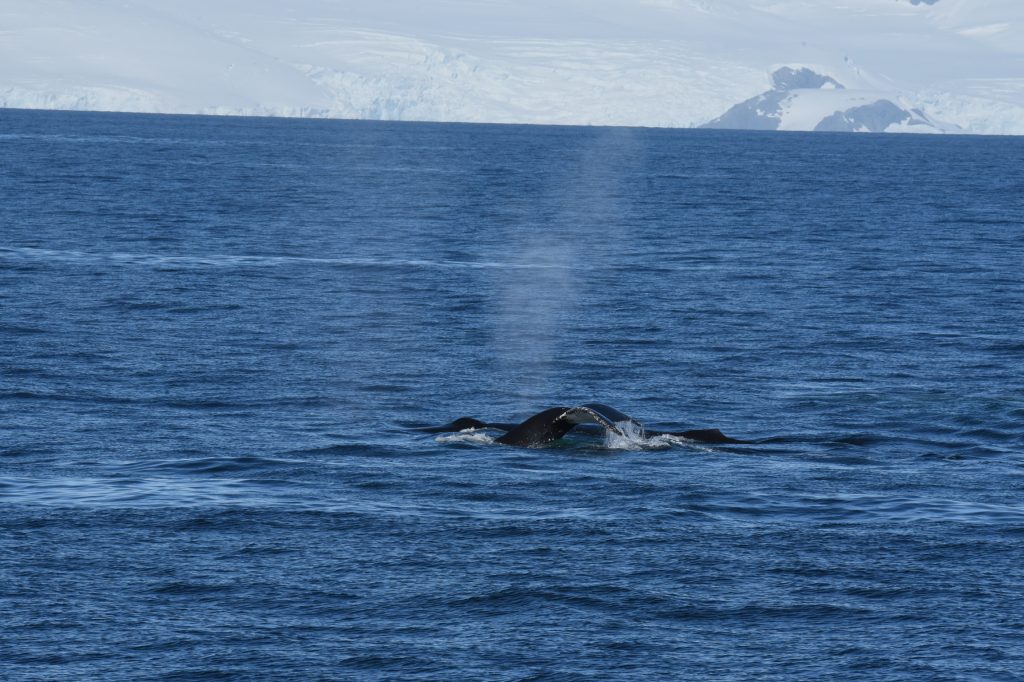
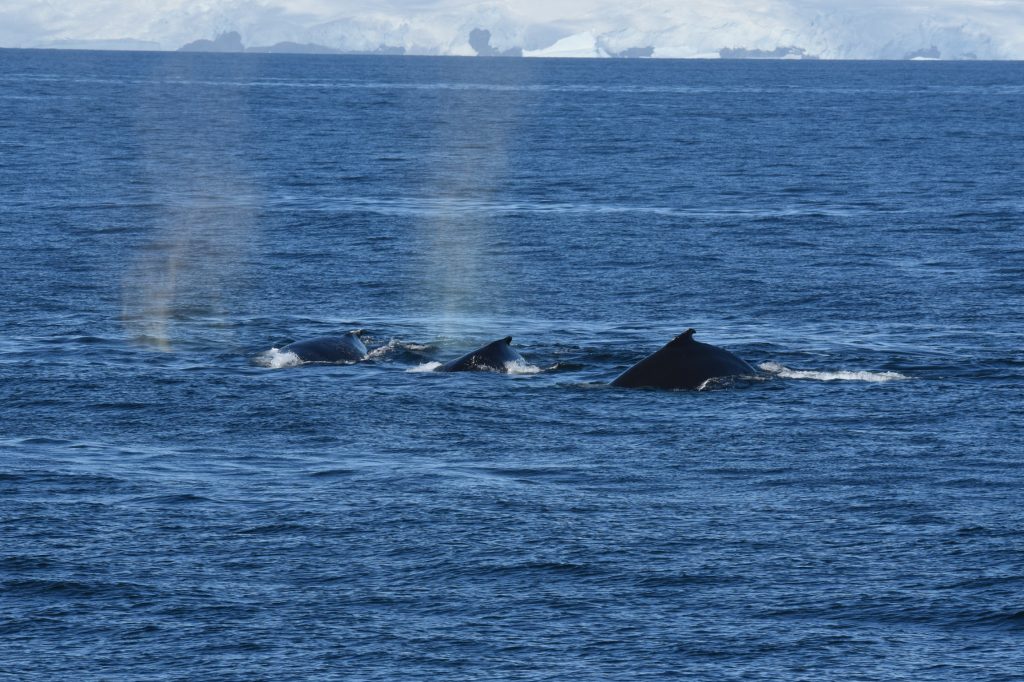
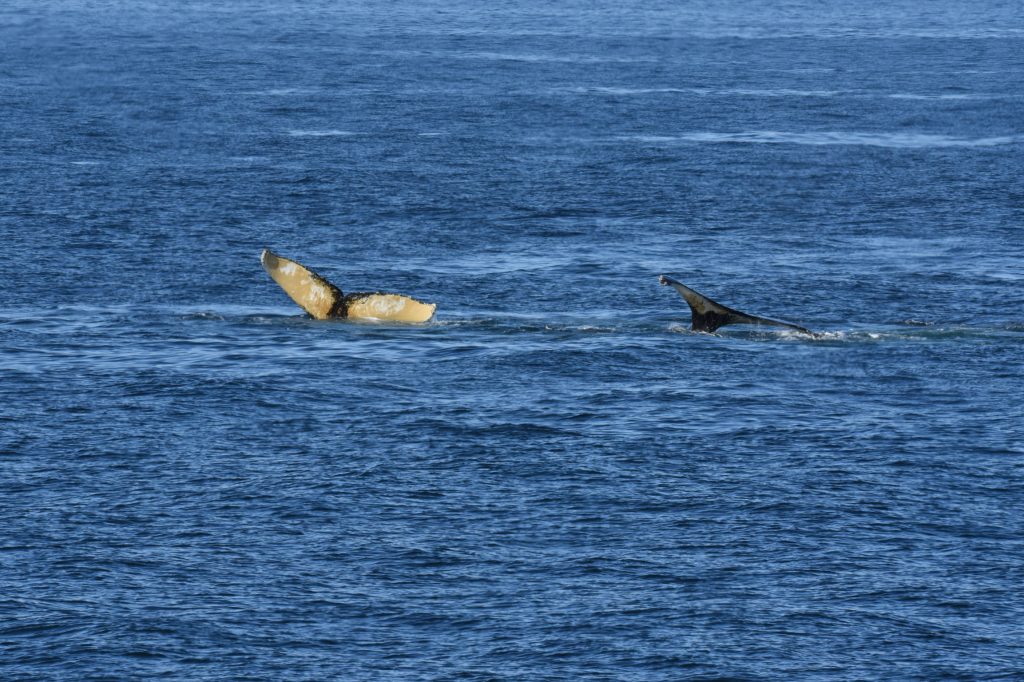
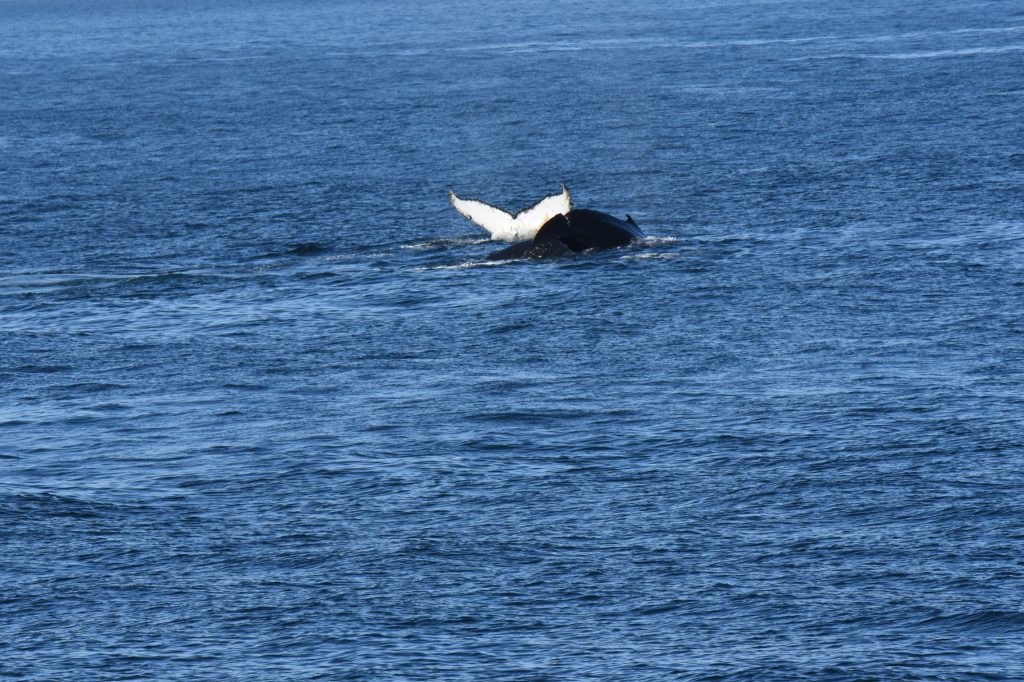
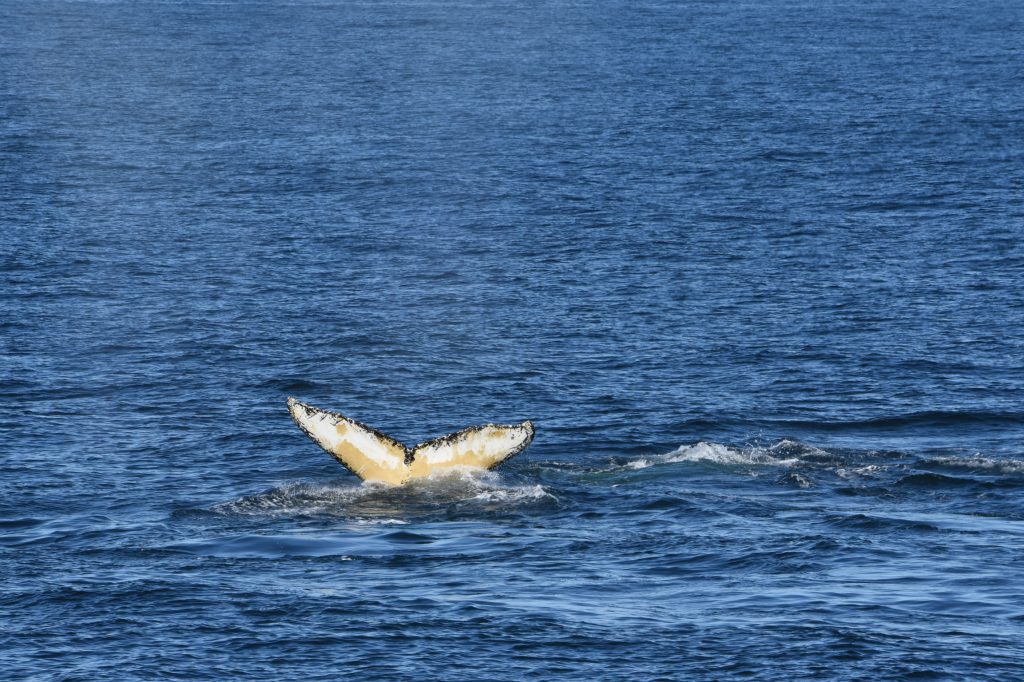
Finally, we watched three humpback whales for quite a while. They were about 50 ft from our zodiacs. They seemed quite curious about us because they stuck around for quite awhile. It was really fantastic, so big and yet majestic.
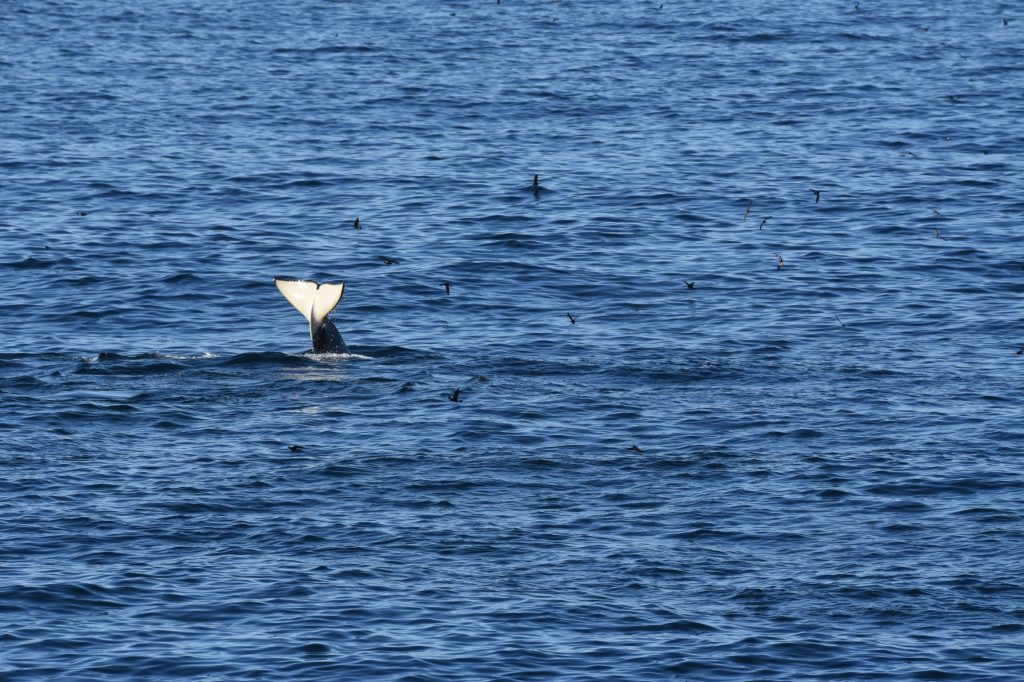
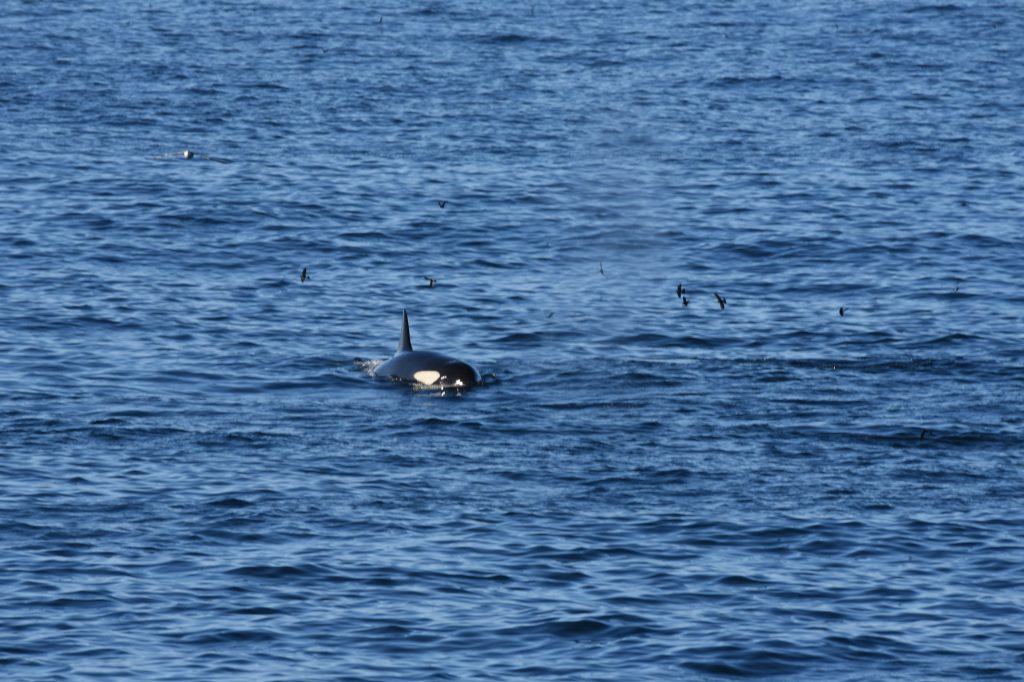
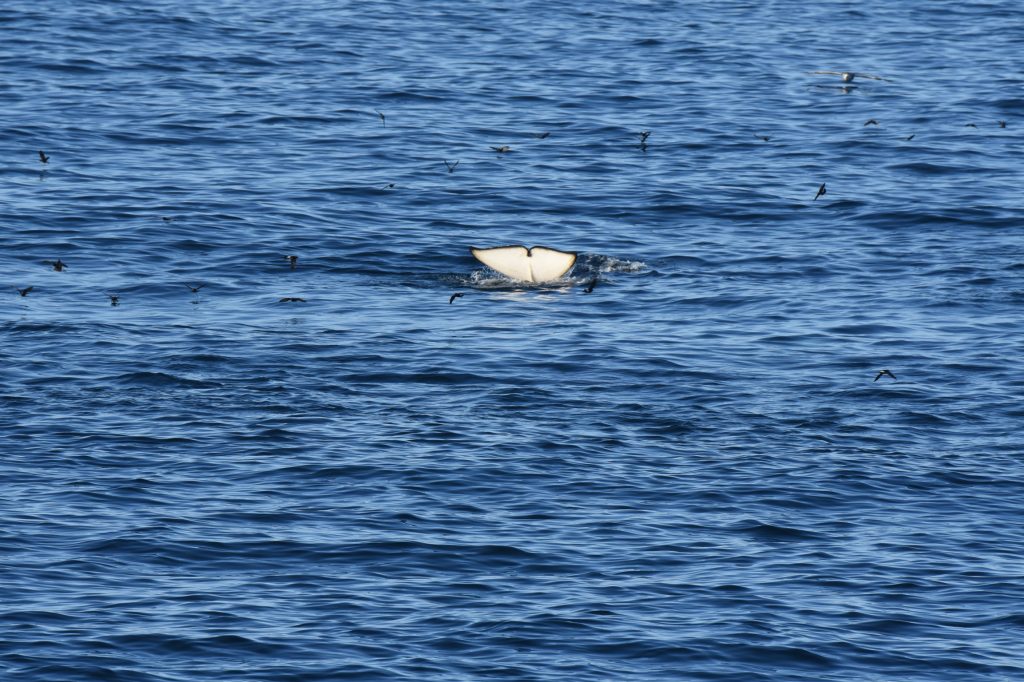
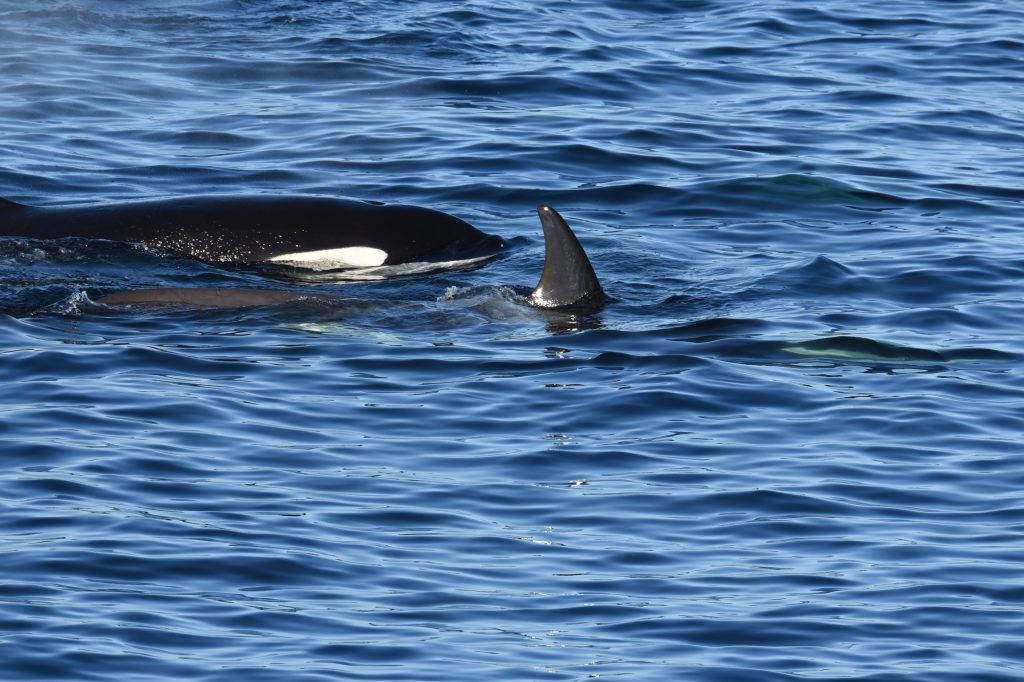
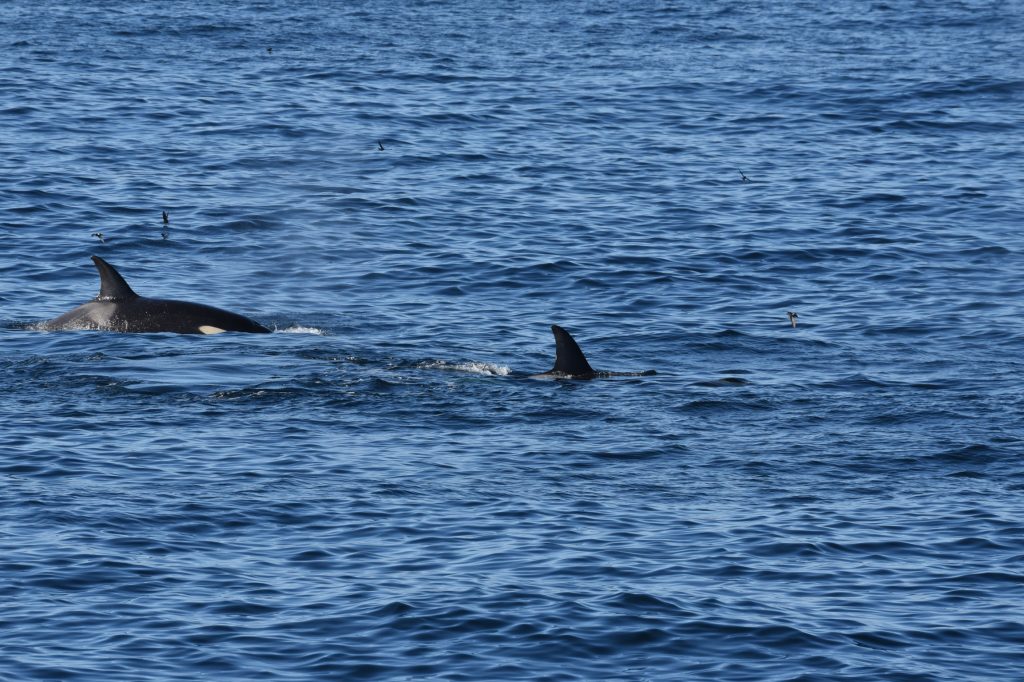
During breakfast we moved the ship to our next location. En route we came across a pod of Orca whales. There were 10 orca whales and our naturalist believes they had just killed a whale by drowning it and were feeding on it. There were lots of storm petrols feeding on oil, from the dead whale, that had floated to the surface. We watched it for about 45 minutes. Fabulous!
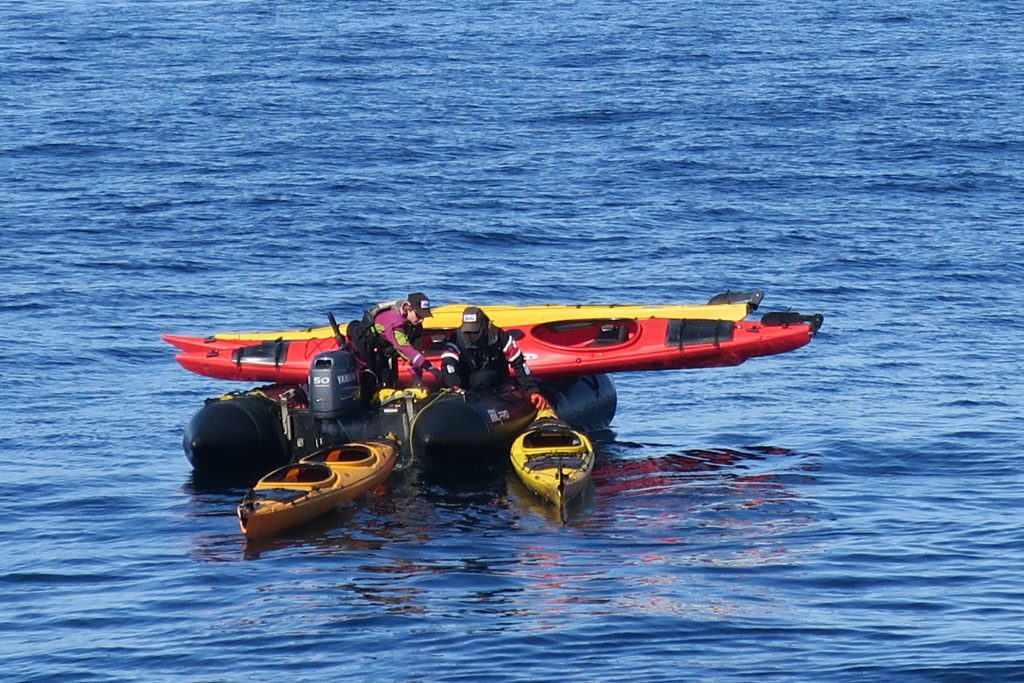
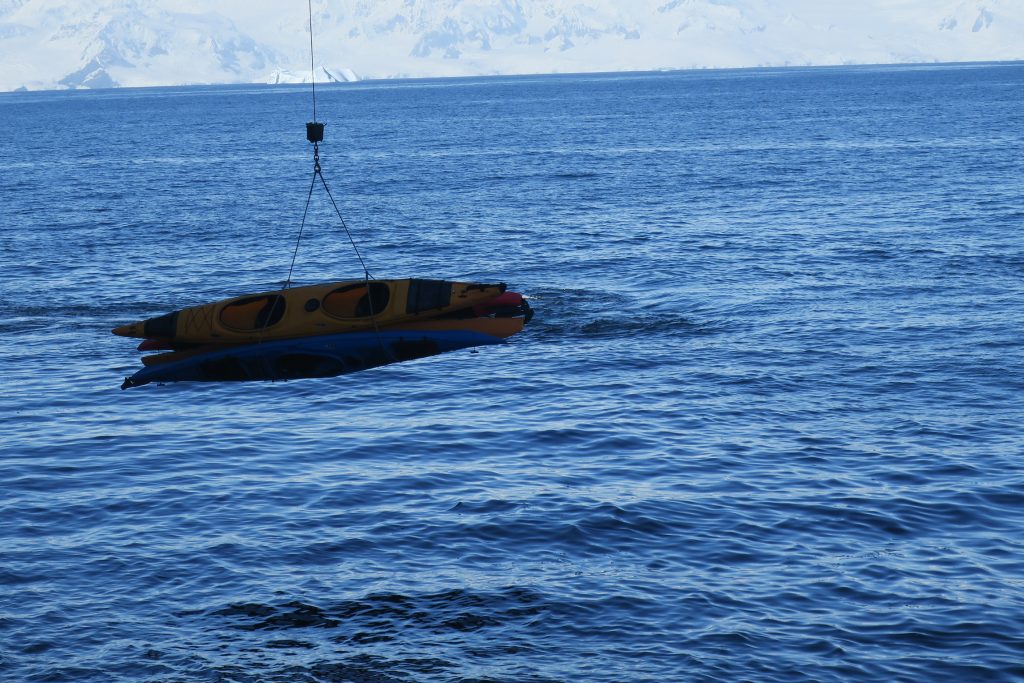
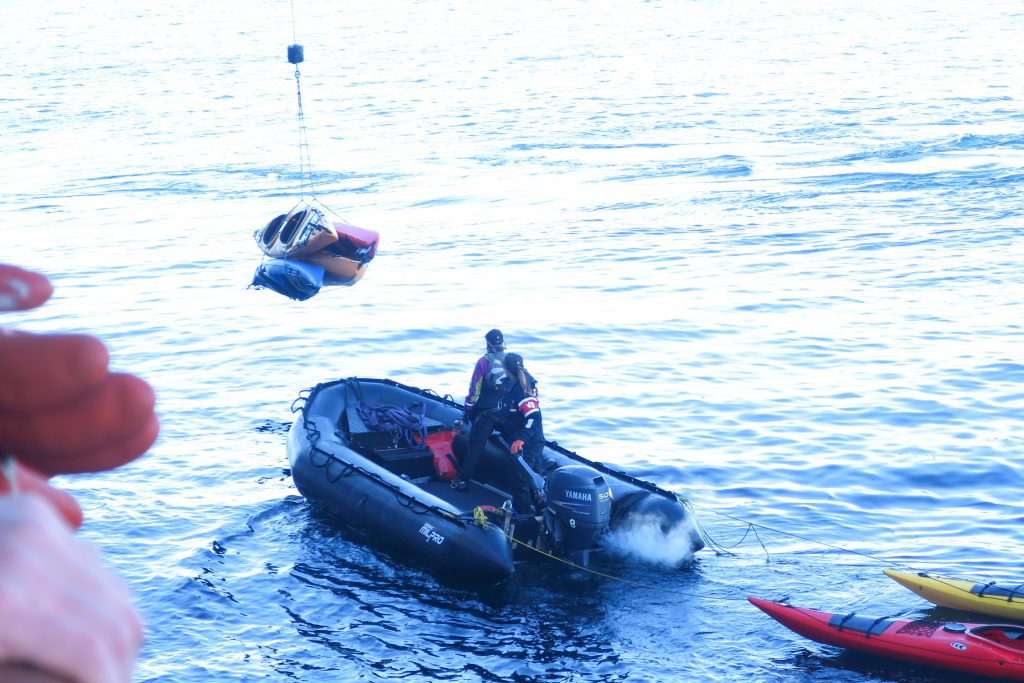
Next stop, Hydrurga Rocks, a small island lying in the northern part of the Gerlache Strait, and named after the leopard seal, Hydrurga Leptonyx. We spent about a half hour kayaking. Here are pictures of our guides readying the kayaks.
We left the ship in a zodiac and moved to a zodiac which was towing 9 kayaks. To move from on zodiac to the other, they pull the zodiacs right next to each other and then we had a sit on one zodiac pontoon and slide over to the other pontoon and swing your legs into the other boat. Not really tricky but the thought of potentially falling in makes one do the maneuver quickly. Then to get into the kayak we would get on the pontoon put our feet on the seat and then move our butt to the kayak behind the seat. From there we just slide into the seat. Getting out can be a little trickier but it’s pretty much just the reverse. The guides are amazing because they often have to adjust the foot pedals while loading kayaks. They are hanging out of the zodiac into the kayak, they look like they are hanging on by their toes. I asked one of our guides if she had ever fallen in, she said no.
We had a nice kayak ride and then had an option of continuing to kayak or going ashore. The rest of the ship had spent the whole time ashore. I went ashore because this was the only place we were likely to see weddell seals and Rick switched to a single kayak and kept kayaking.
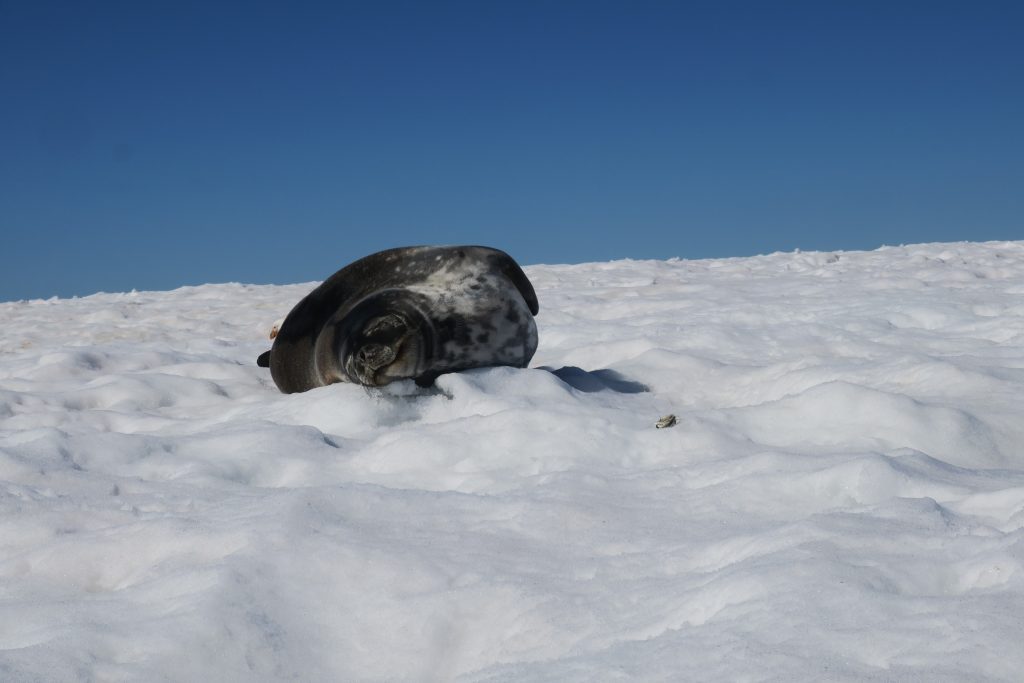
Ashore there were several very large weddell seals sleeping, not be bothered a bit by 100 people tromping by and taking pictures.
There were also a lot of chinstrap penguins. I can post pictures of the penguins so you can see them, but lucky for you, you can’t smell them. They smell pretty poopy.
After a quick walk around we went back to the boat for lunch.
While we were moving to our next location there were a pod of humpback whales. Hannah, our marine mammal naturalist estimates there were 30 whales, some mothers with babies. We watched them for a while before moving on.
Cierva Cove was our next stop. Cierva Cove is a deep inlet on the western side of the Antarctic peninsula, on the south side of Cape Herschel, within Hughes Bay. The Argentinian Base, Primavera, overlooks the Bay. The area surrounding the base is a site of special scientific interest (SSSI) because of its rich botany and wildlife.
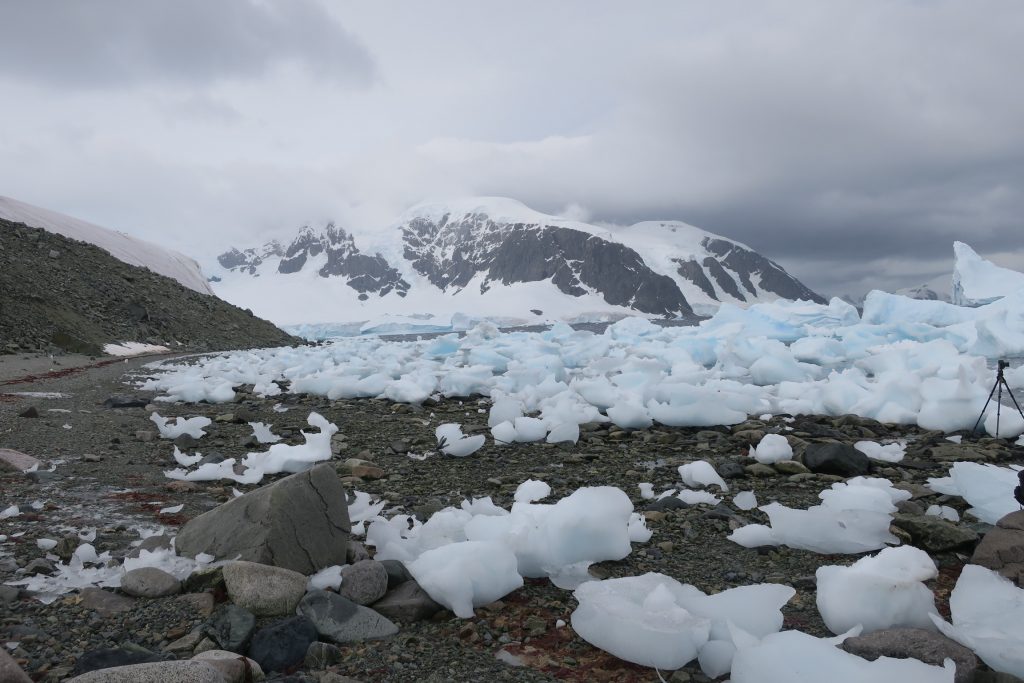
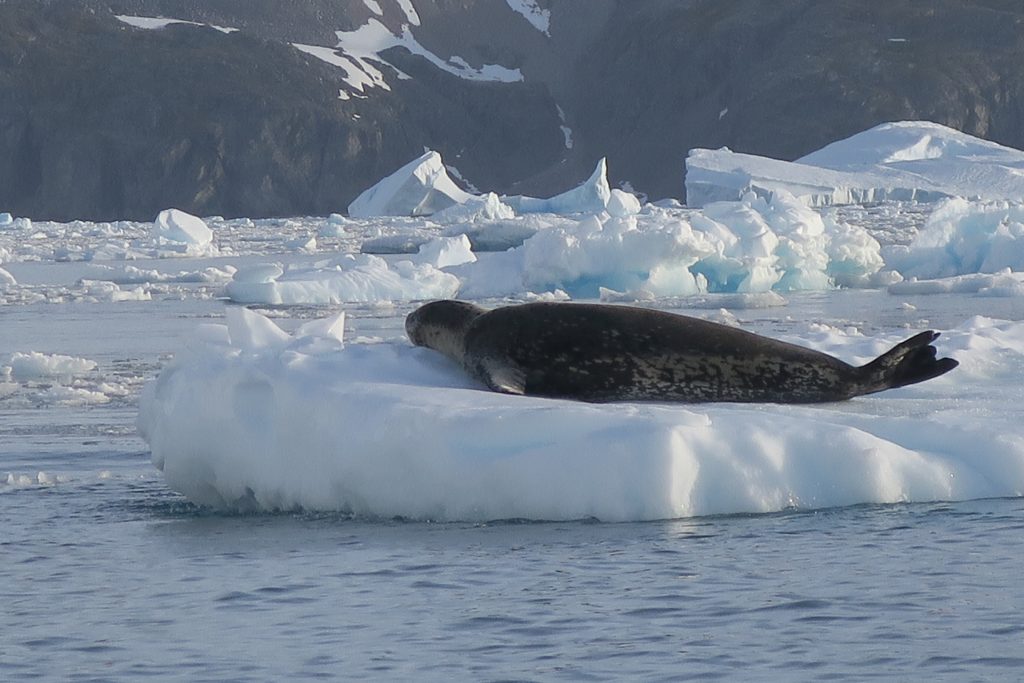
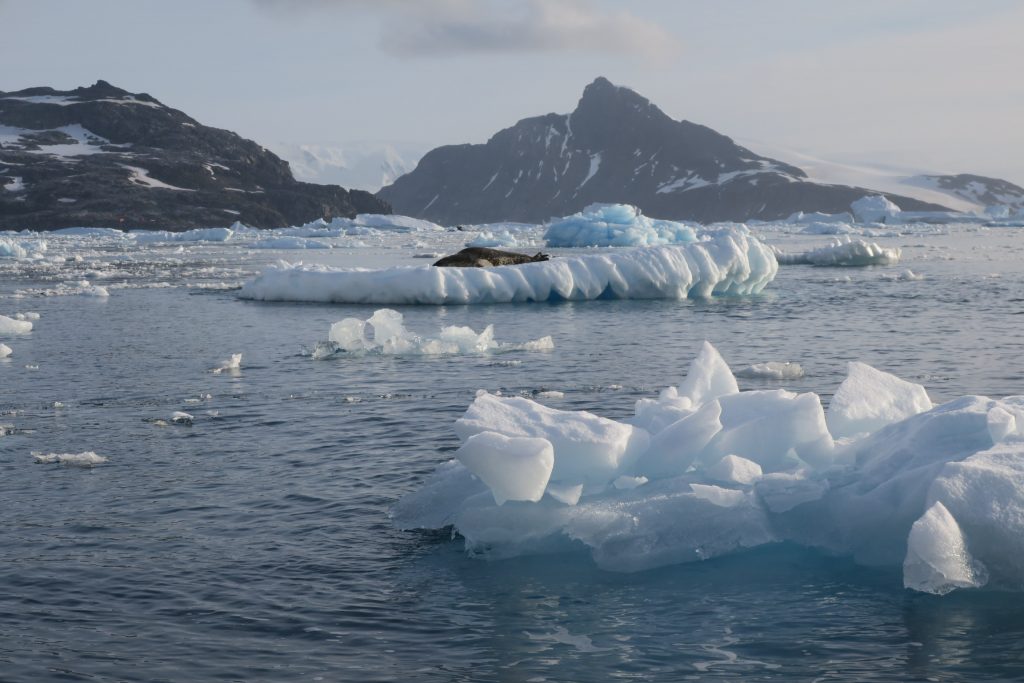
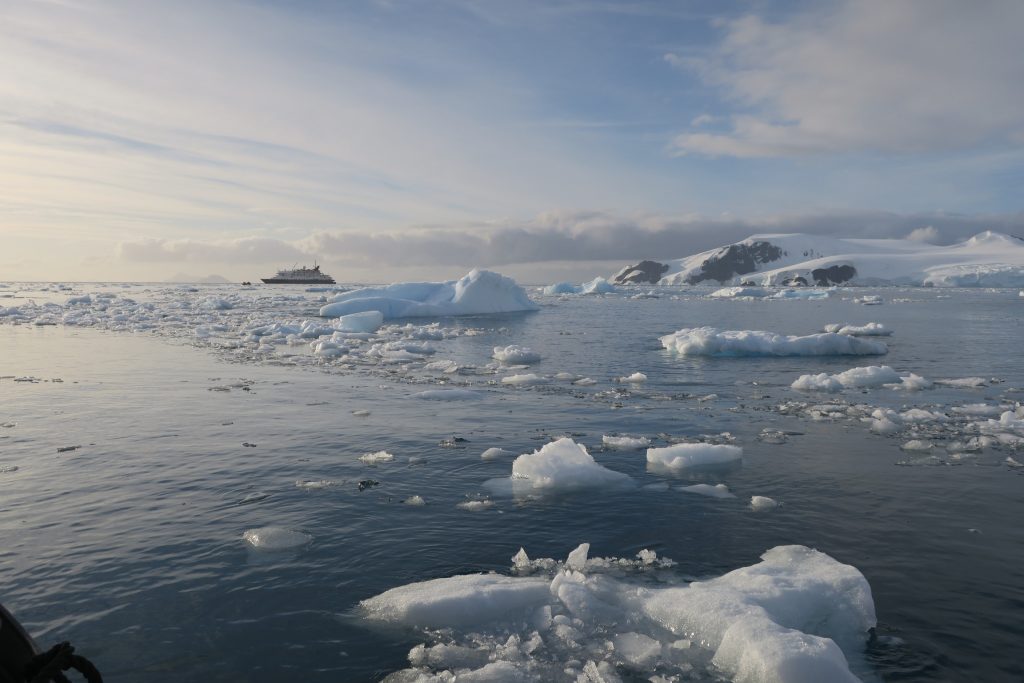
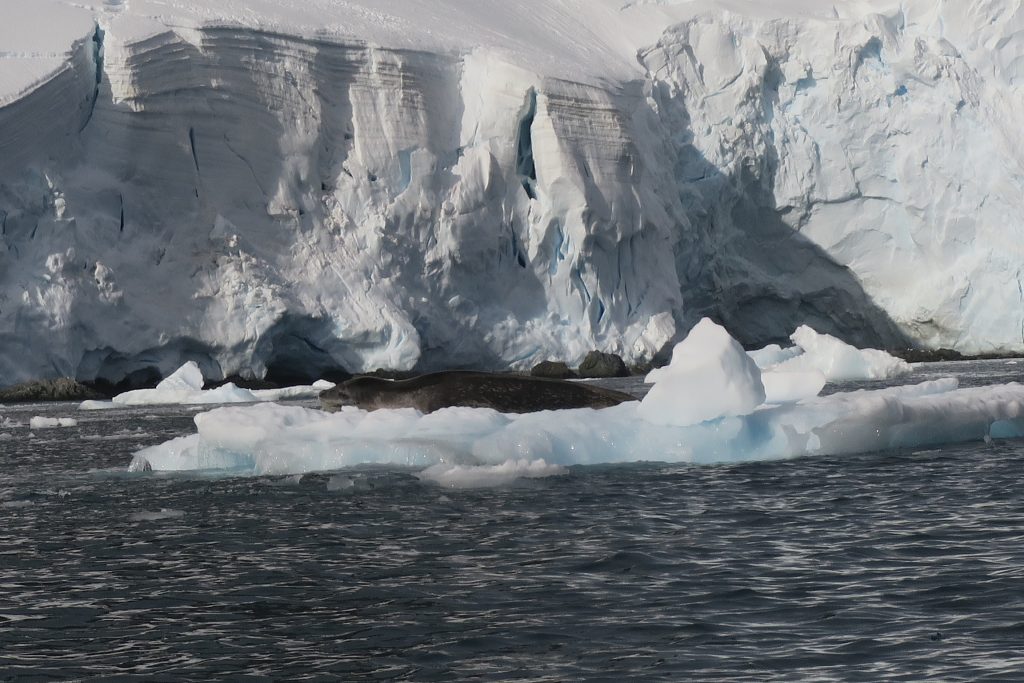
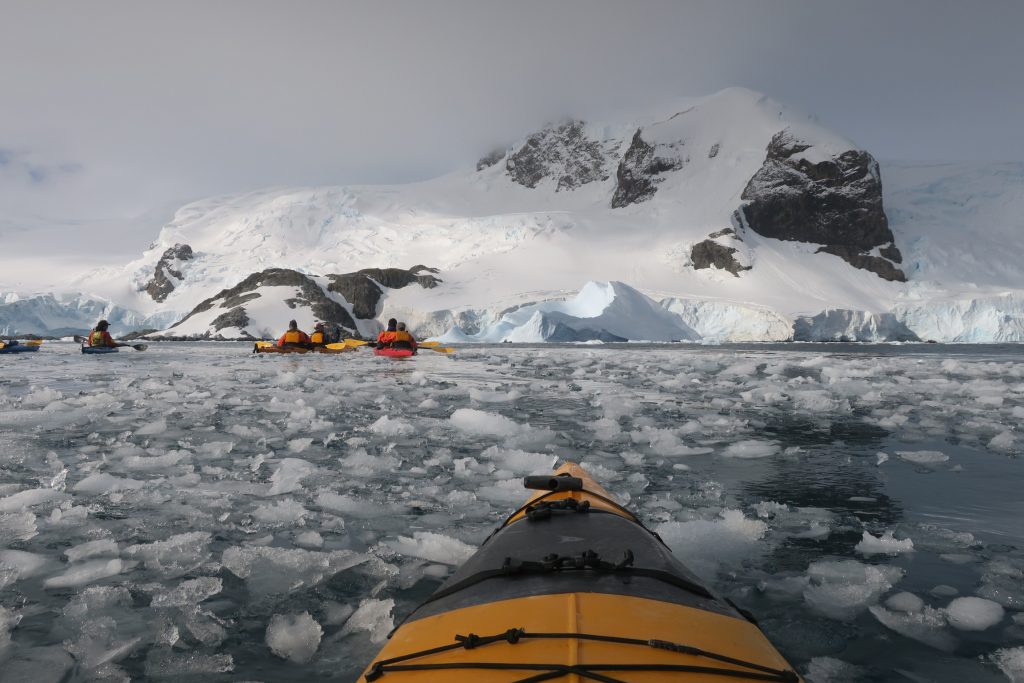
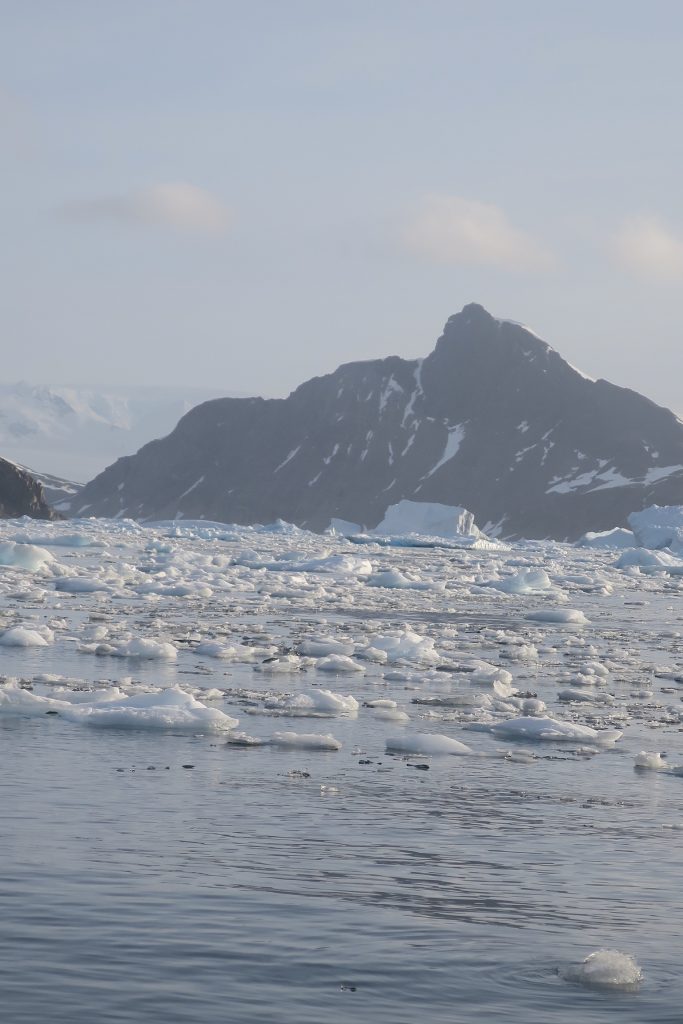
This cove was filled with ice. It was really beautiful with ice of all shapes and sizes. Most had a very blue hue to them. The older ice is called black ice; over the years it has had most of the air squeezed out of it so it is very dense and much clearer. Our guides said it could be as old as 30,000 years. It was pretty easy to spot because it looked very different than the newer ice. We also saw a leopard seal. Here are pictures from our kayaking
We kayaked over small pieces of ice called growlers and it was weird to feel them scrapping along the both of the boat. We had to keep out distance from the larger pieces of ice because they could calve or roll which could create a large wave. We had quite a long kayak and finish by rafting up and having hot chocolate.
As we were getting out of the kayak and back into the zodiac, Rick almost fell into the water. As he was getting out, the kayak and zodiac separated slightly so when he moved his bum to the zodiac pontoon, he ended up just on the edge of the pontoon. He started to slip off as he moved his legs over. He ended up with both legs up in the air and luckily the guide grabbed his leg and rolled him into the zodiac. Even the guide thought he was going to end up in the water. Of course he had his dry suit on as well as a life jacket but I’m sure it would have been really unpleasant. All’s well that ends well.
That evening we had our usual briefing and then dinner.